
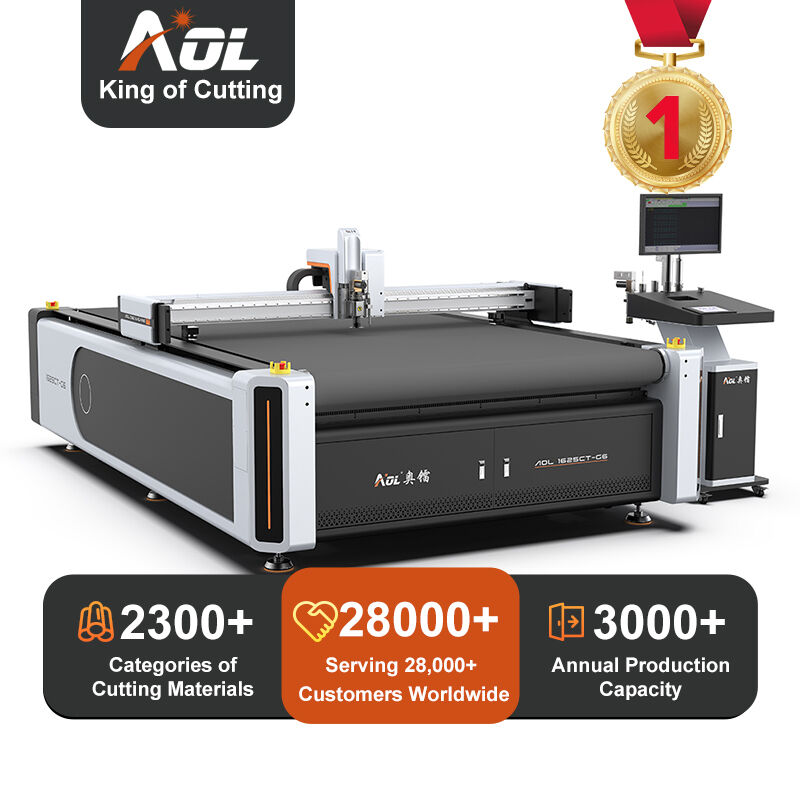
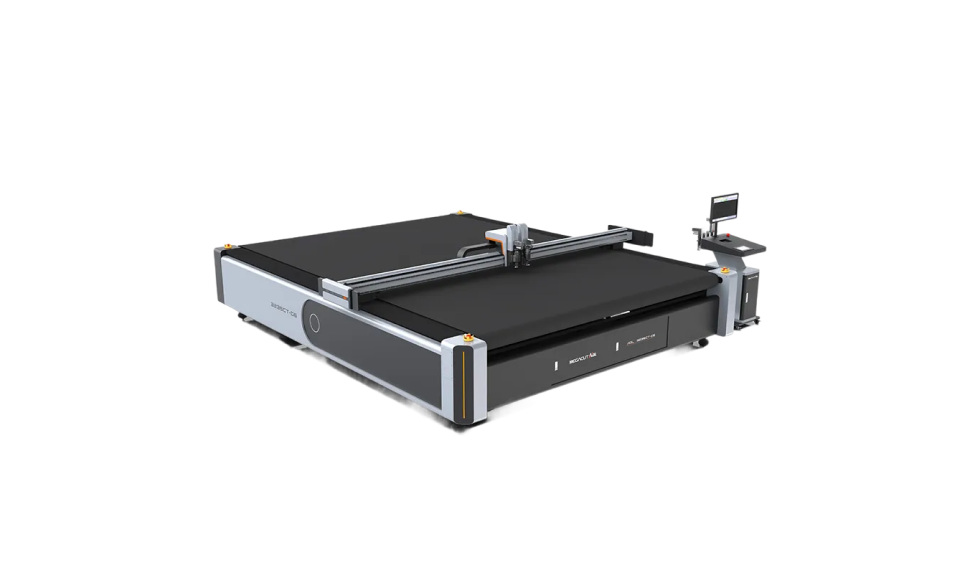
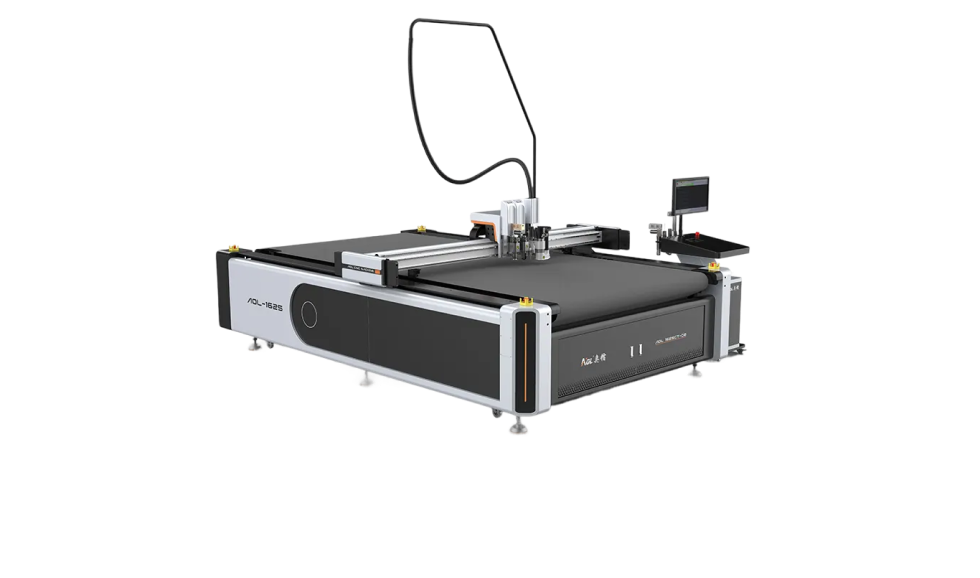
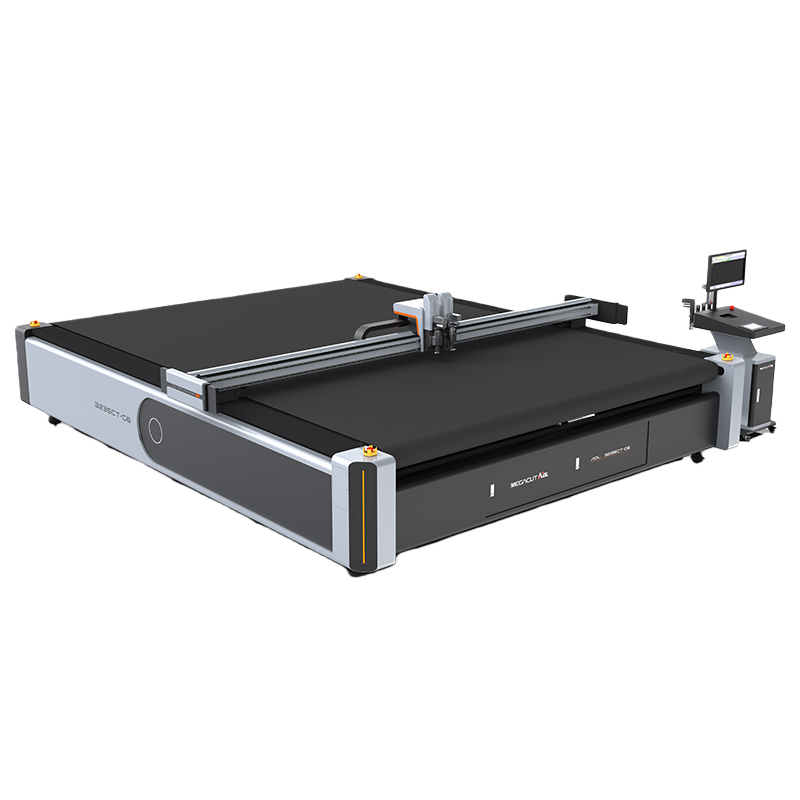
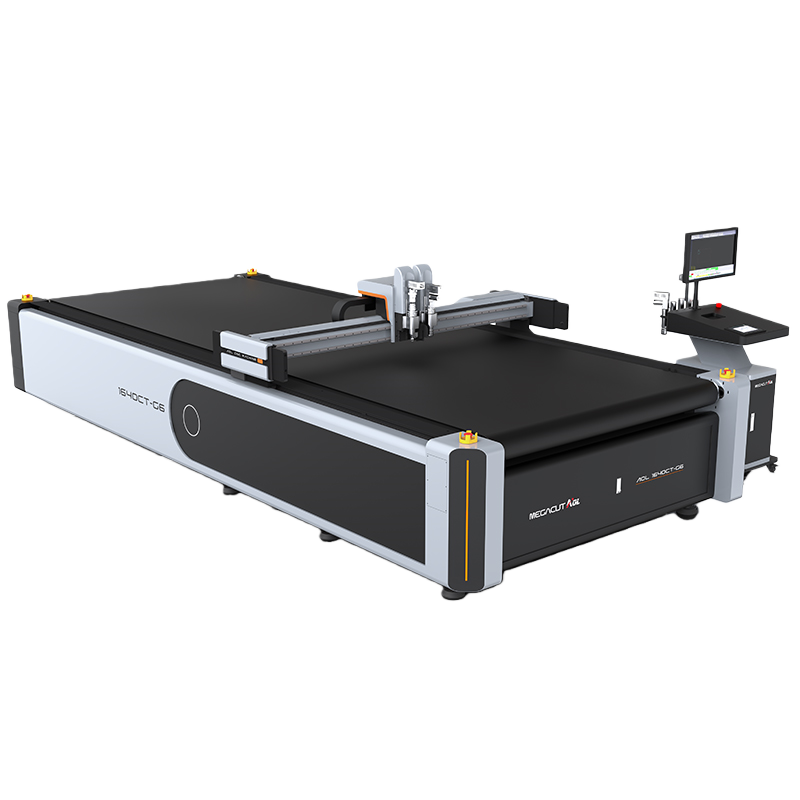
The application prospects for modern automated cutting equipment are exceptionally broad, having long surpassed the traditional concept of simple straight-line cutting. From fashion textiles to heavy manufacturing, it is reshaping production processes across industries with its outstanding precision and efficiency. In the textile and apparel industry, automated cutting tables significantly reduce waste through intelligent layout planning—whether for bulk cutting of bulk fabrics like cotton, linen, and polyester, or precision cutting of high-value materials such as leather and automotive upholstery. They have become core equipment in garment manufacturing, furniture upholstery, and technical textiles (e.g., nonwovens, filtration materials).
In the automotive and aerospace manufacturing sectors, where safety and precision demands are paramount, automated cutting machines also play a critical role. They precisely process composite materials like carbon fiber, acoustic insulation, interior carpeting, and rubber seals, ensuring every automotive interior component or aerospace part meets stringent tolerance standards. Simultaneously, within the rapidly evolving packaging and signage industries, these machines swiftly address diverse demands—from corrugated cardboard prototyping and acrylic letter cutting to custom foam padding—empowering businesses to achieve flexible production.
Moreover, in sectors like metal fabrication, composite manufacturing, and rubber/silicone products, automated cutting equipment demonstrates remarkable adaptability. It efficiently handles rigid materials like sheet metal and pipes while seamlessly processing new materials prone to fraying, such as carbon fiber and fiberglass, meeting high-standard requirements from sports equipment to medical devices. Looking ahead, as Industry 4.0 advances, automated cutting machines are evolving from standalone tools into interconnected smart terminals. They seamlessly integrate with cloud-based design files, support large-scale personalized customization, and enable green manufacturing through advanced nesting algorithms. Regardless of your industry, automated cutting technology will become a key engine for reducing costs, boosting efficiency, and enhancing competitiveness.