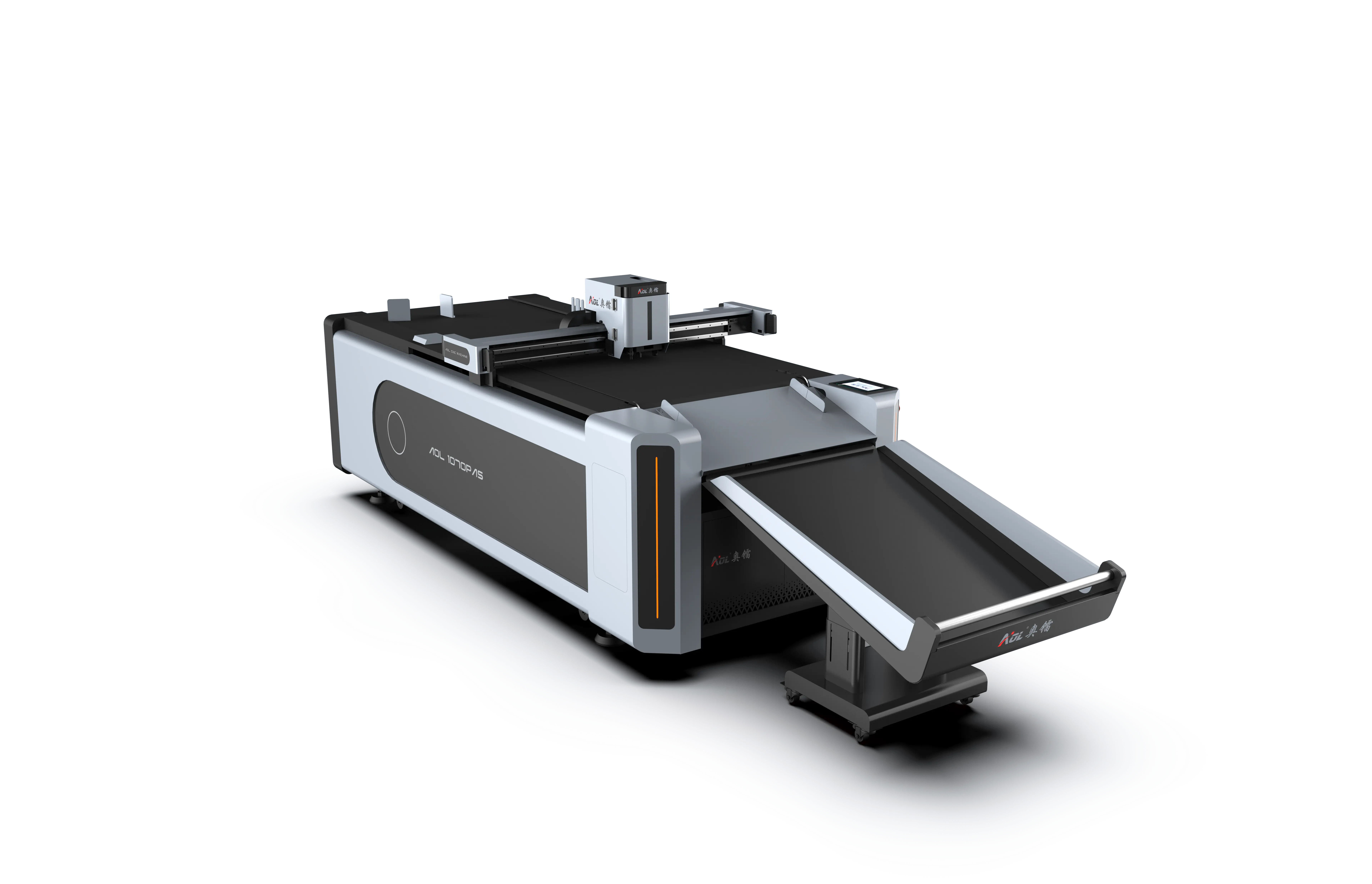
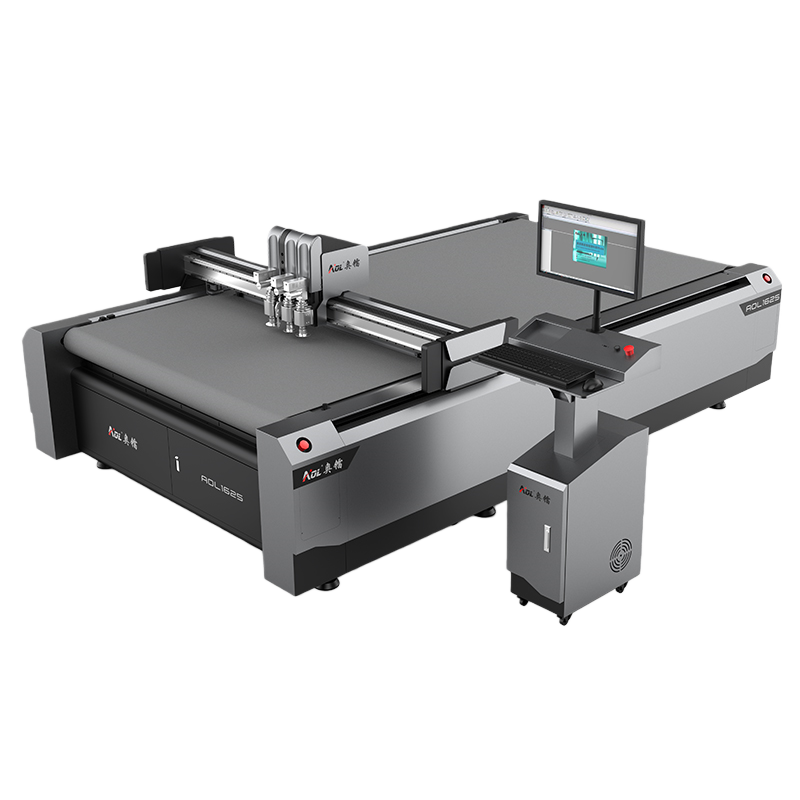
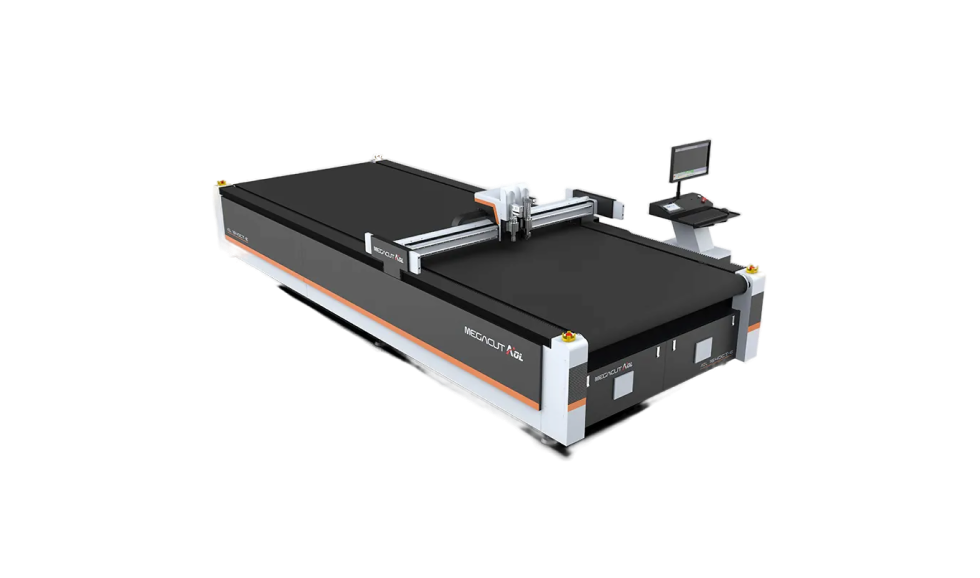
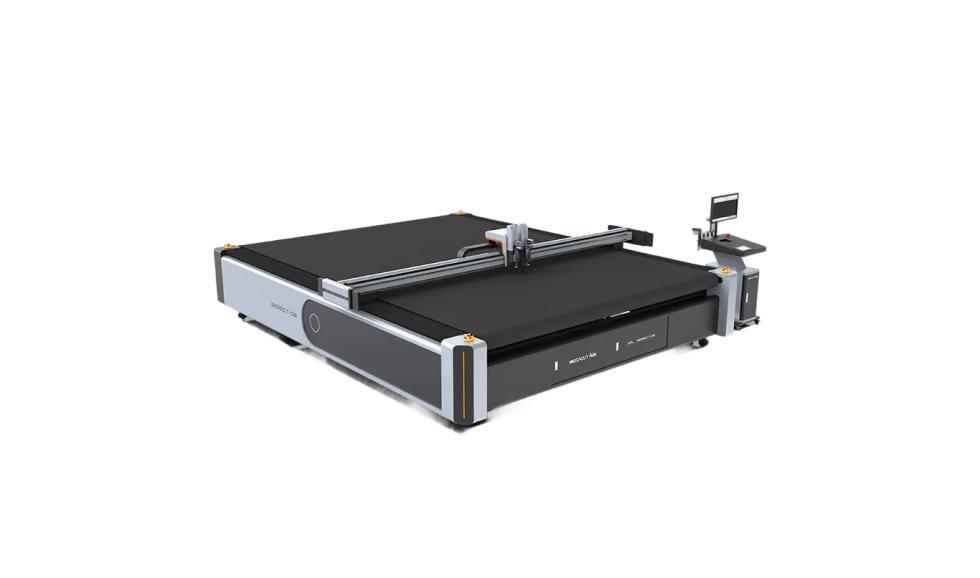
Günümüzün çeşitli mekanik onarım ve üretim ortamında silindir kapağı conta kesicilerinin uygulama olanakları, çoğu kişinin hayal ettiği sınırları çoktan aştı. Uzun süredir geleneksel motor tamir atölyelerinde sınırlı bir uzmanlık aracı olarak kalmayı bırakmış ve artık çeşitli profesyonel senaryolara yayılmış; "standart dışı" ve "acil" taleplerle başa çıkmak için temel ekipman haline gelmiştir.
Otomotiv onarımı ve motor tamiri ana pazarı içinde bu ekipmana olan talep giderek daha güçlü hale gelmektedir. Otomotiv kültürü olgunlaştıkça, eski ve klasik otomobillerin restorasyonu için yaşanan patlama devam etmekte ve yoğunlaşmaktadır. Geçen yüzyıldan kalma birçok eski model için orijinal fabrika parçaları üretime son verildiğinden, silindir contaları piyasada tamamen temin edilememektedir. Burada kesme makinesi, restorasyon atölyelerinde vazgeçilmez bir kurtarıcı rolü üstlenmektedir. Teknisyenler, orijinal eski şablonları takip ederek uzun süredir üretimi durdurulmuş contaları tam olarak yeniden oluşturabilirler. Aynı zamanda motorsporlarda ve yüksek performanslı ayarlama işlemlerinde motorlar genellikle silindir genişletmesine (boring) veya diğer modifikasyonlara tabi tutulur; bu da standart dışı yanma odası boyutlarına neden olur. Takım teknisyenleri, değiştirilen silindir bloğuyla tam olarak uyumlu özel contaları sahada kesmeyi başarabilmelidir; böylece aşırı koşullar altında conta sızdırmazlık performansı sağlanmış olur. Ayrıca tarım makineleri ve ağır taşıma kamyonlarında kullanılan dizel motorların saha onarımları için zaman para demektir. Taşınabilir bir kesme makinesi, teknisyenlerin malzemeleri yerel kaynaklardan temin etmesini ve ekipman hava kaçağı sorunlarını anında çözmesini sağlar; böylece gönderilen yedek parça beklenirken yaşanacak günlerce üretim kesintisi kayıpları önlenmiş olur.
Endüstriyel ve denizcilik sektörleri boyunca bu ekipman, eşit derecede kritik roller üstlenir. Deniz motorları, uzun süreli deniz suyu ve nem etkisine maruz kalır; bu nedenle standart conta malzemeleri genellikle tuz sisine bağlı korozyona uğrar. Tecrübeli mühendisler, tamir sonrası dayanıklılığı garanti altına almak için sahada hava dirençli özel kompozit malzemeleri kesmeyi tercih eder. Fabrika atölyelerinde, hava kompresörleri ve jeneratör setleri gibi çok sayıda sabit endüstriyel varlık—çoğu otuz yıldan fazla bir yaşa sahip—orijinal üretici tedarik zincirlerinin sona ermesi durumunda silindir başı contası kesme makinelerine güvenmektedir. Bu sayede fabrikalar, bu pahalı sabit varlıkların ömrünü uzatabilir ve kendi kendine yeterliliği sağlayabilir.
Ayrıca, silindir kapağı conta kesme makinelerinin değeri, prototip tasarımı ve Ar-Ge testlerinin ön saflarında giderek daha belirgin hale gelmektedir. Yeni silindir kapakları geliştirilirken motor mühendisleri, soğutma kanalları düzenlemelerini ve silindir portu conta basınçlarını tekrar tekrar test etmek zorundadır. Her seferinde fabrikalardan özel deneme contaları sipariş etmek yalnızca maliyetli değil, aynı zamanda zaman alıcıdır. Bir kesme makinesine sahip olmak, Ar-Ge ekiplerinin "tasarım-kes-test-düzenle" döngüsünü saatler içinde tamamlamasını sağlar ve böylece yenilik yaratma sürecini önemli ölçüde hızlandırır. Aynı zamanda meslek yüksekokulları ve teknik okullar da bu tür ekipmanları öğretim aracı olarak benimsemektedir. Öğrenciler, contaları keserek pratik deneyim kazanır; motor conta yüzeyi uyum prensiplerini sezgisel olarak kavrar ve sektörü, uygulamalı becerilere sahip yeni yeteneklerle sürekli olarak besler.
Son olarak, küresel tedarik zincirleri henüz tamamlanmamış uzak bölgelerde bu ekipmanın benzersiz bir "köy mekaniği" ekonomik modeli yarattığı da dikkat çekmeye değer. En yakın otomotiv parça pazarına yüzlerce kilometre uzaklıkta bulunan kasabalarda, bu kesiciyle donatılmış atölyeler, etraftaki tüm topluluklara hizmet verme yeteneğine sahip olur. Küçük çim biçme makinesi motorlarını onarmaktan ağır iş traktörlerinin silindir kafalarına kadar her türlü tamiri, yavaş ve maliyetli lojistiğe bağımlı kalmadan hızlıca gerçekleştirebilirler—böylece teknik bağımsızlık ve hizmette kendine yeterlilik gerçekten sağlanmış olur.
Özetle, silindir kapağı contası kesicilerinin uygulama perspektifleri dört ana alanda hızla genişlemektedir: retro restorasyon, rekabetçi modifikasyon, endüstriyel bakım ve bilimsel yenilik. Artık sadece bir conta kesmek değil, teknisyenlerin ve mühendislerin standart dışı taleplerle dolu gerçek dünyayla başa çıkmak için "sınırsız" yaratıcılık ve uyum kabiliyetiyle donatılması söz konusudur.

 EN
EN