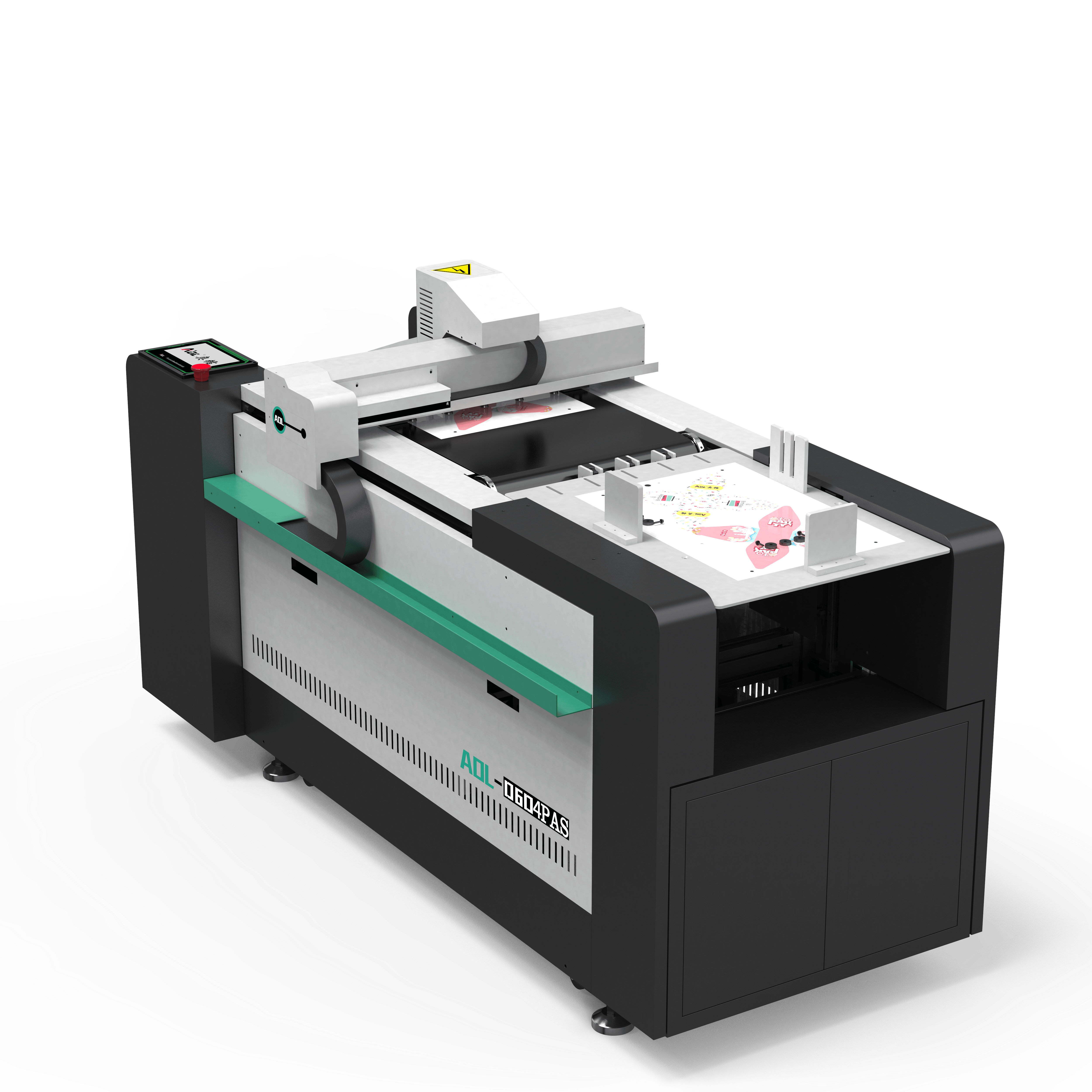
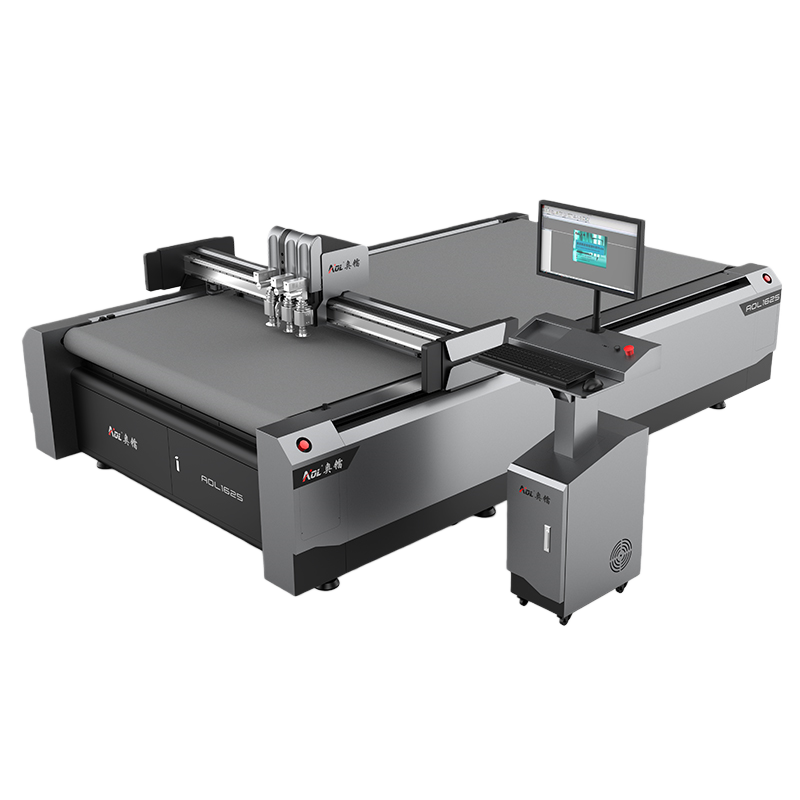
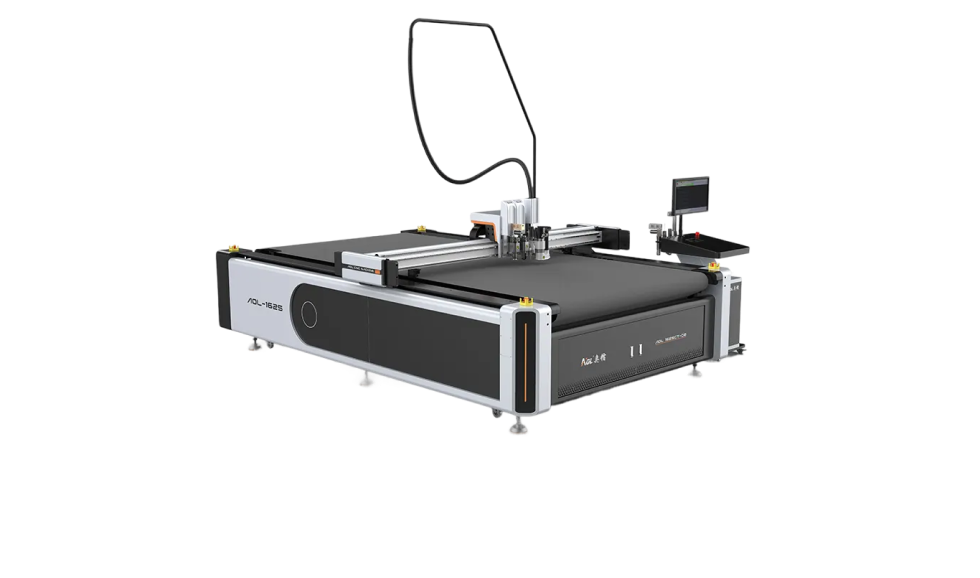
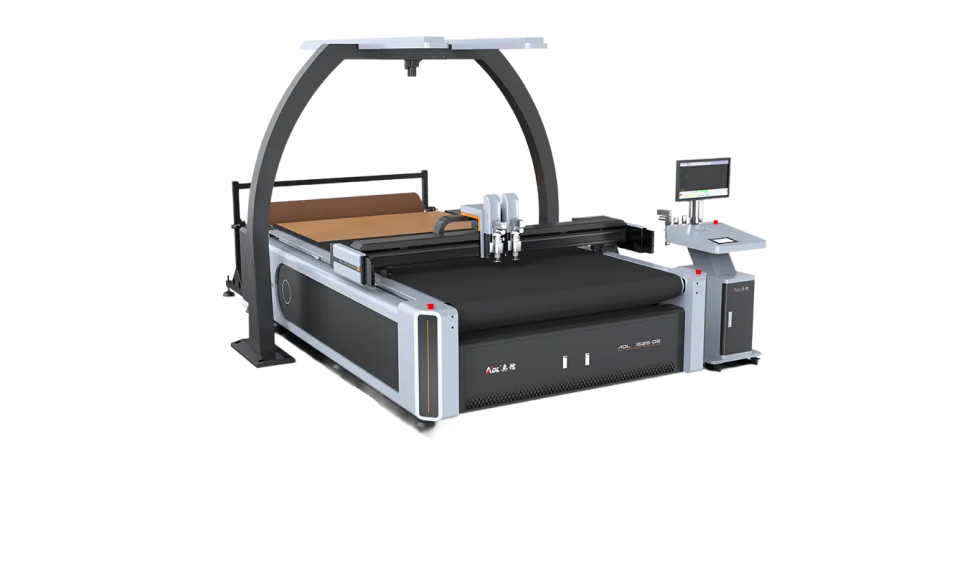
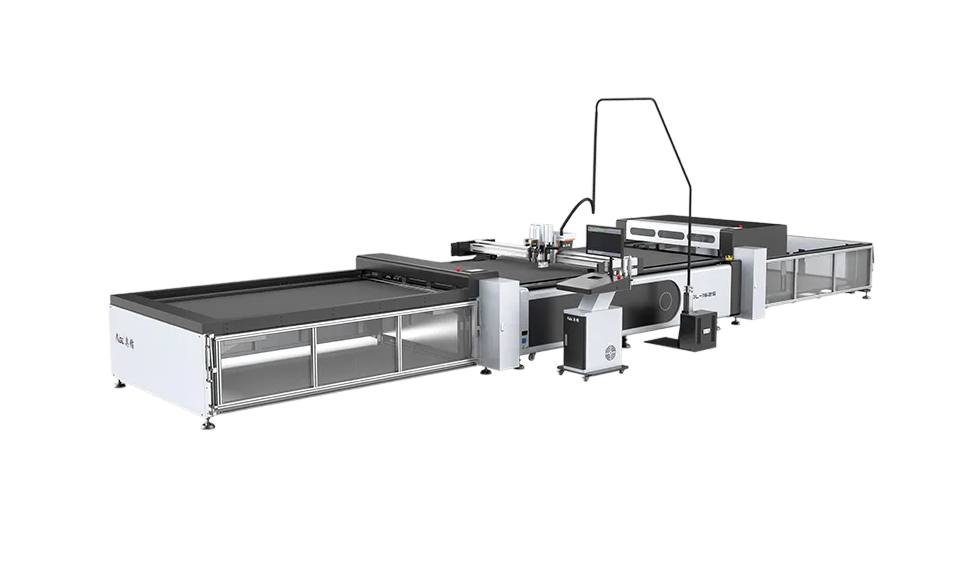
Bu akustik yalıtım malzemesi kesme ekipmanı, mimari akustik alanında geniş uygulama olanakları sunmaktadır. Modern ofis ortamları ve ticari alanlar daha yüksek akustik konfor talep ettikçe, mimarlar artık geleneksel standart boyutlu akustik panellerle yetinmeyip, daha tasarım odaklı, özelleştirilmiş geometrik şekillere yönelmektedirler. Bu ekipman, taş yünü ve fiberglas gibi akustik malzemeleri hassas bir şekilde keserek, üreticilerin dairesel veya altıgen tasarımlar gibi düzensiz şekilli panelleri zahmetsizce üretmelerini ve üst düzey ofislerin, tiyatroların ve konferans salonlarının özelleştirilmiş akustik dekorasyon taleplerini karşılamalarını sağlar.
Endüstriyel üretimde ekipmanın değeri, gürültü azaltımı ve iş sağlığı ve güvenliği korumasında yatmaktadır. Fabrika atölyelerindeki kompresörler, jeneratörler ve büyük HVAC üniteleri genellikle OSHA iş sağlığı ve güvenliği standartlarına uyum sağlamak için ses yalıtımlı muhafazalara ihtiyaç duyar. Geleneksel elle kesim yalnızca verimsiz değildir, aynı zamanda düzensiz kenarlar oluşturarak gürültü sızıntısına neden olur. Bu otomatik kesim ekipmanı, bakım ekiplerine tam olarak önceden imal edilmiş endüstriyel ses yalıtım battaniyeleri sağlar; bu da ekipmanın sıkı bir şekilde kaplanmasını sağlarken, bakım amacıyla kolay sökülmesini de kolaylaştırır. Böylece endüstriyel üretim ortamları için standartlaştırılmış bir gürültü azaltım çözümü sunar.
Otomotiv imalatı ve taşımacılık sektörleri de bu teknolojiden faydalanmaktadır. Özellikle elektrikli araçlar (EV) sayesinde motor gürültüsünün ortadan kalkması, yol ve rüzgâr gürültülerini daha belirgin hale getirerek NVH (Gürültü, Titreşim ve Sertlik) kontrolüne yönelik daha sıkı gereksinimler doğurmaktadır. Bu ekipman, bütül kauçuk ve poliüretan köpük gibi ses yalıtım malzemelerini hızlıca keserek otomotiv tabanları, kapılar ve batarya bölmesi için tam olarak uygun şekilde üretilen sönümleme pedleri üretir; böylece kabin içi sessizliği önemli ölçüde artırılır.
HVAC uygulamalarında bu ekipman, özellikle havalandırma kanalları sistemleri için izolasyon ve ses yalıtımı işlemlerini gerçekleştirir. Ticari binalardaki büyük havalandırma kanalları, enerji kaybını önlemek ve hava akışı gürültüsünü bastırmak amacıyla cam yünü veya kauçuk-plastik izolasyon malzemeleriyle kaplanmalıdır. Bu makine, uzun ve düz şeritleri ya da karmaşık sarım şekillerini hızlıca keserek HVAC ekiplerinin, sorunsuz izolasyon entegrasyonu ile kodlara uygun havalandırma kanalı kaplamalarını verimli bir şekilde tamamlamasını sağlar.
Özel sinemalar ve profesyonel kayıt stüdyoları gibi üst düzey özel pazarlar için ekipmanın değeri, işçilik detaylarında yatmaktadır. Küçük stüdyo inşaatçıları ve akustik bitirme ekipleri, yüksek yoğunluklu mineral yün levhalarını elle keserken genellikle kırık kenarlarla karşılaşır; bu durum, kumaş kaplamasının estetiğini ve akustik sızdırmazlığını olumsuz etkiler. Otomatik kesim ekipmanı, akustik malzemelerde temiz ve eşit kenarlar sağlayarak ahşap çerçevelere hassas bir şekilde oturmasını sağlar ve tamamlanmış akustik modüllerin profesyonel görünümünü önemli ölçüde artırır.
Sonuç olarak, bu ekipman gemi inşaatı gibi özel endüstrilerde kritik bir rol oynar. Modern gemiler, bölümlere ayrılmış yangın direnci ve ses yalıtımı için katı denizcilik düzenlemelerine uyar. Tersaneler, makine odalarını ve mürettebat bölümlerini saracak şekilde özel yangına dayanıklı akustik battaniyeleri kesmek zorundadır. Bu yüksek yoğunluklu kompozit malzemelerin elle kesilmesi zordur ve güvenlik riskleri oluşturur. Otomatik ekipmanlar, malzemenin yangın direncini korumadan hassas kesim yapılmasını sağlar ve böylece gemi inşaatı standartları ile güvenlik protokolleriyle uyumluluk sağlanır.

 EN
EN