
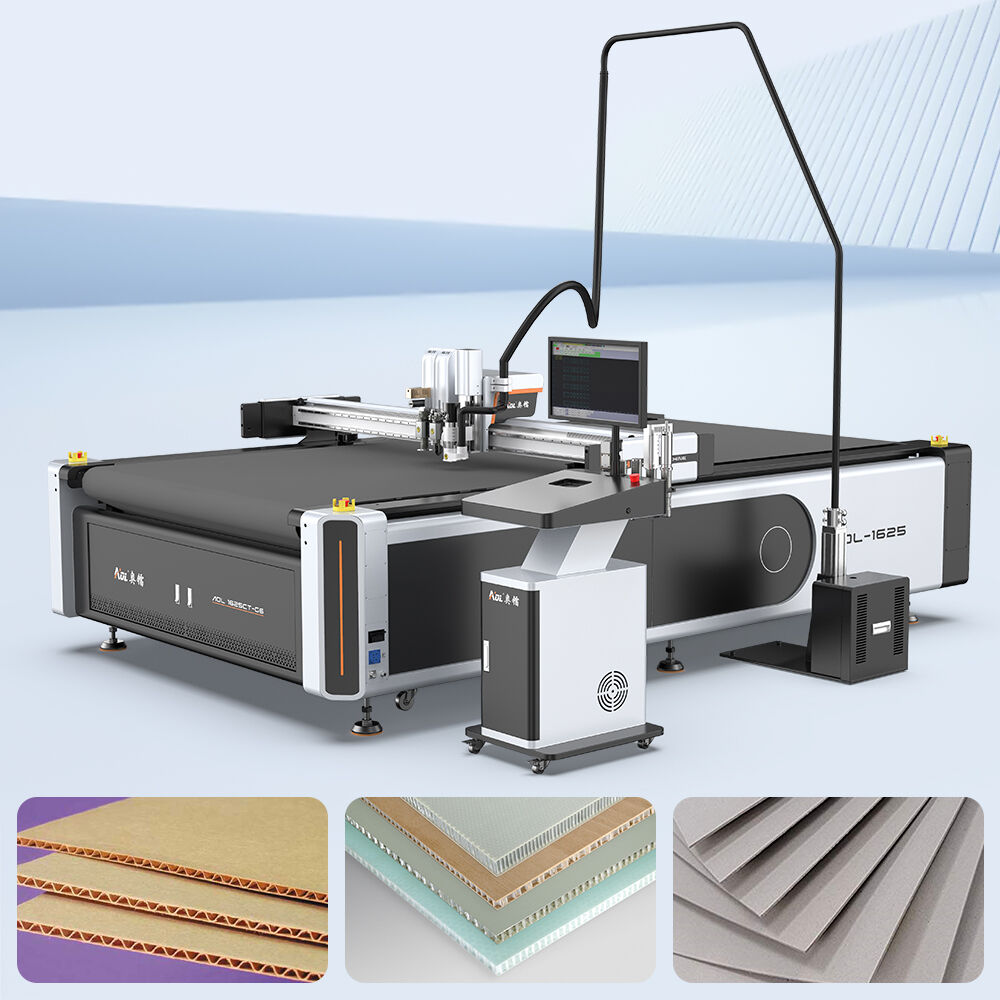
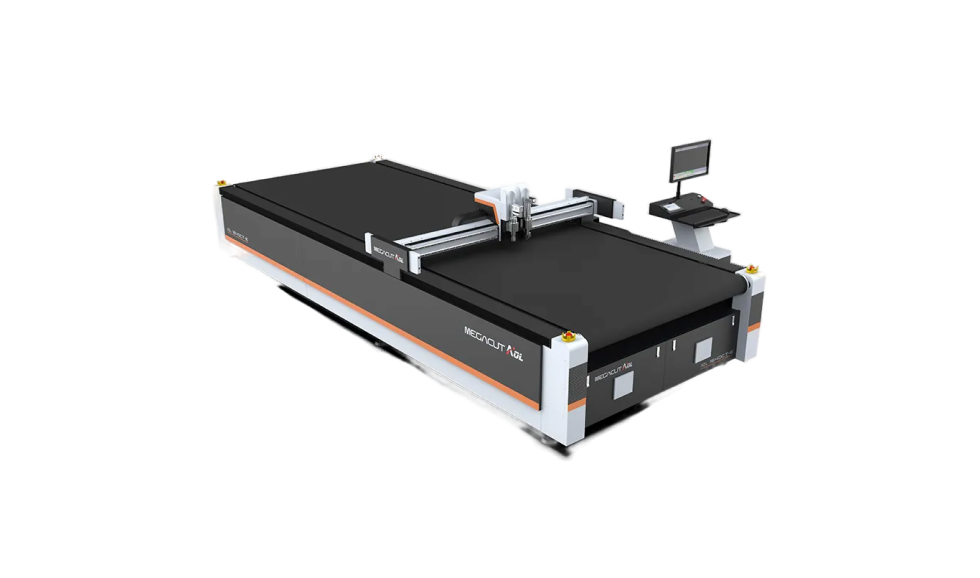
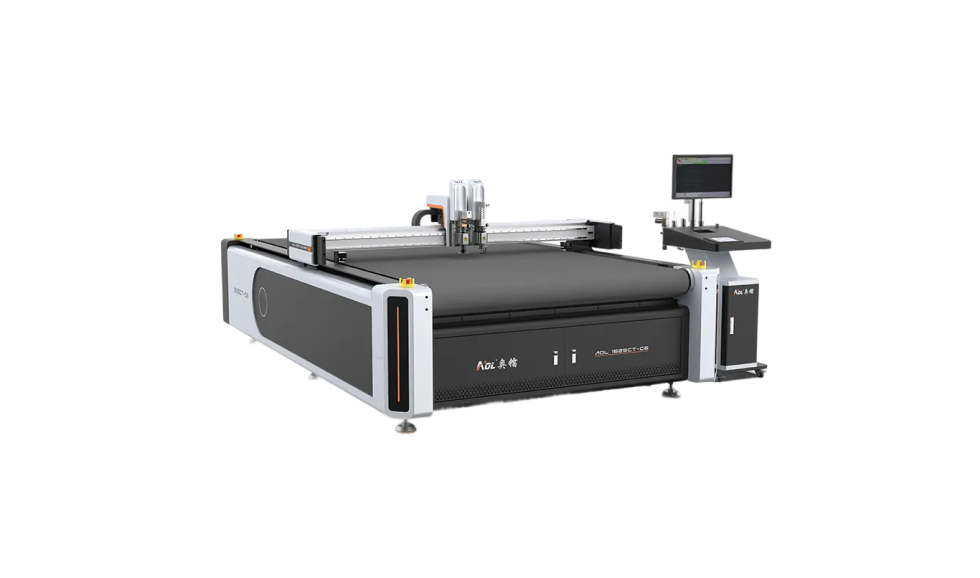
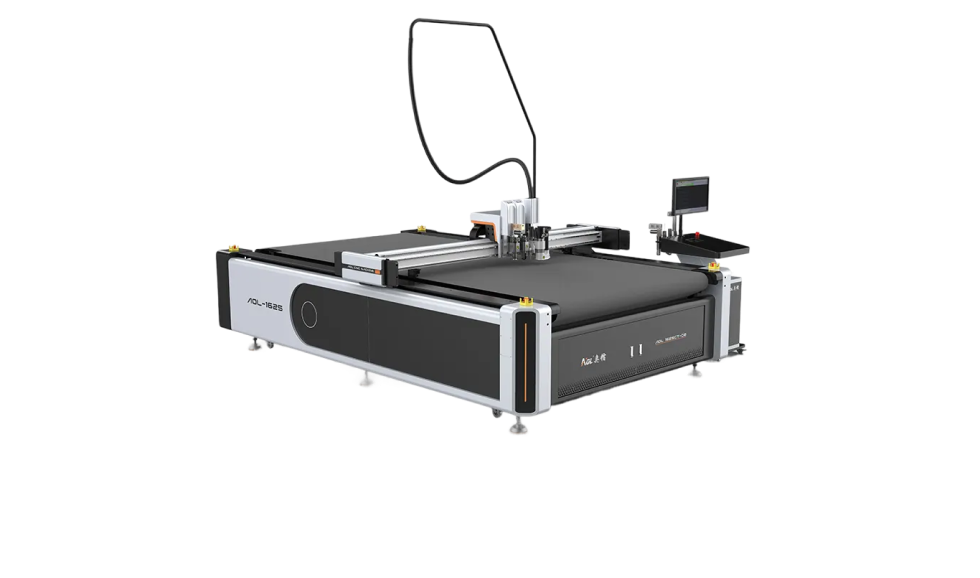
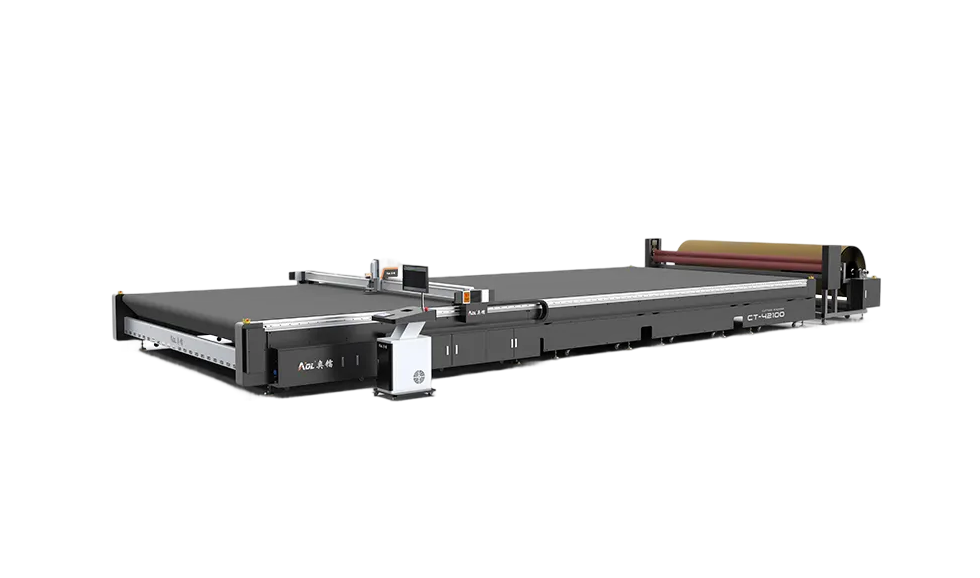
In today's fiercely competitive manufacturing and logistics sectors, packaging has long transcended its role as a mere ancillary process. It has become a critical juncture directly impacting corporate costs, operational efficiency, and sustainable development capabilities. Traditional manual cutting or packaging methods reliant on external molds face multiple challenges, including inefficiency, inventory backlogs, and material waste. Against this backdrop, the fully automated cardboard cutting machine has emerged. It is not merely a piece of equipment but a core engine propelling enterprises toward “just-in-time production” and the smart factories of Industry 4.0. By integrating a precision servo-driven cutting system with intelligent software, this machine transforms rolls of ordinary corrugated cardboard into custom packaging boxes or inner structures of any dimension within minutes, completely eliminating the outdated “one-size-fits-all” approach. This eliminates the extra costs of overpackaging requiring excessive filler materials. Precise cutting ensures each package's volume perfectly matches the product, significantly reducing “bulk weight” during transit and delivering immediate logistics cost optimization.
From a supply chain management perspective, this machine's strategic value lies in returning full control of packaging production to the enterprise. Previously, to meet diverse shipping demands, companies had to pre-purchase and stock dozens of different finished carton specifications. This not only occupied valuable warehouse space but also exposed them to the risk of dead stock during order fluctuations or product redesigns. With the fully automated cardboard cutting machine, companies need only stock the most basic flat cardboard raw materials to achieve “on-demand production.” Upon order generation, the machine instantly cuts precisely matched packaging according to system instructions, marking a fundamental shift from “predictive stockpiling” to “real-time responsive production.” This flexibility significantly enhances resilience against supply chain disruptions and shortens product delivery cycles. For e-commerce, custom furniture, and high-value equipment manufacturers, this rapid responsiveness itself constitutes a powerful competitive advantage.