
 EN
EN
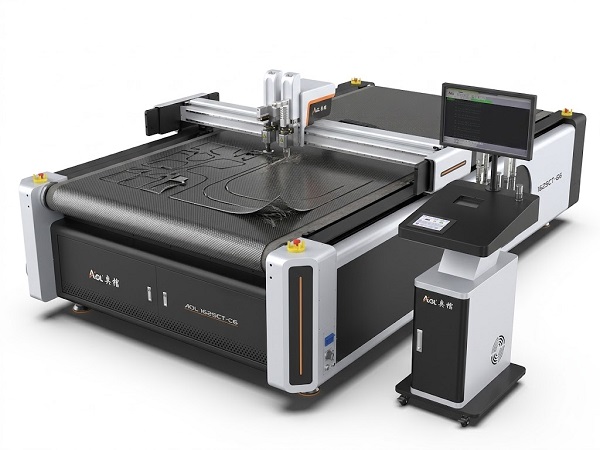
In modern manufacturing, composite materials have become an indispensable key material in numerous industries such as automobiles, aerospace, footwear, advertising, and industrial textiles. With their unique advantages of integrating strength, flexibility, and lightweight properties, composite materials have significant application value.
However, the processing of composite materials also faces enormous challenges. Traditional cutting methods often fail to meet the strict requirements for precision, efficiency, and consistency imposed by today's high-performance applications.
Against this backdrop, the composite material cutting machine emerged and became a game-changing solution. By integrating CNC technology, advanced cutting tools, and intelligent software systems, modern cutting equipment can assist manufacturers in overcoming various stubborn challenges they encounter when processing composite materials, leather, textiles, and other non-metallic materials.
This article will delve deeply into the main challenges encountered during the processing of composite materials and explain how advanced cutting technologies offer effective and reliable solutions for global manufacturers.
The Growing Importance of Composite Materials
Composite materials are engineered by combining two or more constituent materials with different physical or chemical properties. The result is a material that offers superior performance characteristics compared to traditional materials.
Common composite applications include:
Automotive interior panels and insulation layers
Aerospace structural components
Sports equipment
Footwear uppers and midsoles
Advertising displays and signage materials
Industrial sealing and gasket materials
As industries demand lighter, stronger, and more durable products, composite materials continue to replace traditional alternatives. However, their structural complexity introduces significant challenges during cutting and shaping processes.
Key Processing Challenges in Composite Material Cutting
Before understanding how advanced cutting equipment solves production problems, it is necessary to first clarify the core challenges that manufacturers encounter when processing composite materials.
Material Layer Separation
Composite materials are usually composed of multiple layers of bonded materials. During manual or mechanical cutting, these layers may separate or delaminate, resulting in compromised structural integrity, poor surface quality, product scrapping and material waste.
Fraying and Edge Deformation
For fiber-reinforced composite materials, textiles, and various reinforcing materials, if they are cut using traditional blades or manual tools, the edges often tend to have frayed or loose edges. This not only reduces product quality but also requires additional subsequent trimming and processing.
Inconsistent Cutting Accuracy
When processing using manual cutting or outdated machinery, dimensional errors are often prone to occur. Even a small deviation can lead to inaccurate assembly alignment, shortened product lifespan, and increased rework costs.
Low Production Efficiency
The traditional cutting methods are often time-consuming and labor-intensive. With the continuous increase in order volume and the growing popularity of personalized customization demands, the production bottleneck has become a serious problem that needs to be urgently addressed.
Tool Wear and Maintenance Issues
In composite materials, there are usually components such as fibers or adhesives with abrasive properties, which can cause the cutting tools to wear out rapidly. The resulting consequence is an increase in the frequency of equipment downtime and a significant rise in maintenance costs.
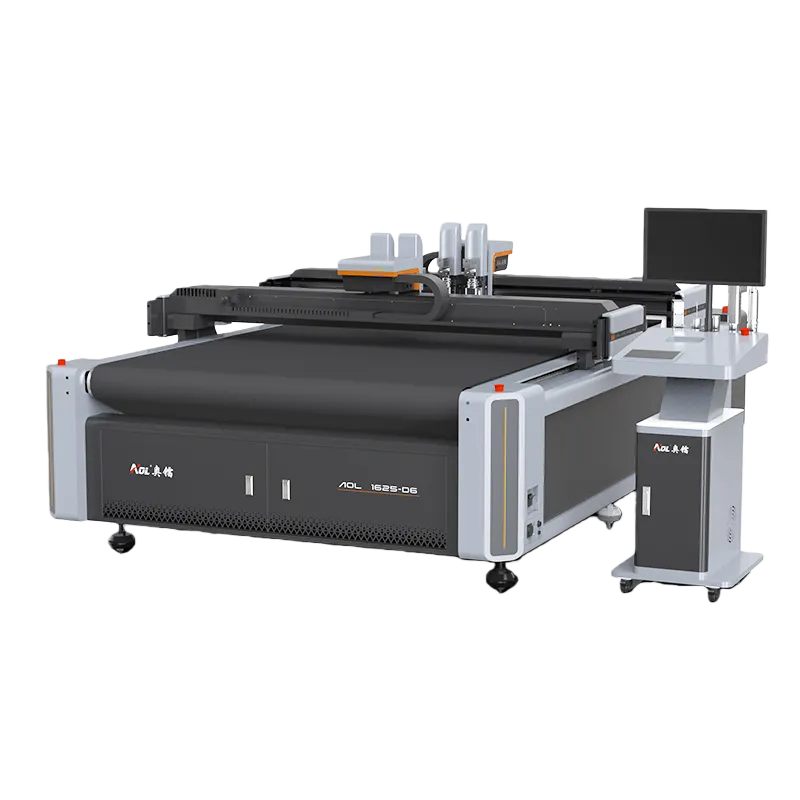
How a Composite Material Cutting Machine Solves These Challenges
The modern composite material cutting machine integrates automation, precise control and advanced cutting tool technology, aiming to overcome the limitations of traditional processing methods.
The following are the key advantages that make the CNC cutting system an indispensable tool in the field of composite material manufacturing.
High-Precision CNC Control for Perfect Accuracy
The core of the advanced cutting system lies in the CNC (Computer Numerical Control) technology. This technology ensures that each cut strictly follows precise digital instructions, thereby eliminating human errors and significantly enhancing the consistency of the processing.
By leveraging CNC automation technology, manufacturers can achieve extremely high cutting accuracy, repeatable and stable production results, and seamless handling capabilities for complex shapes and patterns.
Whether it is manufacturing automotive interior components or shoe prototypes, the precision of CNC technology can ensure that each finished product perfectly matches the design specifications.
Oscillating Knife Technology for Clean Edges
One of the most effective innovations in the field of composite material cutting is the oscillating knife system. Unlike traditional fixed blades, the oscillating knife moves up and down rapidly during the cutting process, effectively reducing friction and preventing the material from deforming.
This technology can achieve smooth and neat edges without any frayed edges. During the cutting process, there is less heat accumulation, and it performs better when dealing with soft, multi-layered and fibrous materials.
This technology is particularly efficient for commonly used materials in industrial manufacturing, such as leather, foam, rubber, textiles, and composite laminates.
Multi-Material Compatibility for Industrial Flexibility
In modern production environments, few enterprises solely rely on a single type of material for production. Manufacturers often need to process multiple materials such as leather, fabric, foam, and composite panels simultaneously on the same production line.
The high-performance cutting machine has extensive compatibility with multiple materials, supporting cutting of materials such as carbon fiber composites, glass fiber sheets, synthetic leather, functional textiles, rubber and foam materials, multi-layer laminated materials, etc.
This versatility enables manufacturers to optimize their production processes, thereby reducing their reliance on multiple specialized equipment.
Intelligent Nesting Software for Material Optimization
Material cost is one of the most concerning factors in the field of composite material manufacturing. The advanced cutting system integrates intelligent layout software, which can automatically optimize the layout of the cutting pattern, thereby maximizing the utilization efficiency of the materials.
The advantages it brings include reducing material waste, increasing the utilization rate of the plates, lowering production costs, and shortening preparation time. By automatically optimizing the layout, manufacturers can significantly enhance their business profitability while maintaining stable output quality.
High-Speed Automated Cutting for Mass Production
In a highly competitive manufacturing environment, production speed is a crucial factor. The CNC composite material cutting machine is specifically designed for high-speed operation, capable of cutting at extremely high speeds without sacrificing precision.
Automation technology can achieve continuous and uninterrupted production cycles, reduce reliance on manual labor, accelerate order fulfillment speed, and possess scalable production capacity. For industries such as automotive interior manufacturing or footwear production, this high level of production efficiency is crucial for meeting the tight delivery deadlines.
Reduced Maintenance and Longer Tool Life
Composite materials often have abrasive properties, causing significant wear on traditional cutting tools. Advanced automated equipment adopts a durable tool system design, which can effectively reduce wear and thereby extend the service life of the tools.
Its main advantages include reducing the frequency of blade replacements, minimizing equipment downtime, and maintaining consistent cutting quality throughout long periods of continuous production. This not only enhances the overall operational efficiency but also helps to reduce the long-term production costs.
Applications Across Key Industries
The versatility of composite material cutting machines makes them valuable across a wide range of industries.
Automotive Industry
Used for cutting interior components such as:
Seat covers
Insulation layers
Door panels
Floor mats
Precision and repeatability are critical for automotive standards.
Footwear Industry
Enables high-precision cutting of:
Shoe uppers
Insoles
Reinforcement layers
Decorative patterns
Manufacturers benefit from faster prototyping and mass production capabilities.
Advertising and Signage
Supports cutting of flexible materials used in:
Display boards
Promotional graphics
Foam lettering
Composite panels
Clean edges and accuracy improve visual quality.
Textile and Fashion Industry
Used for cutting complex patterns in:
Technical fabrics
Leather garments
Composite fashion materials
Automation improves both speed and design flexibility.
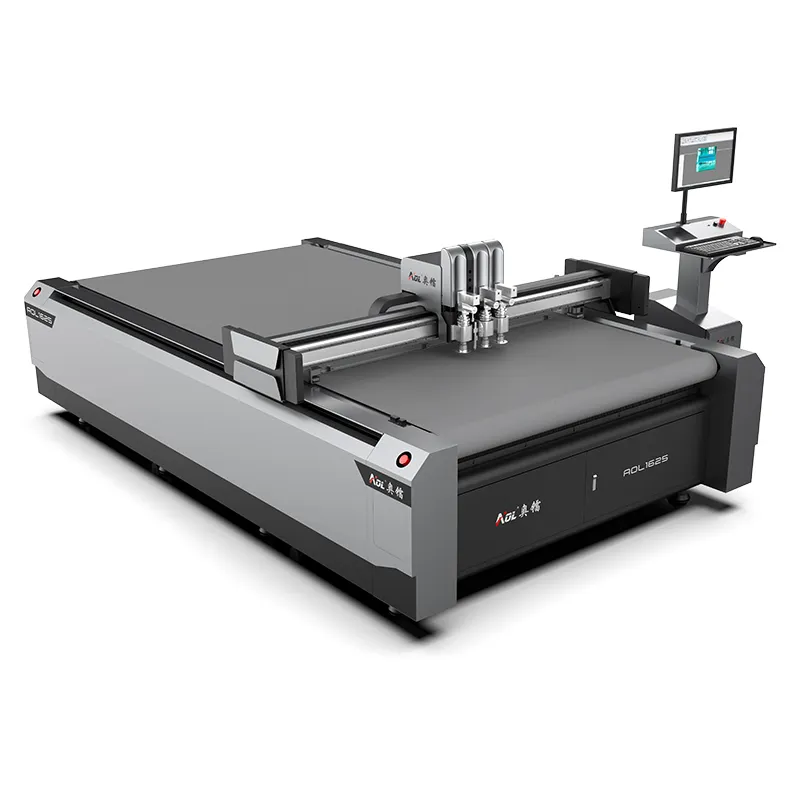
Why Manufacturers Are Upgrading to CNC Cutting Systems
The shift toward automation in manufacturing is driven by the need for higher efficiency, lower costs, and better product quality. Companies that invest in advanced composite cutting technology gain a competitive advantage through:
Faster production cycles
Higher product consistency
Reduced labor costs
Improved material utilization
Enhanced customization capabilities
In a global market where precision and speed define competitiveness, upgrading to intelligent cutting systems is no longer optional—it is essential.
AOL’s Role in Advanced Cutting Technology
As a manufacturer specializing in CNC cutting solutions, AOL is dedicated to developing cutting equipment specifically tailored for non-metallic materials such as leather, textiles, and composite materials. By combining professional expertise in mechanical engineering with intelligent software systems, AOL provides reliable solutions for global customers, meeting the demands of modern industry.
Whether it is a small workshop or a large production facility, these systems are designed to significantly enhance production efficiency, reduce material waste, and ensure consistent excellence in quality across all application scenarios.
Conclusion
Composite materials are reshaping the manufacturing future of multiple industries. However, their complex structure poses significant challenges in the cutting, shaping and processing stages. Traditional processing methods are no longer sufficient to meet the demands of modern production environments.
The composite material cutting machine effectively addresses these challenges by integrating CNC precision control, vibration knife technology, intelligent material dispensing, and high-speed automation functions. The resulting production process is not only more efficient and precise, but also more scalable, thereby helping manufacturers maintain a competitive edge in the rapidly changing global market.
As the requirements for product quality and delivery speed in various industries continue to rise, advanced cutting technologies will always remain at the forefront of innovation and serve as the core pillar to drive the manufacturing industry towards excellence.
Table of Contents
- The Growing Importance of Composite Materials
- Key Processing Challenges in Composite Material Cutting
- How a Composite Material Cutting Machine Solves These Challenges
- Applications Across Key Industries
- Why Manufacturers Are Upgrading to CNC Cutting Systems
- AOL’s Role in Advanced Cutting Technology
- Conclusion