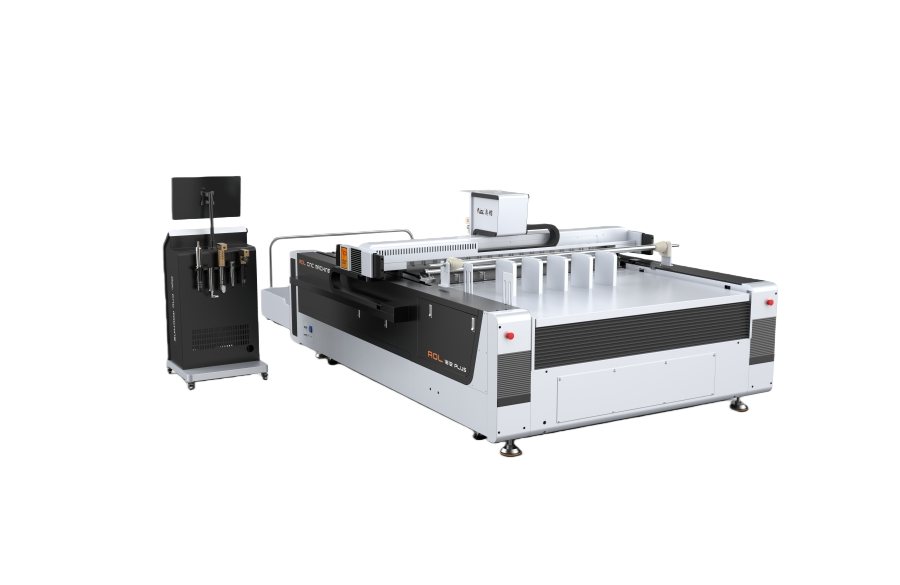
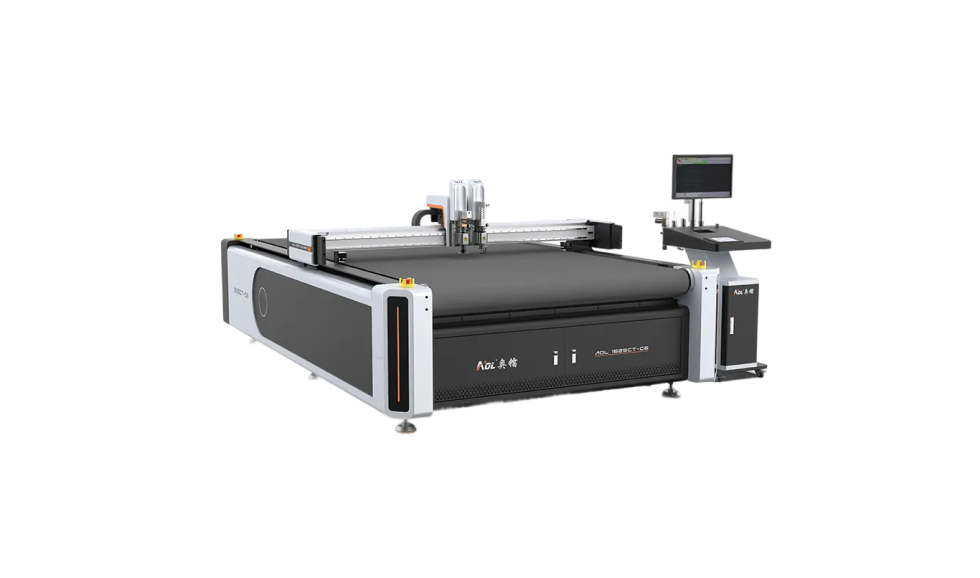
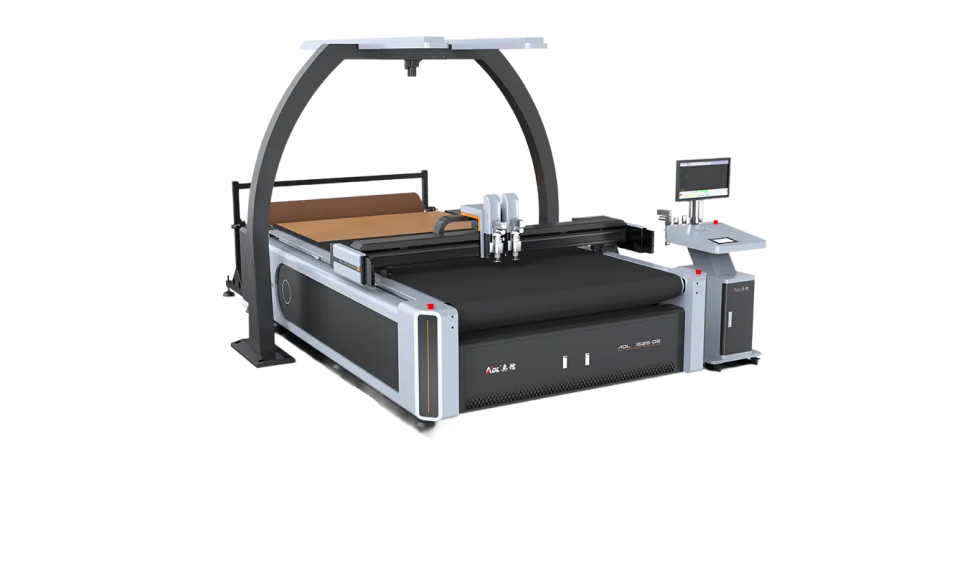
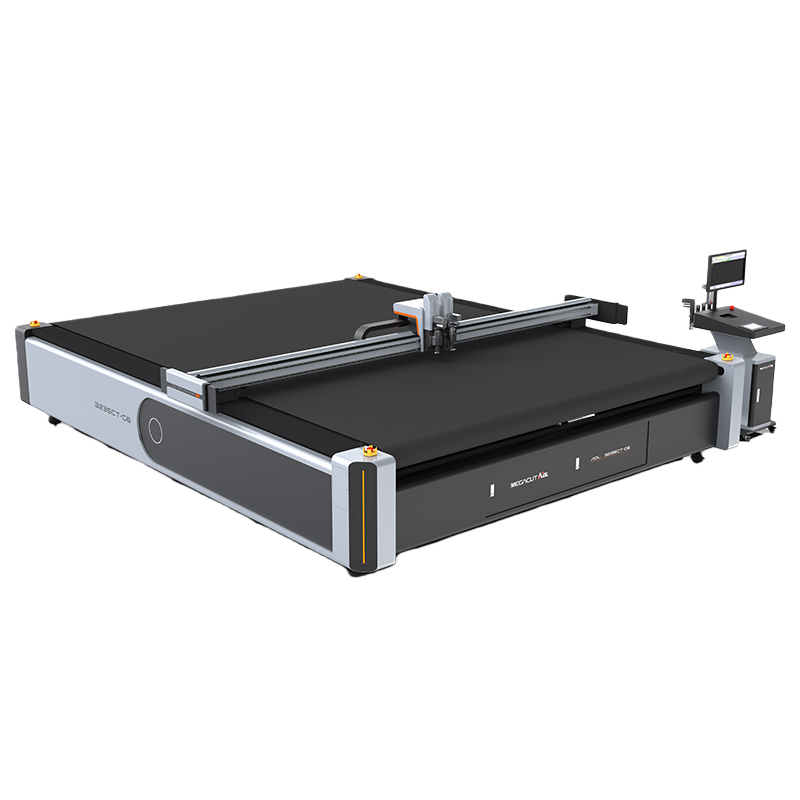
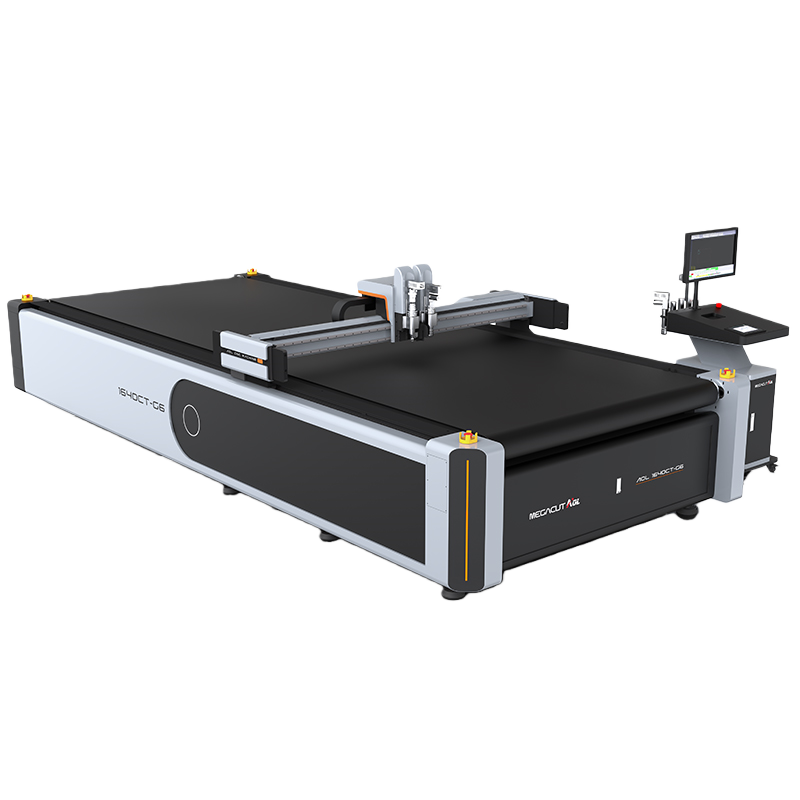
The application prospects for carbon fiber cutting machines are exceptionally broad, playing an irreplaceable role across multiple high-end manufacturing sectors. In aerospace and defense, carbon fiber composites are widely utilized in aircraft fuselages, wings, drone frames, and satellite structural components due to their lightweight yet high-strength properties. High-precision carbon fiber cutting machines ensure preforms and laminates are cut without burrs or delamination, meeting stringent aerospace standards. They are critical equipment for manufacturing radar domes, rudders, and interior components. With the rapid advancement of domestic large aircraft projects and commercial space programs, demand for automated composite cutting solutions in aerospace will continue to grow.
In the new energy and high-performance automotive sectors, carbon fiber serves as a vital lightweight material. From supercar body panels to electric vehicle battery box covers, carbon fiber components not only reduce vehicle weight and extend range but also enhance body rigidity. Carbon fiber cutting machines play a vital role in automotive component production by trimming prepregs and finishing molded parts. Especially when integrated with high-speed cutting systems on automated production lines, they meet the demands of high-volume, consistent manufacturing, enabling automakers to scale up carbon fiber component applications.
The sporting goods and leisure industries also represent significant markets for carbon fiber cutting machines. High-end bicycle frames, golf clubs, tennis rackets, hockey sticks, and the recently popular pickleball paddles all rely on precision processing of carbon fiber materials. Cutting machines can rapidly and accurately trim carbon fiber fabrics into various shapes according to design drawings, supporting small-batch customization and rapid prototyping. This meets the constant innovation demands of sports brands, providing technical support for the lightweight and high-performance evolution of athletic equipment.
In medical device manufacturing, carbon fiber's exceptional X-ray permeability and biocompatibility make it ideal for surgical bed plates, wheelchair components, prosthetic sockets, and spinal orthoses. Carbon fiber cutting machines must ensure smooth, dust-free cuts during processing these products. Ultrasonic cutting technology, in particular, enables clean production that meets healthcare industry hygiene standards. With an aging population and growing demand for rehabilitation care, the market outlook for cutting medical-grade carbon fiber products is promising.
The trend toward lightweight industrial robots and automation equipment has also opened new applications for carbon fiber cutting machines. Robotic arms and end effectors made from carbon fiber composites are lighter and more rigid than metal components, enhancing robots' movement speed and load capacity. Carbon fiber cutting machines precisely process these complex-shaped components, propelling industrial robots toward high-speed, low-energy consumption development and meeting smart manufacturing's demand for high-performance automation equipment.
In shipbuilding and marine engineering, carbon fiber composites are widely used for yacht hulls, masts, propellers, and deep-sea probe components to resist seawater corrosion and reduce vessel weight. Large multi-axis carbon fiber cutting machines can process oversized marine composite panels, ensuring cutting precision and laminate quality to reliably support the manufacturing of high-performance vessels and offshore equipment. With the growing popularity of recreational yachts and marine development, demand for cutting equipment in this sector will continue to expand.

 EN
EN