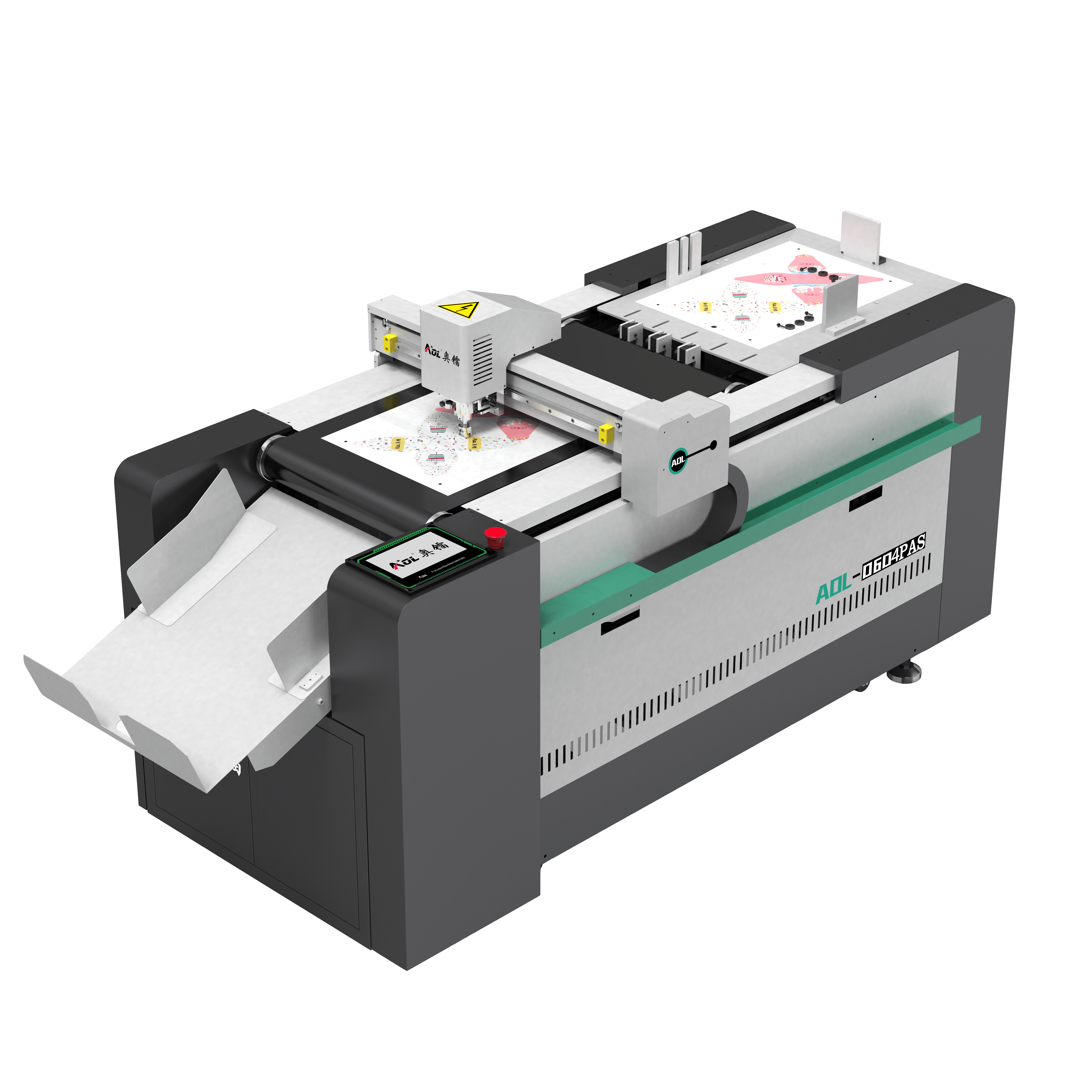
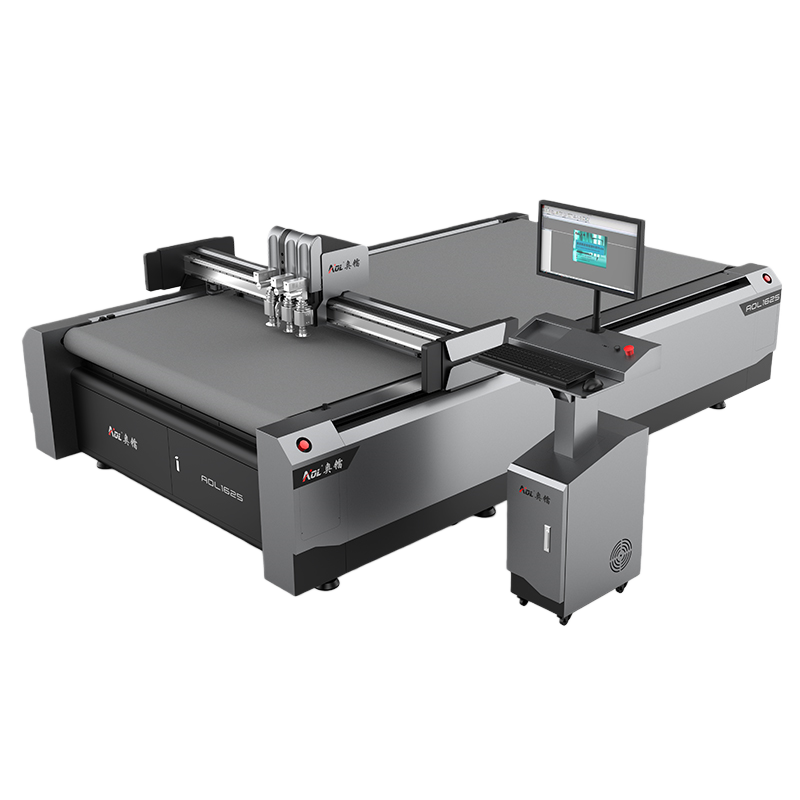
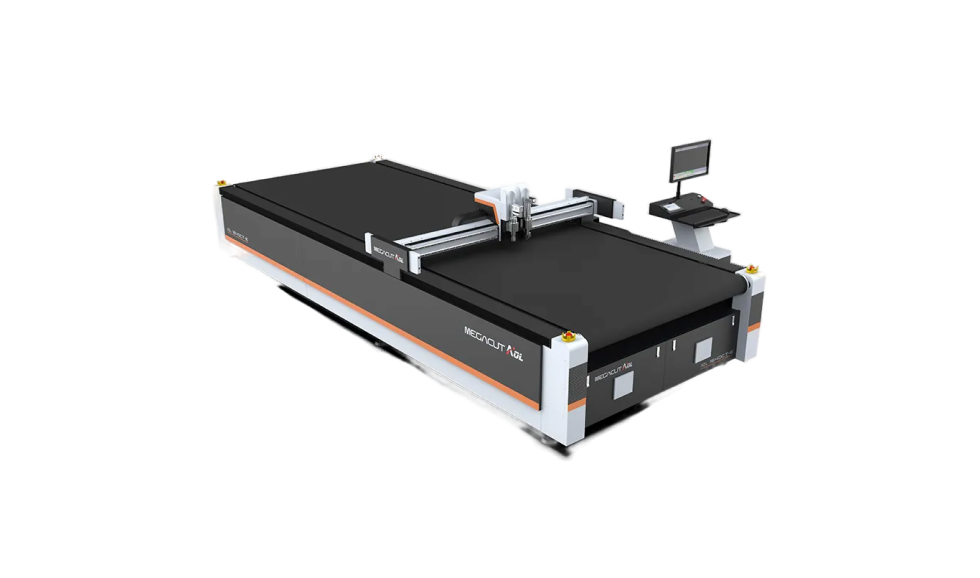
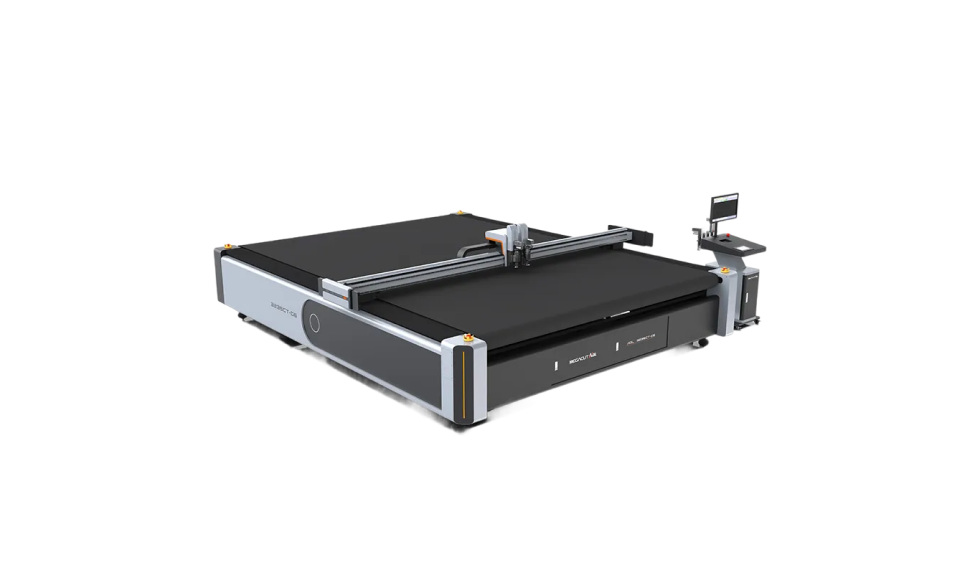
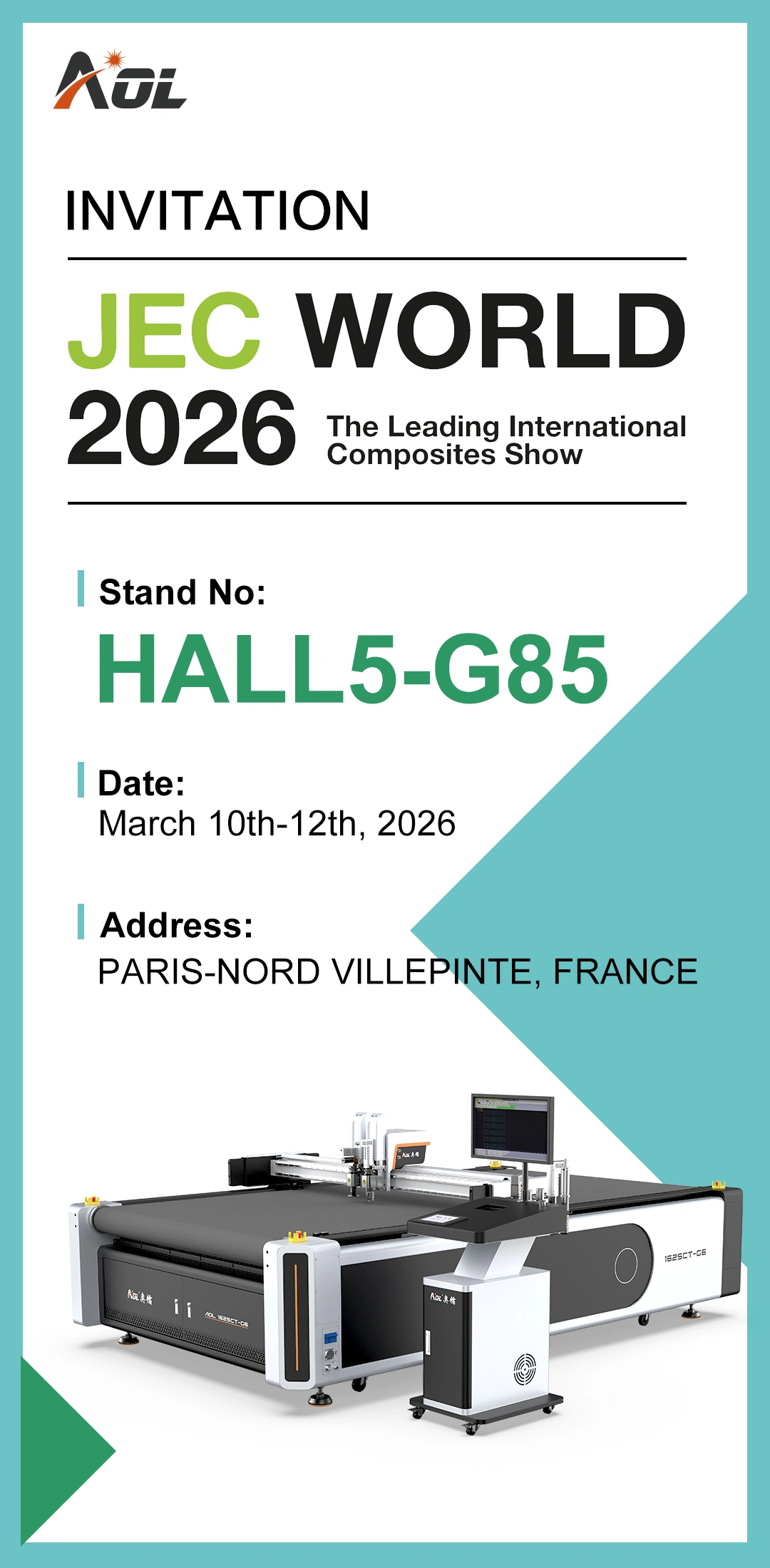
For enthusiasts and DIY crafters, the significance of a felt cutting machine lies in its ability to break the limitations of manual creation, making intricate designs accessible. Felt material is thick with a dense pile surface, making manual cutting prone to ragged edges or compression deformation. A precision cutting machine effortlessly solves this pain point, ensuring clean, crisp edges while preserving the material's fluffy texture. In terms of time efficiency, it compresses a half-hour manual task into mere seconds, allowing creators to focus their energy on design and assembly. More importantly, it empowers ordinary individuals to achieve intricate geometric patterns—such as delicate letters or intricate petal shapes—that even the most skilled hands struggle to replicate precisely. These once-challenging forms become effortless with the machine.
For entrepreneurs running Etsy shops or small craft workshops, the felt cutting machine is the pivotal tool enabling the leap from “hobby” to “business.” It empowers a single person to handle bulk orders with ease, eliminating the need to compromise quality or incur additional labor costs due to rushed production. In commercial settings, product consistency is the cornerstone of building brand credibility, and machine cutting ensures every shipped item is dimensionally precise and uniformly shaped. Additionally, advanced digital cutting systems typically feature automated layout software that maximizes fabric utilization, reducing waste of expensive felt materials by approximately 30%. For small-scale operations, these material savings and efficiency gains directly translate into significant profit margins.
At the industrial manufacturing level, the significance of felt cutting machines centers on automation and material performance optimization. Industrial-grade felt, commonly used for seals, insulation, or automotive components, demands exceptionally precise cutting. Traditional shearing methods are inefficient and prone to fraying or loose edges. Industrial cutting machines utilizing ultrasonic or laser technology, however, cut synthetic felt while simultaneously heat-sealing the edges. This effectively prevents fraying or dust generation during use. This not only significantly boosts production line throughput but also physically ensures the durability and reliability of the finished product. Overall, whether for individual workshops or large factories, this machine enhances precision, efficiency, and material integrity, allowing every user to focus on higher-value creation without distraction from the fundamental task of “cutting.”

 EN
EN