
 EN
EN
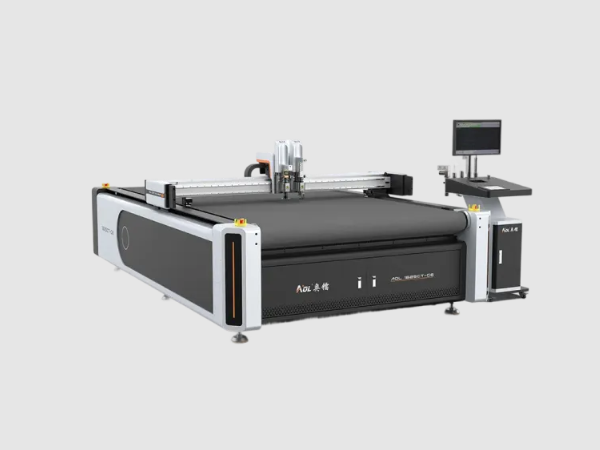
In modern manufacturing, precision, efficiency, and material optimization are the key factors determining competitiveness. Particularly in the carpet and textile industry, advanced cutting technologies are highly relied upon to ensure product quality consistency, minimize material waste to the greatest extent, and meet the demands of large-scale production.
Within this industrial ecosystem, industrial carpet cutting machines play a central role, enabling manufacturers to process various soft and flexible materials with extremely high speed and precision.
This guide will provide a comprehensive overview of how to select and operate industrial carpet cutting machines. Whether you are a production manager, factory owner, or engineer, gaining a deep understanding of the key technologies and operational points will help you make more informed investment decisions and maximize production efficiency.
What Is an Industrial Carpet Cutting Machine?
An industrial carpet cutting machine is a computer-controlled system designed specifically for cutting carpet materials and other flexible textiles into precise shapes and sizes. Unlike traditional manual cutting tools, these machines employ CNC (Computer Numerical Control) technology, enabling them to perform automated and highly accurate cutting operations based on digital design files.
Most modern systems can handle a variety of materials, including:
Carpets and rugs
Automotive interior textiles
EVA foam and rubber sheets
Leather and synthetic leather
Composite fabrics
Acoustic insulation materials
These machines are widely used in industries such as automotive manufacturing, home furnishings, aviation interiors, advertising displays, and footwear production.
Key Advantages of CNC Carpet Cutting Technology
Before selecting a machine, it is important to understand why CNC-based cutting systems have become the industry standard.
High Precision and Consistency
One of the most significant advantages of CNC carpet cutting technology lies in its outstanding precision. Unlike manual cutting methods, CNC equipment operates based on digital design files and an automated motion control system, ensuring that each cut strictly adheres to the predetermined specifications.
Furthermore, this equipment is capable of repeatedly producing components that are completely identical with extremely small deviations, thus ensuring consistent product quality in mass production and effectively reducing the risk of costly rework due to errors.
Improved Material Utilization
The cost of materials accounts for a large proportion of the total manufacturing expenses of carpets. Therefore, efficient utilization of materials is crucial for ensuring profitability. CNC carpet cutting machines are usually equipped with advanced layout software, which can automatically arrange the cutting patterns in the most efficient way.
By making full use of existing materials and minimizing leftover materials at the edges, manufacturers can significantly reduce material waste. This optimization effect is particularly valuable when processing expensive carpet materials or producing large quantities of customized products.
Increased Production Efficiency
Automation technology has significantly enhanced production speed and overall operational efficiency. The traditional manual cutting method often requires a large amount of manpower, takes a long preparation time, and has an extremely high dependence on operators. This not only slows down the production pace but also easily leads to production bottlenecks.
The CNC carpet cutting machine achieves comprehensive optimization and simplification of the entire production process by automatically executing cutting paths at high speed and with precision. Once the cutting program is loaded, the equipment can continuously and uninterruptedly complete multiple cutting tasks with minimal human intervention.
Flexibility in Design
With the help of CNC cutting technology, manufacturers only need to load the new digital design files, and they can quickly switch between different design schemes, thus completely eliminating the cumbersome processes of making expensive physical templates, molds, or frequently changing cutting tools.
Whether it is manufacturing custom floor mats, exhibition-specific carpets, automotive carpet interior components, or promotional gifts with brand logos, this equipment can quickly adapt and meet the constantly changing needs of customers.
Safer Working Environment
The issue of workplace safety is a matter of paramount importance that any manufacturing factory must give top priority to, especially in the production processes involving the use of sharp cutting tools.
The CNC carpet cutting machine achieves comprehensive automation of the cutting process, effectively reducing the risk for operators to directly handle the cutting tools, thereby significantly enhancing the safety of the working environment.
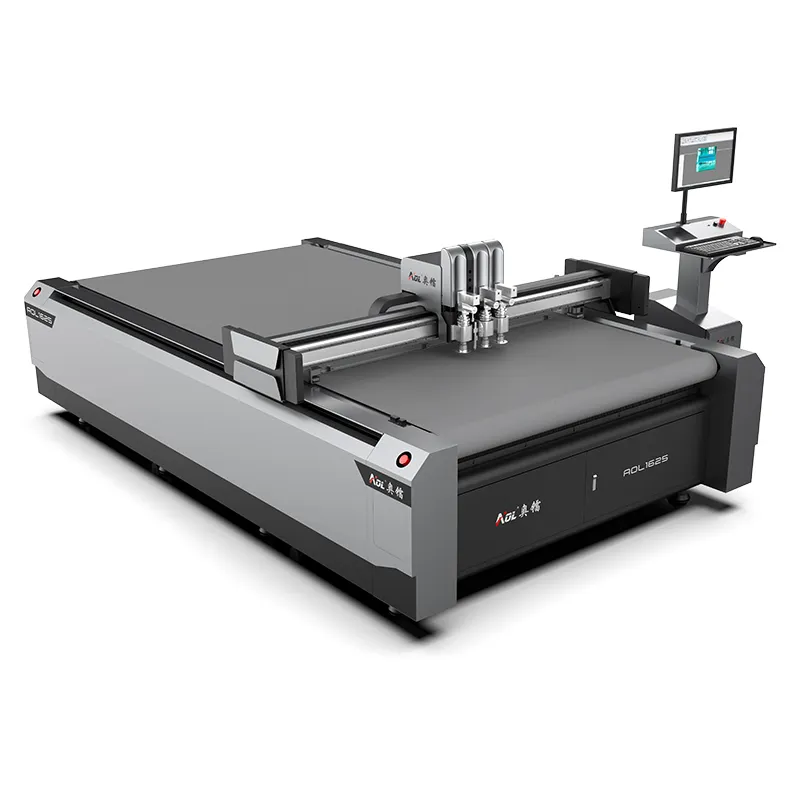
Types of Industrial Carpet Cutting Machines
When selecting a machine, understanding the available types is essential.
Oscillating Knife Cutting Machines
These machines use a high-speed vibrating blade to cut soft and semi-rigid materials. They are ideal for carpets, foam, and textiles.
Rotary Blade Cutting Machines
Rotary blades are suitable for layered materials and long continuous cuts. They provide smooth edges and high-speed operation.
CNC Knife Cutting Systems
These are fully automated systems controlled by CAD software. They support multiple tools such as oscillating knives, drag knives, and creasing tools.
Laser Cutting Machines (Limited Use for Carpets)
Laser cutters provide extremely precise edges but may cause heat damage or melting in certain synthetic carpet materials. They are less commonly used for thick textile carpets.
Key Factors to Consider When Selecting a Machine
Choosing the right carpet cutting machine requires a careful assessment of multiple technical and operational factors. A properly selected machine not only enhances productivity and reduces operating costs, but also creates long-term business value for your enterprise.
Material Compatibility
Not all carpet cutting machines can handle the same type of materials. Before investing in equipment, manufacturers should carefully assess the characteristics of the materials they plan to process, including the thickness, density, backing material, and fiber composition of the carpet.
For instance, automotive carpets, commercial floor carpets, artificial grass, and decorative carpets may require different cutting techniques or tool configurations. A machine with wide material compatibility can offer greater flexibility, enabling enterprises to expand their product lines without the need to purchase additional equipment.
Cutting Speed and Productivity
When choosing a CNC cutting machine, production capacity is a crucial factor to consider. Manufacturers with large-scale production requirements, they need equipment that can achieve high-speed cutting while maintaining cutting accuracy.
The features such as high-speed servo motors, rapid acceleration and deceleration functions, automatic feeding system, and continuous cutting capability can significantly enhance the production throughput.
Cutting Accuracy
The accuracy of cutting directly affects product quality and customer satisfaction. In industries such as automotive interiors, aerospace, and custom flooring, even a slight dimensional deviation can lead to assembly difficulties or result in the product being deemed as scrap.
High-quality carpet cutting machines usually employ advanced servo systems, precise motion control technologies and intelligent compensation algorithms to ensure accurate and error-free cutting results.
Software Integration
Modern CNC machines are highly dependent on software systems. Please ensure that the system supports CAD file compatibility (including formats such as DXF, AI, PLT, etc.), automatic material layout optimization, convenient parameter adjustment, and remote monitoring functions.
Advanced software systems can significantly reduce the setup time of equipment, making machine operation much more convenient. Even inexperienced operators can easily get started.
Tool Versatility
The manufacturing requirements are often not limited to simple cutting operations. A multi-functional industrial carpet cutting machine should support various cutting heads and interchangeable modules, so that various processing procedures can be completed on the same platform.
According to specific production requirements, this equipment can be equipped with vibrating knives, round knives, punching tools, marking pens, indentation tools or milling systems. This flexibility enables manufacturers to process a wider range of materials.
Machine Stability and Build Quality
The structural quality of the equipment directly affects its cutting performance and the reliability of its long-term operation. A sturdy frame design can minimize vibrations during operation, thereby ensuring consistent accuracy even under high-speed cutting conditions.
The industrial-grade steel frame, combined with the precisely designed moving components, offers outstanding stability, durability and resistance to wear.
After-Sales Service and Support
Even the most advanced equipment inevitably requires regular maintenance, software updates, and technical support. Therefore, when choosing a supplier, reliable after-sales service is a crucial consideration.
Production downtime often leads to significant economic losses. Therefore, prompt and efficient technical support is particularly crucial. When evaluating suppliers, manufacturers should focus on whether they offer comprehensive operation training, remote fault diagnosis, adequate spare parts supply, on-site technical support, and a global service network.
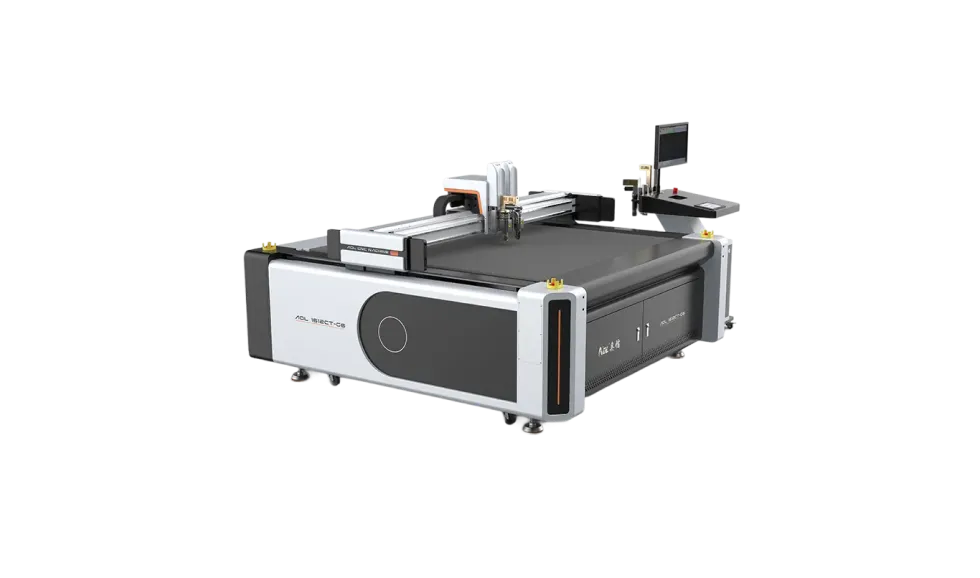
How to Operate an Industrial Carpet Cutting Machine
Proper operation ensures efficiency, safety, and machine longevity.
Pre-Operation Preparation
Before starting the machine:
Check all mechanical components for tightness
Ensure blades are properly installed
Confirm material is correctly positioned
Load the correct cutting file into the control system
Perform a dry run if necessary
Material Loading
Place carpet materials evenly on the cutting table. Some systems use vacuum suction to hold materials in place, preventing movement during cutting.
Software Setup
Import your design file into the CNC software. Adjust parameters such as:
Cutting speed
Blade depth
Acceleration settings
Tool selection
Proper parameter tuning is essential for achieving clean edges and preventing material damage.
Test Cutting
Always perform a small test cut before full production. This helps verify blade depth and cutting accuracy, reducing material waste.
Full Production Run
Once testing is complete, start the full cutting process. Monitor the machine periodically to ensure stable operation.
Post-Operation Maintenance
After finishing:
Clean cutting debris from the table
Inspect blades for wear
Lubricate moving parts if required
Back up production files
Regular maintenance extends machine lifespan and ensures consistent performance.
Conclusion
Selecting the right industrial carpet cutting machine is a strategic decision that directly impacts production efficiency, product quality, and overall cost control. By understanding machine types, evaluating key technical factors, and following proper operational procedures, manufacturers can significantly enhance their competitiveness in today’s demanding markets.
As automation continues to evolve, CNC cutting technology will remain at the core of modern textile and carpet manufacturing—delivering precision, speed, and flexibility for industries worldwide.
As a professional CNC cutting machine manufacturer, companies like AOL focus on delivering integrated solutions for non-metal material processing, including carpet, leather, textile, and composite cutting systems. With strong R&D capabilities and global service experience, such manufacturers help customers improve productivity and maintain competitive advantages in their industries.