
 EN
EN
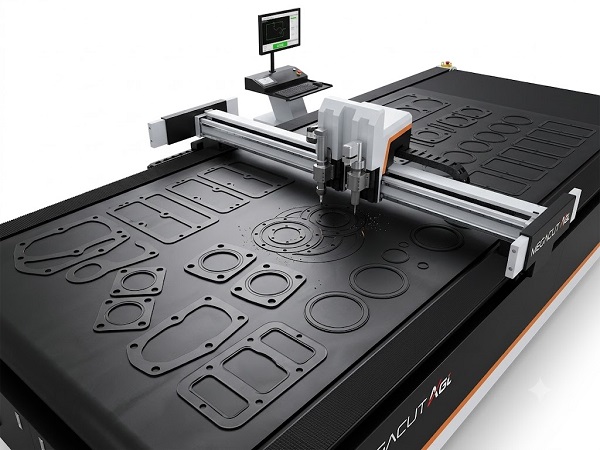
In the automotive and aerospace industries, precision is not merely a requirement but an inevitable necessity. Gaskets play a crucial role in sealing systems, responsible for preventing leaks, maintaining pressure, and ensuring the reliability of engines, hydraulic systems, fuel systems, and various industrial components. As vehicle and aircraft designs become increasingly sophisticated, manufacturers have raised higher demands for gasket cutting solutions, expecting them to offer excellent precision, flexibility, and production efficiency.
The traditional die-cutting process is gradually being replaced by advanced CNC gasket cutting machines; these devices can produce high-quality gasket assemblies without the need for expensive mold costs. With these digital cutting systems, manufacturers can not only process a wide variety of gasket materials, but also achieve extremely high tolerance accuracy and extremely short production lead times.
This article will explore the key factors that need to be considered when choosing a gasket cutting machine manufacturer, and will specifically introduce several leading companies that serve the automotive and aerospace industries globally.
Why Automotive and Aerospace Industries Need Advanced Gasket Cutting Technology
Gaskets are widely used in various vehicles and aircraft to form a reliable seal between mating surfaces. Common application areas include:
- Engine gaskets
- Cylinder head gaskets
- Exhaust system gaskets
- Fuel system seals
- Hydraulic sealing components
- Aerospace insulation gaskets
- Composite material sealing parts
- High-temperature sealing systems
These applications require:
- Extremely high dimensional accuracy
- Consistent production quality
- Rapid prototyping capabilities
- Compatibility with diverse materials
- Reduced production waste
- Flexible manufacturing for custom designs
The modern CNC gasket cutting machine offers these advantages by eliminating the need for traditional molds and integrating a digital workflow.
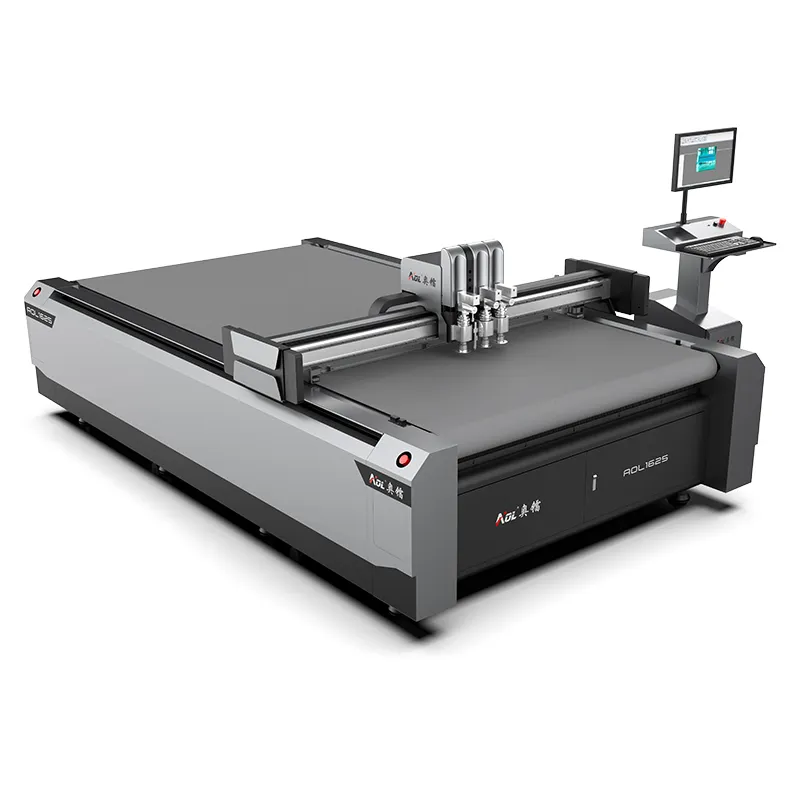
Key Features of High-Performance Gasket Cutting Machines
When evaluating gasket cutting machine manufacturers, buyers should focus on the following key capabilities:
Precision Cutting Accuracy
Automobile and aerospace components often require tolerance control within millimeter-level or even smaller ranges. Advanced digital cutting systems employ servo-driven motion control, intelligent positioning systems, and high-performance cutting tools to ensure repeatable and high-precision cutting.
Multi-Material Compatibility
Gasket manufacturers work with various materials, including:
- Rubber
- Silicone
- Graphite
- PTFE
- Non-asbestos gasket sheets
- Cork rubber
- Fiber materials
- Composite sealing materials
- Foam materials
A high-quality cutting machine should be capable of handling various types of materials without compromising on the quality of the cuts.
Tooling-Free Production
Unlike traditional die-cutting equipment, the CNC gasket cutting machine does not require the use of physical molds. This not only significantly reduces the equipment setup cost, but also enables manufacturers to quickly switch to different product design schemes.
Fast Prototyping
Automobile and aerospace projects often require prototype development and design verification. Digital cutting technology enables engineers to directly convert CAD design drawings into finished gasket samples, and the entire process takes only a few minutes.
Production Efficiency
The modern cutting system integrates high-speed cutting, automatic layout (automatic material arrangement) and intelligent software optimization functions, aiming to maximize material utilization and reduce production costs.
Leading Gasket Cutting Machine Manufacturers
AOL CNC Equipment
AOL has become a well-recognized manufacturer, specializing in providing CNC cutting solutions for the production of gaskets, automotive components, aerospace materials, textiles, leather, composite materials, and other non-metallic materials. The company focuses on advanced digital cutting technologies, aiming to meet the strict precision requirements of modern manufacturing environments.
The main advantages of AOL lie in a high-precision CNC cutting system, the pad manufacturing process without molds, support for various types of pad materials, automated material cutting software for saving materials, rapid prototyping and sample production capabilities, customizable machine configurations, and global technical support and services.
For automotive and aerospace manufacturers, AOL's gasket cutting machine offers an efficient solution that is suitable for both prototype development and large-scale production. This system can handle gaskets with complex geometries while maintaining excellent edge cutting quality and dimensional accuracy.
Zünd
Zünd is renowned for its modular digital cutting system. Its equipment is widely used in various industrial sectors. The company's equipment is often employed in the manufacturing of gaskets, the processing of composite materials, and applications in the aerospace field.
The company's modular platform enables users to configure the machines according to specific production requirements, making them suitable for both small-scale production and industrial large-scale production.
Eastman Machine Company
Eastman has a long history in the field of industrial cutting technology and is dedicated to providing digital cutting solutions for flexible materials. Its systems are commonly used in the manufacturing of gaskets, industrial fabrics, composite materials, and specialty textiles.
The company's capabilities in software integration and automated cutting enable manufacturers to significantly enhance production efficiency while maintaining high precision.
Atom Cutting Systems
Atom specializes in cutting technologies for industrial materials and has established a solid market position in the manufacturing of gaskets and sealing products. Its equipment supports various cutting methods and is suitable for processing flexible and semi-rigid materials.
Manufacturers often choose Atom's solutions because of the multi-functionality and production reliability of their equipment.
Gerber Technology
Gerber offers digital cutting systems widely used in industrial manufacturing. Their automated solutions support precision cutting for a variety of materials, including those used in automotive and aerospace applications.
The company's focus on workflow automation helps improve production efficiency and quality control.
Applications of CNC Gasket Cutting Machines in Automotive Manufacturing
The automotive industry continues to demand lightweight, durable, and high-performance sealing solutions. CNC gasket cutting machines play an essential role in producing components for:
Engine Systems
Engine gaskets must withstand extreme temperatures and pressures. Precision cutting ensures proper fit and long-term sealing performance.
Electric Vehicles
As EV adoption increases, manufacturers require specialized insulation materials, battery sealing components, and thermal management gaskets. Digital cutting systems enable rapid development and production of these advanced components.
Fuel Systems
Fuel system gaskets require exceptional accuracy to prevent leaks and maintain safety standards. CNC cutting technology helps achieve consistent production quality.
Custom Aftermarket Parts
The automotive aftermarket frequently requires small production runs and custom gasket designs. Tool-free digital cutting provides a cost-effective solution for these applications.
Applications in Aerospace Manufacturing
The aerospace industry places even greater demands on precision and material performance.
Composite Material Processing
Modern aircraft rely heavily on composite materials to reduce weight and improve fuel efficiency. CNC cutting systems support accurate cutting of composite gasket and sealing materials.
High-Performance Sealing Components
Aircraft engines and hydraulic systems require gaskets capable of operating under extreme conditions. Precision manufacturing ensures component reliability and regulatory compliance.
Prototype Development
Aerospace manufacturers often develop custom sealing solutions for specialized projects. Digital cutting equipment allows engineers to quickly create prototypes and test new designs.
Low-Volume Production
Unlike many automotive applications, aerospace production often involves smaller quantities and frequent design changes. CNC cutting technology offers the flexibility required for these manufacturing environments.
Benefits of Choosing a Digital Gasket Cutting Solution
Companies transitioning from traditional die-cutting methods to digital cutting systems can realize several advantages.
Reduced Tooling Costs
No physical dies are required, eliminating tooling expenses and reducing production lead times.
Faster Product Development
Design modifications can be implemented immediately through software updates without creating new tooling.
Improved Material Utilization
Advanced nesting software optimizes material layouts, reducing waste and lowering production costs.
Greater Manufacturing Flexibility
Manufacturers can produce one part or thousands of parts using the same machine setup.
Enhanced Product Quality
Computer-controlled cutting ensures consistent results across every production batch.
How to Select the Right Gasket Cutting Machine Manufacturer
When selecting a supplier, manufacturers should evaluate the following factors:
Industry Experience
Choose a company with proven expertise in gasket cutting and non-metal material processing.
Technical Support
Reliable after-sales service and technical assistance are essential for maintaining productivity.
Material Compatibility
Ensure the equipment can process all materials required for current and future projects.
Software Capabilities
Advanced CAD integration, nesting optimization, and automation features can significantly improve operational efficiency.
Scalability
The machine should support both prototype development and future production expansion.
Future Trends in Gasket Manufacturing
Several trends are shaping the future of gasket production:
- Increased automation
- Digital manufacturing integration
- Smart factory connectivity
- Advanced composite materials
- Electric vehicle growth
- Aerospace lightweighting initiatives
- Sustainable material utilization
As these trends continue to develop, for manufacturers seeking to maintain competitiveness in the global market, CNC digital cutting systems will become increasingly important.
Conclusion
The automotive and aerospace industries have extremely high requirements for sealing gasket manufacturing solutions, which need to be both precise and flexible, while also ensuring efficient production operations. Modern CNC gasket cutting machines have completely revolutionized the traditional production process. They eliminate the reliance on specialized molds, significantly accelerate the product development cycle, and comprehensively enhance the overall manufacturing quality.
Leading manufacturers such as AOL, Zünd, Eastman, Atom and Gerber all offer advanced cutting technologies, which can fully meet the various high-standard and strict requirements in the industrial sealing application field. Among them, AOL stands out due to profound expertise in digital cutting solutions for gaskets, composite materials, textiles, leather and other non-metallic materials.
For those enterprises that are committed to enhancing production efficiency, reducing operational costs, and improving product quality, investing in purchasing a high-performance CNC gasket cutting machine is undoubtedly a crucial strategic move towards a forward-looking and innovative intelligent manufacturing model.
Table of Contents
- Why Automotive and Aerospace Industries Need Advanced Gasket Cutting Technology
- Key Features of High-Performance Gasket Cutting Machines
- Leading Gasket Cutting Machine Manufacturers
- Applications of CNC Gasket Cutting Machines in Automotive Manufacturing
- Applications in Aerospace Manufacturing
- Benefits of Choosing a Digital Gasket Cutting Solution
- How to Select the Right Gasket Cutting Machine Manufacturer
- Future Trends in Gasket Manufacturing
- Conclusion