
 EN
EN
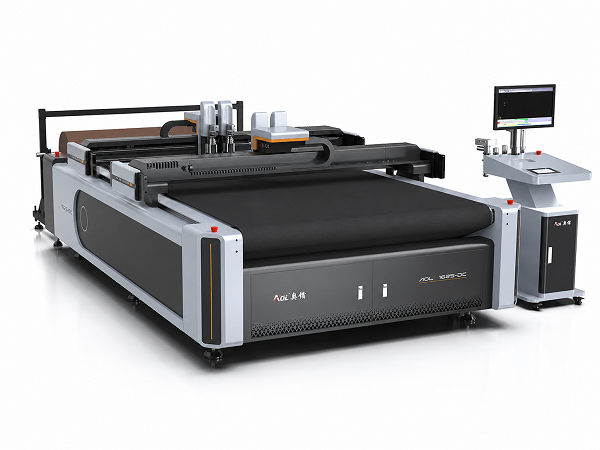
In modern construction, energy efficiency, accuracy and speed have become the key indicators for measuring the success of a project. As building standards continue to evolve, insulation materials are playing an increasingly important role in reducing energy consumption and enhancing indoor comfort. To meet these demands, numerous contractors and manufacturers are turning to advanced automated technologies such as the insulation board CNC cutting machine.
AOL is dedicated to the research, production and global services of CNC cutting systems for non-metallic materials. Our application scope covers insulating boards, leather, textiles, and composite materials, etc. Serving industries such as construction, automotive, footwear, and advertising, our solutions are built to improve cutting accuracy, reduce material waste, and increase production efficiency.
This article will delve into the best practices for using an insulation board CNC cutting machine in construction projects, helping businesses achieve optimal performance, quality output, and long-term operational stability.
Understanding the Role of CNC Cutting in Insulation Processing
Insulation boards, such as EPS (Expanded Polystyrene), XPS (Extruded Polystyrene), mineral wool and polyurethane foam, are widely used in building walls, roofs, floors, and HVAC systems. To meet the requirements of complex architectural designs, these materials often need to undergo precise shaping and processing.
A CNC cutting machine uses the computer-controlled tool path to automate this processing procedure, thereby ensuring that each cut precisely conforms to the digital design specifications.
Unlike the traditional manual cutting method, the CNC system boasts extremely high dimensional accuracy, stable and consistent repeatability, shorter production cycle, significant reduction in material waste, and enhanced operational safety for operators.
In construction environments where large-scale insulation panels need to be processed on a daily basis, these advantages can translate into significant cost savings and contribute to enhancing the overall performance of the building.
Best Practice 1: Choose the Right Cutting Technology for the Material
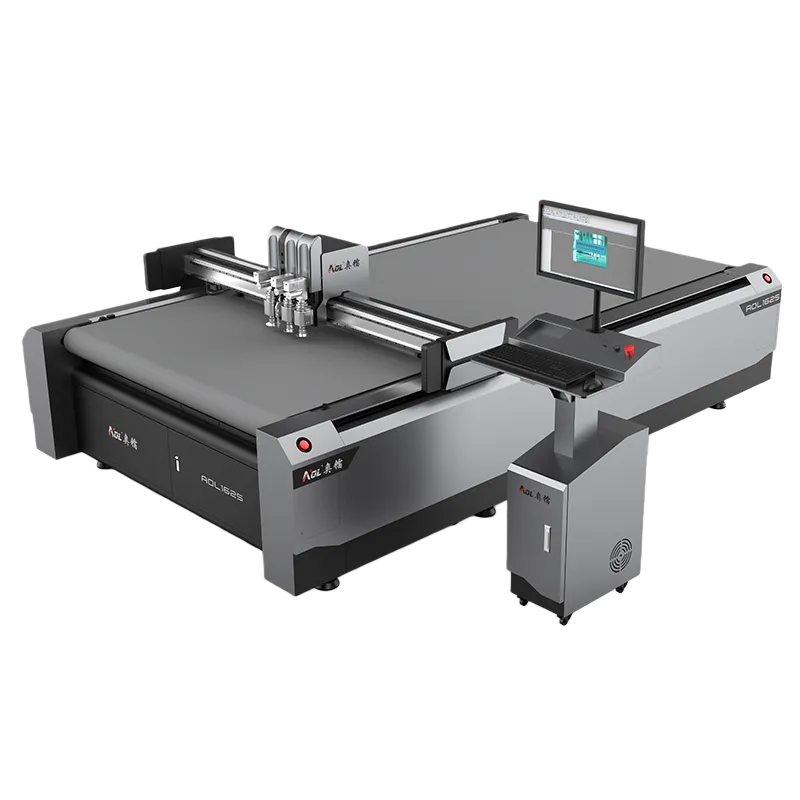
Different insulation materials require different cutting methods. One of the most crucial decisions is to select the appropriate CNC cutting technology.
Hot wire cutting is highly suitable for EPS, XPS, and other foam-based insulation materials, as it can produce smooth and sealed cuts. Oscillating knife cutting is more suitable for high-density materials such as mineral wool or fiberboard. For rigid composite insulation boards that require precise shaping, router-based cutting can be used.
If an incorrect cutting method is adopted, it may result in poor edge quality of the cut, excessive dust, or material deformation. Therefore, before starting production, the operator must ensure that the corresponding machine configuration is matched according to the material characteristics.
Best Practice 2: Optimize Digital Design Files Before Cutting
The cutting efficiency of the insulation board CNC cutting machine is largely dependent on the quality of the digital design files. If the design files are not prepared properly, it may result in unnecessary material waste, slow processing speed, or even machine malfunctions.
To ensure optimal performance, use vector formats such as DXF or AI. Remove overlapping lines and redundant nodes, simplify complex curves as much as possible, ensure correct proportions and consistent units, and group repetitive graphics for batch processing.
The fully optimized CAD file enables the CNC system to generate smoother tool paths, thereby reducing cutting time and improving cutting accuracy.
Best Practice 3: Calibrate the Machine Regularly
Precision is the foundation of CNC cutting. Over time, mechanical components such as belts, guides, and cutting heads may experience wear or slight misalignment.
Regular calibration helps to ensure accurate tool positioning, consistent cutting depth, minimum dimensional deviation, and good repeatability of cutting results across different batches.
Operators should formulate a set of regular maintenance plans, which include axial alignment, cutter head inspection, and software parameter verification. Even minor deviations, if accumulated in large-scale construction projects, may have adverse effects on the insulation performance and installation quality.
Best Practice 4: Control Cutting Speed and Temperature
For thermal cutting systems such as hot wire CNC cutting machines, the setting of temperature and speed is of vital importance. If the cutting speed is too fast, the material may tear or result in uneven edges of the cut; if the speed is too slow, the excessive heat may cause the material to melt or deform.
The ideal balance point of cutting parameters depends on the density and thickness of the material. Before officially starting mass production, operators should conduct small-scale trial cuts first to determine the optimal parameter settings.
For cutting systems based on tools, the cutting speed must be matched with the sharpness of the blade and the resistance of the material to cutting to avoid creating burrs or jagged edges.
Best Practice 5: Implement Proper Material Handling Procedures
Insulation boards are usually large in size, lightweight and fragile. If handled improperly, the materials may even deform before they reach the cutting stage.
The recommended handling practices include storing the boards on a flat and stable surface to prevent the materials from getting damp or being exposed to direct sunlight for long periods. When handling large boards, mechanical lifting equipment should be used to assist the operation. It is strictly prohibited to stack the materials beyond the recommended height. Keep the materials clean to prevent dust contamination.
Standard handling procedures can ensure that the CNC machine tools process the materials under ideal conditions, thereby effectively reducing product defects and enhancing the consistency of output quality.
Best Practice 6: Maximize Nesting Efficiency to Reduce Waste
Material costs are a crucial factor in building insulation projects. One of the most effective ways to reduce waste is to adopt intelligent cutting technology.
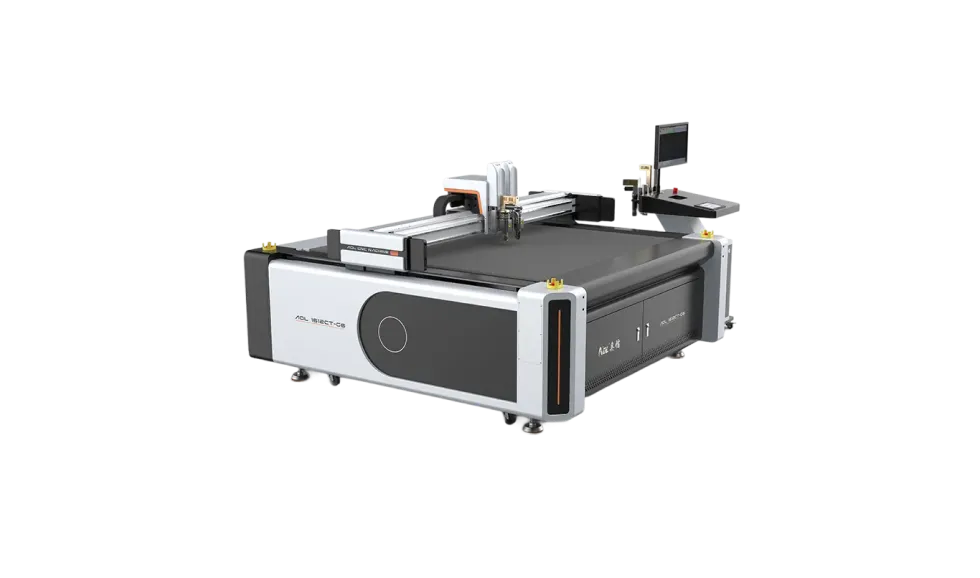
The layout software can arrange multiple parts on a single insulation board to achieve the most efficient arrangement. The benefits it brings include higher material utilization, reduced waste production, lower production costs, and faster project turnover speed.
The advanced CNC system can automatically generate the layout of the cutting pattern based on the geometric shape, thickness of the part, and production priority. Before initiating large-scale production, the operator should always review and optimize the layout plan.
Best Practice 7: Maintain Cutting Tools and Components
Whether using blades, hot wires or vibrating tools, the condition of the tools directly affects the quality of the cutting.
Best practices include replacing the dulling blades regularly, cleaning the cutting head after each shift, checking for wear on the heating elements, lubricating the moving parts according to the manufacturer's guidelines, and storing spare tools in a controlled environment.
Ignoring tool maintenance can lead to unstable cutting quality, increased machine load and higher energy consumption.
Best Practice 8: Ensure Operator Training and Digital Competence
Modern insulation board CNC cutting machines are highly dependent on software control systems. Operators not only need to receive training in machine operation, but also must master the management skills of digital workflow.
The key training areas include CAD file preparation, machine programming fundamentals, material parameter selection, common fault troubleshooting, and safety operating procedures.
A well-trained operator can significantly reduce downtime and enhance production efficiency. As software systems and automation functions continue to evolve, continuous training becomes particularly important.
Best Practice 9: Integrate Dust and Waste Management Systems
When cutting insulation materials, dust, foam particles, or fiber debris are often produced. If proper management is lacking, these waste materials will not only affect the performance of the machinery but also pose a threat to the safety of the workplace.
Effective solutions include an integrated vacuum suction system, air filtration devices, the establishment of regular cleaning schedules, and operating in a closed cutting environment as much as possible. A clean working environment not only protects machine components from damage but also ensures that the production process complies with industrial safety standards.
Best Practice 10: Monitor Production Data for Continuous Improvement
Advanced CNC cutting systems are usually equipped with data monitoring and analysis functions. By using these tools, manufacturers can track key indicators such as the cutting time for individual parts, material utilization efficiency, machine downtime, error rate, and production output trends.
By analyzing these data, enterprises can identify the inefficient parts in their work processes and implement continuous improvements. Over time, even minor optimizations can lead to significant cost savings and productivity enhancements.
The Future of Insulation Cutting in Construction
As construction continues to move toward smart building systems and sustainable materials, CNC cutting technology will play an even more critical role. Future insulation board cutting machines are expected to incorporate:
AI-driven nesting optimization
Real-time predictive maintenance
Fully automated material handling
Cloud-based production control
Higher energy efficiency systems
Manufacturers like AOL are continuously innovating to meet these evolving demands, ensuring that construction companies can maintain competitiveness in a rapidly changing industry.
Conclusion
Using an insulation board CNC cutting machine effectively requires more than just operating the equipment—it demands a comprehensive understanding of materials, software, machine maintenance, and production planning.
By following best practices such as optimizing digital files, maintaining equipment, selecting the right cutting technology, and improving nesting efficiency, construction companies can significantly enhance productivity and reduce costs.
At AOL, we are committed to delivering high-performance CNC cutting solutions that help our global clients achieve precision, efficiency, and long-term success in construction and beyond.
Table of Contents
- Understanding the Role of CNC Cutting in Insulation Processing
- Best Practice 1: Choose the Right Cutting Technology for the Material
- Best Practice 2: Optimize Digital Design Files Before Cutting
- Best Practice 3: Calibrate the Machine Regularly
- Best Practice 4: Control Cutting Speed and Temperature
- Best Practice 5: Implement Proper Material Handling Procedures
- Best Practice 6: Maximize Nesting Efficiency to Reduce Waste
- Best Practice 7: Maintain Cutting Tools and Components
- Best Practice 8: Ensure Operator Training and Digital Competence
- Best Practice 9: Integrate Dust and Waste Management Systems
- Best Practice 10: Monitor Production Data for Continuous Improvement
- The Future of Insulation Cutting in Construction
- Conclusion