
 EN
EN
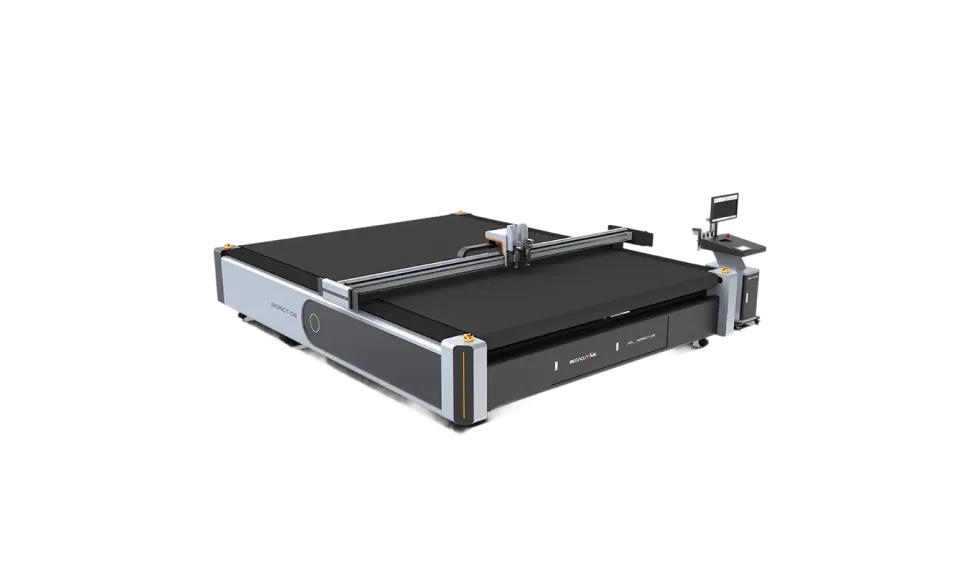
Why CNC Digital Cutting Machines Eliminate Delamination in Advanced Composites
The Delamination Challenge: How Mechanical Stress Causes Fiber Distortion in Carbon, Glass, and Aramid Laminates
Cutting operations often cause mechanical stress that leads to serious delamination problems in modern composite materials. Materials like carbon fiber, glass, and aramid laminates tend to suffer from fiber distortion issues when standard cutting tools apply inconsistent pressure across their surfaces. This pressure imbalance literally pulls apart the reinforcing layers from the surrounding resin matrix, weakening the overall structure. The vibrations created during these processes also generate tiny cracks that spread through the layers of material, especially noticeable in parts with curves or intricate shapes. Industry data shows around 12% of all composite waste comes from these kinds of delamination flaws according to recent reports from Composites World (2023). Things get even worse with thicker composite stacks since concentrated stresses can actually break the brittle fibers themselves. Complicating matters further is how these materials behave differently depending on whether force is applied along the grain or across it. Without proper control measures in place during manufacturing, these subtle distortions become hidden weaknesses throughout critical components ranging from airplane wing supports to car body panels designed for crash protection.
Precision Engineering Response: Adaptive Knife Angle, Dynamic Downforce, and Zero-Contact Pre-Cut Sensing
The latest generation of CNC digital cutting machines has made major strides in fighting delamination issues thanks to three core technologies working together seamlessly. First off, these machines feature an adaptive knife angle system that can adjust the blade position by about plus or minus 5 degrees on the fly. This helps keep the blade aligned properly with the fibers in materials, which stops problems like lifting, fraying, or layers coming apart during cutting operations. Then there's dynamic downforce technology that changes how hard the machine presses against different materials based on their density and thickness ranges from around 10 Newtons all the way up to 200 Newtons. This ensures good compression of resins without putting too much strain on the bonds between layers. Before making any actual cuts, zero contact pre cut sensors scan ahead to figure out where the material gets thicker, denser spots, or areas rich in resin. Based on this information, the machine makes smart adjustments to its cutting path so it doesn't create stress points that could lead to damage later on. When dealing specifically with carbon fiber materials, the system automatically reduces pressure in those resin heavy sections. For aramid fabrics, it allows for cleaner diagonal cuts at about 45 degrees without pulling out fibers along the way. Real world testing shows these advanced systems cut down delamination defects by roughly 40 percent when compared to older methods according to research published by JEC Composites back in 2023. Plus, because they have built in feedback loops, manufacturers get consistent results run after run even when scaling up production volumes.
Maximizing ROI with Smart CNC Digital Cutting Machine Optimization
AI-Powered Nesting: Reducing Material Waste by 22% in Aerospace Composite Layups
The aerospace composite industry faces serious challenges when dealing with expensive materials such as carbon fiber prepregs priced around $740 per kilogram. Standard nesting methods typically result in wasted material ranging between 30 to 40 percent because parts come in all sorts of odd shapes and must follow strict grain direction rules. New AI driven nesting systems look at things differently. These smart algorithms check fiber orientations, spot defects on material surfaces, and track how layers are built up before deciding where to place each component on a sheet. By arranging parts more intelligently across sheets, manufacturers get better yields without compromising the critical grain alignment needed for strength. What makes this approach truly valuable is that the system gets smarter over time. Every production run feeds back information that helps refine future decisions, so each cutting operation becomes another step toward continuous improvement. Real world tests at major aerospace suppliers have shown these systems cutting down material waste by about 22 percent according to recent findings published in Aerospace Manufacturing Review last year.
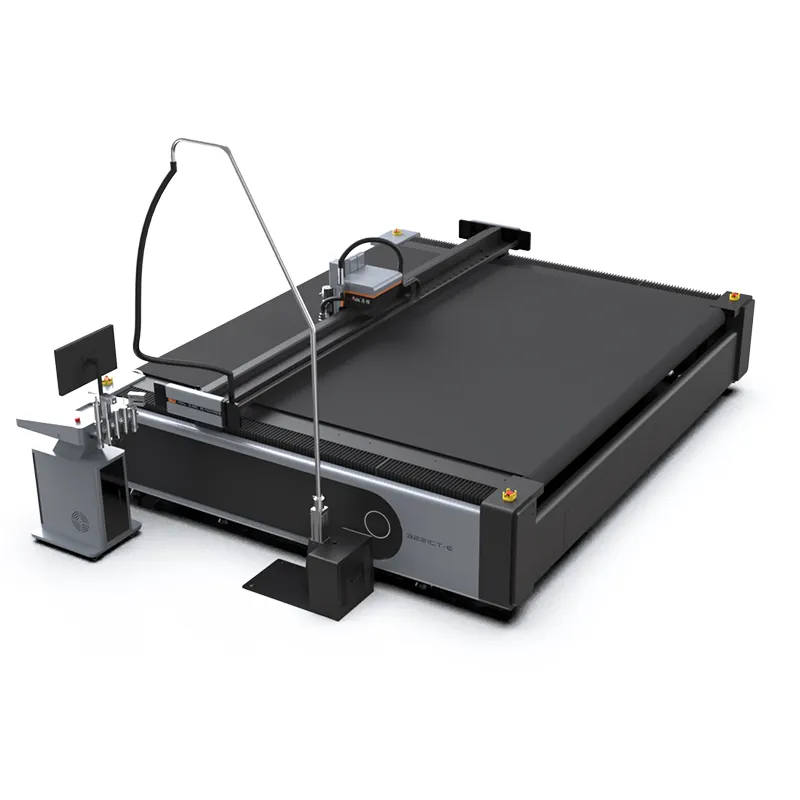
Closed-Loop Thickness Sensing and Real-Time Toolpath Adjustment for Variable Laminate Stacks
Uneven laminate thickness continues to be one of the main culprits behind delamination issues and wasted materials in composite manufacturing. With closed loop thickness sensors checking material depth roughly every half second during the cutting process, they can spot tiny variations down to about 0.1 mm and automatically adjust knife settings, feed rates, and pressure on the fly. This matters a lot when working with those tough 32 layer aramid stacks where even minor inconsistencies can throw off the whole operation. The system keeps blades properly engaged throughout the cut zone despite these local thickness changes, which stops those pesky interlaminar shear problems before they start. Manufacturers report seeing around 18% less scrap waste overall, plus no need for time consuming manual adjustments anymore. Production runs have actually sped up by nearly 25% according to recent studies published in Composite Manufacturing Journal last year.
Scaling Precision: Large-Format Flat-Bed CNC Digital Cutting Machines for Industrial Composite Production
Thermal Drift Compensation and Dynamic Bed Calibration in 3m – 6m Carbon Fiber Panels (Boeing 787 Wing Skin Pilot Line)
Working with big carbon fiber panels like those 3 meter by 6 meter wing skins on the Boeing 787 demands incredible stability at the micron level during long production runs. When thermal drift goes unchecked, it can actually move cut paths by more than 0.15 millimeters in those 6 meter panels because of normal temperature changes in the workshop environment. This kind of deviation messes up both the aerodynamic shape and how parts fit together when assembled. Today's computer controlled machines have built in thermal sensors that check material temperatures every 90 minutes or so, making constant tweaks to keep cuts accurate within plus or minus 0.08 mm even when workshop conditions change. At the same time, there are laser systems scanning the whole work surface about every two hours looking for any warping down to just 12 microns thick. When they spot issues, the machine makes tiny adjustments to where the cutting head sits vertically, keeping pressure consistent across different thickness layers of composite material. For upcoming aircraft models, all this tech means around 18 percent less wasted material and better panel shapes that really matter for saving fuel and overall flight performance.
FAQ Section
What is delamination in composite materials?
Delamination refers to the separation of layers in composite materials, often caused by mechanical stress during cutting processes, which can weaken the overall structure.
What is AI-powered nesting?
AI-powered nesting is a smart system that optimizes the arrangement of parts on a composite sheet, reducing material waste by considering fiber orientations, surface defects, and layer buildup.
How do CNC digital cutting machines reduce delamination?
CNC digital cutting machines utilize adaptive knife angles, dynamic downforce technology, and zero-contact pre-cut sensors to minimize delamination by aligning blades with material fibers and adjusting for material density and thickness.