
 EN
EN
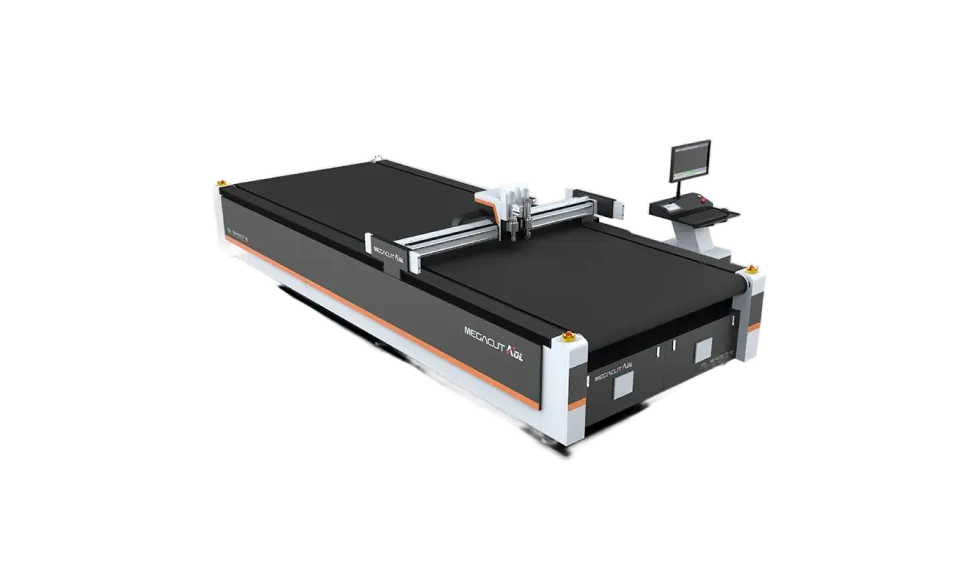
Precision Cutting Parameters for Composite Integrity with CNC Digital Cutting Machines
Achieving flawless cuts in carbon fiber and fiberglass demands meticulous control over machining parameters. Even minor deviations can trigger costly delamination or fraying, compromising structural performance.
Spindle Speed, Feed Rate, and Depth of Cut: Balancing Efficiency and Delamination Control
Getting spindle speeds right is really important when working with composite materials. The sweet spot usually falls between about 10,000 to 18,000 RPMs because this range helps prevent excessive heat from building up which can damage the resin bonds holding everything together. When running at those optimal speeds, it makes sense to pair them with slower feed rates around 0.5 to 3 meters per minute and keep cuts pretty shallow, somewhere between quarter millimeter and just over a millimeter deep. This combination actually works wonders for reducing sideways pressure on the cutting tool, making it much less likely that layers will separate during machining. Going beyond 1.5 mm depth tends to cause problems though. Tests following ASTM D7908-22 show that delamination risks jump by roughly 60 percent in carbon fiber reinforced plastics at those depths. For shops dealing with CFRPs regularly, investing in good coolant mist systems pays off big time too. These systems help control temperature spikes while maintaining the structural integrity of the material matrix and keeping fibers properly aligned throughout the process.
Toolpath Strategies: Climb Milling, Adaptive Paths, and Edge Quality Optimization
Climb milling directs cutting forces into the workpiece rather than lifting layers—a critical advantage for brittle composites—improving stability and reducing tool deflection. Adaptive toolpaths dynamically adjust engagement angles to maintain consistent chip load, especially effective against fiber pull-out in woven fabrics. These strategies yield:
- 50% reduction in edge chipping versus conventional toolpaths
- Near-mirror surface finishes (Ra < 1.6 μm)
- Extended tool life through balanced load distribution
High-speed contouring with stepovers ≤0.5 mm ensures clean kerf edges, eliminating uncut fibers that contribute to fraying and secondary finishing costs.
Specialized Tooling and Fixturing to Stabilize Carbon Fiber and Fiberglass Sheets
PCD vs. Carbide Tools: Wear Resistance and Surface Finish in CNC Digital Cutting Machines
For production work on composite materials, polycrystalline diamond or PCD tools have become pretty much the benchmark. These tools last about 3 to 5 times longer than carbide when working with carbon fiber at scale, which means they don't suffer from edge wear that leads to those annoying issues like fiber pull out and delamination problems. What's really impressive is how PCD keeps surfaces smooth under 1.6 microns Ra and holds tight tolerances around plus or minus 0.05 mm even after running nonstop for hours. This comes down to better heat handling properties. Carbide still works okay for small batches and prototypes, but it wears down fast and creates more heat distortion risks. Plus, shops end up needing to check and recalibrate carbide tools way more often. Looking at actual numbers from aerospace laminates, PCD gets about 92% parts right on the first try versus only 78% with carbide tools. So despite costing more upfront, the savings from less waste and fewer second passes makes PCD worth the extra cash in most manufacturing environments.
Vacuum Fixturing Best Practices to Eliminate Vibration and Micro-Cracking
Material immobilization has to be solid if we want good composite integrity. Vacuum fixtures with multiple zones and built-in pressure sensors spread the clamping force more evenly over big sheet materials. The suction points need to stay within about 15 cm of any cutting path to keep those annoying vibrations from messing things up. Those porous silicone seals work wonders on surfaces that aren't perfectly flat, maintaining vacuum pressure between half a bar and seven tenths of a bar. When dealing with really large panels, adding support ribs makes all the difference in preventing bending during cuts, which cuts down on tiny cracks forming by roughly two thirds. Fixtures also include conductive channels that drain away static electricity, keeping it below 0.1 kilovolts so workers can handle fiberglass safely without sparks flying around. After processing, checking the results shows vacuum fixturing done right actually cuts edge chipping problems by about 40 percent compared to regular mechanical clamps. And remember to keep those vacuum ports clean during extended production runs because dirty ports mean inconsistent grip strength and unreliable results from one batch to the next.
Integrated Dust Management and Electrical Safety for CNC Digital Cutting Machines
Conductive Extraction Systems and Grounded Workholding to Prevent Static Hazards
Carbon fiber composite dust has electrical conductivity properties that create two main problems for manufacturers working with it. First, workers breathing in these particles face health risks. Second, the static electricity generated can spark fires when mixed with airborne dust or damage sensitive electronic components on CNC machines. During typical cutting operations, static charges often hit around 10 kilovolts according to ESD Association standards from 2021, which definitely increases chances of both fires and machine breakdowns. The best CNC cutting systems now include special conductive dust collection right at the point where material is being cut. This routes the dust through metal ducts connected to ground points, constantly draining away any built-up charge. At the same time, many modern vacuum tables have copper mesh woven into them, attached securely to proper grounding spots so static gets eliminated even before parts touch the surface. These combined safety measures not only satisfy OSHA's strict requirements for handling combustible dust but also cut down unexpected shutdowns by about 40% across most facilities. Regular checks following NFPA 77 recommendations help maintain this protection over time, preventing those tiny sparks called micro-arcs that could lead to bigger issues down the line.
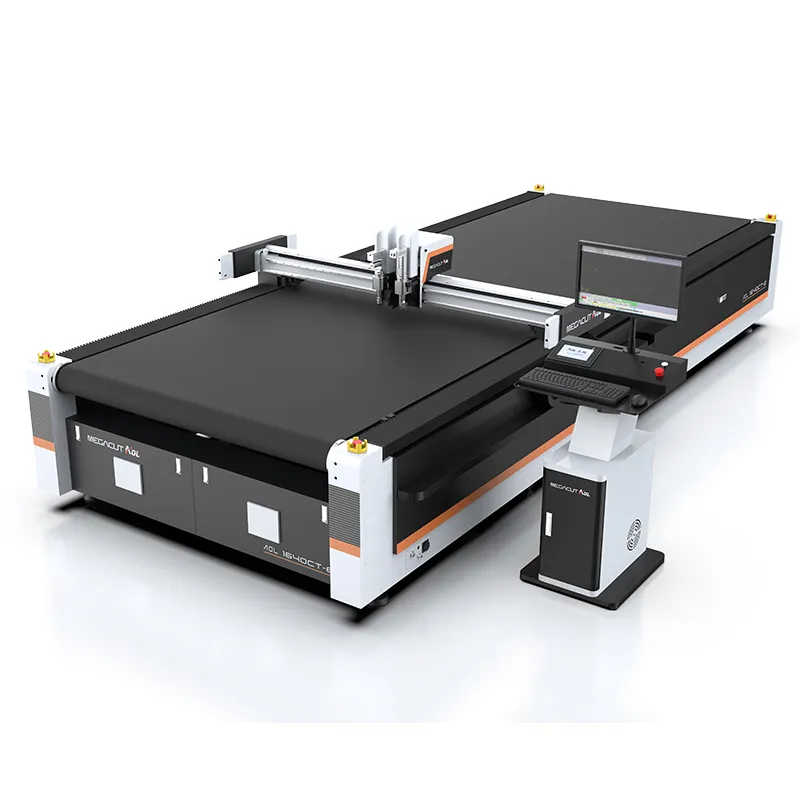
ROI-Driven Adoption: Throughput, Accuracy, and Long-Term Value of CNC Digital Cutting Machines
CNC digital cutting machines offer strong returns on investment because they boost production speed, improve accuracy, and make operations more reliable. Automated systems cut down composite fabrication time by around 25 to 40 percent compared to traditional methods, plus they eliminate those pesky measurement mistakes that happen during manual layout work, especially important for expensive stuff like aerospace grade carbon fiber. The level of digital precision means almost no wasted material either, saving companies money since conventional approaches often lose between 15 and 30 percent of their raw materials to scrap. Looking at the bigger picture, these machines keep delivering value over time too. Predictive maintenance features help avoid unexpected breakdowns, while smart toolpath adjustments actually prolong the machine's lifespan well past ten years. Combine all this with proper tooling setup, good fixture design, and effective dust control measures, and most shops see their investment paid back within just three years or so. That makes these systems worth considering not merely as another expense item but as essential equipment that accelerates production values across today's composite manufacturing landscape.
FAQs
What is the optimal spindle speed for cutting composite materials?
The optimal spindle speed when working with composite materials like carbon fiber and fiberglass is usually between 10,000 to 18,000 RPMs. This range helps prevent excessive heat buildup that could damage the resin bonds holding the material together.
Why is PCD preferred over carbide for cutting composite materials?
PCD (polycrystalline diamond) tools are preferred over carbide because they last 3 to 5 times longer, reduce issues like fiber pull-out and delamination, and provide smoother surfaces with tighter tolerances. Although they cost more upfront, the long-term savings make them more economical for large-scale production.
How does vacuum fixturing improve the integrity of composite cuts?
Vacuum fixturing improves the integrity of composite cuts by spreading clamping force evenly, preventing vibrations that can cause micro-cracking, and maintaining vacuum pressure for consistent results. It also includes conductive channels to eliminate static electricity risks.
What are the benefits of CNC digital cutting machines for composite manufacturing?
CNC digital cutting machines enhance composite manufacturing by increasing production speed, improving accuracy, reducing material waste, and ensuring operational reliability. These benefits often lead to a return on investment within three years.
Table of Contents
- Precision Cutting Parameters for Composite Integrity with CNC Digital Cutting Machines
- Specialized Tooling and Fixturing to Stabilize Carbon Fiber and Fiberglass Sheets
- Integrated Dust Management and Electrical Safety for CNC Digital Cutting Machines
- ROI-Driven Adoption: Throughput, Accuracy, and Long-Term Value of CNC Digital Cutting Machines
- FAQs