
 EN
EN
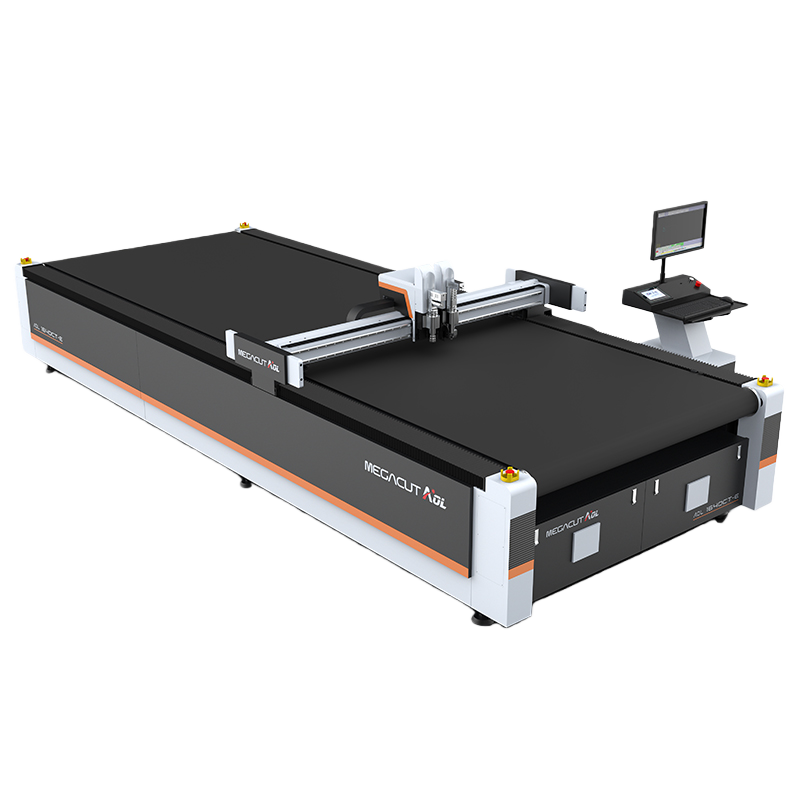
How CNC Digital Cutting Machine Technology Eliminates Traditional Tooling Constraints
No physical dies required: Software-driven contour cutting and dynamic nesting
Modern digital cutting machines have done away with traditional physical dies altogether, relying instead on computer designs to cut shapes directly from digital blueprints. What this means is no more money spent on making those metal dies, no need for warehouse space to store them, and definitely no waiting around for tooling to arrive before production starts. Plus, if there's a last minute change needed in the design? No problem at all. These machines come equipped with smart software that constantly rearranges materials as they work, which cuts down on wasted material by somewhere around 30 percent when compared to older methods. For manufacturing teams, switching from one product to another takes just a few minutes now, not days or even weeks like it used to be back in the day.
Physics of precision: Servo-controlled kinematics vs mechanical compression force limitations
Traditional die cutting works by applying even mechanical pressure across materials, while CNC digital cutters take a different approach. These machines have blades controlled by servos that adjust cutting force as needed during operation. This flexibility means they can handle materials with varying densities and thicknesses, which makes them great for tricky stuff like corrugated cardboard, layered foams, and composite materials. Regular cutting techniques struggle with detailed shapes because they can't distribute force properly. Digital systems maintain about half a millimeter accuracy thanks to their ability to program blade movement and pressure settings. This lets manufacturers create tiny holes, shallow cuts, and other delicate features that would be impossible using standard fixed tools.
Time, Cost, and Flexibility: Quantifying Operational Advantages of Digital Cutting Machine
Setup Time Reduction: From Weeks (Die Fabrication) to Minutes (File Upload + Calibration)
The traditional die cutting process can take anywhere from three to six weeks just to get through design approval, machine setup, validation tests, and shipping logistics. That creates real headaches when trying to prototype quickly or fulfill rush orders. With a CNC digital cutting machine, all of that gets skipped completely. Someone simply uploads their CAD file, runs an automatic calibration check, and starts cutting within about 15 minutes flat. What does this mean practically? Prototypes can be made on the same day they're requested. Design changes from customers no longer cause major delays. And small production runs become much more feasible without waiting months for tooling.
Tooling Economics: $0 Recurring Die Costs vs One-Time CNC Software + Consumable Blade Investment
Die cutting incurs recurring tooling expenses:
- Physical dies: $2,000–$15,000 per design
- Storage and maintenance: ~$500/year (industry average)
- Redesigns: Full re-investment per iteration
Digital cutting shifts to a fixed-cost model:
- Software license: $8,000–$35,000 (one-time)
- Blades: $200–$800/year (consumables)
- Zero per-design tooling fees
This makes CNC digital cutting machines especially cost-effective for low- to mid-volume production, where variable die costs erode margins.
Cost-Effectiveness by Volume: Identifying the Break-Even Threshold for Digital Cutting Machine Adoption
Unit economics model: When batch sizes ≥500 make CNC digital cutting machine more economical
Looking at the numbers tells us that CNC digital cutting starts making financial sense when production runs hit around 500 units or less. With traditional die cutting methods, companies have to spread out those expensive initial die costs (usually between $500 and $2,000) over larger volumes, which doesn't work well for smaller orders. Digital cutting sidesteps all those big upfront payments altogether. What we pay instead is just for setting up the software and buying replacement materials as needed. Around the 500 unit mark is where things flip financially speaking. Below this number, digital options can cut per unit costs by anywhere from 18% to 32%. Take a run of 300 units for instance – it might come out to about $7.20 per piece using digital methods compared to roughly $9.80 with standard die cutting techniques. Once production goes beyond 500 units though, traditional die cutting usually wins out because of quicker processing speeds and cheaper ongoing costs, provided the design stays consistent enough and there's really enough volume to warrant investing in custom tools.
Matching Technology to Business Need: Prototyping Agility vs High-Volume Consistency
Digital cutting machine enables rapid prototyping: Design-to-cut in under 2 hours with zero tooling
Digital cutting using CNC technology completely removes the need for making dies, allowing manufacturers to go straight from computer designs to actual prototypes within just over an hour and a half. Since there's no waiting around for tools or paying extra for them, production teams get to experiment with all sorts of complicated shapes, special packaging setups, or different pattern options whenever they want. The speed really cuts down what companies spend on prototypes - roughly three quarters less than old fashioned approaches actually - and it speeds up how fast new ideas can be tested out. Frequent checks on whether designs work properly now makes financial sense for most businesses looking to innovate.
Die cutting remains optimal for stable, high-volume runs (50,000 units) with minimal SKU change
When looking at production runs over 50k identical parts, mechanical die cutting still holds the edge when it comes to speed and cost per unit. After they're made, steel rule dies can keep cutting consistently fast, sometimes hitting over 20 thousand cuts each hour because they compress multiple cavities all at once something digital machines just cant match. The bigger the run gets, the less those initial die costs matter anymore. But with digital systems, there are always replacement parts coming up blades need replacing, drive belts wear out, sensors get damaged. Industry numbers back this up showing around 3 to 5 percent savings on each unit once past that volume mark as long as product designs stay stable and SKUs don't change too often, maybe once every three months or so.
Frequently Asked Questions
What is a CNC digital cutting machine?
A CNC digital cutting machine is a high-tech device that cuts materials based on computer designs, eliminating the need for traditional physical dies.
How does a CNC digital cutting machine improve efficiency?
It reduces setup time, lowers material wastage, and allows for quick adjustments, making production runs more flexible and cost-effective.
Is CNC digital cutting suitable for all production volumes?
It's particularly cost-effective for low to mid-volume production and rapid prototyping, but traditional die cutting may be more suitable for very high-volume runs with consistent designs.
Table of Contents
- How CNC Digital Cutting Machine Technology Eliminates Traditional Tooling Constraints
- Time, Cost, and Flexibility: Quantifying Operational Advantages of Digital Cutting Machine
- Cost-Effectiveness by Volume: Identifying the Break-Even Threshold for Digital Cutting Machine Adoption
- Matching Technology to Business Need: Prototyping Agility vs High-Volume Consistency
- Frequently Asked Questions