
 EN
EN
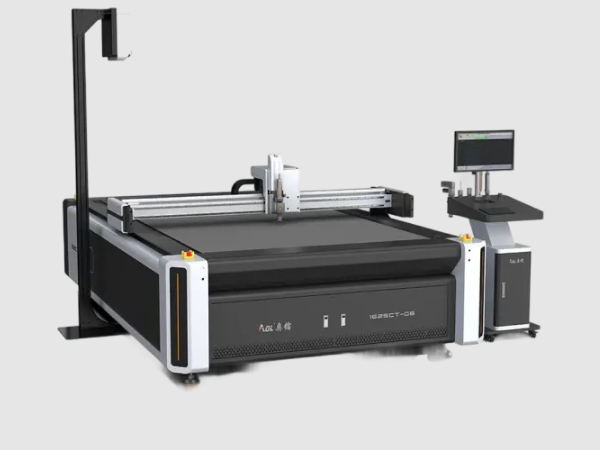
In the highly competitive manufacturing environment of today, precision, speed and material utilization efficiency are more crucial than ever before. Industries such as automotive interiors, footwear manufacturing, furniture padding, fashion accessories and advertising production are increasingly relying on automated cutting technologies to enhance productivity and reduce labor costs. Among the numerous key tools driving this transformation process, CNC leather cutting machines undoubtedly hold a pivotal position.
However, for many enterprises that are considering investing in automated cutting equipment, one of the biggest questions still remains: What is the exact cost of a CNC leather cutting machine? And what factors will influence its price?
The answer is far from being as simple as choosing the cheapest equipment available on the market. The price of a CNC cutting machine varies significantly due to various factors, including the size specifications of the machine, the type of cutting technology, the degree of automation, the strength of the accompanying software, and the quality level of after-sales service.
Before making a purchasing decision, thoroughly understanding these key factors can not only help enterprises avoid unnecessary expenses but also ensure that they select the ideal equipment that truly meets their production needs. This article explores the key elements that affect CNC leather cutting machine prices and what buyers should expect before making a purchase.
Understanding CNC Leather Cutting Machines
A CNC leather cutting machine is an automated system specifically designed for high-precision cutting of leather and other flexible non-metallic materials. Unlike traditional manual cutting methods, the CNC system employs computer control technology, enabling it to precisely and stably execute the cutting path.
Modern CNC cutting machines are widely used for:
Genuine leather cutting
Synthetic leather processing
Textile cutting
Foam and composite material cutting
Automotive interior manufacturing
Shoe upper production
Bag and luggage manufacturing
Upholstery and furniture applications
Compared with manual cutting, the CNC system has several advantages, such as higher cutting accuracy, less material waste, and faster production speed. Thanks to these advantages, many manufacturers regard the CNC leather cutting equipment as a long-term investment for production efficiency and profitability, rather than just an expense.
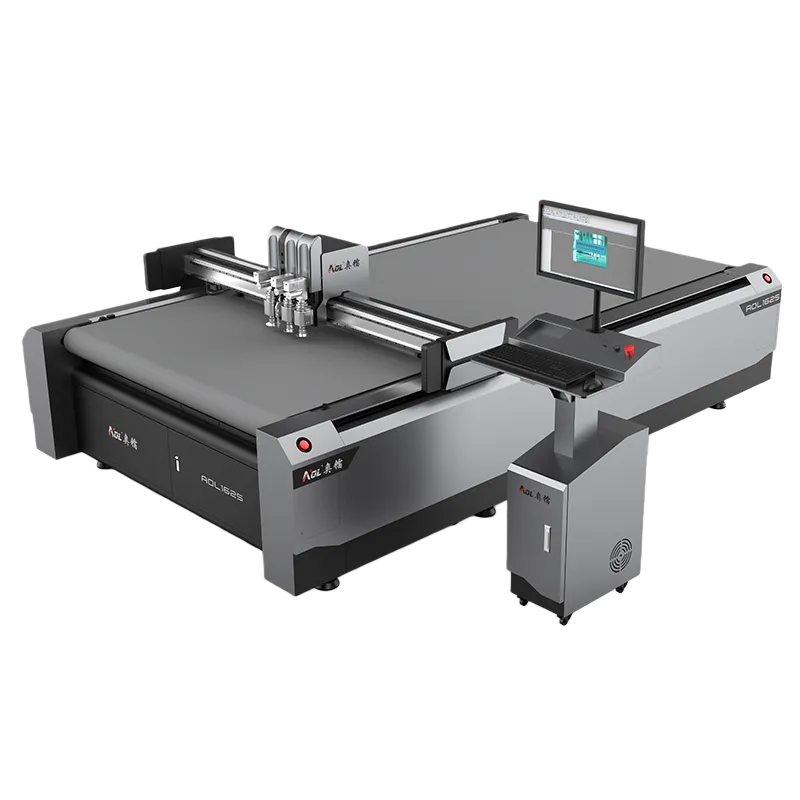
Key Factors That Affect CNC Leather Cutting Machine Prices
Understanding what drives the CNC leather cutting machine price is essential when comparing suppliers and evaluating different models.
Machine Size and Working Area
One of the most crucial factors influencing pricing is the size of the machine's working area. Larger working surfaces require a more robust structural design to ensure stability during high-speed cutting operations. Additionally, large-format machines need to be equipped with more powerful motors and control systems. These engineering-level upgrades naturally increase the complexity and cost of manufacturing.
The size of the machine directly determines its production capacity. Compact machines are highly suitable for making small leather goods such as wallets or belts, while large systems are specifically designed for automotive interiors or furniture manufacturing, etc. Enterprises need to carefully choose the machine size based on actual production needs to avoid insufficient equipment utilization or unnecessary investment waste.
Cutting Technology
Different cutting technologies significantly affect machine pricing because each method requires unique hardware and control systems. Oscillating knife systems are among the most widely used in leather applications due to their ability to cut cleanly without burning or damaging material edges.
Other technologies include rotary blade cutting for flexible fabrics, laser cutting for ultra-fine precision, and drag knife systems for thinner materials. Each technology has different levels of mechanical complexity and precision requirements, which consequently lead to variations in the prices of the machines.
Automation Level
Automation is another major cost driver in CNC cutting systems. Entry-level equipment usually requires manual handling of materials, layout, and production management. Such systems have relatively low purchase costs, but they are highly dependent on the labor input of the operators.
Advanced automated equipment may be equipped with conveyor belt feeding systems, automatic material recognition functions, intelligent layout software, and even robotic unloading mechanisms. These features significantly reduce the need for human intervention and enhance the consistency of production.
Although automation may increase the initial investment cost, it often brings long-term value returns by reducing labor costs and improving production efficiency. For large-scale production enterprises, automation is usually a key factor for achieving large-scale production.
Software Capability
The software system integrated into a CNC cutting machine plays a crucial role in overall performance. Basic software may only support simple file reading and manual layout, which limits efficiency and material optimization.
Advanced systems, however, can include intelligent nesting algorithms, CAD compatibility, defect detection, and production data tracking. These functions help manufacturers maximize material usage and reduce waste.
In industries such as leather manufacturing, where raw material cost is high, software optimization can significantly impact profitability. Although advanced software increases machine cost, it often pays back through long-term material savings.
Precision and Speed
High precision and cutting speed are directly linked to machine cost. Machines designed for industrial-grade performance typically use servo motor systems, high-precision linear guides, and advanced motion controllers.
These components ensure smooth operation, accurate cutting paths, and consistent repeatability even during continuous production cycles. They also reduce vibration, which is critical for maintaining edge quality in leather cutting.
For industries like automotive interiors or luxury leather goods, precision is not optional but essential. As a result, machines built for high accuracy and speed are generally positioned at a higher price level.
Material Compatibility
CNC leather cutting machines vary in how many materials they can process. Some machines are dedicated strictly to leather, while others are designed for multi-material applications such as PU leather, textiles, foam, PVC, and composite materials.
Machines with broader material compatibility require more advanced control systems and adjustable cutting parameters. This added flexibility increases manufacturing complexity and overall cost.
However, multi-material machines offer significant business advantages by allowing manufacturers to expand into different industries without purchasing additional equipment. This versatility often justifies the higher investment.
Brand Reputation and Manufacturing Quality
Brand reputation and build quality also play a major role in machine pricing. Established manufacturers typically invest more in research, quality control, and component selection, resulting in more stable and durable machines.
These companies often provide better after-sales service, longer warranties, and more reliable technical support. This reduces operational risks for buyers and ensures long-term production stability.
While lower-cost machines may appear attractive initially, they can lead to higher maintenance costs, frequent downtime, and inconsistent performance. For this reason, many buyers evaluate total cost of ownership rather than focusing solely on the purchase price.
Hidden Costs Buyers Should Consider
Many first-time buyers focus only on the machine price itself while overlooking additional expenses.
Important hidden costs may include:
Shipping and Installation
Large industrial machines may require specialized transportation and on-site installation services.
Operator Training
Proper training ensures employees can maximize machine performance and avoid operational errors.
Maintenance and Spare Parts
Regular maintenance is necessary to ensure long-term reliability.
Software Licensing
Some suppliers charge annual software subscription or upgrade fees.
Power Requirements
Industrial CNC systems may require upgraded electrical infrastructure.
Factory Layout Adjustments
Additional space or ventilation modifications may be necessary.
Understanding these costs in advance helps businesses create more accurate investment budgets.
How to Evaluate Value Instead of Just Price
The cheapest CNC leather cutting machine is not always the most cost-effective option.
Instead of focusing only on purchase price, buyers should evaluate:
Production efficiency
Cutting accuracy
Material savings
Labor reduction
Machine durability
Software functionality
Technical support availability
Future scalability
A slightly higher initial investment may deliver significantly greater long-term profitability.
For example, improved nesting efficiency alone can reduce leather waste considerably, especially when processing expensive genuine leather materials.
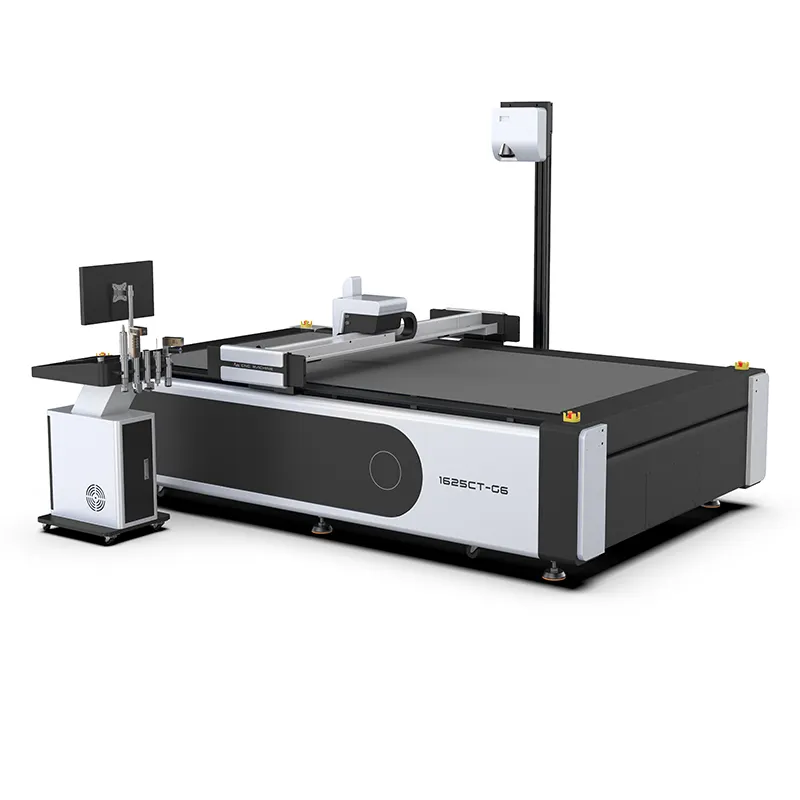
Choosing the Right CNC Leather Cutting Machine Supplier
Selecting the right supplier is just as important as selecting the right machine.
A reliable manufacturer should provide:
Professional technical consultation
Machine customization options
Stable production quality
Comprehensive after-sales service
Global support capability
Industry experience
As a professional manufacturer specializing in CNC cutting solutions, AOL focuses on the research, development, production, and global service of intelligent cutting equipment for non-metal materials. AOL cutting systems are widely used in leather, textile, composite material, automotive interior, footwear, advertising, and upholstery industries.
By combining advanced cutting technology with reliable after-sales support, manufacturers can achieve higher efficiency, lower operating costs, and more stable production quality.
Conclusion
Investing in a CNC leather cutting machine is a major decision that can significantly impact manufacturing efficiency, product quality, and the long-term business growth of an enterprise. The price of a CNC cutting machine is influenced by a variety of key factors, and the differences can be quite significant.
These factors include the working size, cutting technology, automation level, software functions, cutting accuracy, material compatibility, and brand reputation. Understanding these elements helps businesses select equipment that can not only meet current production needs but also align with future expansion plans.
A well-selected CNC leather cutting machine can bring numerous significant advantages, such as reducing material waste, increasing production speed, lowering labor costs, enhancing product consistency, and improving overall profitability.
By carefully evaluating the technical specifications of the machine and the comprehensive strength of the supplier, businesses can make more informed investment decisions, thereby building a more competitive manufacturing operation system for the future.
Table of Contents
- Understanding CNC Leather Cutting Machines
- Key Factors That Affect CNC Leather Cutting Machine Prices
- Cutting Technology
- Automation Level
- Software Capability
- Precision and Speed
- Material Compatibility
- Brand Reputation and Manufacturing Quality
- Hidden Costs Buyers Should Consider
- How to Evaluate Value Instead of Just Price
- Choosing the Right CNC Leather Cutting Machine Supplier
- Conclusion