
 EN
EN
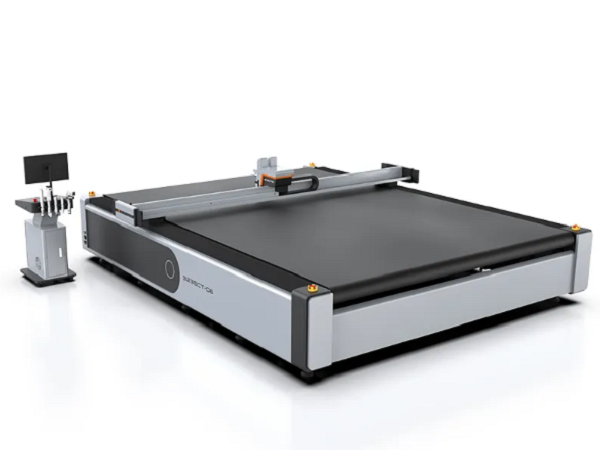
In today's highly competitive manufacturing environment, accuracy, efficiency and flexibility are the key elements for achieving success. Whether you are manufacturing automotive interiors, shoe components, advertising materials, textiles or composite materials, choosing the right CNC cutting machine can significantly enhance your production efficiency and profitability.
Modern CNC cutting technology has completely transformed the way manufacturers process non-metallic materials. Compared with traditional manual cutting methods, CNC cutting machines offer higher precision, lower material waste, shorter production cycles, and more stable product quality. However, when faced with a wide variety of models and configurations on the market, it is often not easy to select the solution that best meets your production needs.
This guide is designed to assist you in understanding the key factors to consider when choosing the best CNC cutting machine and how to ensure the equipment matches your manufacturing requirements.
Understanding CNC Cutting Machines
A CNC (Computer Numerical Control) cutting machine is an automated cutting system controlled by computer software. It uses digital patterns and programmed instructions to cut materials with exceptional precision.
CNC cutting machines are widely used for processing various non-metallic materials, such as leather, fabrics and textiles, foam materials, cardboard, composite materials, PVC, rubber, sealing gaskets, and advertising display materials.
Industries that commonly use CNC cutting equipment include automotive manufacturing, footwear production, garment manufacturing, packaging, upholstery, aerospace composites, and advertising display production.
The main advantages of CNC cutting technology include extremely high cutting accuracy, significant improvement in production efficiency, effective reduction in labor costs, reduction of material waste, guarantee of product quality consistency, and flexibility and variability in production capacity.
Choosing the right machine begins with understanding your specific manufacturing requirements.
Identify Your Material Type
When selecting the best CNC cutting machine, the primary and most important consideration is the material you plan to process. Different materials require different cutting techniques and tool configurations. For instance:
Leather Cutting
Leather manufacturers require equipment that can handle irregular shapes while maintaining clean edges and achieving high precision. The oscillating knife cutting system is an ideal choice for processing genuine leather and synthetic leather, as it minimizes thermal damage and thus preserves the quality of the materials intact.
Textile and Fabric Cutting
For the production of textiles and clothing, manufacturers need equipment with high-speed cutting capabilities and a stable feeding system. The application of automatic nesting software can further enhance material utilization and reduce waste.
Composite Material Cutting
Composite materials often have extremely high requirements for cutting force and cutting accuracy. A CNC knife cutting machine specifically designed for composite materials must possess extremely strong stability, advanced motion control systems, and a wide range of tool configuration options.
Foam and Soft Materials
The cutting of soft materials requires both softness and precision to prevent the materials from deforming. In such applications, the vacuum adsorption system is particularly important for ensuring the stability of the cutting process.
Before purchasing the equipment, please make sure to clarify the thickness and hardness of your materials, your production output, the required cutting accuracy, and the quality standards of the finished products. The better your understanding of the material properties, the easier it will be for you to choose the right machine configuration.
Evaluate Cutting Technology
At present, there are various CNC cutting technologies available for selection, and each technology has its own unique advantages.
Oscillating Knife Cutting
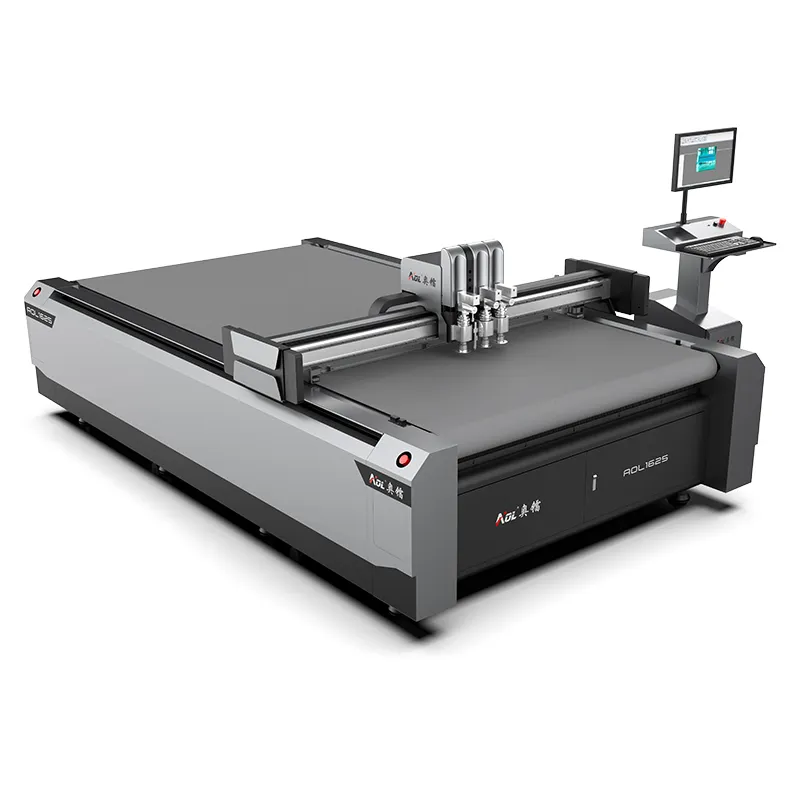
Oscillating knife cutting is one of the most popular technologies for non-metal material applications. It achieves clean and precise cutting results by using high-speed vibrating blades. This technology is highly suitable for processing leather, textiles, foam materials, and composite materials.
Rotary Knife Cutting
Rotary knife cutting employs a rotating blade, which is particularly suitable for high-speed cutting of fabrics and various soft rolls.
Drag Knife Cutting
The drag knife cutting technique is highly effective for thinner materials and in scenarios with relatively simple cutting requirements. It is commonly used for cutting vinyl materials, stickers, and various packaging materials.
Laser Cutting
Laser cutting technology can achieve extremely high cutting accuracy. However, when dealing with certain specific materials, it may cause the cutting edges to become charred. This technology is commonly used in the processing of acrylic, wood, and some textiles.
When selecting the best CNC cutting machine, it is crucial to select the cutting technology that best suits your production needs and the characteristics of the materials.
Consider Production Efficiency
Production efficiency directly affects manufacturing costs and delivery timelines. A high-performance CNC cutting machine should improve workflow efficiency while reducing downtime. Key factors to evaluate include:
Cutting Speed
Higher cutting speed allows manufacturers to process more orders in less time. However, speed should not compromise cutting quality.
Automation Features
Advanced automation technologies can significantly reduce the demand for human labor. Key automation features include automatic feeding systems, conveyor tables, automatic nesting software, intelligent pattern recognition, multi-tool switching systems, and continuous production capabilities.
Continuous Production Capability
For large-scale manufacturing, the equipment should support continuous operation and maintain stable performance throughout the long production cycle.
Material Utilization
Efficient nesting software can maximize material usage and reduce waste, especially when processing expensive materials such as leather and composites.
Investing in a machine with advanced automation and optimization features can lead to substantial long-term savings.
Focus on Cutting Accuracy and Stability
Precision is critical in modern manufacturing, especially in industries such as automotive interiors, footwear, and aerospace composites.
Poor cutting accuracy can lead to product defects, material waste, assembly issues, and increased production costs. When evaluating a CNC cutting machine, pay attention to:
Motion Control System
A high-quality motion control system ensures smooth and precise movement during cutting operations.
Machine Structure
A strong and stable machine frame reduces vibration and improves cutting consistency.
Servo Motors and Guides
Premium servo motors and linear guide systems provide higher positioning accuracy and longer service life.
Vacuum Adsorption System
Vacuum adsorption tables help secure materials firmly during cutting, preventing movement and improving precision.
Reliable cutting accuracy ensures consistent product quality and enhances customer satisfaction.
Assess Software Compatibility
Software plays a major role in CNC cutting efficiency and usability. Modern CNC cutting machines should support intelligent software systems that simplify production management.
Important software features include:
CAD file compatibility
Automatic nesting
Pattern editing
Production data management
Intelligent tool path optimization
Barcode or QR code integration
User-friendly software reduces training time and improves operational efficiency.
It is also important to ensure the software integrates smoothly with your existing production workflow and design systems.
Choose the Right Machine Size
Machine size should match your production requirements and workspace conditions. A cutting area that is too small may limit production capacity, while an oversized machine may increase unnecessary costs and occupy valuable factory space.
When selecting machine dimensions, consider:
Maximum material size
Production volume
Factory layout
Future expansion plans
For roll materials such as textiles and fabrics, conveyor-type CNC cutting machines may offer better productivity. For sheet materials, flatbed cutting systems are often the preferred choice.
Evaluate Service and Technical Support
Purchasing a CNC cutting machine is a long-term investment. Reliable after-sales service and technical support are just as important as machine performance.
Before choosing a supplier, evaluate:
Technical Training
Professional suppliers should provide machine operation and maintenance training.
Installation Support
On-site or remote installation assistance helps ensure smooth machine setup.
Spare Parts Availability
Quick access to spare parts minimizes downtime and protects production schedules.
Global Service Network
For international manufacturers, global technical support is especially important.
Software Updates
Continuous software improvements help maintain machine efficiency and compatibility.
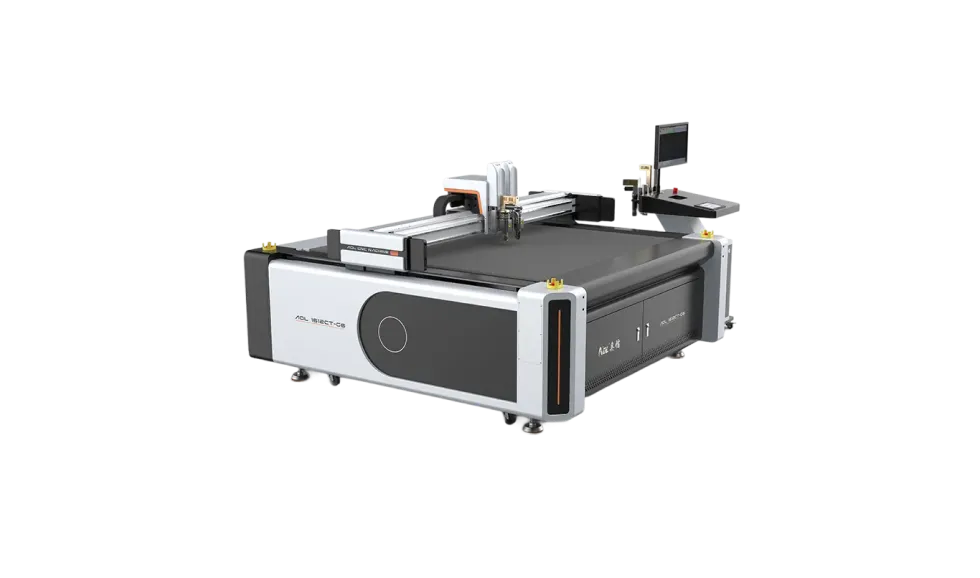
Working with an experienced CNC cutting machine manufacturer (such as AOL) that offers comprehensive service support can greatly reduce operational risks.
Consider Industry Experience
A supplier with extensive industry experience can provide more reliable solutions and better understand your production challenges.
Experienced CNC cutting machine manufacturers can help you:
Select suitable machine configurations
Optimize production processes
Improve material utilization
Reduce operating costs
Customize solutions for specific industries
Manufacturers serving industries such as automotive interiors, footwear, textiles, and composites often have valuable application expertise that can improve your production efficiency.
Analyze Total Cost of Ownership
When choosing the best CNC cutting machine, price should not be the sole consideration. Low-cost equipment often has problems such as poor cutting quality, frequent maintenance, low efficiency, increased material waste, and short lifespan, which result in higher overall costs in the long run.
Therefore, manufacturers should focus on evaluating the total cost of the equipment throughout its entire lifecycle. This involves comprehensively considering factors such as purchase price, maintenance costs, energy consumption, labor cost savings, and material utilization rate. Reliable equipment can effectively enhance production efficiency and reduce operating costs over time.
Investing in high-quality CNC cutting machines can often lead to more substantial long-term investment returns. Reliable equipment ensures consistent cutting accuracy, faster production speed, and lower waste rates, thereby helping enterprises improve product quality and maximize productivity.
Conclusion
To select the best CNC cutting machine, you need to conduct a careful assessment of the materials you process, production requirements, automation demands, and long-term business goals. An ideal machine should have high cutting accuracy, stable operation performance, efficient automation level, reliable software system, strong technical support, and excellent long-term investment value.
For manufacturers engaged in the processing of leather, textiles, composite materials, foams and other non-metallic materials, advanced CNC cutting technology can significantly enhance production efficiency, reduce operating costs, and comprehensively optimize product quality.
As a professional manufacturer of CNC cutting machines, AOL is committed to providing intelligent cutting solutions for various industries worldwide. With rich experience in non-metallic material cutting, advanced manufacturing techniques, and a global service support network, AOL helps manufacturers achieve more intelligent, efficient, and rapid production operations.
Choosing the right CNC cutting machine is not only an equipment investment — it is an investment in the future growth and competitiveness of your business.
Table of Contents
- Understanding CNC Cutting Machines
- Identify Your Material Type
- Evaluate Cutting Technology
- Consider Production Efficiency
- Focus on Cutting Accuracy and Stability
- Assess Software Compatibility
- Choose the Right Machine Size
- Evaluate Service and Technical Support
- Consider Industry Experience
- Analyze Total Cost of Ownership
- Conclusion