
 EN
EN
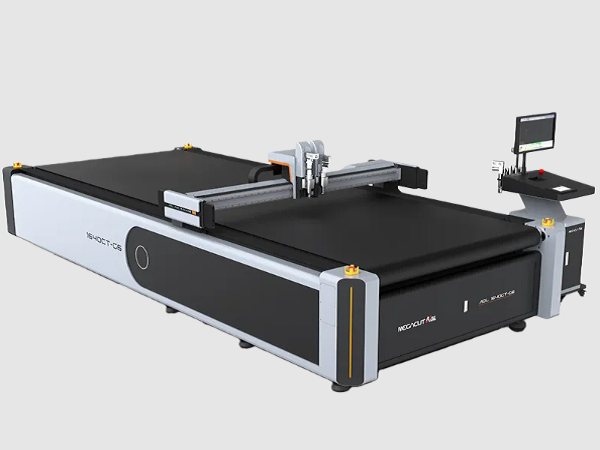
The textile industry is experiencing rapid growth. Manufacturers are striving for faster production speeds, higher precision, lower labor costs, and more efficient material utilization. The traditional manual cutting method is no longer able to meet the increasing demands for consistency, flexibility, and large-scale customization. This is why more and more textile manufacturers are beginning to adopt advanced CNC fabric cutting machines to enhance production efficiency and maintain a competitive edge.
As a leading manufacturer of CNC cutting machine, AOL focuses on the research, development, production, and global services of CNC cutting systems for non-metallic materials. We have over 150 patents, over 80 global partners, and can provide customized solutions for customers in 81 countries, helping textile manufacturers optimize every aspect of fabric cutting production.
The Growing Need for Automation in Textile Manufacturing
Modern textile production involves increasingly complex materials, shorter delivery cycles, and rising labor costs. Manufacturers must handle a wide variety of fabrics, including cotton, polyester, denim, leather, composite textiles, technical fabrics, and multi-layer materials, while maintaining cutting accuracy and minimizing waste.
Traditional cutting methods often create several operational challenges:
Inconsistent cutting quality
High material waste
Slow production speed
Heavy dependence on skilled labor
Difficulty handling complex patterns
Increased maintenance and labor costs
A CNC fabric cutting machine addresses these issues through digitalization, automation, intelligent arrangement, and high-speed, precise cutting.
What Is a CNC Fabric Cutting Machine?
A CNC (Computer Numerical Control) fabric cutting machine is an automated cutting device used for cutting textiles and flexible materials based on digital patterns. By converting CAD designs into precise cutting instructions, this machine can perform highly accurate cutting with very little human intervention required.
These machines are widely used in industries such as:
Apparel manufacturing
Home textiles
Automotive interiors
Footwear production
Upholstery and furniture
Advertising materials
Industrial textiles
Composite material processing
Unlike manual cutting, CNC systems can ensure the repeatability of accuracy, enhance production efficiency, and optimize the workflow.
Key Benefits of CNC Fabric Cutting Machines
Improved Cutting Precision
In the process of textile manufacturing, precision is of utmost importance. Even the slightest deviation in cutting can lead to assembly problems, material waste, and inconsistent product quality.
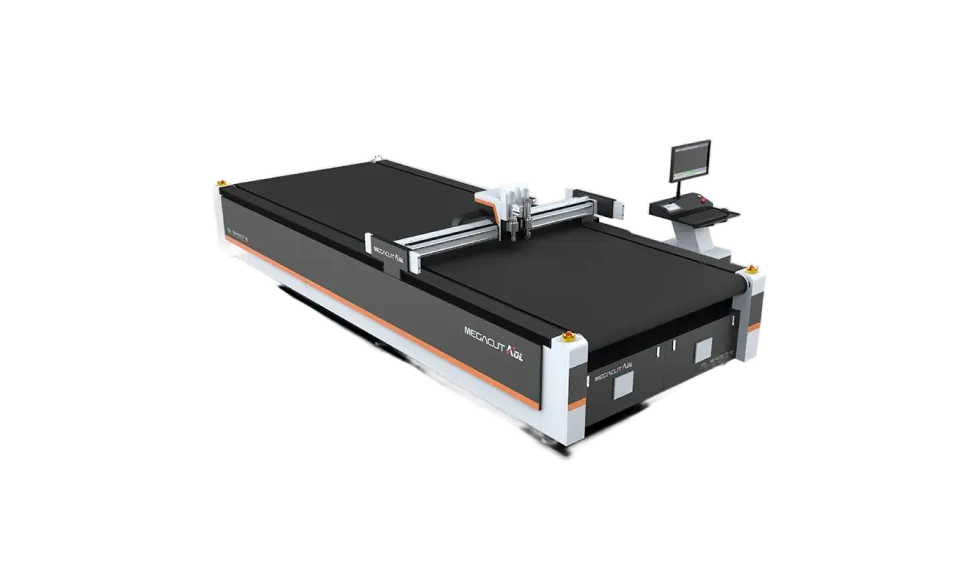
A CNC fabric cutting machine is equipped with an advanced motion control system and intelligent software, enabling extremely precise cutting results. Whether it is for producing simple clothing patterns or complex automotive interior components, this machine can maintain a high level of consistency in precision throughout the entire production process. Such precision is particularly crucial for industries that require precise dimensions and repeatability.
Higher Production Efficiency
Automation technology significantly enhances production speed compared to manual cutting methods. The CNC cutting system can operate continuously and has a lower reliance on operators, thereby reducing downtime and improving overall production efficiency.
This enables manufacturers to complete large-scale production tasks in a shorter period of time and maintain stable quality standards. The automated feeding and intelligent workflow systems further enhance operational efficiency. For businesses facing tight delivery deadlines, CNC cutting technology has brought them significant competitive advantages.
Reduced Material Waste
The cost of materials accounts for a large proportion of the production cost of textiles. Inefficient cutting layouts and human errors often lead to unnecessary waste.
The advanced nesting software integrated into the CNC cutting machine can optimize the pattern layout, thereby maximizing the utilization rate of the fabric. This intelligent material management approach can significantly reduce waste and lower production costs. By improving the efficiency of material utilization, manufacturers can also promote more sustainable production methods.
Lower Labor Dependency
Manual cutting of fabric requires skilled workers and strict labor management. As global labor costs continue to rise, many manufacturers are seeking automated solutions to reduce their reliance on labor.
The CNC fabric cutting machine reduces manual operations through automated cutting tasks, alleviates the fatigue of operators, and simplifies workflow management. An operator can usually monitor multiple machines simultaneously, which not only enhances labor efficiency but also reduces operating costs.
Versatility for Different Materials
Modern textile manufacturers usually use a variety of different materials, and these materials require different cutting methods. AOL's CNC cutting machines are specifically designed to handle various non-metallic materials, including:
Leather
PU and synthetic leather
Cotton fabrics
Polyester textiles
Technical fabrics
Foam materials
Composite materials
PVC and advertising materials
This flexibility enables manufacturers to quickly adapt to the constantly changing market demands and product requirements.
Intelligent Features That Enhance Textile Production
Automatic Feeding System
The automatic feeding system enables continuous processing of materials without the need for frequent manual adjustments. This feature is particularly useful for rolled fabrics and in large-scale production environments. Continuous feeding can enhance the efficiency of the work process and ensure that the cutting operation can proceed without interruption.
Intelligent Nesting Software
The intelligent nesting software can automatically arrange the cutting patterns to maximize the utilization of materials and reduce waste. The software can quickly calculate the optimal layout plan based on the material size and production requirements. This technology helps manufacturers achieve more effective cost control and higher profit levels.
Multi-Layer Cutting Capability
Some textile processing applications require the simultaneous cutting of multiple layers of fabric. CNC cutting machines equipped with powerful vacuum systems and advanced cutting tools can efficiently complete multi-layer cutting tasks and ensure the accuracy of the cuts. This significantly increases the output of large-scale production operations.
Digital Pattern Integration
Modern CNC systems can seamlessly integrate with computer-aided design (CAD) and design software. Manufacturers can quickly import digital patterns, modify designs, and start production within a very short preparation time. The integration of digital workflow can enhance flexibility and accelerate the product development cycle.
Applications Across Textile Industries
Apparel Manufacturing
Fashion and garment manufacturers use CNC fabric cutting machines to help them produce consistently manufactured, timely, and efficiently manufactured custom orders to fulfill their customers’ orders. Using automated cutting machines and technology supports accurate pattern duplication of patterns, thus reducing the number of manufacturing defects.
Automotive Interior Production
The automotive interior industry requires precision cutting of leather, fabrics, foams, and composites used in producing automotive interiors. All of these materials require CNC cutting systems to be able to produce high-quality seat covers, carpets, door panels, and other interior components with precision accuracy. CNC cutting systems from AOL are extensively used within the automotive interior industry for high-precision processing of materials.
Footwear Industry
The footwear industry depends heavily on accurate material cutting for leather, textiles, and synthetic materials. CNC cutting machines help shoe manufacturers achieve faster production and better material utilization. Automated cutting also supports customized footwear production.
Home Textile Production
Manufacturers of curtains, sofas, carpets, bedding, and upholstery products benefit from the speed and precision of CNC cutting technology. The ability to process large textile rolls efficiently improves production capacity and product consistency.
Industrial and Technical Textiles
Industrial textiles and composite materials often require specialized cutting solutions. CNC cutting systems can process technical fabrics with high precision, supporting industries such as aerospace, filtration, insulation, and protective equipment manufacturing.
Why Textile Manufacturers Choose AOL
As a leading intelligent CNC cutting equipment manufacturer, AOL offers a comprehensive range of CNC cutting solutions to meet the needs of today's textile manufacturers.
Advanced R&D and Innovation
AOL focuses heavily on technological innovation and intelligent automation. With more than 150 patented technologies, the company continuously develops advanced cutting systems that improve efficiency, accuracy, and reliability.
Global Service Network
With over 80 global partners and customers in 81 countries, AOL provides professional support and customized solutions worldwide. The company's international service network ensures timely technical assistance and customer support.
Customized Cutting Solutions
Different industries and production environments require different cutting configurations. AOL offers customized CNC cutting systems designed for specific materials, applications, and production capacities.
This flexibility allows manufacturers to optimize performance based on their operational needs.
Comprehensive Material Processing Expertise
AOL specializes in cutting solutions for non-metal materials, including textiles, leather, composite materials, and advertising materials. The company's extensive industry experience enables it to provide efficient and reliable cutting technologies for diverse applications.
Future Trends in Textile Cutting Automation
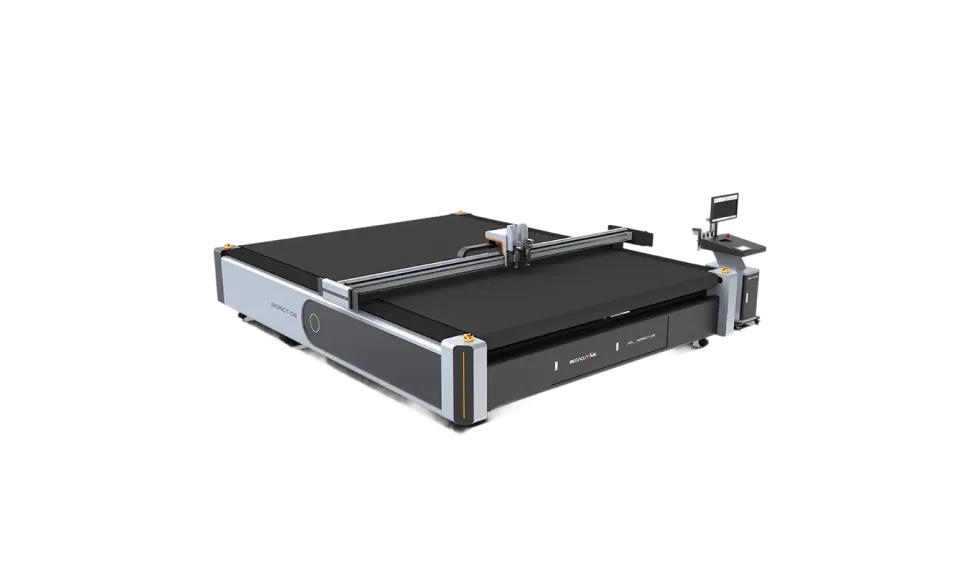
The future of textile manufacturing is becoming increasingly digital and intelligent. Several key trends are shaping the next generation of CNC fabric cutting technology:
Smart Factory Integration
CNC cutting machines are being integrated with smart manufacturing systems, allowing production data to be shared in real-time for the entire manufacturing process.
AI-Driven Optimization
AI and machine learning are making a significant impact on optimizing the nesting algorithms, predictive maintenance, and profitability of production processes.
Increased Customization
Consumer demand for personalized products requires manufacturers to efficiently handle very small production runs. Therefore, the flexibility of CNC cutting machines to produce low-run orders provides the solutions necessary for mass customization.
Sustainable Production Technologies
As sustainability requirements continue to change, many manufacturers will increasingly rely upon automated cutting systems to reduce waste and improve resource efficiency.
Conclusion
A CNC fabric cutting machine is no longer simply an optional upgrade for textile manufacturers—it has become an essential tool for improving productivity, reducing costs, and maintaining consistent quality in competitive global markets.
Manufacturers are gaining significant advantages from both apparel and automotive manufacturing, as well as footwear and industrial textiles, by using automated cutting technology, through improvements in precision, efficiency, and material usage. Innovative automation features such as automatic feeding, digital pattern integration, and optimized nesting allow manufacturers to streamline operations and achieve sustainable growth over the long term.
AOL is poised to assist textile manufacturers throughout the world in maximizing production efficiencies and continuing toward the future of intelligent manufacturing through our strong R&D capabilities, extensive global service experience, and expertise in manufacturing CNC cutting systems for non-metal materials.
Table of Contents
- The Growing Need for Automation in Textile Manufacturing
- What Is a CNC Fabric Cutting Machine?
- Key Benefits of CNC Fabric Cutting Machines
- Intelligent Features That Enhance Textile Production
- Applications Across Textile Industries
- Why Textile Manufacturers Choose AOL
- Future Trends in Textile Cutting Automation
- Conclusion