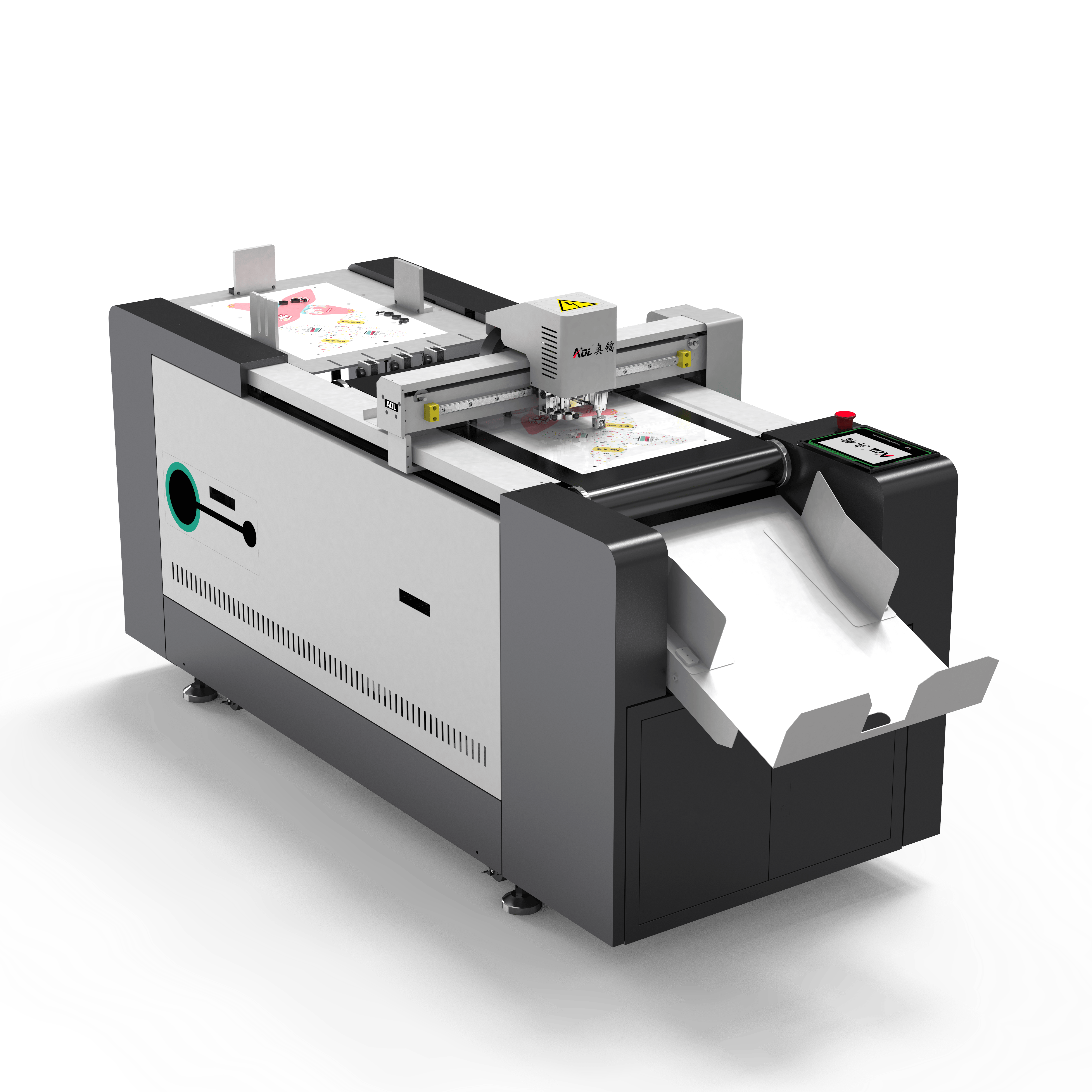
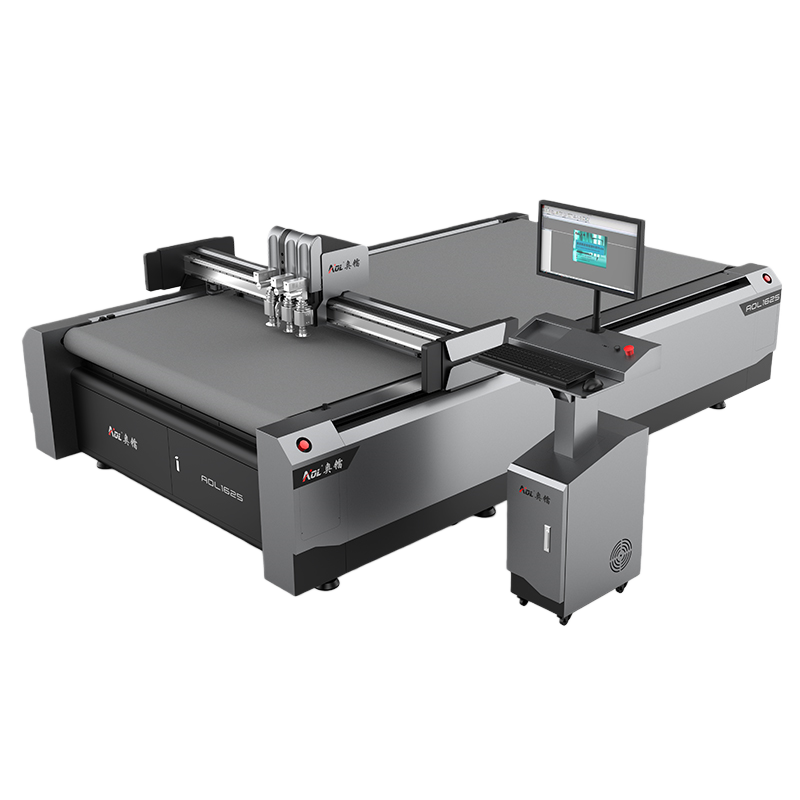
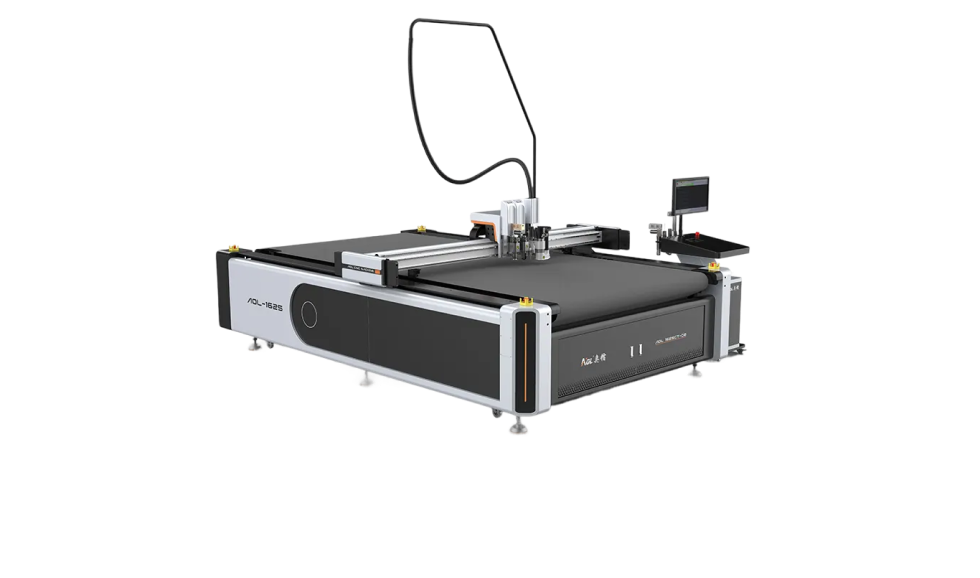
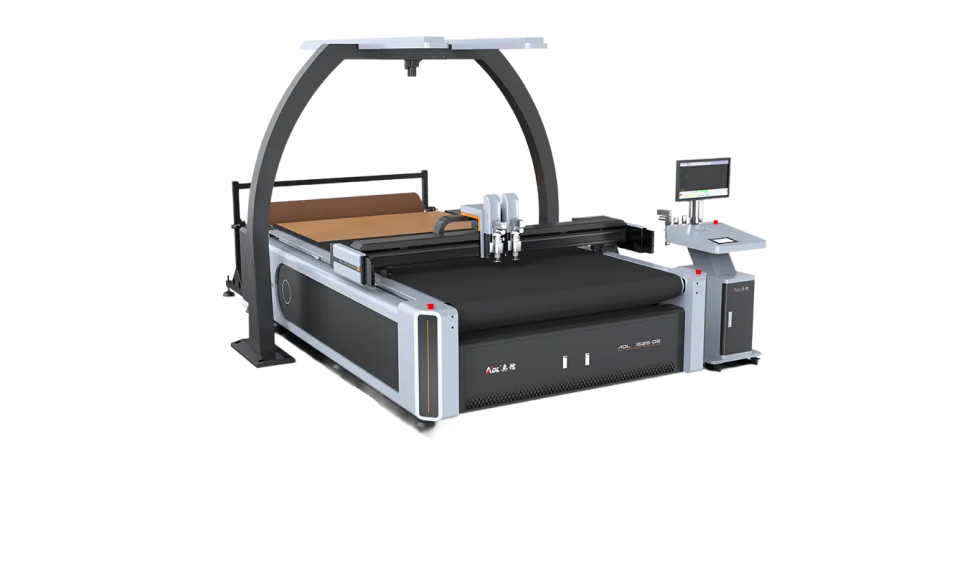
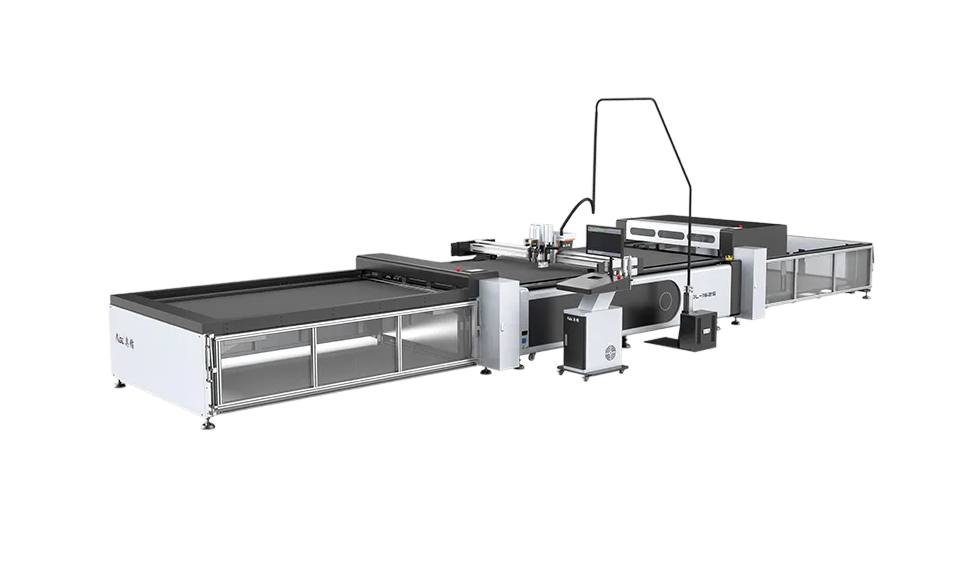
Global demand for sustainable acoustic solutions continues to climb. From bustling open-plan offices to the quiet interiors of electric vehicles, acoustic felt has become the material of choice for designers and engineers tackling sound challenges. A high-precision acoustic felt cutting machine is the key tool unlocking these high-growth markets, meeting diverse industries' production needs for complex felt products with unmatched accuracy and speed.
The application of acoustic felt cutting machines is most prevalent in architectural acoustics and interior design. As modern design increasingly favors eco-friendly materials and biophilic design, recycled polyester fiber felt has become standard. Using cutting equipment, manufacturers can easily produce custom wall panels with geometric patterns that not only effectively absorb noise but also add visual depth to spaces. In open-plan offices, it produces intricate components for privacy partitions and ceiling soundproofing panels; in high-end retail stores and hotels, it cuts branded acoustic artworks that enhance brand image while fostering tranquil environments.
In automotive manufacturing and transportation, acoustic felt cutting machines play an equally indispensable role. Enhancing driving comfort remains a core pursuit for the auto industry, especially as electric vehicles gain widespread adoption. Without engine noise to mask it, road and wind noise become more pronounced, driving surging demand for precision sound-deadening materials. This equipment precisely cuts felt components for door panels, dashboards, and trunk liners, effectively suppressing vibrations and road noise. It also shapes complex curved felt surfaces for vehicle headliners, ensuring smooth, burr-free edges that perfectly conform to interior structures.
Furthermore, in furniture manufacturing, acoustic felt has moved from behind the scenes to the forefront, becoming an integral part of the furniture itself. The sound-absorbing chairs commonly found in modern libraries and museums are constructed by stacking layers of cut felt, combining aesthetics with functionality. Simultaneously, cutting machines efficiently produce felt storage boxes, document trays, and desk dividers. These products are highly popular in the market due to their soft, durable, and quiet characteristics. In industrial applications, it serves as thermal insulation lining for HVAC ductwork and soundproof enclosures for equipment like generators and compressors, helping businesses meet stringent occupational noise standards. Finally, in premium consumer packaging, cutting machines can customize felt inserts for electronics or jewelry, delivering an unparalleled unboxing experience.
In summary, while acoustic felt can be trimmed manually or with traditional dies, a dedicated cutting machine truly unlocks its market potential. It not only empowers designers to create intricate geometric shapes but also employs ultrasonic or vibrating blade technology to fuse material edges during cutting, completely eliminating fraying and ensuring product longevity. More importantly, it shortens the cycle from design prototyping to mass production, enabling businesses to swiftly respond to evolving market trends.

 EN
EN