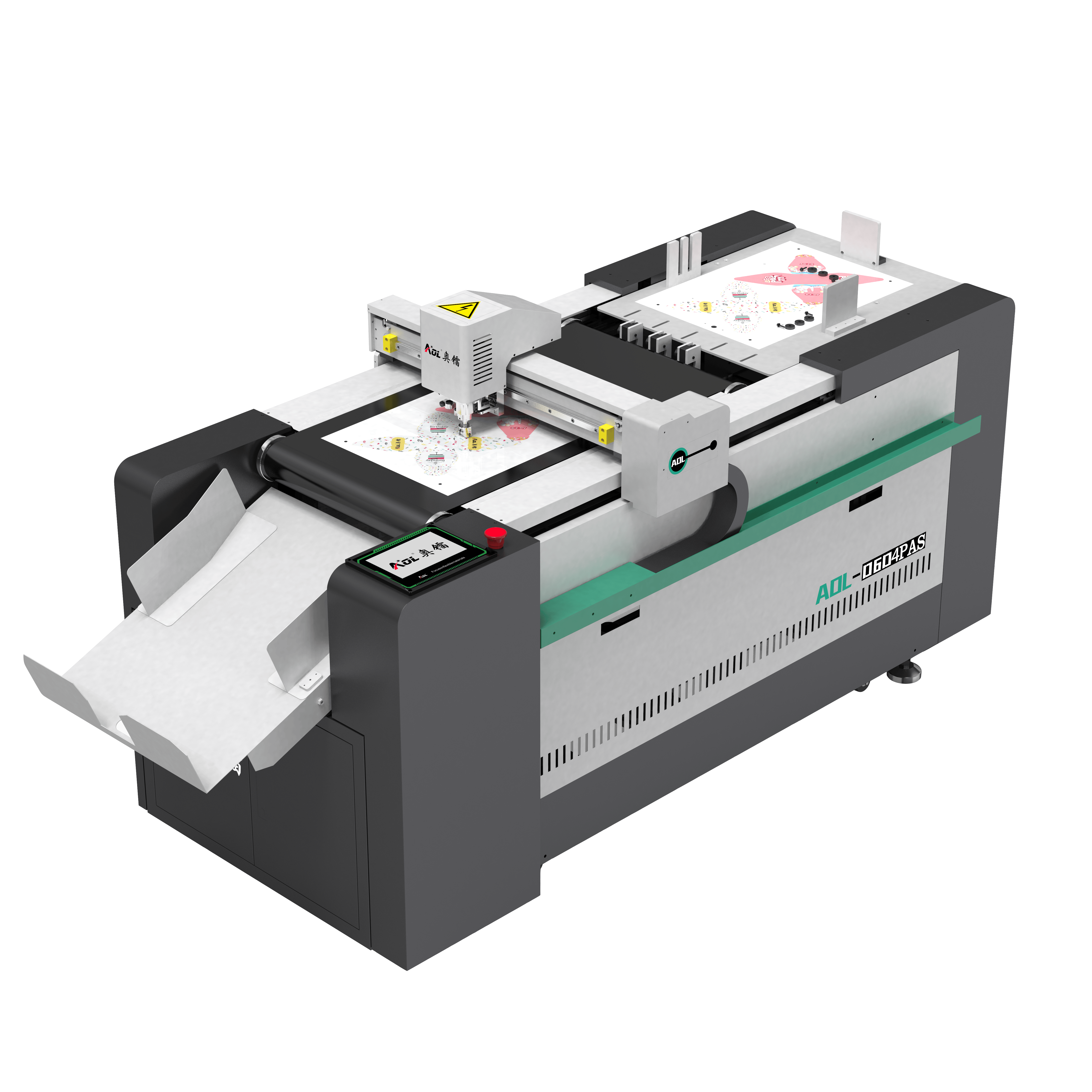
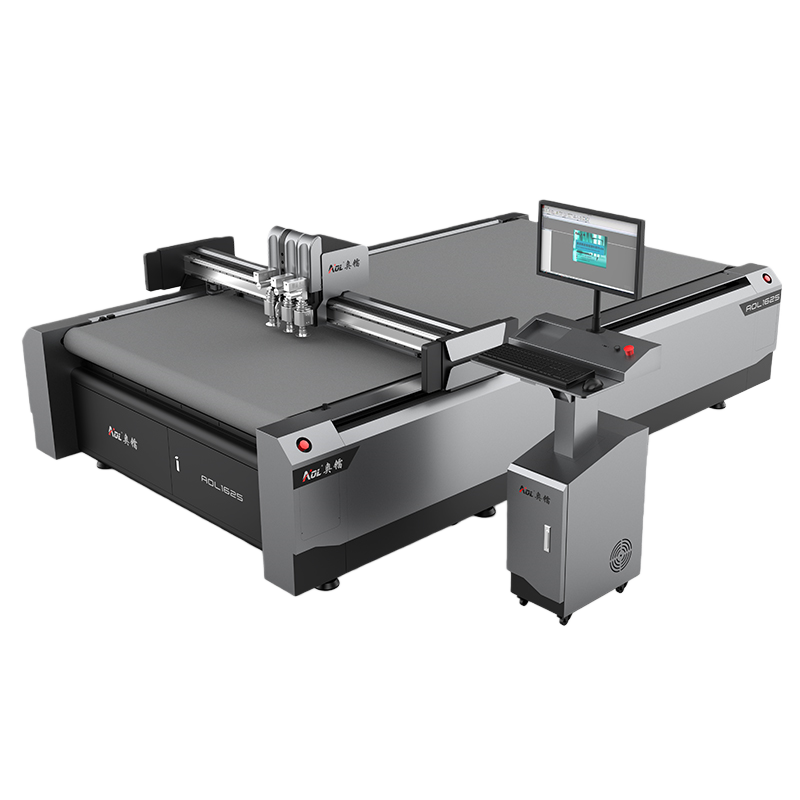
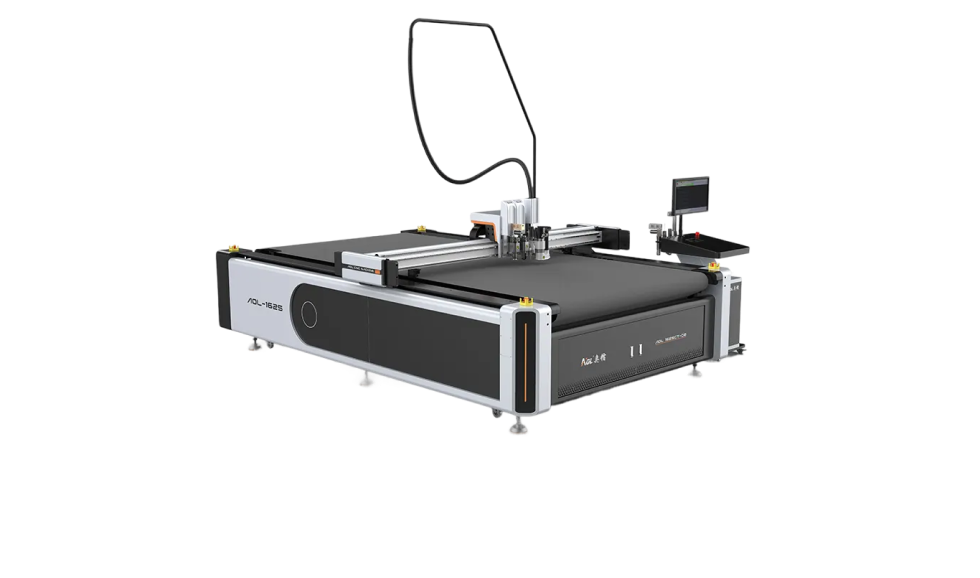
In the field of acoustic treatment and noise reduction engineering, the quality of raw materials is merely a starting point. What truly determines the final outcome is often every detail during the installation process. The acoustic material cutter serves as the bridge connecting high-quality acoustic materials to a perfectly quiet space. It is not merely a processing device but an indispensable core tool in modern industrial production and professional acoustic construction.
First, these machines fundamentally eliminate “sound leakage” through extreme precision control. Sound always travels along the path of least resistance. If acoustic foam, soundproofing felt, or mineral wool panels are cut with rough edges or inconsistent dimensions, the minute gaps left after installation become fatal flaws that compromise sound insulation. Traditional manual cutting struggles to guarantee absolute flatness, whereas professional cutting equipment delivers laser-like precision cuts. This ensures each material panel fits seamlessly, thereby guaranteeing that the sound transmission class (STC) of walls or spaces meets design specifications.
Second, amid surging market demand, cutting machines deliver critical efficiency gains and scalable production capacity. Accelerated urbanization, home theaters, open-plan offices, and stringent industrial noise regulations are driving explosive growth in acoustic material needs. Manual cutting is not only slow but also struggles to maintain consistency in high-volume production, becoming a bottleneck for companies accepting orders. Automated cutting equipment effortlessly handles hundreds or even thousands of square meters of panel processing, enabling businesses to rapidly deliver large-scale commercial projects. This transformation elevates small workshops into professional suppliers capable of undertaking major projects for hospitals, schools, recording studios, and similar facilities.
From an economic perspective, such equipment directly boosts corporate profit margins by minimizing material waste. High-quality acoustic materials, such as flame-retardant acoustic wool or high-density soundproofing felt, carry significant costs. Waste resulting from calculation errors or operational deviations during manual cutting represents a direct loss of profit. Modern cutting equipment typically features intelligent layout software that calculates optimal cutting patterns beforehand, maximizing raw material utilization. This precision cutting reduces material waste by 15% to 30%, lowering procurement costs while aligning with the environmental trend of green construction.
Furthermore, the role of cutting machines in safeguarding workers' occupational health is often underestimated, yet it represents a crucial aspect of their value. Many soundproofing materials inherently pose hazards: cutting rock wool or glass fiber wool generates skin-irritating fiber dust, while high-density rubber materials require labor-intensive manual cutting, increasing risks of muscle strain or lacerations. Automated cutters isolate operators from dust and blades through enclosed cutting systems and integrated dust extraction interfaces. This significantly improves working conditions, reduces injury risks, and helps businesses meet occupational health and safety compliance requirements.
Finally, as acoustic decoration evolves toward “aesthetic design,” cutters demonstrate their value through their ability to handle complex fabrication processes. Today's acoustic materials transcend the gray squares on office ceilings, increasingly appearing in high-end hotels and homes as 3D sculptural forms, custom logos, or curved absorbers. Advanced soundproofing cutting equipment effortlessly achieves precise cuts for these intricate shapes, enabling manufacturers to break free from low-price competition and enter the higher-margin realm of custom “acoustic artistry.”

 EN
EN