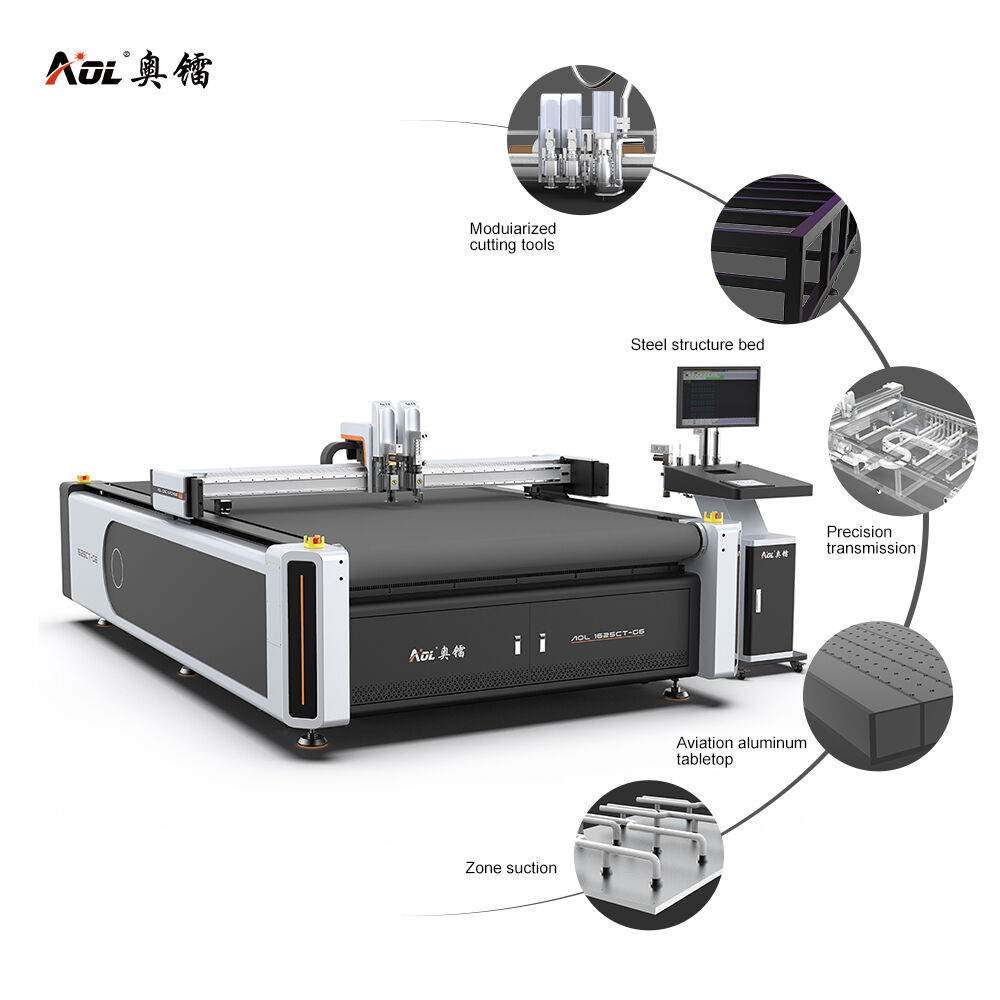
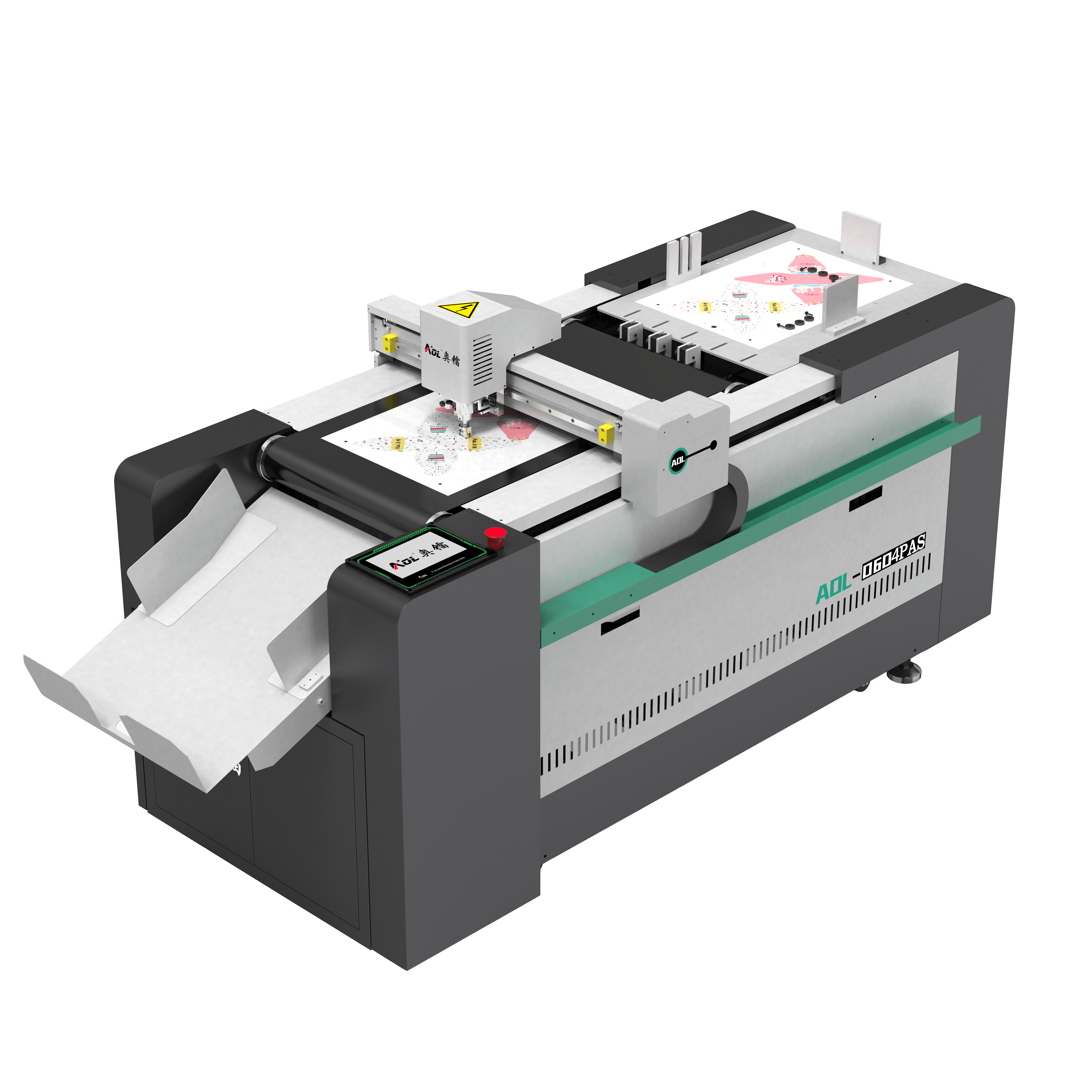
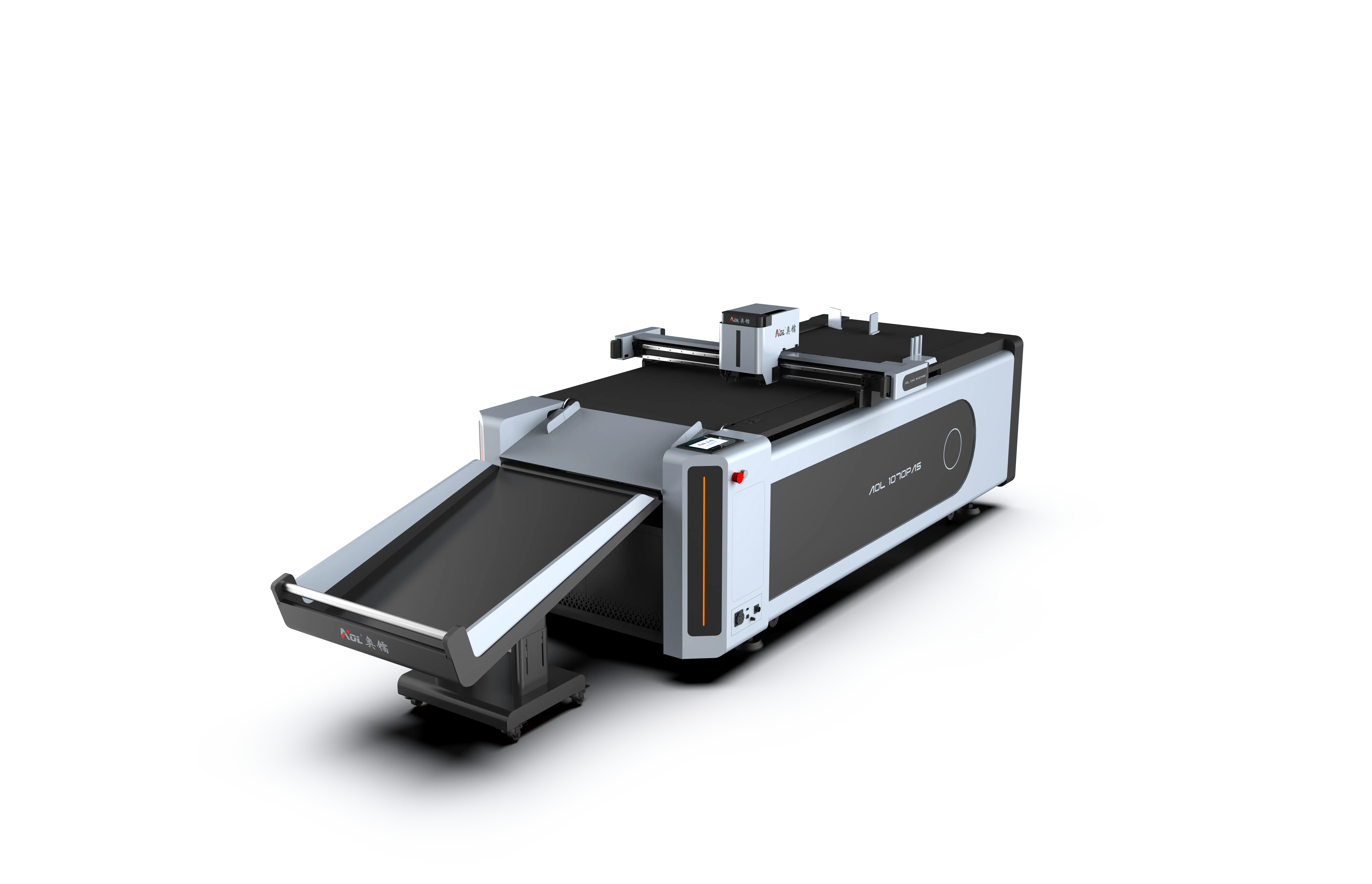
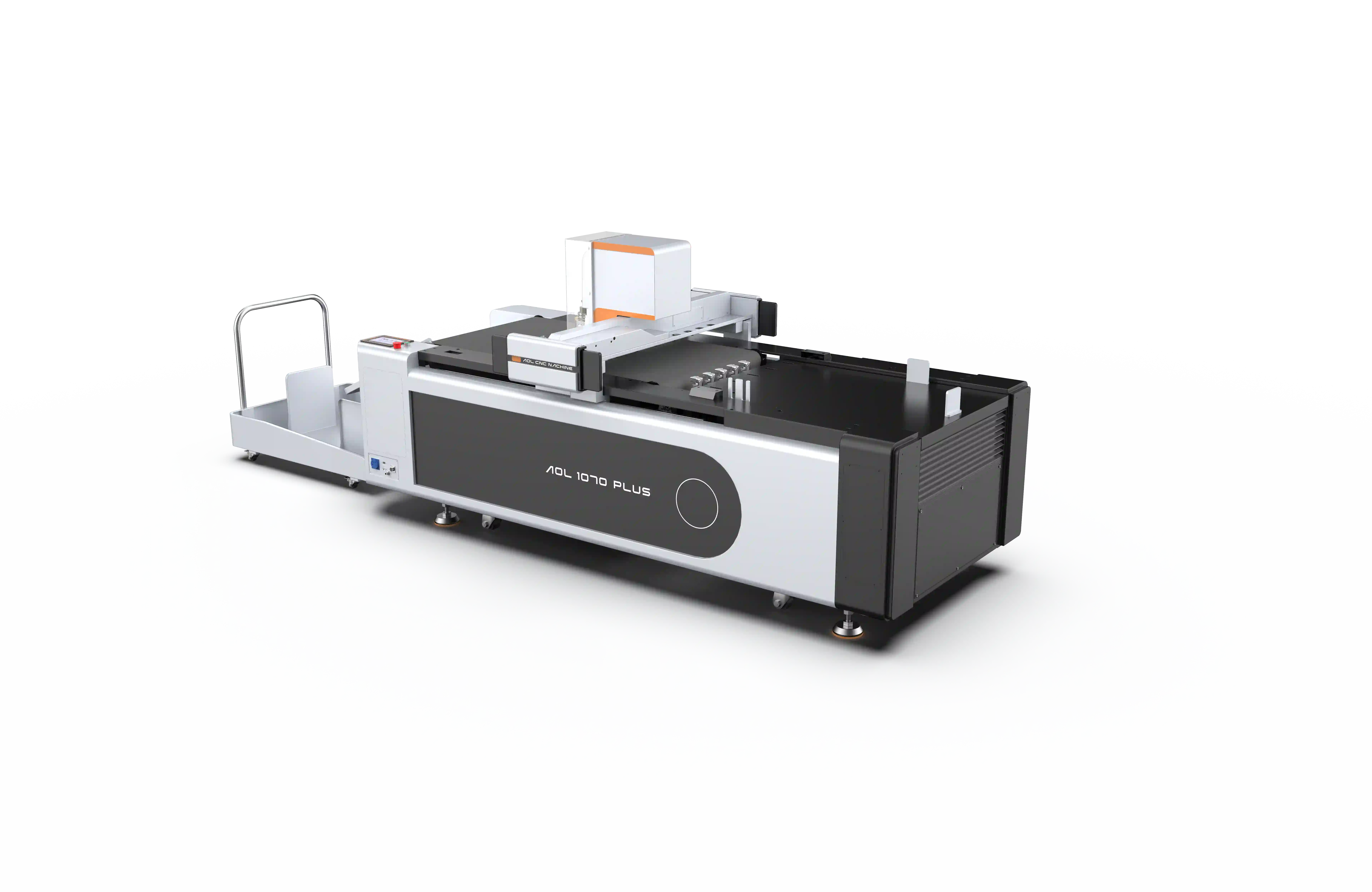
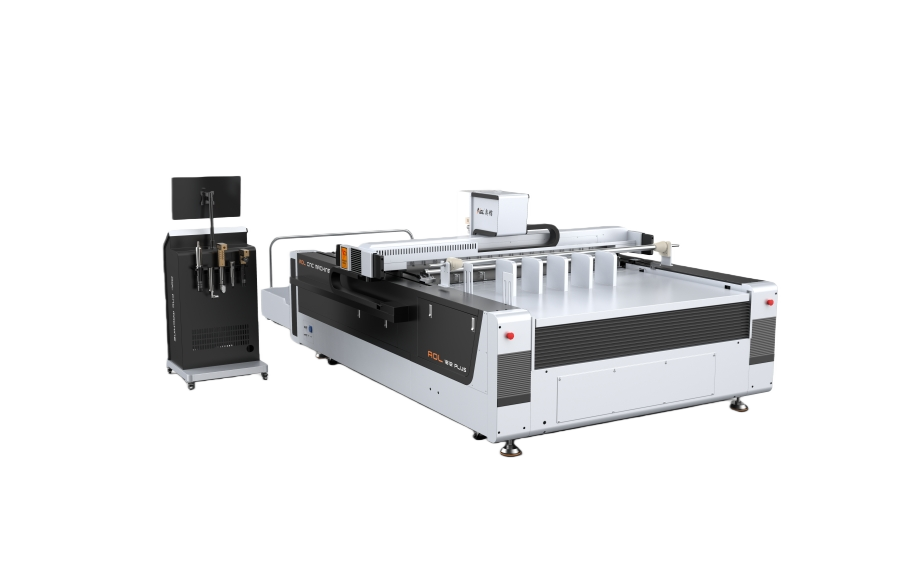
In an era of surging global demand for healthy office environments, sustainable building materials, and acoustic comfort, acoustic panel cutting machines have evolved beyond mere production line components to become the core engine reshaping the entire acoustic material manufacturing landscape. They embody more than just precision cutting capabilities, driving transformative change across three dimensions: sustainability, customized agile manufacturing, and occupational health and safety.
First, regarding sustainability: Traditional die-cutting or manual trimming often generates over 30% scrap when processing eco-friendly acoustic materials like PET polyester fiber or recycled cotton. This creates an implicit resource paradox for an industry touting its “green” credentials. Modern intelligent acoustic panel cutters, however, utilize visual recognition and high-density nesting algorithms to achieve millimeter-level overlapping arrangements of irregular modules (such as wedges, arcs, and perforated panels) on sheet materials. This boosts material utilization from 70% to over 95%. This means companies no longer need to sacrifice high precision for high waste. True green manufacturing is no longer just a marketing slogan but a hard cost-reduction item in financial models.
Secondly, the acoustic market is undergoing a transformation from “fixed installations” to “dynamic assets.” Scenarios like co-working spaces, live-streaming studios, and home theaters demand acoustic components that enable rapid reconfiguration, customized patterns, and adaptation to irregular wall surfaces. The traditional capital-intensive production model reliant on mold-making can no longer respond to this fragmented, high-frequency order structure. The core significance of acoustic panel cutting machines lies in enabling “mold-free production”—designers' CAD drawings can be directly converted into cutting paths, where five custom panels yield the same marginal profit as five hundred standard panels. This empowers manufacturers to serve the new “Acoustics-as-a-Service” business model, freeing them from being locked into the low-margin red ocean of standardized products.
More critically, it is redefining hygiene and safety standards in material processing. Traditional methods for cutting high-performance acoustic substrates like glass wool or mineral wool generate significant airborne dust as blades tear fibers, corroding equipment guides and causing irreversible respiratory harm to operators. Professional cutting equipment utilizing ultrasonic welding blades or high-frequency vibrating blade technology simultaneously melts and seals edges during cutting, suppressing dust at its source. This “cut-and-seal” capability enables factories to process hazardous materials at scale without relying on negative-pressure workshops or full protective gear. It doesn't merely boost cutting efficiency; it fundamentally lowers the barrier to compliant production.
Finally, acoustic panel cutters are democratizing high-precision acoustic design. Previously, only well-funded concert halls or recording studios could afford custom three-dimensional diffusers or carved acoustic panels, as each non-standard shape required thousands of dollars in tooling costs. Today, CNC cutters execute digital files with printer-like precision, enabling vocational school lecture halls to feature professional studio-grade geometric diffusion structures. As software and cutting tools dismantle craft barriers, acoustic design transforms from a luxury item into a standard feature. This machine's significance lies in making quality acoustic environments dependent not on budget, but on awareness.
In summary, the acoustic panel cutter is pivotal because it removes the deepest thorn in the entire industry chain—unifying the physical properties of eco-friendly materials, the flexibility of custom orders, the rigidity of occupational health standards, and the accessibility of complex designs. It transforms these once-conflicting elements into a sustainable, profitable, and executable manufacturing loop. Amidst the dual waves of acoustic consumption upgrades and increasingly stringent global green manufacturing regulations, it is no longer merely an option. It has become essential infrastructure for any manufacturer aspiring to remain within mainstream supply chains.

 EN
EN