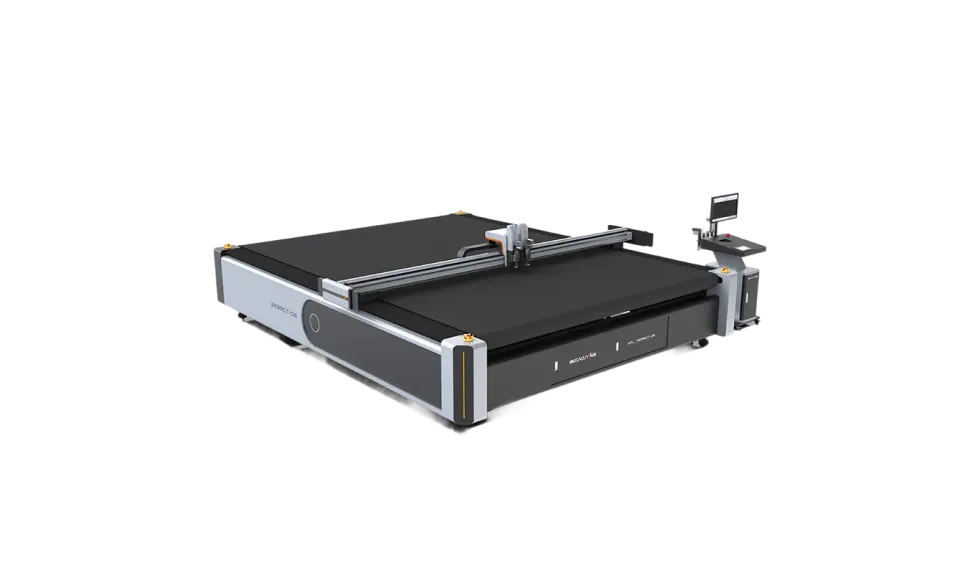
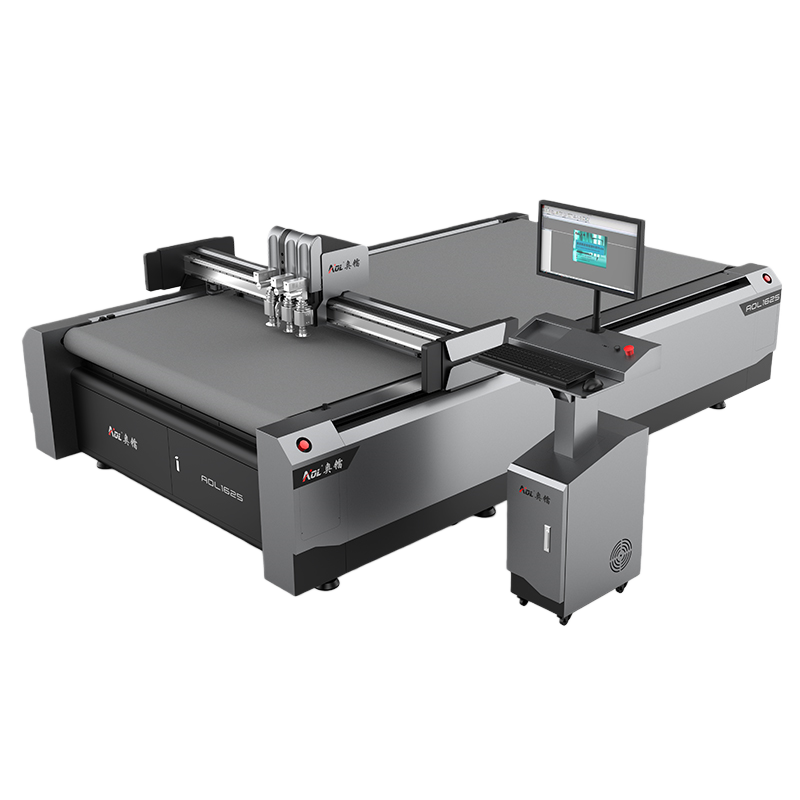
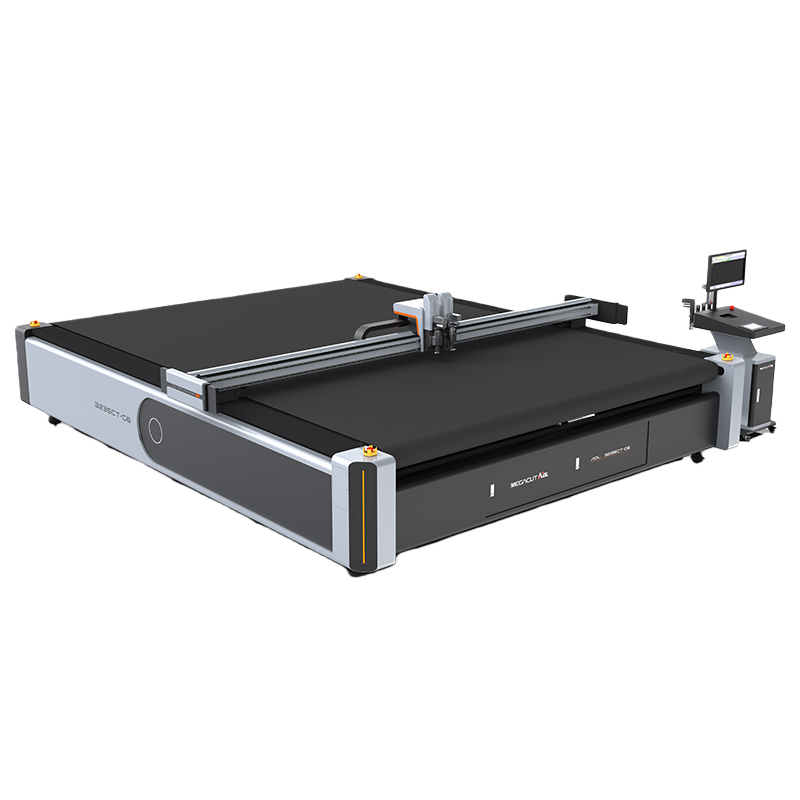
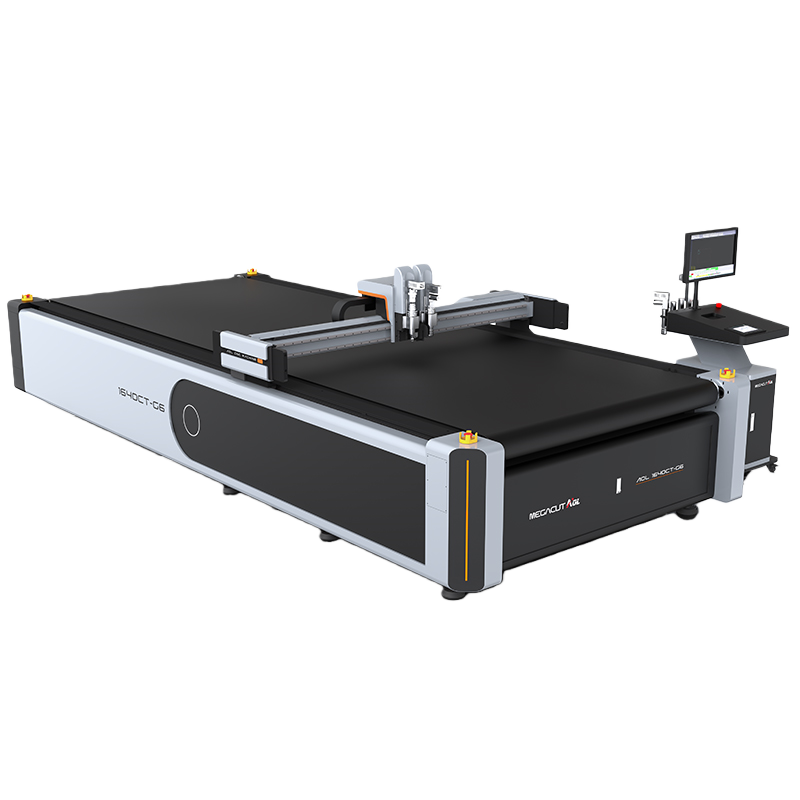
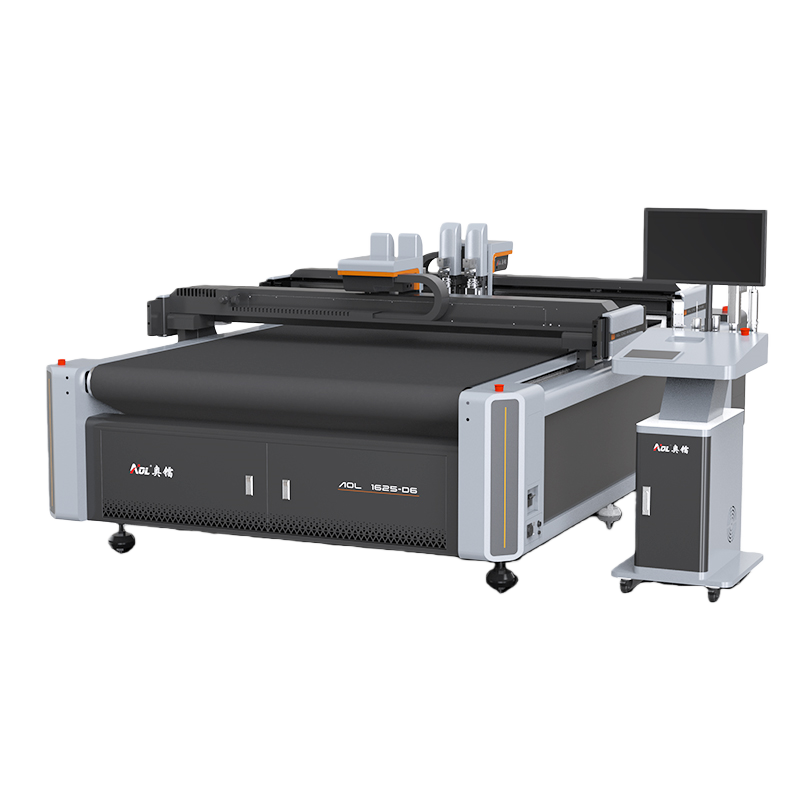
In today's fast-paced textile and apparel manufacturing sector, efficiency serves as the core benchmark for competitiveness, while waste represents a critical burden directly impacting profitability. The value of an automatic feed cutting machine extends far beyond that of a simple tool; it represents a strategic investment capable of redefining production processes. To truly grasp its significance, we must look beyond the sharp blades and examine its profound impact on the three pillars of manufacturing: speed, waste control, and labor optimization.
For manufacturers dedicated to producing upholstery, apparel, automotive textiles, and technical fabrics, the automatic feed fabric cutting machine has become indispensable core equipment. Its primary contribution lies in completely eliminating the “labor bottleneck” inherent in traditional cutting processes. Historically, cutting rooms often became bottlenecks in factory production rhythms. Skilled workers manually laid out fabrics, marked lines, and cut materials—a process inevitably constrained by human fatigue and speed limitations. Automated feed cutting machines operate differently. Through integrated conveyor belts or roller systems, they simultaneously feed new materials into the cutting zone while cutting is underway, eliminating all waiting time associated with manual loading and unloading. This continuous operation capability, combined with cutting speeds far exceeding human capacity, enables factories to handle larger orders and meet tighter deadlines without significantly expanding their workforce.
In terms of economic returns, automated feeding technology excels in controlling raw material costs. Fabric expenses typically account for 50% to 70% of a product's total cost, meaning even minor reductions in waste directly translate to increased net profits. Driven by advanced CAD software, the automated feed cutting machine employs “nesting” algorithms to calculate optimal layout configurations before cutting. This digital precision planning reduces fabric waste by 5% to 15%. Simultaneously, the machine executes digital instructions with micron-level accuracy, eliminating human error inherent in manual cutting and safeguarding costly raw material investments. Moreover, this machine addresses the increasingly critical shortage of skilled workers in manufacturing. It lowers the experience threshold for operators, allowing ordinary employees to become proficient after brief training. Simultaneously, it significantly reduces the physical strain of manually handling heavy fabric rolls, effectively lowering workplace injury risks and employee turnover rates.
In terms of quality control and production scalability, the automatic feed cutting machine excels. Ensuring the 500th cut piece matches the first is crucial for achieving consistency in mass production. This high uniformity is vital for subsequent sewing and assembly processes, effectively preventing rework delays caused by mismatched pieces. It effortlessly handles complex and sharp internal corner cuts—a feat difficult to replicate perfectly by hand. More importantly, as an intelligent device of the Industry 4.0 era, it seamlessly integrates with enterprise ERP management systems and design software, uploading real-time production efficiency and material usage data to empower management with robust insights for continuous optimization. In summary, the core value of the automatic feed cutting machine lies in its ability to transform the traditional cost center—the cutting workshop—into a profit center for the enterprise. By integrating automated feeding with precision cutting, it empowers manufacturers to firmly grasp the three winning keys in fierce global market competition: higher output, lower costs, and superior quality.

 EN
EN