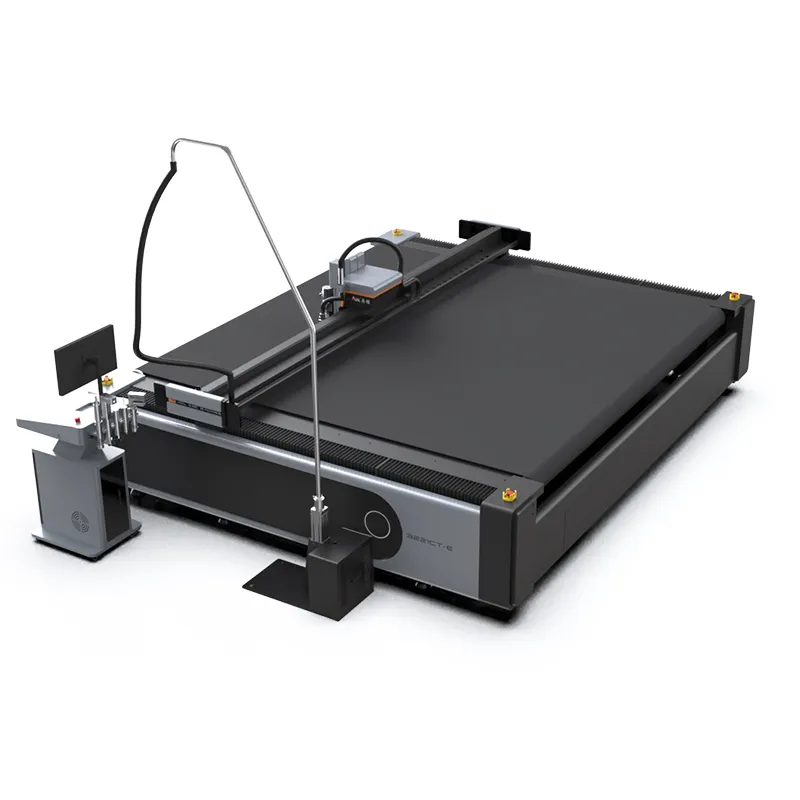
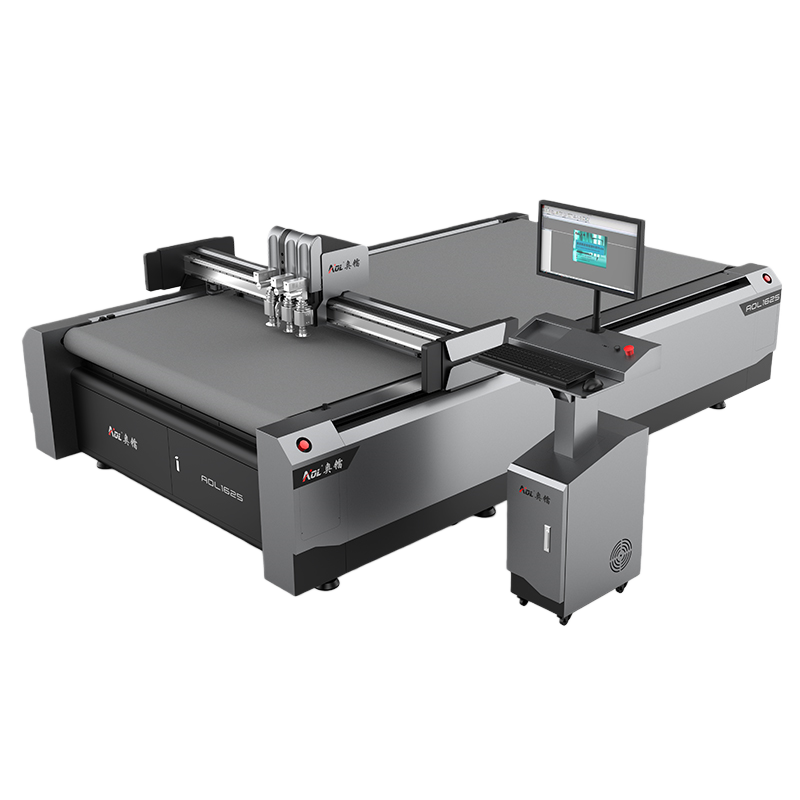
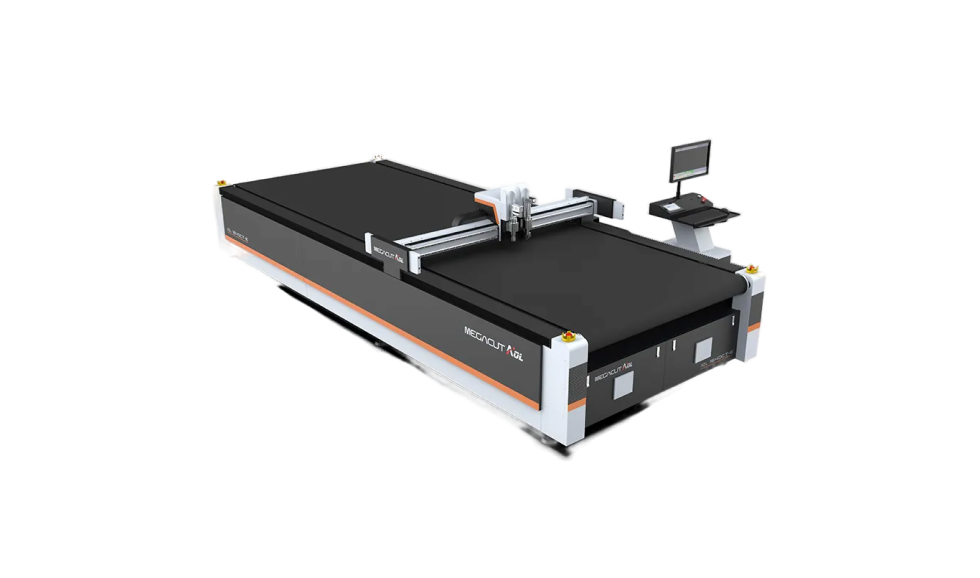
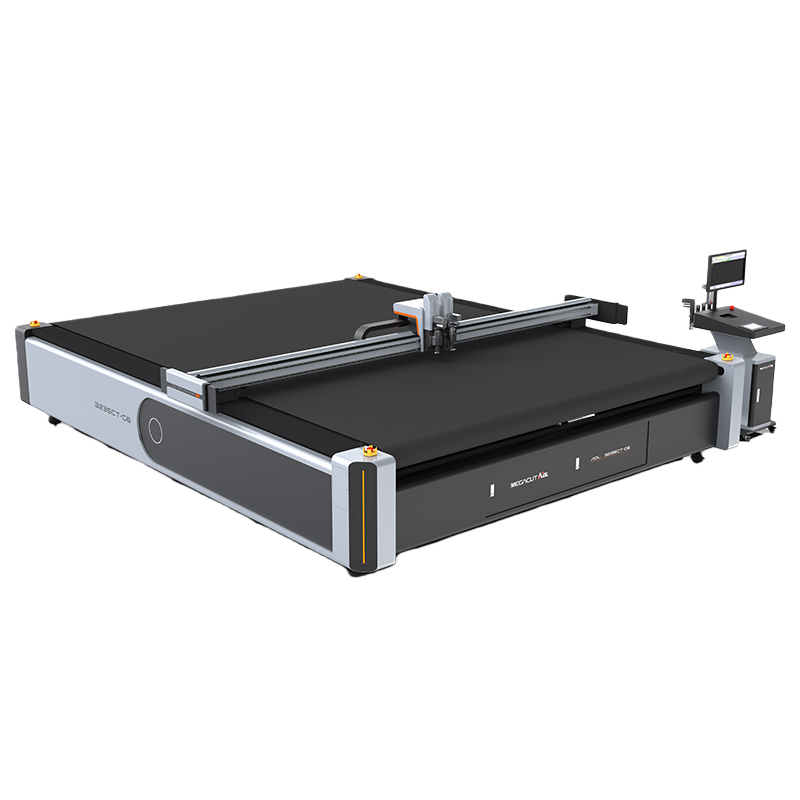
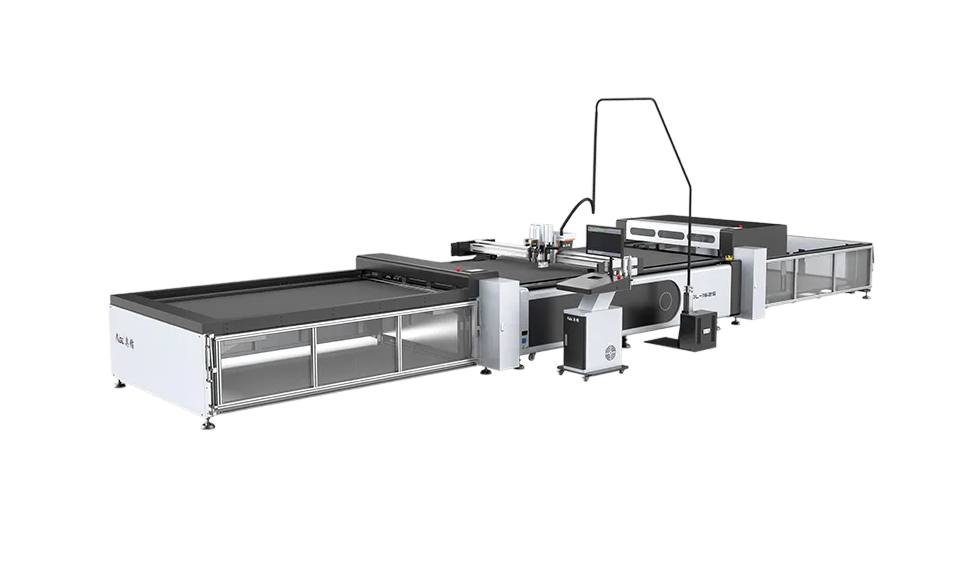
In modern large-scale production, CNC cutting machines have become essential tools for boosting efficiency. For curtain factories, they can cut stacked fabrics up to 5 to 7 centimeters thick in a single pass. This means tasks that once required hours of manual cutting can now be completed in minutes. Whether producing standardized curtains for hotel chains or supplying finished curtains to retailers, this equipment ensures precise dimensions for every piece of fabric. More importantly, its integrated intelligent layout software maximizes fabric utilization, saving businesses up to 15% in raw material costs—a substantial profit boost in long-term, large-scale production.
The value of CNC cutters is equally significant in the high-end custom market. Contemporary curtain design trends increasingly feature intricate techniques like ruffled edges, geometric trims, and irregular waterfall patterns. For high-end studios specializing in bespoke tailoring, manually cutting these intricate patterns is not only time-consuming but also challenging to ensure consistency. CNC equipment, through preset programs, effortlessly handles precise cutting of expensive fabrics like silk and velvet, guaranteeing flawless lines in every piece. This “flexible manufacturing” capability enables efficient, high-quality delivery of small-batch, multi-variety, high-margin orders.
For producing specialized functional curtains, CNC cutters are indispensable. Take blackout curtains, for instance: typically composed of multiple layers of different materials, traditional cutting methods often cause edge deformation or delamination. CNC cutters utilizing ultrasonic or oscillating blade technology achieve clean cuts without compromising material integrity, simultaneously fusing and sealing edges to prevent fraying. Whether for heavy theater curtains in acoustic environments or antimicrobial curtains required in hospitals and laboratories, this high-precision processing method meets stringent craftsmanship demands.
Furthermore, CNC cutting machines demonstrate broad application potential in the interior design of specialty vehicles like RVs, yachts, and private jets. Curtains in these spaces often feature irregular dimensions and demand extremely high installation precision. CNC equipment can cut custom-shaped curtains that perfectly match the curves of vehicle windows based on digital models, meeting the premium custom market's pursuit of detail and quality.
With the rapid growth of e-commerce, CNC cutting machines have also spawned a new business model: on-demand cutting and drop shipping. For e-commerce warehouses or flexible supply chain centers, there's no longer a need to stock large quantities of finished products in various sizes. Instead, they only need to store fabric rolls. When customers place online orders for curtains of specific dimensions, the system automatically retrieves the program, and the machine cuts them on demand. This “zero inventory, rapid response” model is reshaping the future of curtain retail.
Finally, CNC cutting machines also serve as accelerators in product development and sample production. Designers can use them to rapidly create samples for trade shows or client presentations. This allows them to validate new designs without launching full production lines, significantly shortening time-to-market for new products. From integrating smart manufacturing to practicing sustainable production principles, CNC cutting machines are propelling the curtain industry toward greater efficiency, precision, and environmental responsibility.

 EN
EN