
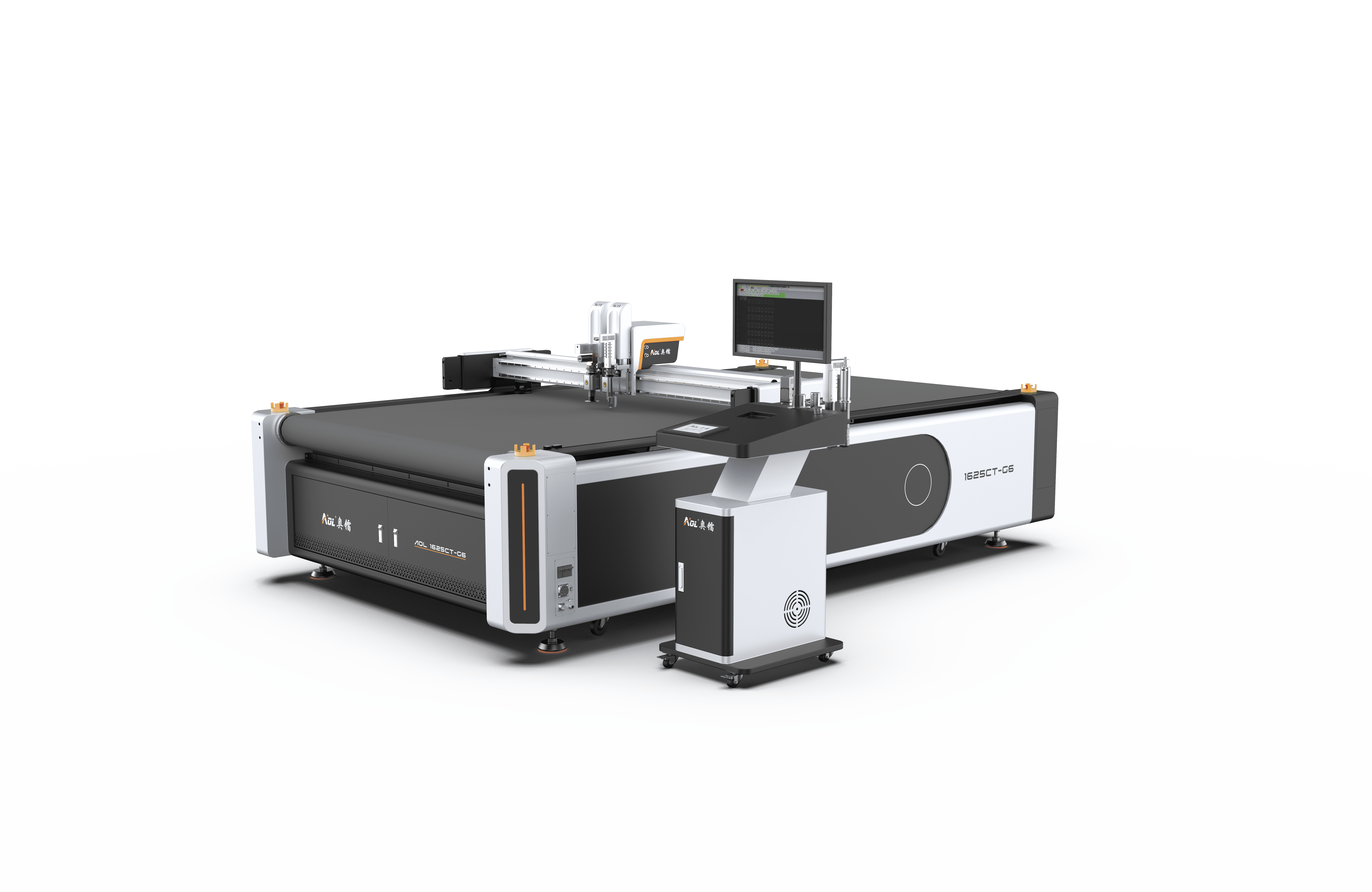
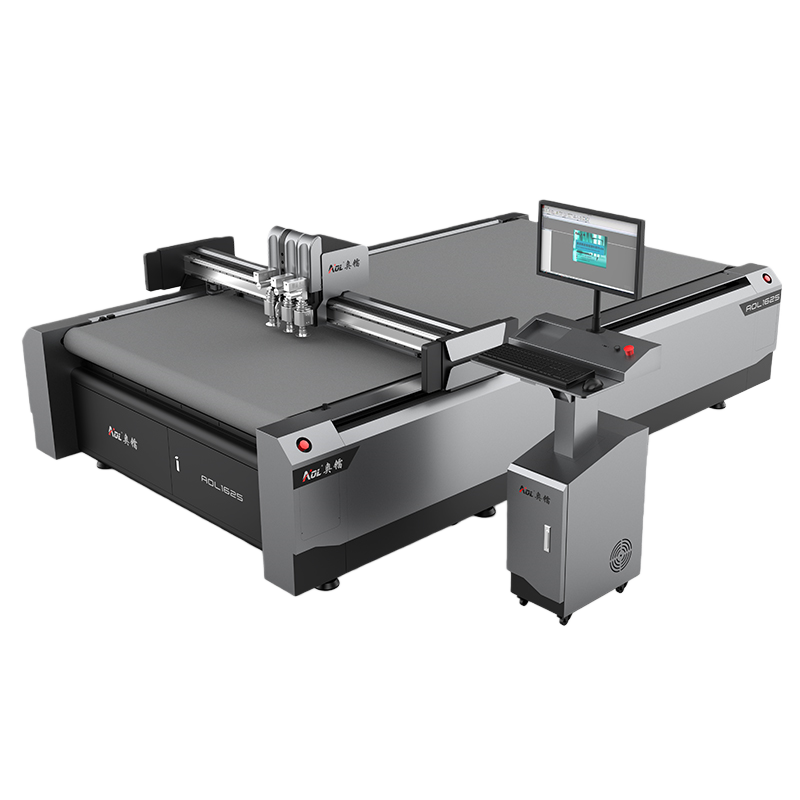
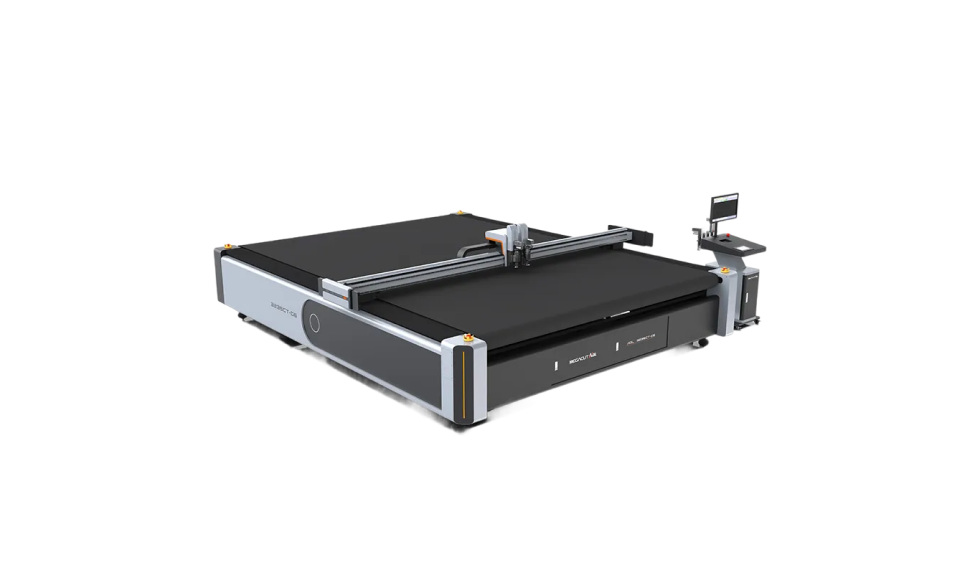
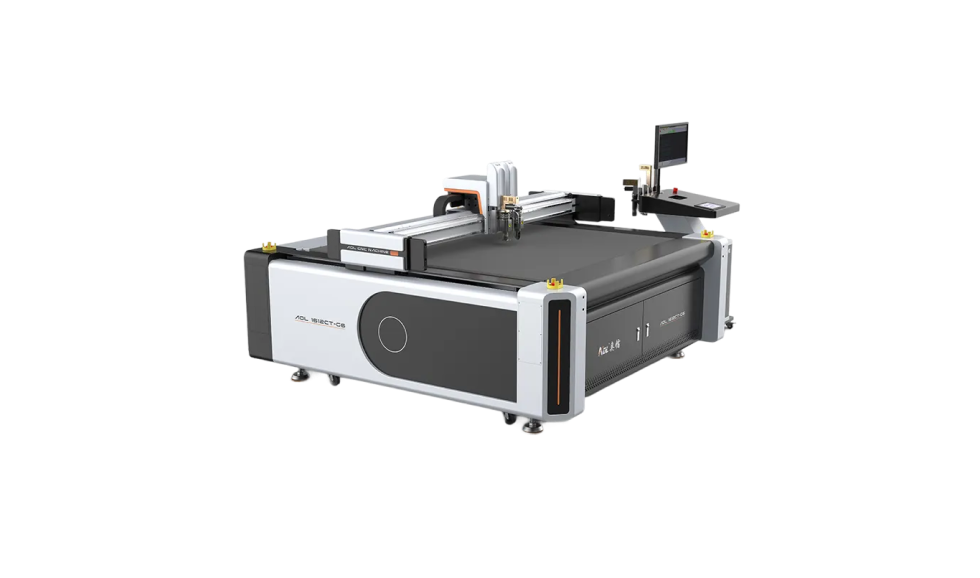
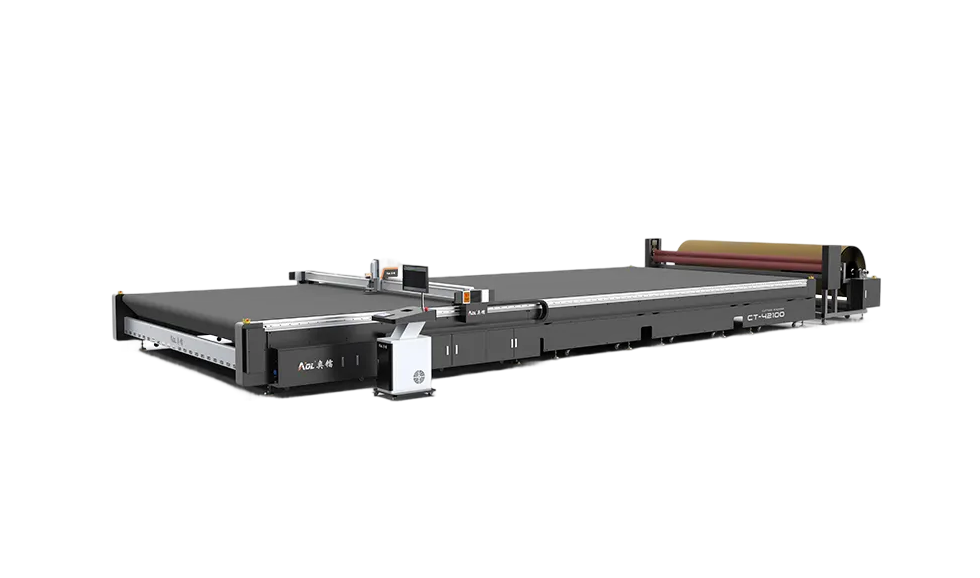
In today's fast-paced textile and apparel industry, the real battleground for profits often lies not on the runway or in the design studio, but in the cutting workshop. This is why automated fabric cutting machine manufacturers are gradually transitioning from equipment suppliers to strategic partners who determine supply chain efficiency. First, the automation solutions these manufacturers provide directly address the industry's most challenging pain points—labor shortages and skill gaps. Traditional manual cutting relies on experienced master cutters, requiring lengthy training cycles and incurring high labor costs. Automated cutting machines, through digital interfaces, transform complex cutting processes into standardized procedures. This enables a single ordinary operator to handle workloads previously requiring five to ten people, significantly reducing factories' dependence on scarce labor.
Second, in cost control, the technical prowess of automated cutting machine manufacturers directly translates into net profit for clients. Fabric costs typically account for 50% to 70% of a garment's total production cost. Minor errors from traditional manual cutting accumulate into staggering waste during mass production. Leading manufacturers' automated cutting systems integrate advanced nesting algorithms that calculate the most material-efficient layout in minimal time. This “meticulous calculation” typically saves enterprises 3% to 5% in fabric costs. In the low-margin manufacturing sector, this often represents the difference between profitability and loss. Simultaneously, this precision cutting perfectly aligns with contemporary brand demands for sustainable supply chains by reducing industrial waste generation.
Furthermore, these manufacturers form the technological foundation enabling the implementation of “fast fashion” models and on-demand production. Faced with rapidly changing market demands, the speed and flexibility of manual cutting have become production bottlenecks. Equipment provided by automated cutting machine manufacturers can operate at high speeds around the clock, responding instantly to order changes with simple modifications to cutting files on a computer. This shift from “manufacturing” to “smart manufacturing” empowers factories with the agility to handle small-batch, multi-style, and highly complex orders. Ultimately, partnering with a specialized automated cutting machine manufacturer ensures product consistency and safeguards brand reputation. Whether cutting delicate silk or high-strength technical composites, precision automation guarantees identical dimensions from the first to the last piece. This eliminates size discrepancies at the source, reducing e-commerce returns and helping apparel brands build robust quality trust in the end-market.