
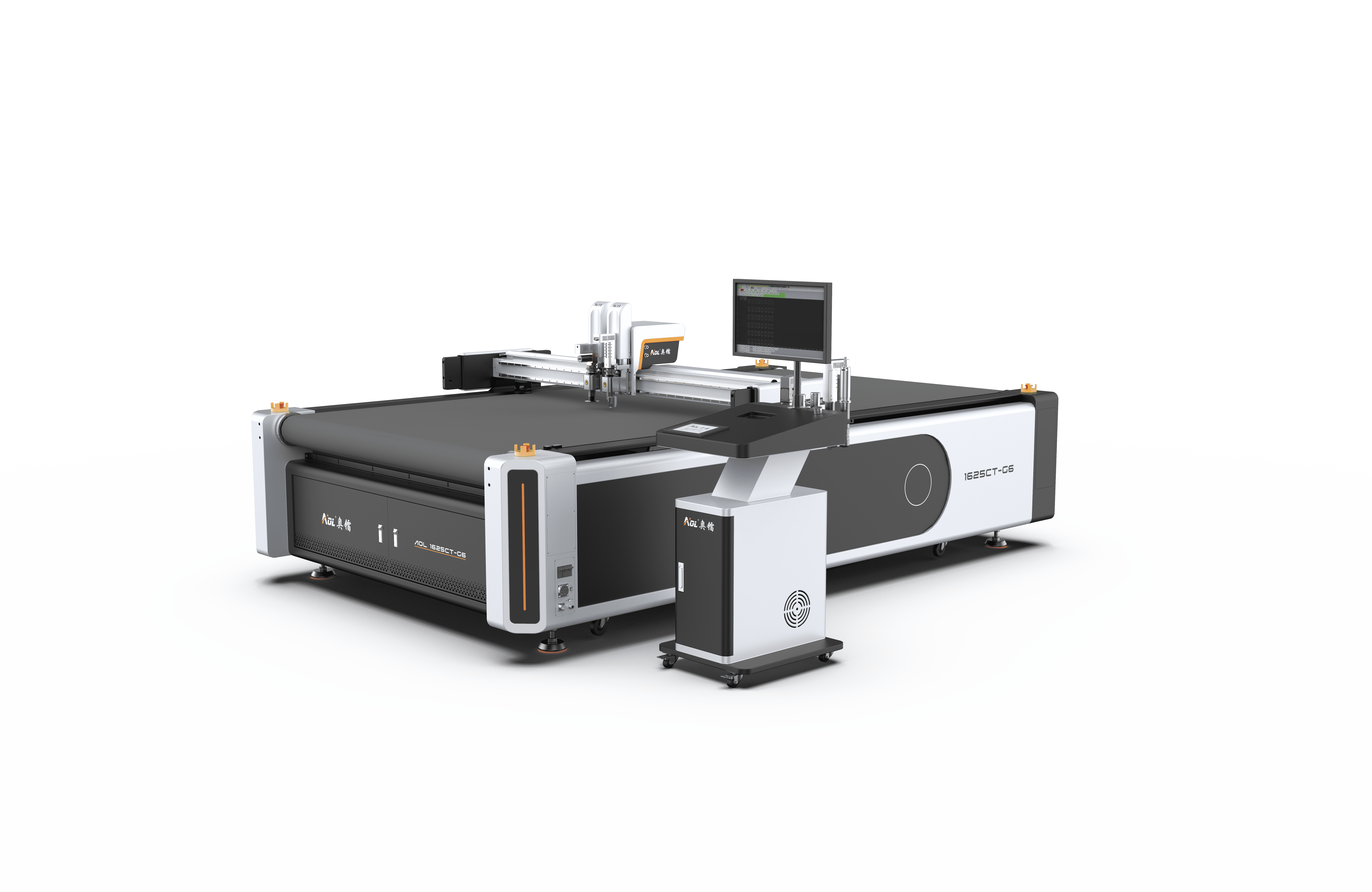
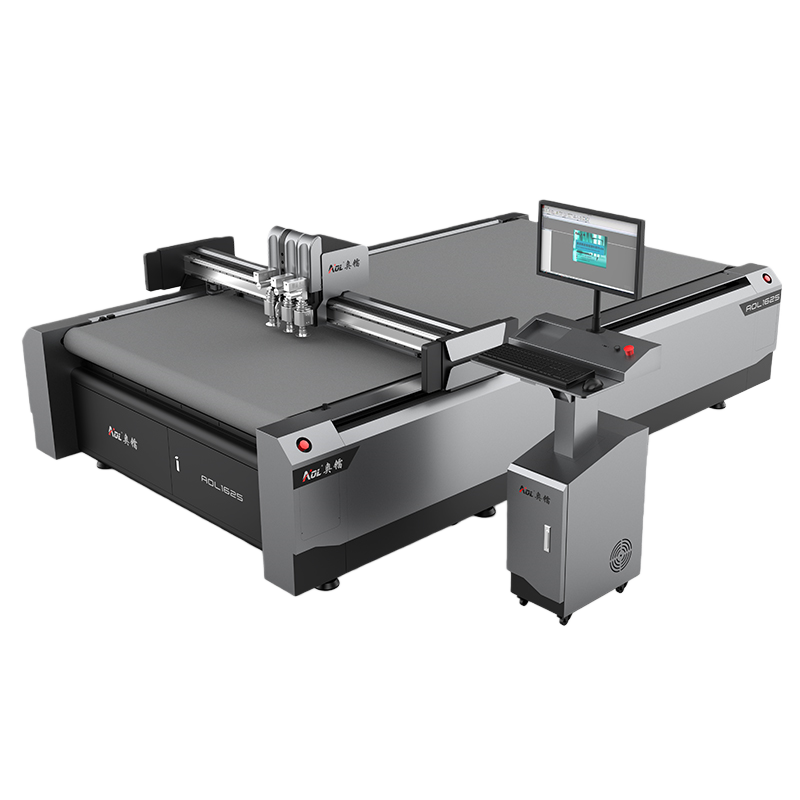
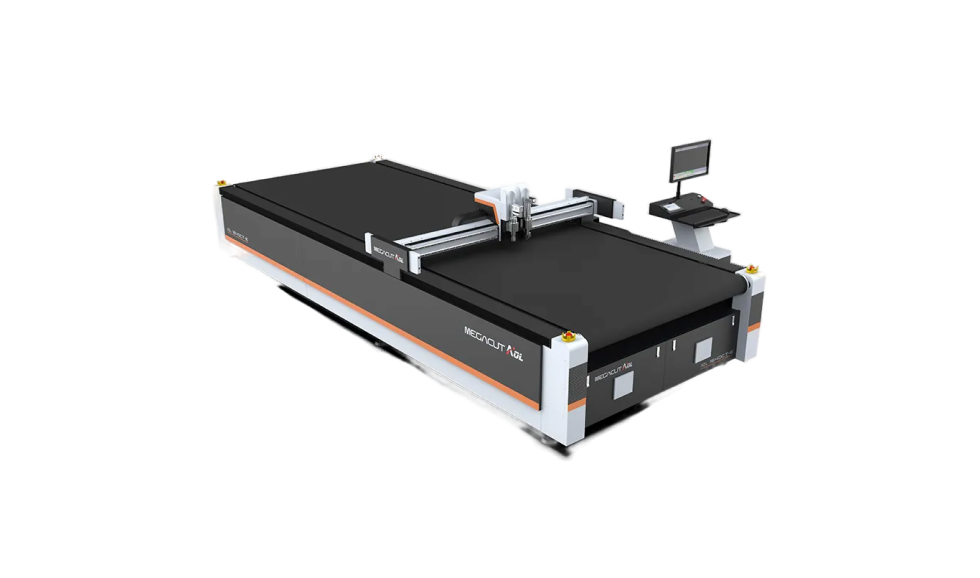
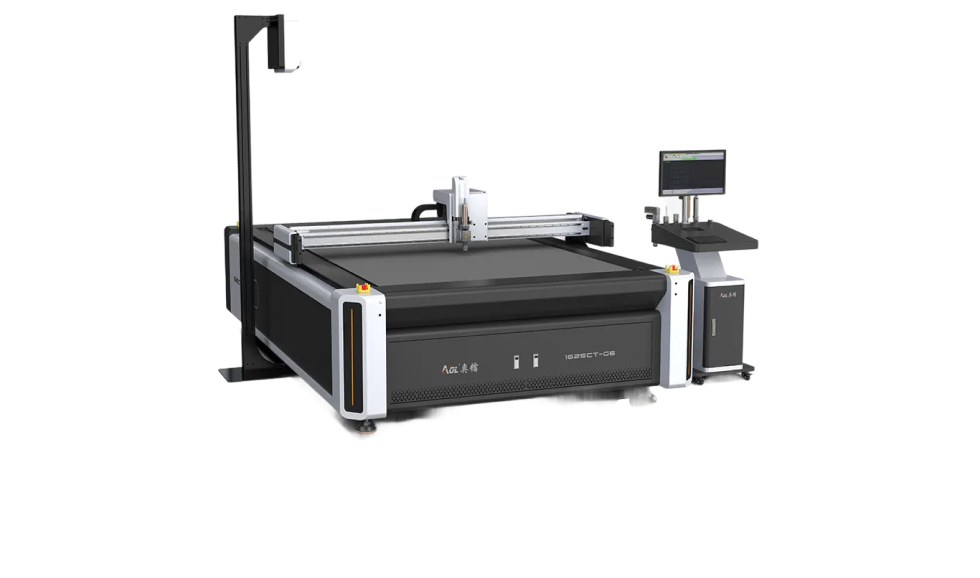
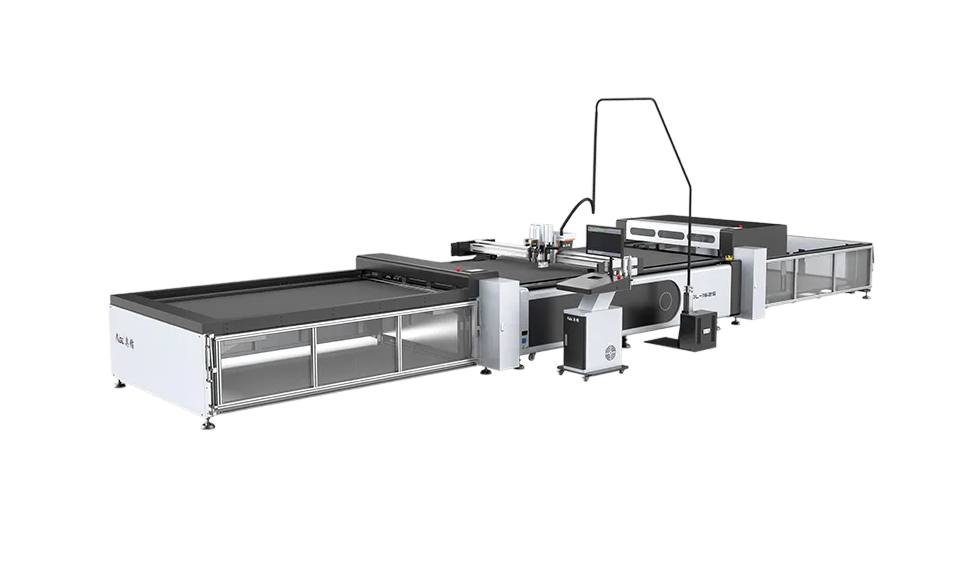

In today's rapidly evolving manufacturing and processing landscape, a company's competitiveness increasingly hinges on its speed of response and adaptability to market shifts. The emergence of the Single Layer Cutter represents not merely an equipment upgrade, but a strategic transformation from traditional mass production models toward agile manufacturing and on-demand customization. Its core significance lies in empowering the on-demand economy. Unlike conventional cutting equipment reliant on molds or multi-layer fabric stacking, the single-layer cutting system allows businesses to profitably handle “single-piece or ultra-small batch” orders. Whether producing a custom gown or a set of personalized name tags, it achieves this effortlessly. This “sell-first, cut-later” model eliminates high inventory pressure, truly enabling just-in-time production while significantly reducing capital tied up and the risk of unsold inventory.
Simultaneously, the equipment demonstrates significant advantages in material adaptability and sustainability. When dealing with today's diverse and price-volatile materials—such as carbon fiber, technical textiles, or heat-sensitive fabrics with printed surfaces—stacking multiple layers often causes distortion, misalignment, or damage to underlying materials. The single-layer cutting machine perfectly resolves this challenge by cutting one layer at a time, ensuring the integrity of the material structure. More importantly, combined with advanced nesting software, it enables the most compact layout on single-layer materials, significantly reducing fabric gap waste. This has direct economic implications for businesses aiming to lower costs and achieve environmental goals. In terms of precision and quality, the advantages of the single-layer cutting machine are even more pronounced. Without the resistance of multiple layers, the cutting blade maintains optimal sharpness and oscillation frequency, ensuring flawlessly smooth edges from top to bottom (even with just one layer). Particularly when handling digitally printed fabrics, camera-based registration mark recognition enables precise contour cutting, guaranteeing perfect alignment between printed patterns and cut edges—a level of precision unattainable by multi-layer cutting systems.