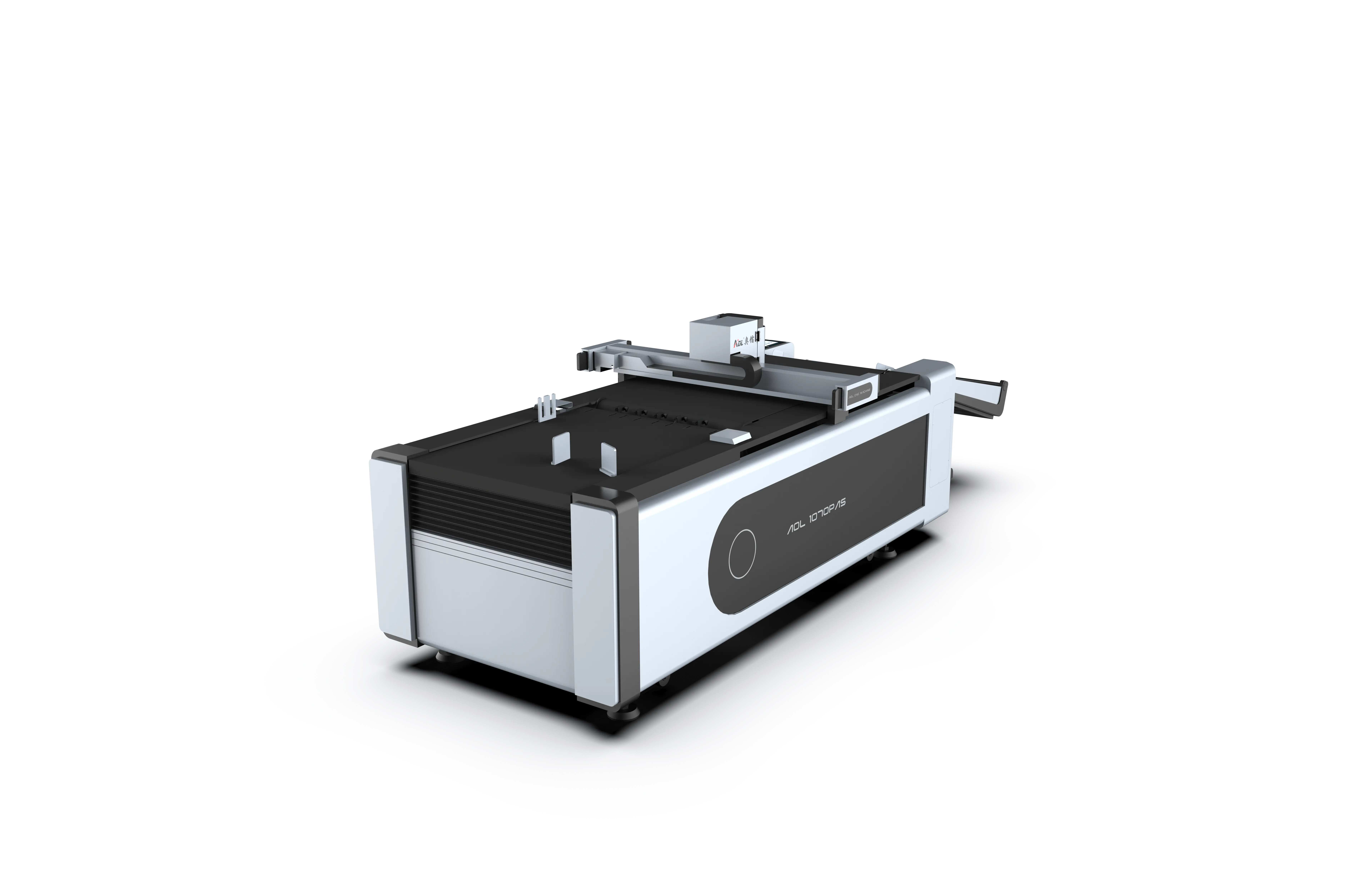
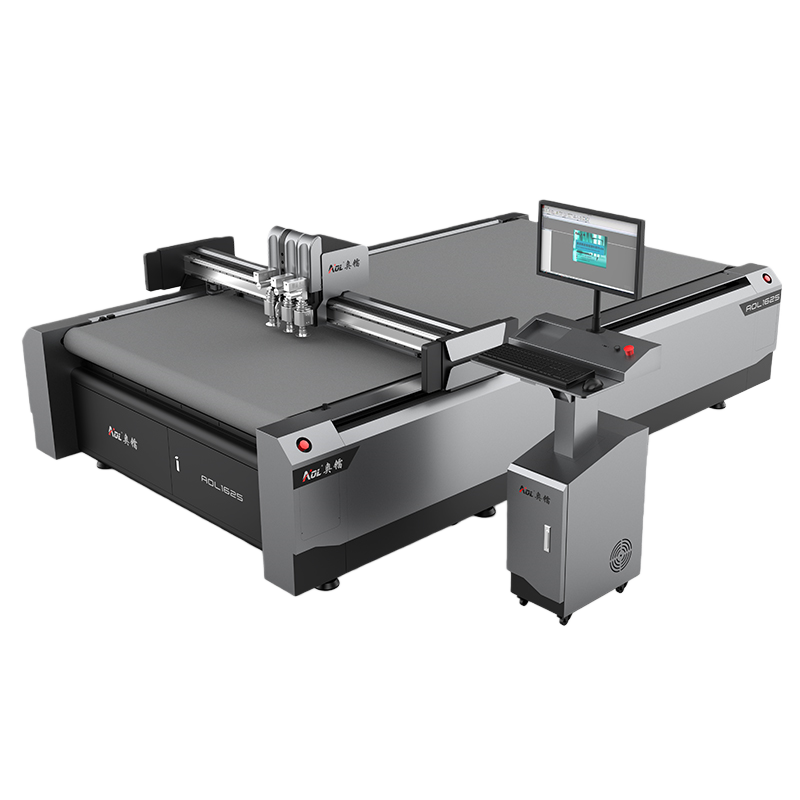
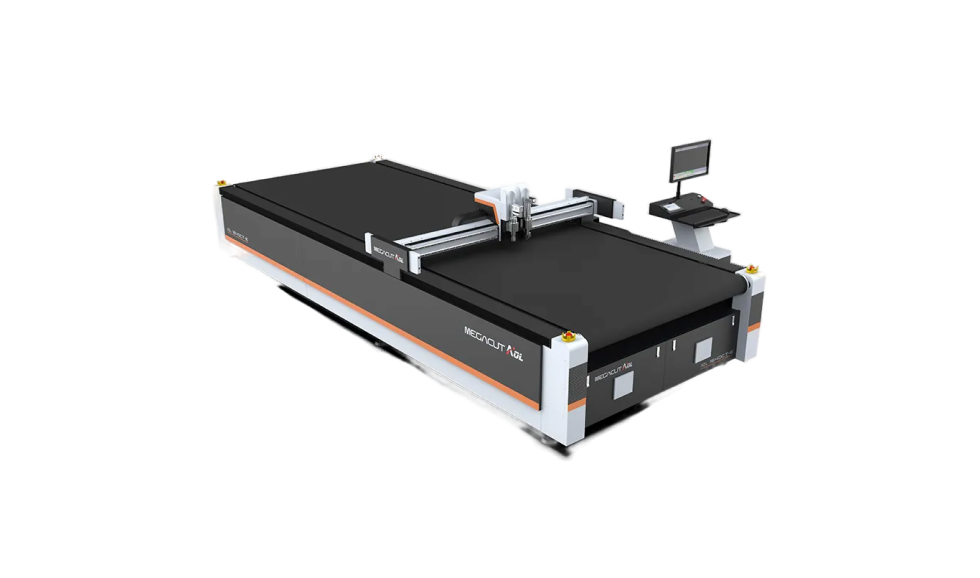
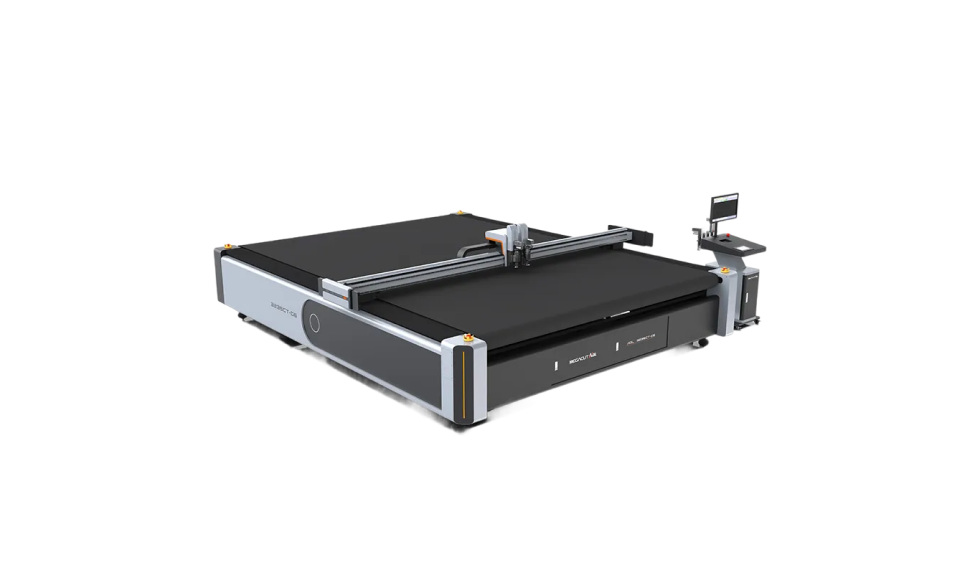
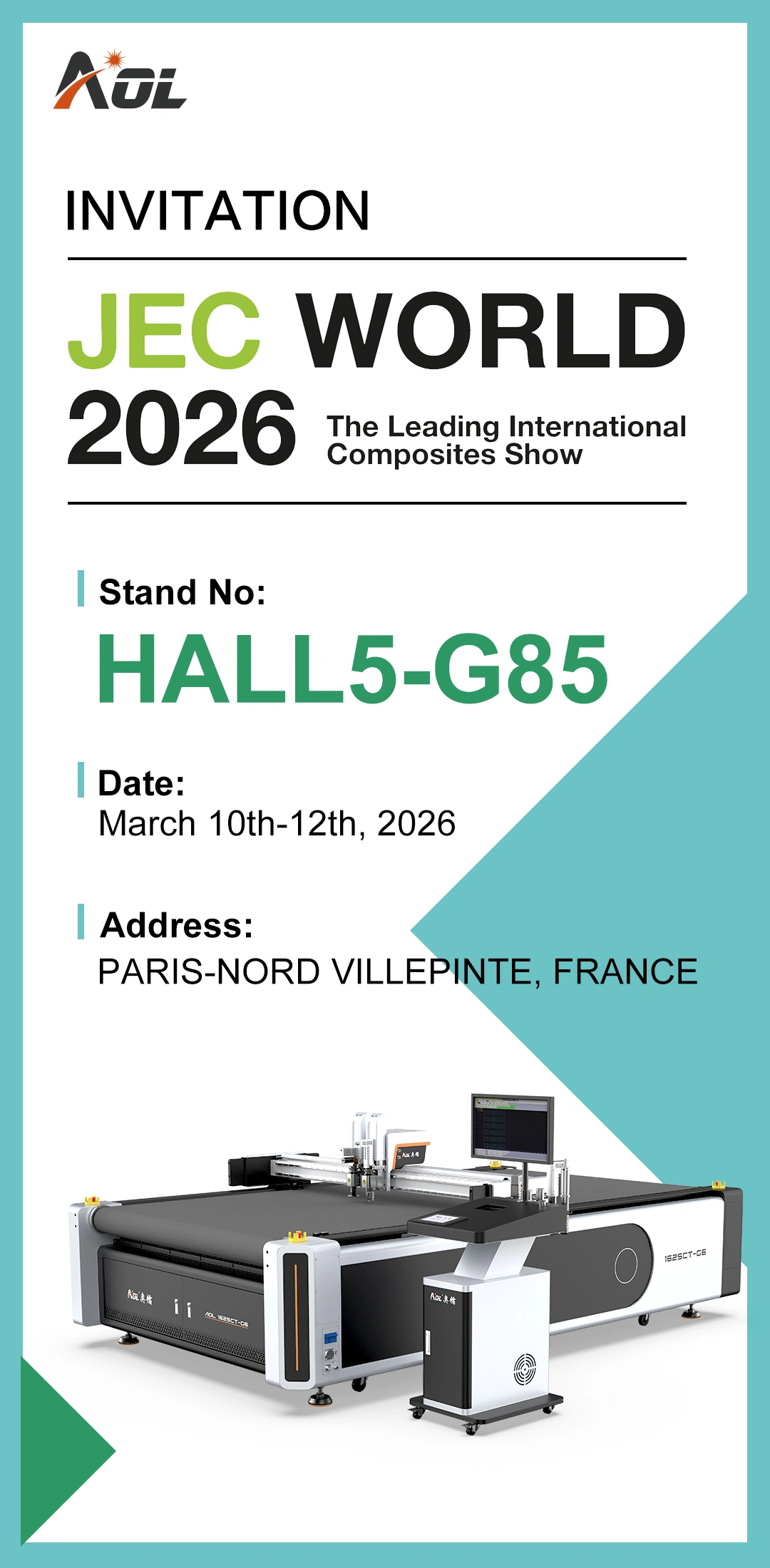
With the rise of electric vehicles and the advancement of autonomous driving technology, automotive interior spaces are undergoing a profound transformation—no longer merely a simple combination of seats and carpets, but evolving into mobile living spaces that integrate technology, comfort, and personalized customization. This evolution has significantly driven market demand for flexible, high-precision automotive interior cutting machines, whose application domains are rapidly expanding.
In the core field of seat manufacturing, this equipment demonstrates irreplaceable value. Whether providing high-volume, high-speed cutting of leather, fabric, and composite material layers for OEMs, or meeting the demands of classic car restoration and luxury RV customization within the burgeoning aftermarket modification culture, automotive interior cutting machines handle both with ease. It maximizes material utilization through intelligent layout technology while employing oscillating tools to achieve precise ventilation hole processing for premium seats, adding intricate detailing to interiors.
Beyond seating, this equipment plays a pivotal role in processing complex interior components like door panels and dashboards. Modern interiors emphasize soft-touch textures and multi-layer composite structures. The cutting machine precisely handles pre-laminated material combinations—such as soft foam and surface skins wrapped around rigid plastic frames—ensuring clean, consistent edges. Simultaneously, it performs intricate perforations on leather or fabric for speaker grilles required by premium audio systems, guaranteeing undistorted sound transmission.
In the pursuit of quiet cabins, acoustic comfort becomes paramount—especially for electric vehicles lacking engine noise. Automotive interior cutting machines are widely used to trim various sound-insulating and sound-absorbing materials, such as butyl rubber and foam composites that suppress road noise. Furthermore, they precisely cut headliner fabrics and automotive carpets, creating perfect openings for seat rails and wiring harnesses to achieve a clean, seamless fit.
The rise of electric vehicles has also opened entirely new application scenarios for this equipment. From cutting flame-retardant insulation materials that protect battery packs to processing carbon fiber composites for lightweight designs, and even trimming custom rubber liners for the unique front trunk compartments of EVs, automotive interior cutting machines are becoming an indispensable part of the electric vehicle manufacturing chain. In the convertible and pickup truck sectors, these machines play a crucial role by cutting multi-layer composite fabrics for soft tops and heavy-duty vinyl materials for cargo bed covers, ensuring exceptional waterproof sealing performance.
Finally, automotive interior cutting machines shine during concept car development and sample production phases. They enable design studios to rapidly produce full-scale interior mockups using affordable materials, compressing weeks of work into hours. This allows swift delivery of small-batch color samples to clients for decision-making. In summary, amid growing demand for personalization and continuous supply chain optimization, automotive interior cutting machines have evolved from mere factory tools into strategic assets that enhance efficiency and expand design freedom. Both major suppliers and boutique customization shops stand to benefit from this transformation.

 EN
EN