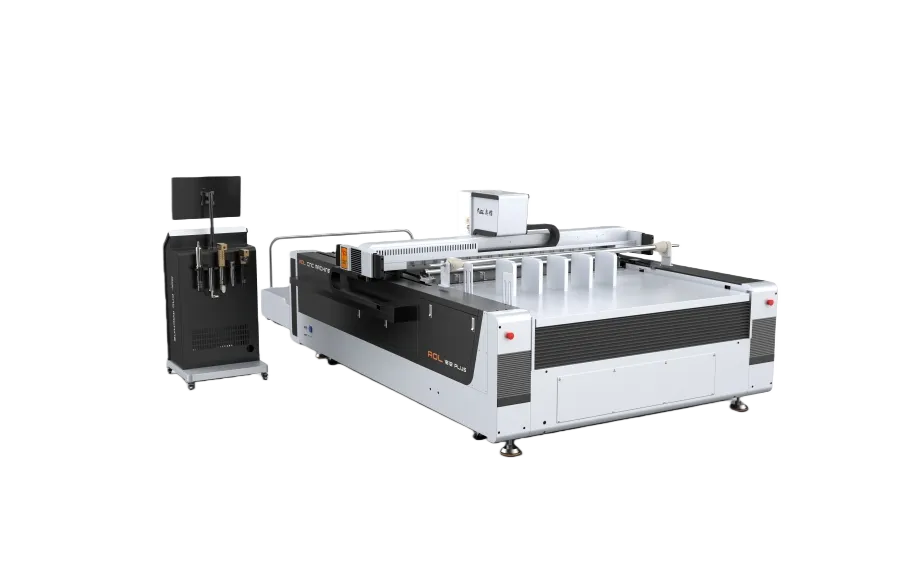
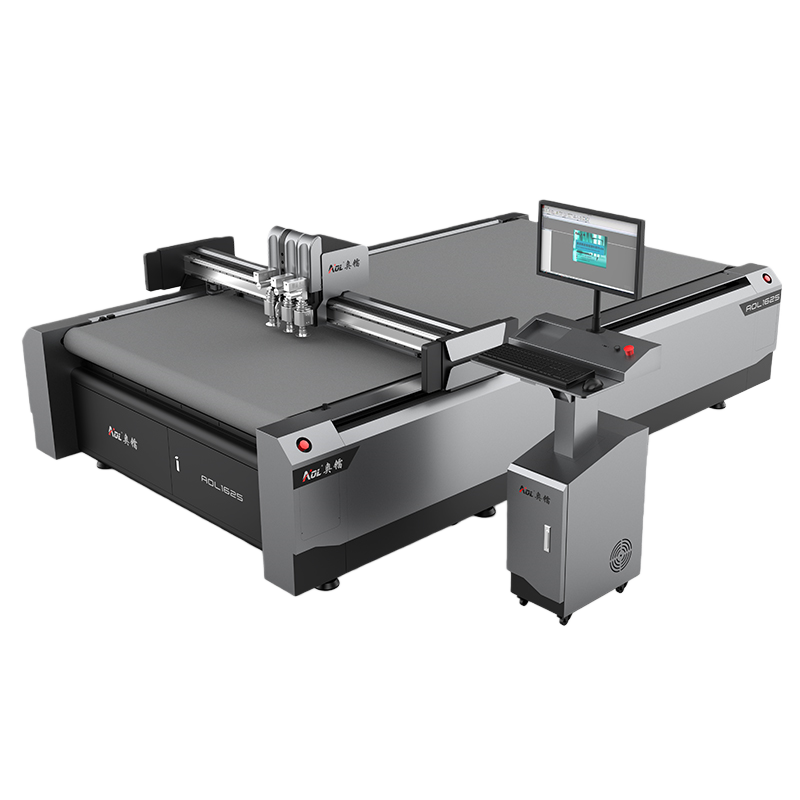
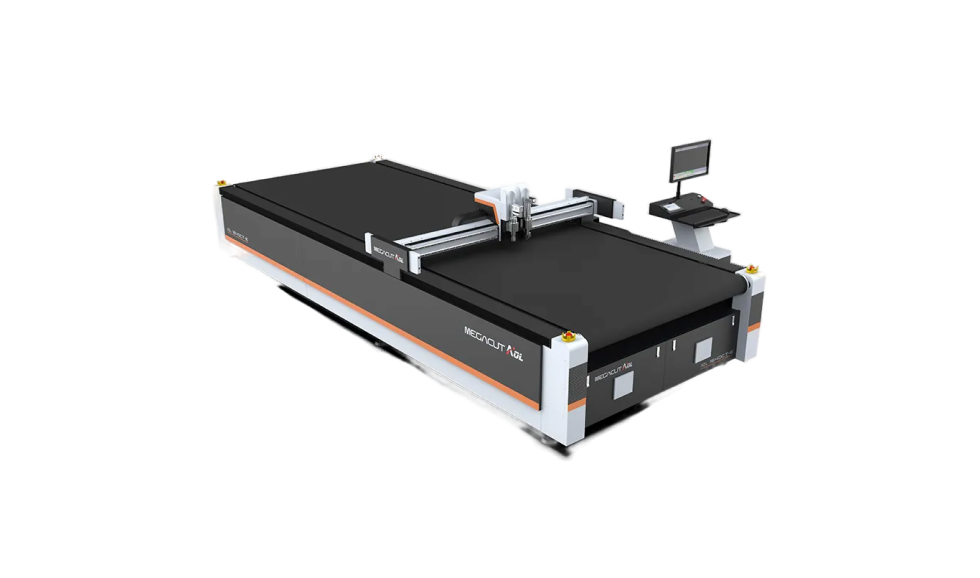
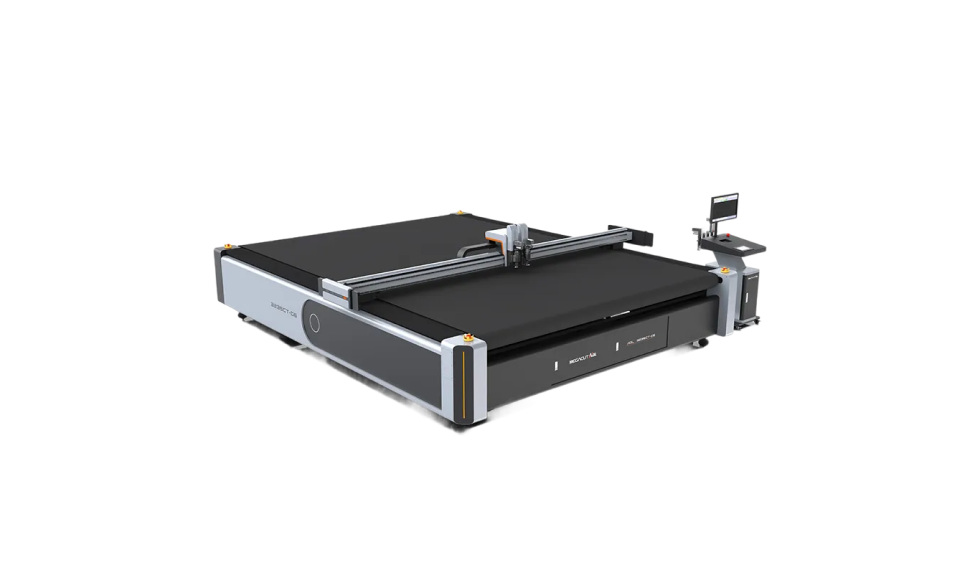
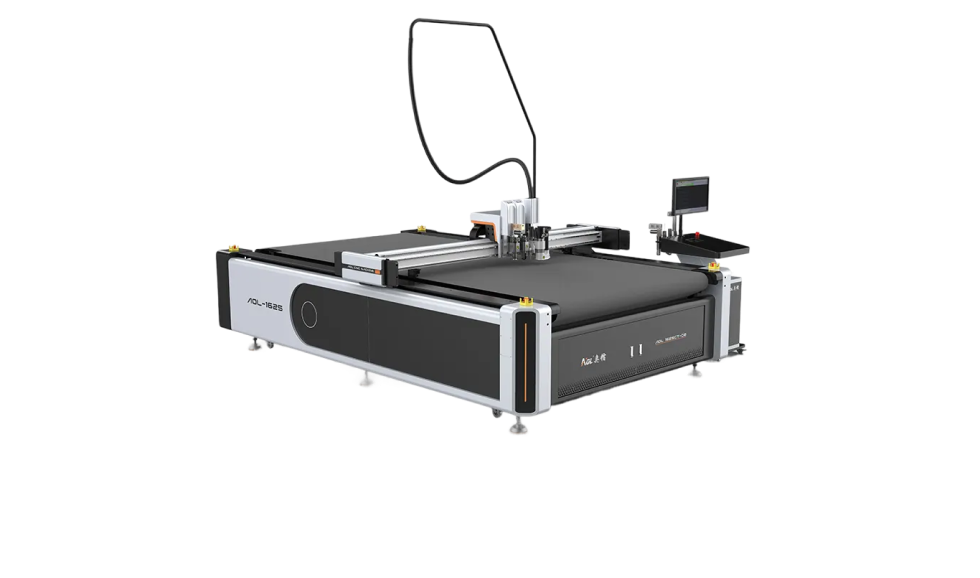
As the automotive aftermarket rapidly evolves toward personalization and efficiency, the application prospects for car mat cutting machines are expanding significantly. These machines are no longer limited to mat manufacturers; they demonstrate immense commercial value and practical potential across multiple industry scenarios.
In retail auto accessory stores and detailing/customization shops, such equipment is becoming a core profit-generating tool. By purchasing raw floor mat rolls, shops can offer on-site cutting tailored to customers' vehicle models, enabling “buy-and-cut” customization services. Compared to traditional universal mats, these precisely fitted products command higher premiums, significantly boosting average transaction values. Additionally, shops can bundle custom mats with core services like window tinting or paint color changes, enhancing customer satisfaction and store competitiveness.
In the automotive dealership sector, this equipment finds equally broad application. Whether during pre-delivery inspection (PDI) for new vehicles or refurbishment of used cars, custom floor mats substantially elevate interior aesthetics. For dealers, in-store rapid custom cutting not only reduces outsourcing costs but also ensures vehicles are delivered to customers in pristine condition, thereby enhancing brand image and closing rates.
With the proliferation of mobile internet services, mobile detailing and fleet services have emerged as new application scenarios for this equipment. Service technicians equipped with portable cutting machines can directly visit corporate parking lots or logistics parks to provide on-site replacement services for commercial fleets or high-end residential clients. Whether it's the cab of a freight truck or the irregularly shaped flooring of a luxury yacht, floor mats can be swiftly replaced on-site, greatly enhancing service flexibility and response speed.
In the realm of interior modification and restoration, this equipment also plays an irreplaceable role. Original factory floor mats for classic vintage cars are often difficult to replicate. Through digital scanning and high-precision cutting, modification shops can accurately restore the original patterns, meeting the demands of collector-grade customers. Additionally, the complex floor shapes of non-standard vehicles like RVs and yachts pose challenges for traditional cutting methods. Smart cutting machines, however, can effortlessly handle various irregular contours, expanding the business scope of modification shops.
Notably, these machines extend beyond automotive applications. Their multi-material cutting capability enables custom production of industrial anti-fatigue mats, workshop floor mats, and entryway dust-trapping mats. During automotive off-seasons, operators can flexibly pivot to manufacturing industrial or commercial flooring products, maximizing equipment utilization and mitigating operational risks.
Looking ahead, the integration of e-commerce and smart manufacturing technologies will further expand the application prospects of automotive floor mat cutting machines. An increasing number of entrepreneurs are adopting the “online ordering, offline cutting” model: consumers input vehicle specifications into online stores, where systems automatically generate cutting instructions. Equipment then completes production instantly and ships directly to customers. This inventory-free, asset-light approach is attracting more micro and small entrepreneurs into the automotive customization sector, simultaneously opening broader market opportunities for the equipment itself.

 EN
EN