
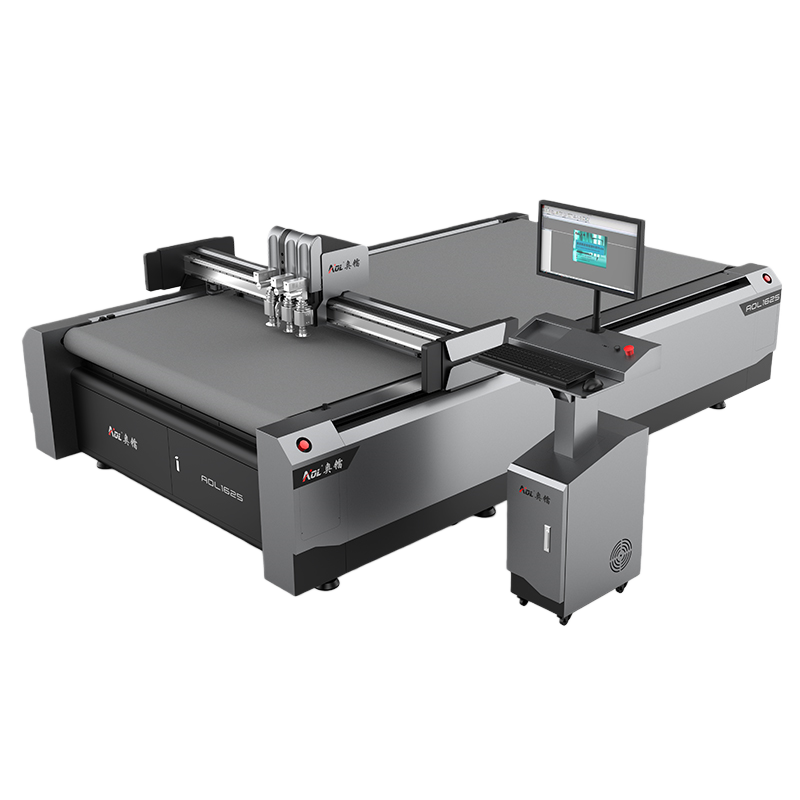
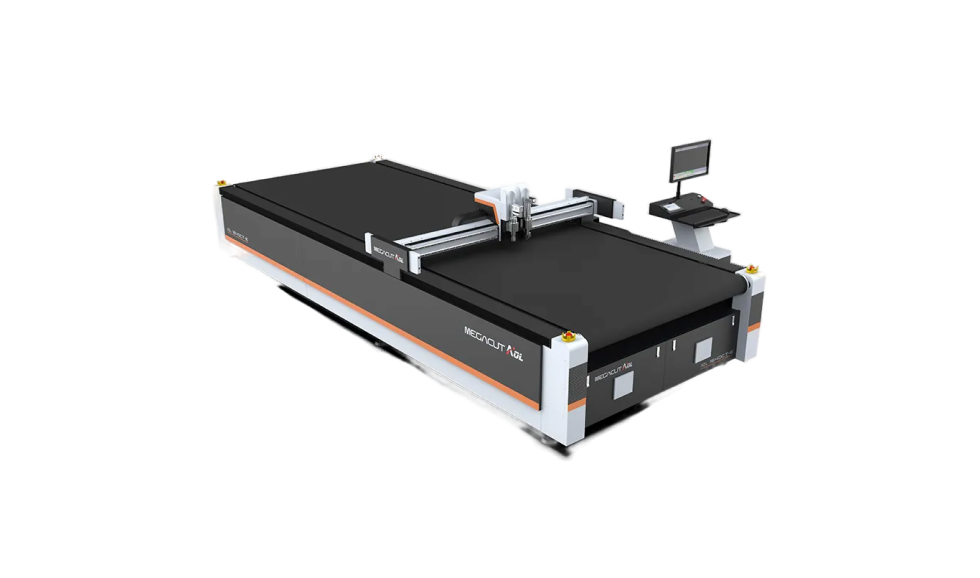
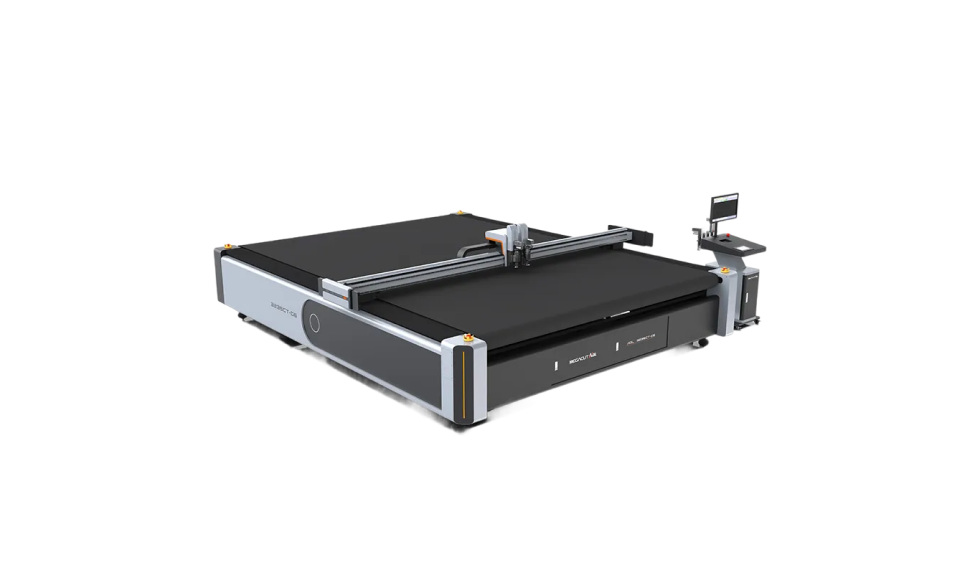
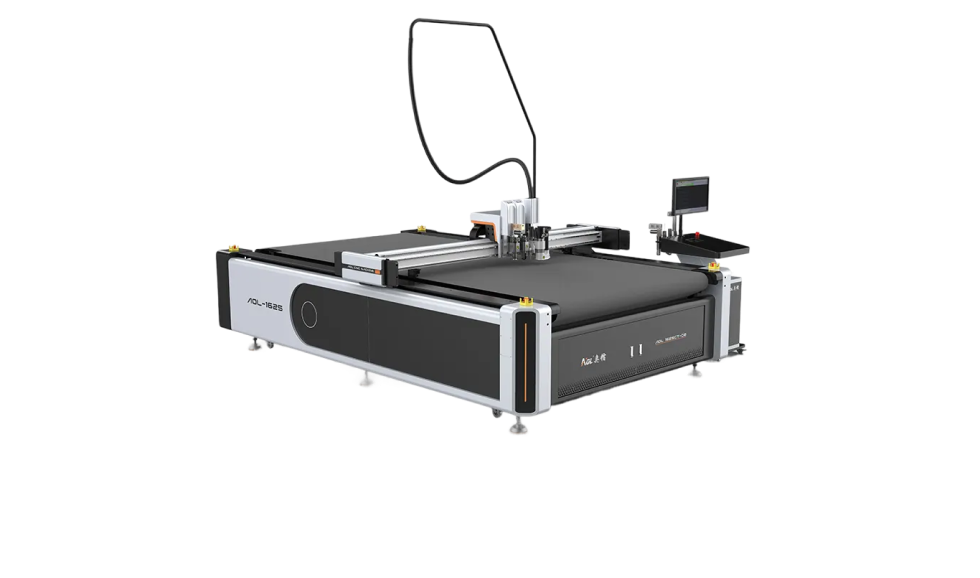
The Carpet CNC Cutting Machine is significant because it fundamentally transforms carpet from a static building material into a dynamic design medium, while simultaneously solving the economic pressures facing modern manufacturers. In an industry historically dominated by manual labor—where skilled workers used hand knives and straightedges to cut expensive rolls of broadloom—the introduction of CNC technology represents a critical shift toward sustainability and profitability. The most immediate impact is economic: manual cutting typically generates 5-10% material waste due to human error and inefficient layout, whereas a CNC machine's advanced nesting software automatically calculates the most material-efficient arrangement, reducing scrap by up to 20%. For high-volume shops, this reduction alone can cover the machine's cost within months, and it allows business owners to reallocate skilled labor from repetitive physical cutting to machine supervision and quality control, reducing injury claims and payroll fatigue.
Beyond the financials, the significance lies in the machine's ability to deliver consistency and quality that human hands simply cannot replicate. Commercial clients—hotels, casinos, and corporate campuses—demand perfection, especially for intricate inlays, logos, and borders. A Carpet CNC Cutting Machine operates with tolerances measured in thousandths of an inch, ensuring that the first piece cut at dawn is identical to the last piece cut at midnight. Moreover, unlike lasers that can melt synthetic fibers or manual knives that pull tufts loose, these machines utilize oscillating tangential knife technology, which moves up and down thousands of times per minute to create a clean, sealed edge that preserves the integrity of both the pile and the backing. This "clean cut" signals premium quality to clients and opens doors to high-value custom work that was previously too labor-intensive to produce profitably.
Finally, the Carpet CNC Cutting Machine is significant as a gateway to mass customization and Industry 4.0 readiness. In an age where personalization drives premium pricing, this technology bridges the gap between digital design and physical product—allowing a complex pattern created in AutoCAD to go directly to the cutting head without translation loss. This agility enables fabricators to accept rush jobs or "lot size one" production runs for niche markets like marine or RV flooring, escaping the commodity trap of selling carpet by the yard. As the manufacturing sector moves toward automation and data integration, these machines also connect with ERP systems to track material usage in real time, future-proofing operations against labor shortages and scaling production without a linear increase in headcount. In essence, adopting this technology allows fabricators to sell precision-cut solutions and complex designs rather than mere materials, commanding higher prices and building lasting brand reputation.