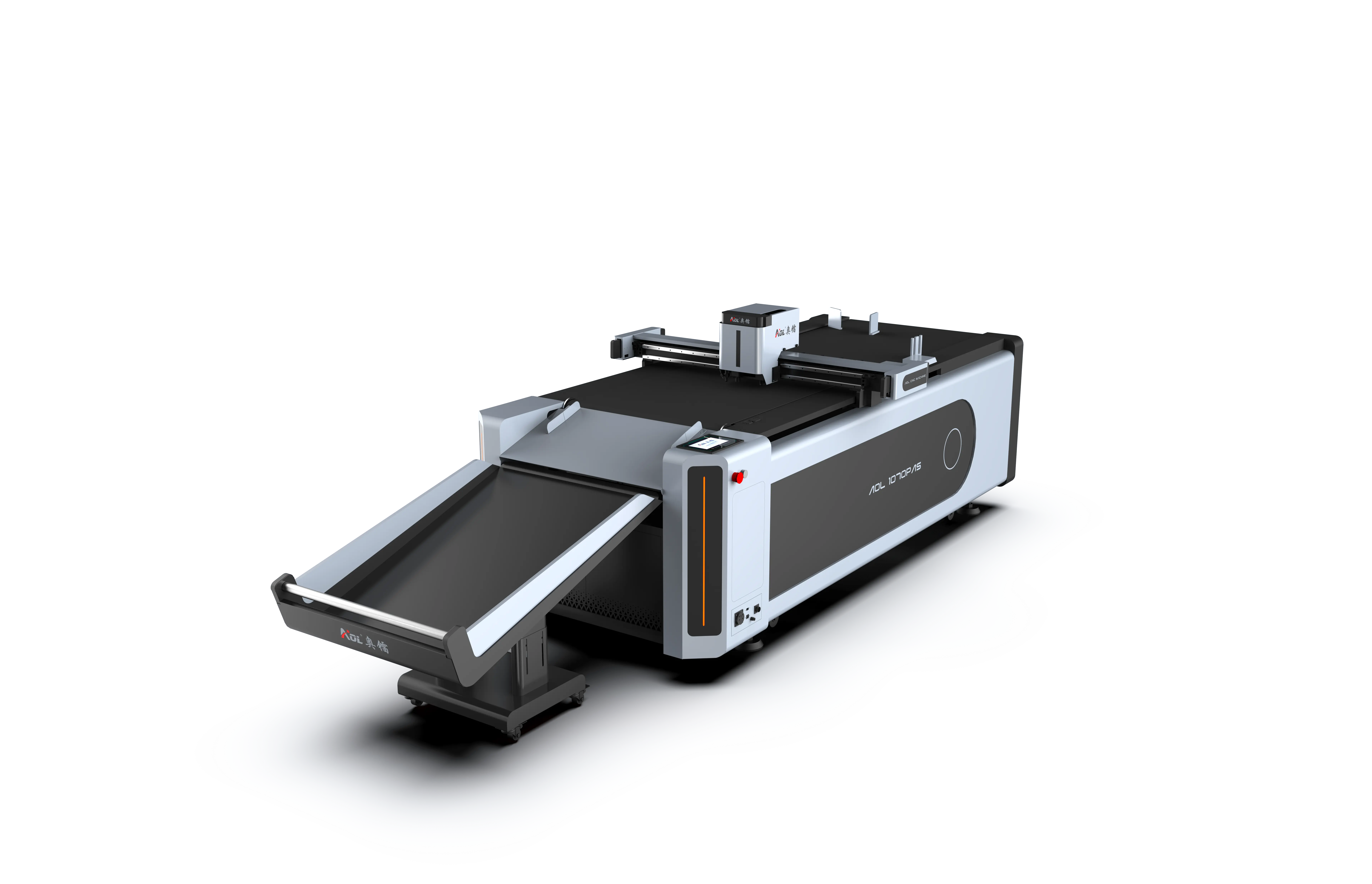
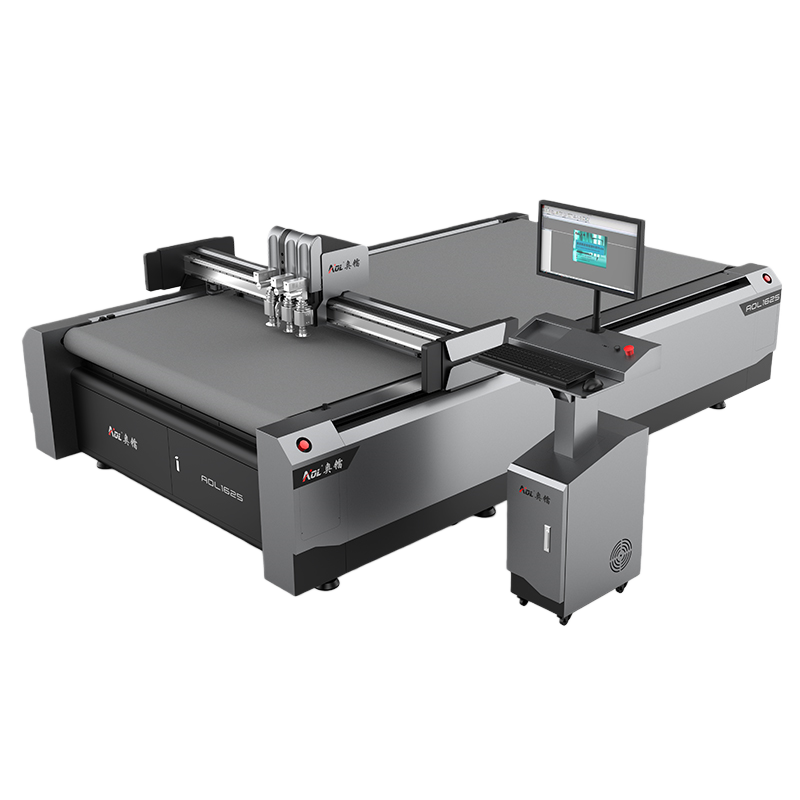
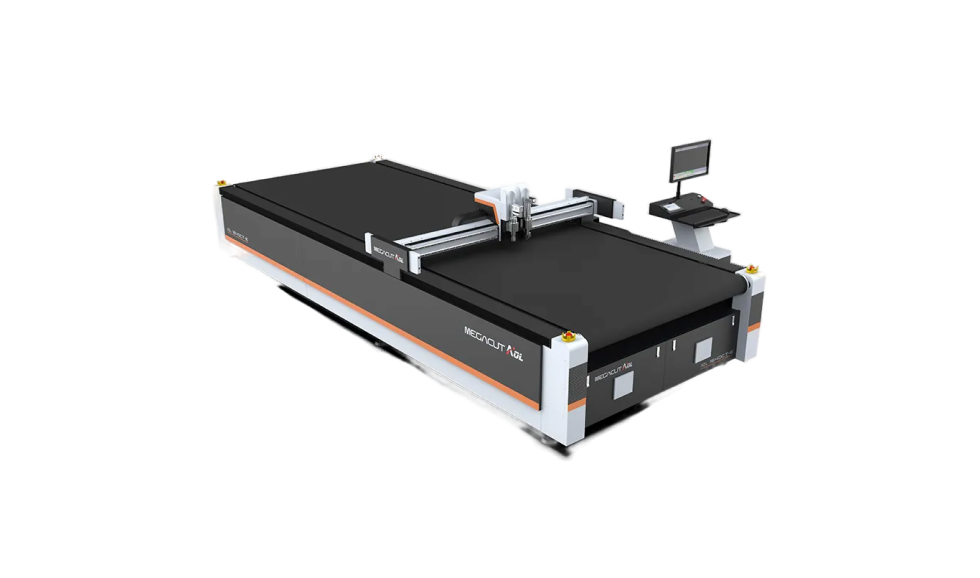
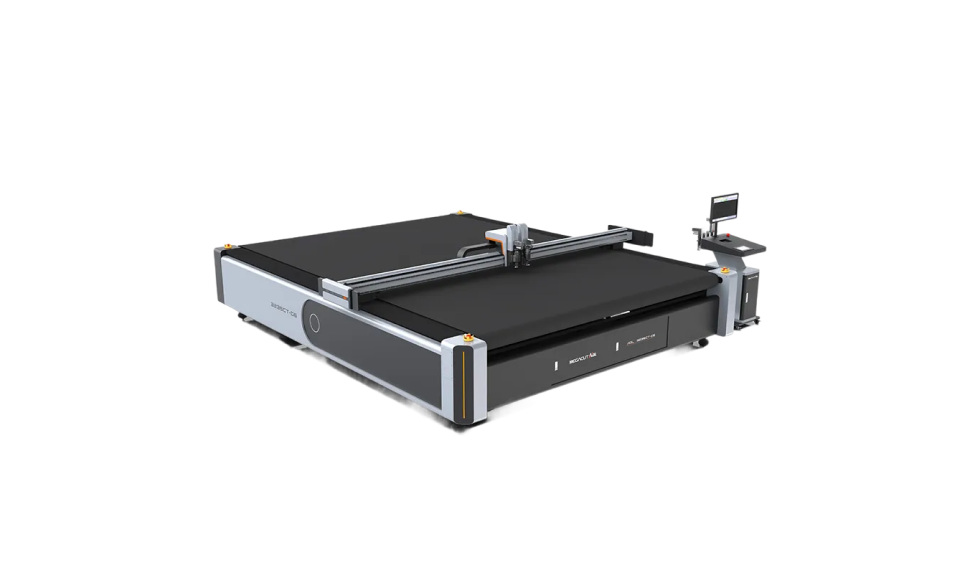
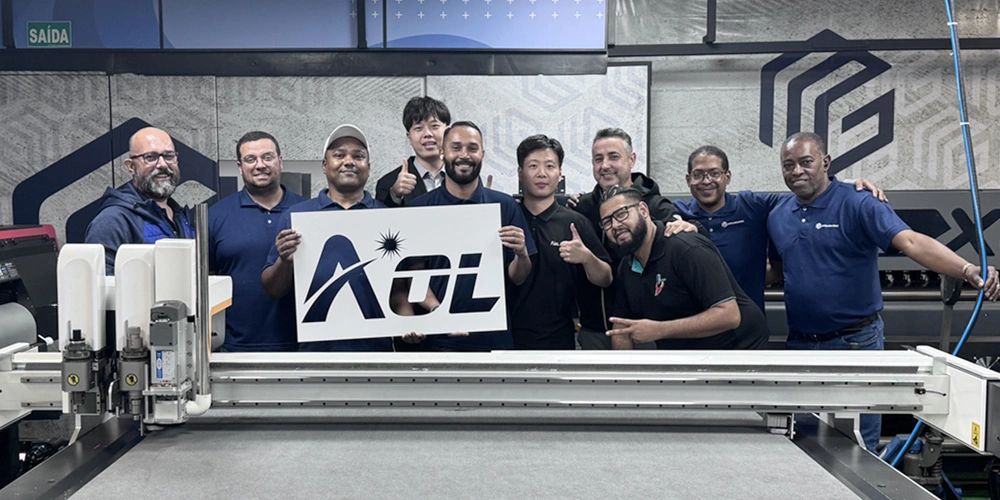
When we talk about floor mat cutters, most people first think of the automotive industry. However, the application prospects for this equipment extend far beyond custom automotive floor mats. From heavy industry to high-end services, an increasing number of businesses are discovering that having in-house floor mat cutting capabilities not only saves costs and reduces material waste but also opens up entirely new revenue streams.
The automotive sector remains the core and largest market for floor mat cutters. Professional auto detailing shops and dealerships utilize these machines to precisely cut heavy-duty rubber mats for specific vehicles like trucks and SUVs, replacing worn OEM mats or offering premium custom upgrades. Crucially, businesses no longer need to stock finished mats in various sizes. By keeping rolls of material on hand, they can cut to order, significantly reducing inventory pressure. In commercial and office spaces, the equipment plays a vital role. Facility managers, balancing professional image with budget constraints, increasingly use cutters to produce custom anti-fatigue mats bearing company logos or precisely trim dust-trapping mats for irregularly shaped entryways—needs unmet by standard-sized products.
The fitness and wellness industry also presents vast opportunities for floor mat cutters. Gyms and yoga studios frequently require specialized dimensions. Equipment can precisely cut and assemble modular mats around heavy equipment like squat racks and treadmills for perfect fit. Yoga studios can also purchase rolls of material, cutting them into high-margin custom-sized yoga mats or Pilates equipment mats for direct in-store retail. The hospitality and events sectors demand high aesthetics and rapid responsiveness. In commercial kitchens, cutters produce slip-resistant mats tailored to complex layouts, ensuring staff safety. At exhibitions, they swiftly create custom aisle mats or welcome mats in specific dimensions to meet temporary venue setup needs.
As safety compliance requirements intensify in industrial manufacturing, floor mat cutters become increasingly vital. Businesses can cut custom-sized anti-fatigue mats for fixed workstations like assembly lines or cash registers to improve employee health. They can also produce leak-proof containment berms that fit beneath machinery to ensure environmental compliance. At the retail end, merchants use cutters to enhance customer experience by customizing anti-fatigue mats for cashiers or cutting seasonal promotional aisle mats. Even niche markets like RVs and boats are experiencing rapid growth. These vehicles feature irregular floor layouts requiring precisely cut anti-slip vinyl mats or EVA foam decks to replace worn interiors. Applications have even emerged in agriculture, such as cutting rubber mats for stables and barns to provide livestock with comfortable flooring while reducing bedding costs, or creating durable anti-slip surfaces for farm workshops.
In summary, the application prospects for mat cutting machines extend far beyond single-task solutions. It is a device capable of empowering diverse markets. Whether to reduce costs for custom orders or to expand into new business areas, investing in such equipment means businesses gain greater adaptability and more commercial possibilities.

 EN
EN