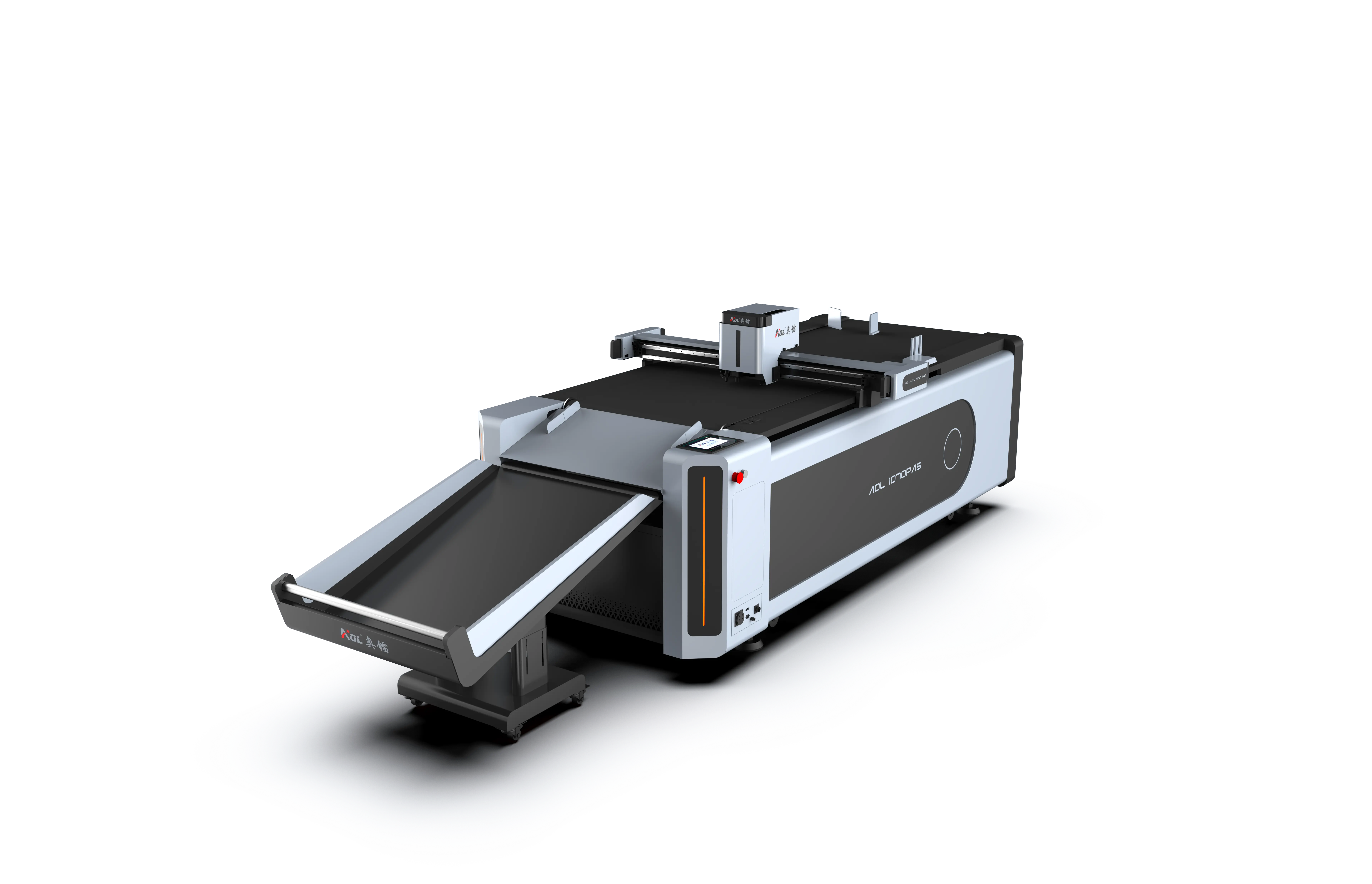
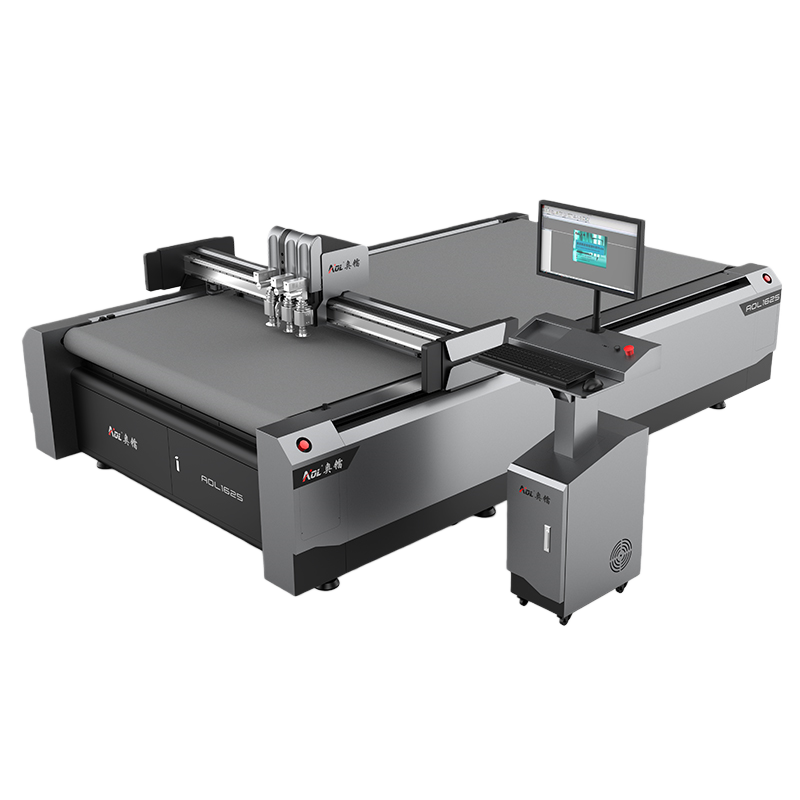
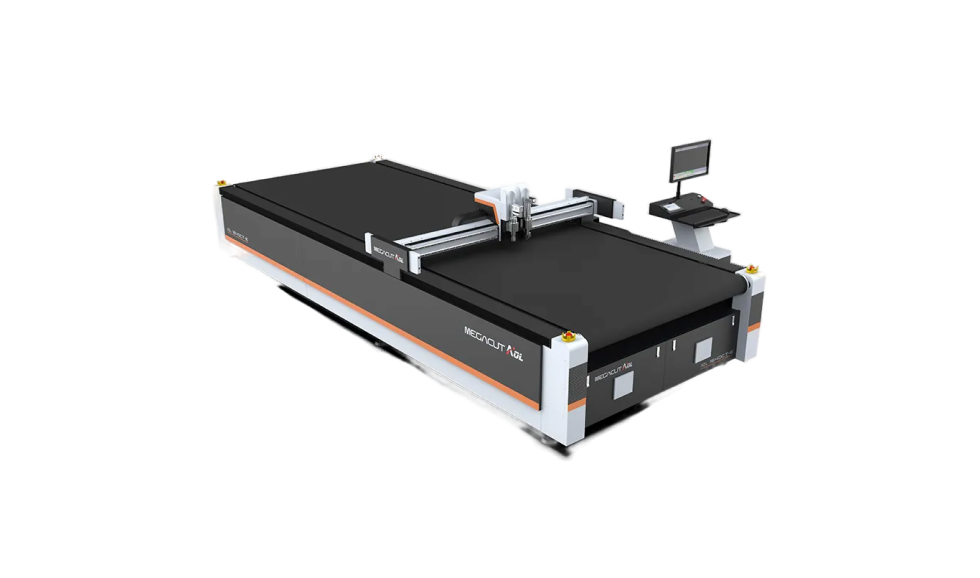
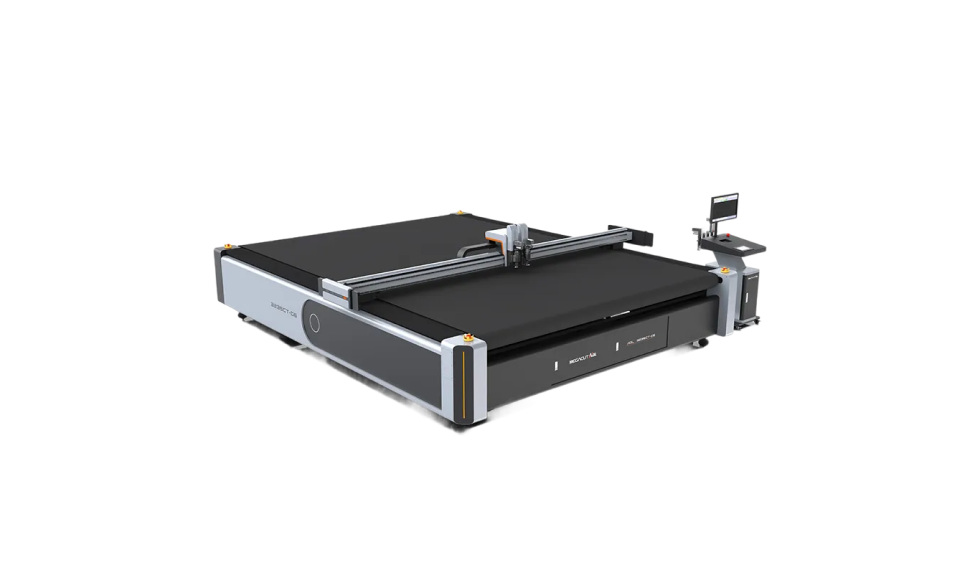
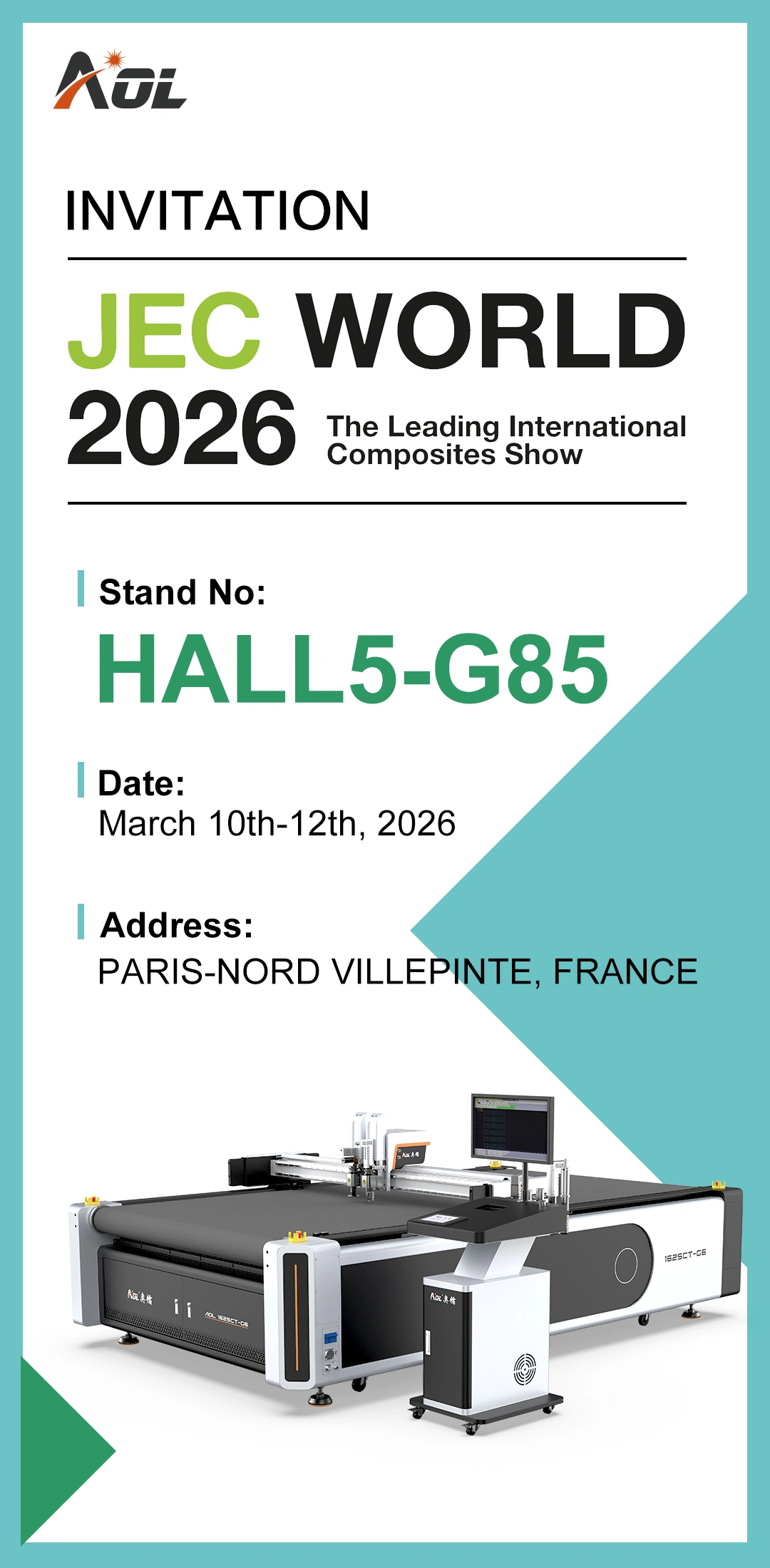
In the realm of industrial sealing, gaskets serve as critical components ensuring the secure containment of fluids and gases. When focusing on the PTFE gasket cutting machine, we are discussing not merely a manufacturing device, but a strategic asset that impacts operational efficiency, cost control, and production autonomy. The core value of this equipment lies primarily in its ability to enable “just-in-time production.” Traditionally, custom PTFE gaskets entailed lengthy lead times, often forcing equipment maintenance teams to halt production lines while awaiting delivery. An on-site PTFE gasket cutting machine reduces this wait from days to minutes, drastically minimizing downtime and ensuring continuous production.
Second, this equipment eliminates the cost barriers inherent in traditional die-cutting processes. Historically, any non-standard sized gasket required expensive custom molds, making small-batch or prototype production prohibitively costly. Modern PTFE gasket cutters employ “mold-free” digital cutting technology, allowing engineers to cut directly from CAD drawings. This eliminates mold costs, enabling rapid design, testing, and modification. This not only provides immense flexibility for engineering innovation but also removes the financial risk associated with new product development.
From a materials science and safety perspective, PTFE inherently possesses unique softness and tackiness. Traditional cutting methods like high-temperature laser cutting can easily damage its molecular structure, compromising chemical resistance and sealing performance. Professional PTFE gasket cutters typically employ oscillating blades or ultrasonic technology, achieving clean, burr-free cuts without generating heat or compressing the material. This ensures the physical integrity of the gasket and the reliability of the seal. For industries with stringent safety requirements, such as chemical and pharmaceutical manufacturing, this directly impacts production safety and regulatory compliance.
Additionally, this equipment offers significant economic optimization. PTFE materials, particularly those reinforced with glass or carbon fibers, are costly. The integrated intelligent layout software optimizes the arrangement of gaskets of varying sizes and shapes on the sheet, maximizing material utilization and minimizing scrap waste. This waste reduction approach delivers rapid cost savings, enabling swift return on investment and demonstrating sustainable economic benefits.
Finally, traditional manual cutting methods struggle to meet precision requirements for increasingly complex industrial components, such as heat exchanger gaskets with intricate channels. PTFE gasket cutters follow digital vector paths with micron-level accuracy, flawlessly replicating any complex geometry to satisfy the most demanding engineering applications. In summary, the PTFE gasket cutting machine bridges industrial production demands with manufacturing agility. It transforms the production of a critical safety component into a process that is fast, precise, and economical. This makes it a core tool for any enterprise reliant on fluid handling to enhance operational safety, reduce inventory costs, and gain strategic advantages.

 EN
EN