
 EN
EN
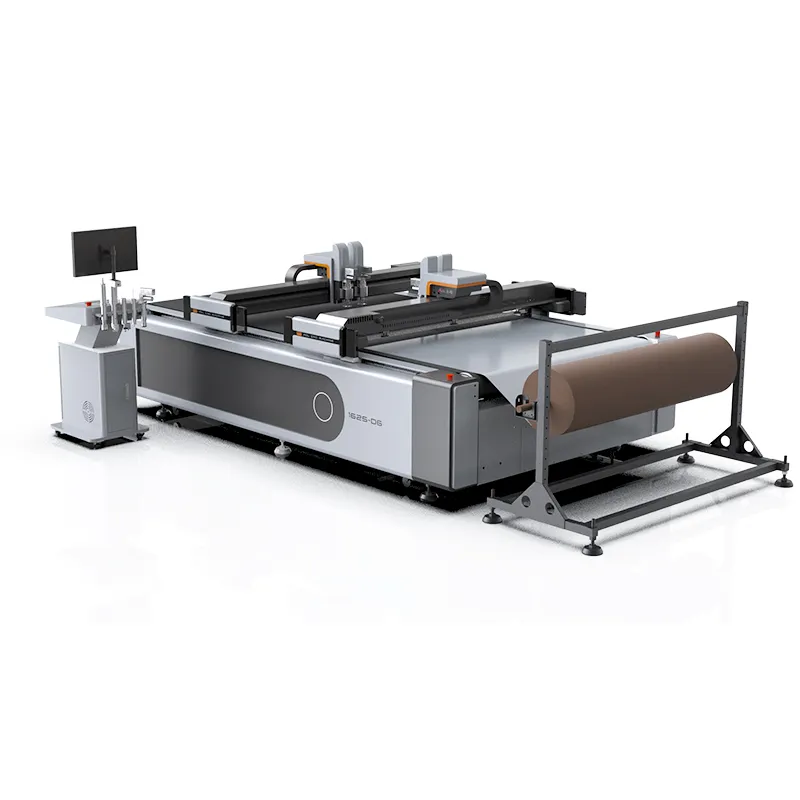
Thermal Sensitivity and Material Integrity: Why Prepreg Demands Cold Cutting About CNC Prepreg Cutting Machine
Laser-induced heat-affected zones (HAZ) compromising uncured resin chemistry
When laser cutting takes place, it creates very high heat in specific areas sometimes going over 200 degrees Celsius which forms what's called a heat affected zone or HAZ. This heat messes with the chemical makeup of the uncured prepreg material. The problem starts when the resin gets too hot and starts linking together too soon, basically ruining the material quality before any actual curing happens. What happens next is pretty bad for production. First off, the material loses its stickiness so layers don't bond properly during assembly. Then there's all sorts of tiny cracks forming from the heat stress, plus empty spaces where material should be. At a microscopic level, the resin breaks down and no longer sticks well to the fibers inside. For companies making parts for airplanes where everything has to meet strict standards, these kinds of flaws really matter. They make structures less reliable overall and factories end up throwing away around 15 to maybe 25 percent more material than they would if using colder cutting techniques instead.
CNC prepreg cutting machine advantages: zero thermal input, preserved tack and drape
A CNC prepreg cutting machine uses ambient-temperature mechanical blades, eliminating thermal distortion entirely. Unlike lasers, it preserves the prepreg’s native handling properties without altering resin kinetics or fiber alignment. Key benefits include:
| Advantage | Impact on Material |
|---|---|
| Zero heat input | Maintains original resin chemistry and intended curing profile |
| Consistent tack | Ensures reliable ply adhesion during automated or manual layup |
| Unaltered drape | Retains conformability to complex, contoured molds |
This cold-cutting process prevents resin smear, edge delamination, and post-cut dimensional creep—enabling immediate handling and layup. Production data shows CNC-cut parts exhibit 30% fewer dimensional deviations than laser-cut equivalents, a critical advantage for high-tolerance composite structures.
Precision, Edge Quality, and Dimensional Reliability
Sub-0.1 mm CNC repeatability vs laser beam drift and focus degradation over time
CNC prepreg cutting machines can hit under 0.1 mm repeatability, which is really important for making parts in aerospace and automotive composite manufacturing since those tight tolerances determine how well everything fits together and works properly. The machines stay stable during long production runs thanks to their advanced servo drives and real time feedback systems that keep things running smoothly. Laser systems tell a different story though. They tend to have problems with heat buildup over time. As the machine runs longer, the laser beam starts drifting and the focus point gets worse, creating uneven edges and position errors that go above 0.2 mm according to Composite Manufacturing Journal last year. When this happens, manufacturers end up with more waste material and need to stop production regularly to recalibrate everything, which slows down operations and costs extra money in the long run.
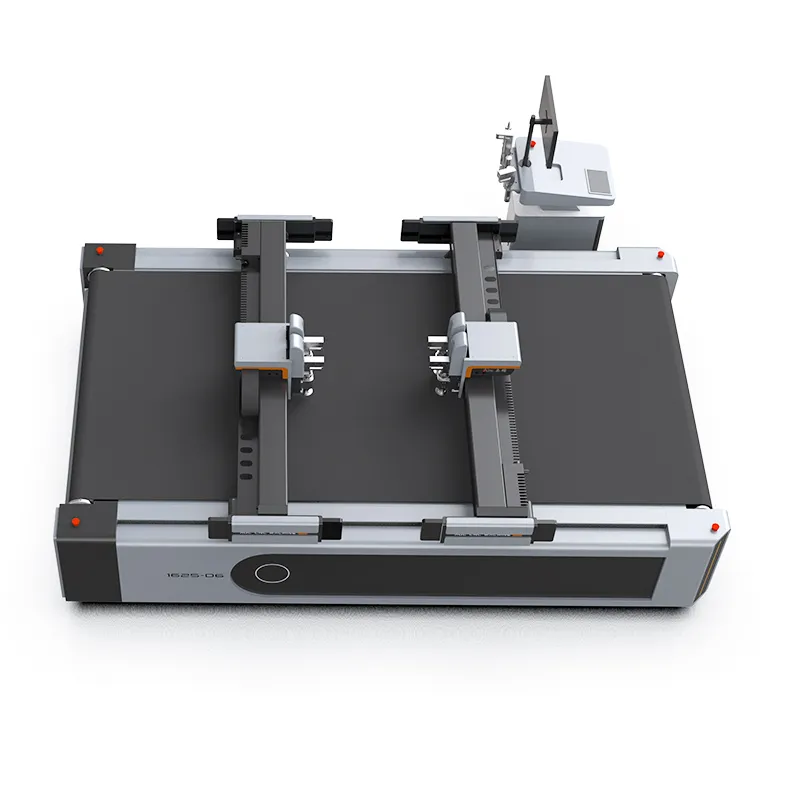
Mechanical shear vs. thermal ablation: delamination, resin smear, and post-cut handling
CNC cutting works through controlled mechanical shear, basically a clean cut with minimal force that keeps layers intact and creates nice smooth edges without all that mess. Since there's no heat involved, manufacturers don't have to worry about things like melted resin, burnt spots, or weakened interfaces between materials. Laser cutting tells a different story though. The process involves thermal ablation where the uncured resin actually melts and then hardens again along the cut line. This tends to create weak points in the material that can easily come apart later when someone handles them or puts them through an autoclave. What's left behind after laser cutting? A bunch of residue that needs cleaning by hand or extra finishing steps. And those extra steps mean slower production times and higher inspection costs. Parts cut with CNC machines just come out ready to go straight into layup work without needing any kind of cleanup first.
Operational Efficiency and Production Readiness
Vacuum nesting, tool change automation, and multi-layer cutting in CNC prepreg cutting machines
The latest CNC prepreg cutting machines bring together three key technologies that really boost production efficiency: vacuum nesting systems, automatic tool changers, and multi-layer cutting capabilities. Vacuum nesting keeps materials flat during processing while smartly arranging patterns to cut down on wasted material by around 15% without messing up the fiber alignment. The automated tool changers can switch between different cutting implements like blades, routers, and scoring tools in just over 7 seconds, so operators don't have to stop the machine when switching between cutting, scoring, or drilling tasks. With multi-layer functionality, these machines handle 5 to 10 layers at once, which means triple the output compared to traditional single layer approaches. All told, this combination cuts down on downtime by about 40%, speeds up prototype development, and makes same day turnaround possible for those tight deadline aerospace projects. What's particularly important is that there's no heat generated during cutting, so every layer maintains its shape and dimensions right from the start, meaning fewer corrections and no extra work needed on edges after cutting.
Application Fit: When to Choose a CNC Prepreg Cutting Machine
When manufacturers focus on maintaining material quality, achieving precise cuts, and handling large volumes consistently, choosing a CNC prepreg cutting machine becomes a must. These machines work best with thermally sensitive composite materials that haven't fully cured yet, especially in industries like aerospace manufacturing, car production, and wind turbine assembly. Traditional lasers can cause problems here because their heat might ruin the resin's chemical properties, mess up how fibers align, or even start unwanted chemical reactions before the material should set. What makes these CNC cutters stand out is their cold cutting process which keeps the material's stickiness and flexibility intact. These characteristics matter a lot during the laying process and ultimately affect how well the finished parts perform. For jobs requiring incredible accuracy below 0.1 mm tolerance over thousands of pieces, such as airplane cabin components, structural supports for wings, or protective casings for electric vehicle batteries, the mechanical shearing action produces clean edges free from burrs and resistant to layer separation without leaving behind messy resin residue. Plus, features like built-in vacuum systems and automated tools make these machines perfect for facilities dealing with many different products in small batches, including just-in-time manufacturing setups where speed matters, operators need to stay hands off, and getting good results on the first try isn't optional but absolutely required.
FAQ
Why is cold cutting preferred over laser cutting for prepreg materials?
Cold cutting prevents thermal distortion, preserving the uncured prepreg's resin chemistry and fiber integrity, reducing material wastage and ensuring reliable ply adhesion.
Do CNC machines assist in operational efficiency?
Yes, CNC machines enhance operational efficiency through vacuum nesting systems, automatic tool changers, and multi-layer cutting capabilities, reducing downtime and waste.
What are the advantages of using a CNC prepreg cutting machine?
CNC machines offer zero heat input, maintain consistent tack, and ensure unaltered drape for prepreg materials. They provide high precision, excellent edge quality, and reduce dimensional deviations.