
 EN
EN
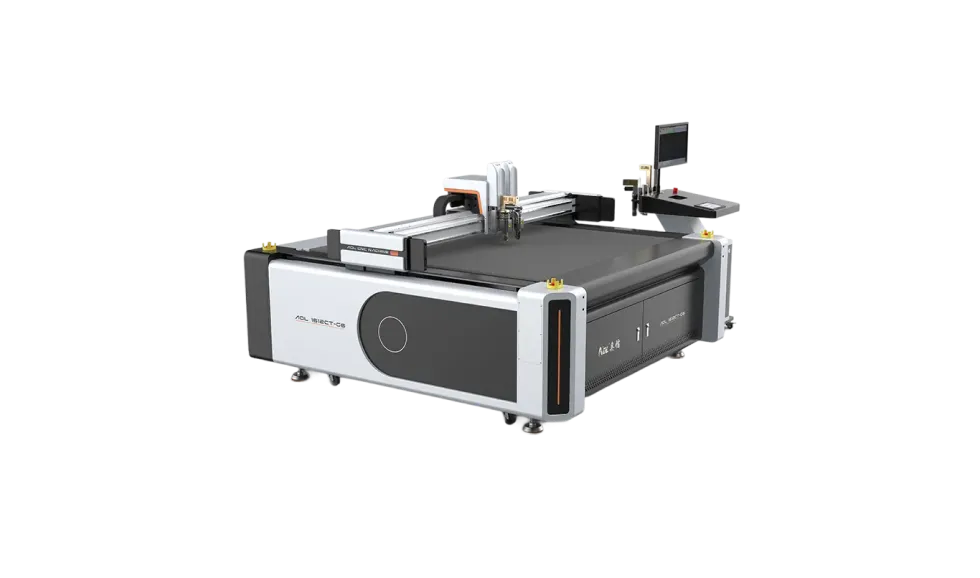
Precision Prepreg Cutting Technologies for Sub-0.1mm Tolerance
Laser, Ultrasonic, and Mechanical Systems: Accuracy, Speed, and Edge Integrity Trade-offs
Laser systems can get down to about plus or minus 0.1 mm tolerance because they control thermal energy so precisely. This makes them great for complicated shapes and intricate designs. But there is a downside too. Sometimes the heat causes problems at the cut edges where the resin actually starts to carbonize. Ultrasonic knives work differently. They slice through fibers using those high frequency vibrations we talk about so much these days. The big advantage here is that they create clean cuts without generating much heat at all. That means less thermal distortion overall. Of course, this comes at a cost since the process needs slower feed rates compared to other methods. Mechanical blade cutting still holds the crown for fastest production speeds, no doubt about it. However, anyone working with unidirectional laminates knows how frustrating the fraying issues can be. When dealing specifically with carbon fiber prepregs thinner than 1 mm, lasers stay accurate around 0.08 mm dimensions. And let's not forget that ultrasonic techniques actually make blades last longer too. Studies show blade life extends roughly 40 percent compared to regular drag knives. Finding the right balance between kerf width consistency and how fast things need to move remains essential. Especially important in aerospace manufacturing where mating surfaces must meet strict standards. Some components require positional accuracy above 99.7 percent, which isn't easy to achieve consistently across large batches.
Minimizing Fiber Disturbance and Resin Bleed in Automated Prepreg Cutting
Modern automated cutting systems help reduce fiber misalignment problems through vacuum hold downs combined with adaptive tension controls. These systems keep positional drift below 0.05mm which is pretty impressive considering what we're dealing with here. Real time vision tech spots those resin rich areas that tend to show up in prepregs containing around 42 to 48 percent resin content. Once detected, the system automatically adjusts cutting parameters to stop resin from bleeding into the kerf paths during operation. When it comes to fabric types, needle punched non crimp fabrics actually perform better at the edges compared to traditional woven options. Tests show about 30% less fraying occurs when subjected to similar blade pressures. For optimal results, most shops maintain cold cutting environments between 10 and 15 degrees Celsius. This temperature range helps maintain proper B stage resin viscosity while reducing sticky residue buildup on cutting tools. Plus, keeping things cool protects the integrity of each ply layer so that subsequent automated layups go smoothly. After all, even tiny mistakes like 0.1mm deviations can cause noticeable wrinkles in those curved wing skin laminates down the line.
Material Integrity Management: From Storage to Cut
Cold Chain Protocols and B-Stage Stability—How Temperature Drift Impacts Dimensional Accuracy
Keeping prepreg material intact requires following strict temperature controls throughout the entire process until it gets cut. If these uncured composite materials get too warm during storage (usually around -18 to -23 degrees Celsius), something bad happens fast. The resin becomes runnier than normal, which speeds up what's called the B-stage reaction. This leads to problems in two main areas. First, excess resin starts bleeding out and makes it hard to see where lasers should cut. Second, tiny shifts in fiber alignment actually change how big each layer ends up being. Some research from aerospace manufacturing shows just how sensitive this is. Even a small temperature increase of about 5 degrees over 24 hours can throw off measurements by 0.07 millimeters. That might not sound like much, but when building airplane wings that need to be accurate within plus or minus 0.1 mm, such errors are completely unacceptable. Getting good results means sticking closely to those cold chain requirements at all times.
- Real-time temperature mapping via IoT sensors across storage and transit zones
- Phase-stable handling using nitrogen-purged transfer chambers
- Thaw-rate algorithms calculating gradient-controlled warm-up durations
These measures prevent resin crystallization and fiber relaxation that undermine cutting precision. Thermal integrity verification via Differential Scanning Calorimetry (DSC) remains essential, as shifts in resin reactivity directly correlate with kerf-width inconsistencies during automated prepreg cutting.
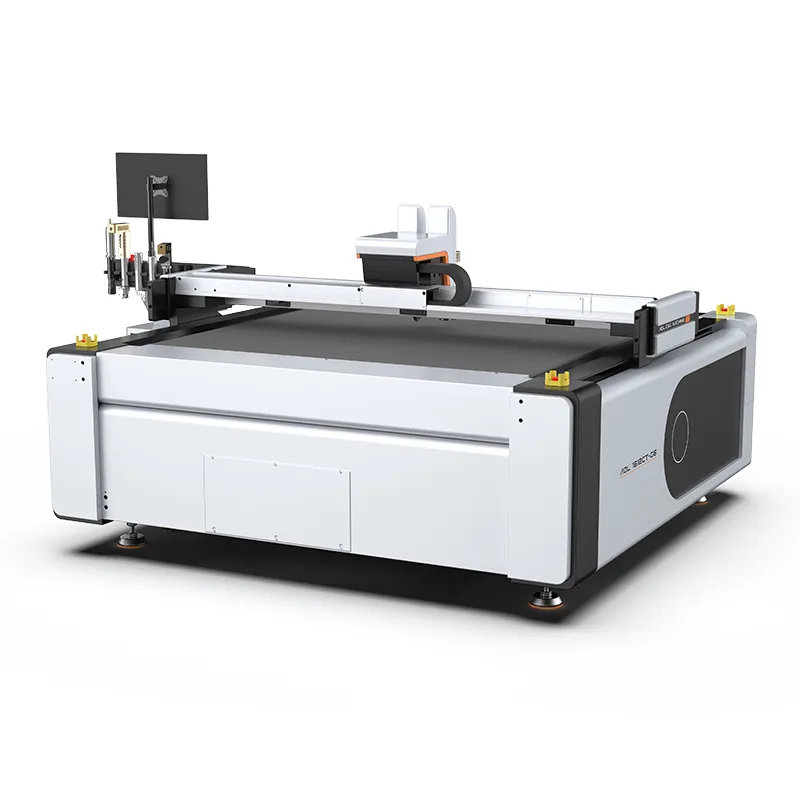
Downstream Implications of Prepreg Properties on Cutting Performance
Resin Content Variability (42–48%) and Its Direct Impact on Kerf Width and Blade Life
When resin levels swing between 42% and 48%, it has a major impact on how well materials cut. This affects both the accuracy of the kerf width and how long blades last before needing replacement. More resin makes the material softer, so there's less friction against the blade, but at the same time the kerf gets wider by about 8 to 12 micrometers for every 2% increase in resin content because of the material bouncing back after cutting. On the flip side, when resin drops below 45%, blades start wearing out much faster - around 19% quicker actually - since the reinforcing fibers basically sand down the cutting edge as they pass through. According to industry data from composite manufacturing reports in 2024, these variations lead to size differences over 0.08mm in nearly a quarter of precision aerospace parts. To handle this problem, manufacturers need to adjust feed speeds and set up their tools based on actual resin tests rather than relying on standard settings that don't account for these material changes.
Real-World Validation: Prepreg Cutting in Aerospace and Satellite Applications
Jinan AOL CNC Integration Case Study: Achieving Layup-Ready Precision in Wing Skins and Structural Panels
Getting dimensional stability right is absolutely critical when working with prepregs in aerospace composite manufacturing. Even tiny deviations beyond plus or minus 0.1mm can really mess up the whole structural integrity of the part. One major CNC equipment manufacturer actually showed how they tackled this challenge using their integrated system that hits micron level accuracy during carbon fiber wing skin production. They managed to keep things running smoothly by combining temperature controlled material handling with these fancy adaptive laser cutting techniques. The result? Resin content stayed nicely within that important 42 to 48 percent range, which means no annoying fiber fraying or resin bleeding along those cut edges. All this precision work makes those parts ready straight out of the machine for autoclaving, whether it's for satellite antenna reflectors or aircraft fuselage panels. And guess what? Post processing gets cut down by around 70%, all while still ticking all the boxes for AS9100 aerospace certifications.
Tests showed that keeping kerf width variation below 5 micrometers actually tripled the life of blades when compared to standard techniques. This kind of precision matters a lot in space work because the ability to handle extreme temperature changes depends entirely on getting those fibers aligned just right. We've seen this in action with parts sent into orbit that survive temperatures ranging from minus 180 degrees Celsius all the way up to plus 150 without failing. What this really shows is that when we integrate these prepreg cutting systems properly, what used to be just numbers on paper becomes something real engineers can trust for actual missions.
Frequently Asked Questions
Why is temperature control important in prepreg handling?
Temperature control is vital to prevent resin bleed and maintain dimensional accuracy during storage and cutting processes. Improper temperatures can result in issues like fiber misalignment and resin crystallization.
How does resin content affect cutting performance?
Resin content impacts kerf width and blade life. Higher resin levels make materials softer, affecting friction, whereas lower resin contents can increase blade wear due to fiber reinforcement.
Are there any real-world applications of these technologies?
Yes, major applications include aerospace and satellite manufacturing, where precision cutting is crucial for components such as wing skins and structural panels.
What are the main cutting technologies used for prepregs cutting?
Laser, ultrasonic, and mechanical systems are commonly used technologies for cutting prepregs. Each method offers different benefits in terms of accuracy, speed, and edge quality.