
 EN
EN
Assess Material-Specific Prepreg Cutting Capabilities
Blade Geometry, Tack Management, and Substrate Adaptation for UD, Woven, and Multiaxial Prepregs
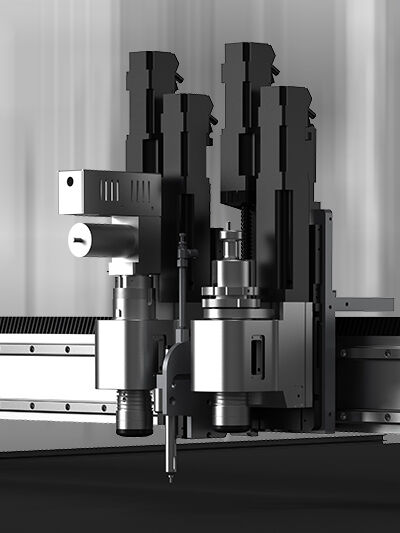
The cutting machines used for prepregs need to constantly adjust their blade shapes based on what kind of material they're working with. When dealing with unidirectional (UD) prepregs, bevel edge blades work best because they stop fibers from getting distorted when making slits. For woven versions, an oscillating knife system tends to give better results since it reduces fraying issues. Multiaxial materials present another challenge altogether, requiring dual angle geometries to handle all those different ply orientations properly. Managing tack levels matters just as much though. If resin isn't controlled well during processing, scrap rates can jump up around 18% simply from parts moving around unexpectedly. Good setups often feature anti static coatings specifically designed for carbon prepregs that stick too much. Delicate glass substrates benefit from dynamic pressure rollers that apply just enough force without damaging anything. And then there are dry film release systems which help keep tooling surfaces clean by preventing resin buildup over time.
Precision Temperature Control for Heat-Sensitive and High-Tack Prepreg Cutting
Working with epoxy based prepregs requires keeping the workshop temperature under 21 degrees Celsius or around 70 Fahrenheit to maintain proper viscosity and ensure good edge quality. Machines that can hold within plus or minus 1 degree Celsius really help keep the resin flowing correctly throughout the material, which stops it from setting too early and causing layers to separate later on. When dealing with those tough aerospace grade materials that have extra stickiness, special cooling areas using Peltier technology become essential for stopping the resin from moving around during fast cutting operations along complex shapes. These controlled temperature systems actually cut down on the cleanup work needed after processing by roughly 30 percent when compared to regular setups without temperature control. We've seen this improvement confirmed in several major composite manufacturing facilities across different industries.
Vacuum System Performance: Zoned Hold-Down, Airtightness, and Dynamic Adhesion Compensation
When vacuum hold down isn't consistent across the work surface, it leads to those frustrating layer shifts we all know during complex contour cuts. This problem gets even worse when working with materials like porous or low tack prepregs that don't stick as reliably. The newer generation equipment solves this issue through smart pressure control systems that have their own individual zones. These systems constantly monitor how well things are sticking in real time so they can adjust for those pesky porosity differences. For anyone serious about quality, there are some key benchmarks worth knowing. Systems need to maintain at least 0.5 mbar per second air tightness to keep layers from separating, respond faster than 50 milliseconds when dealing with gaps between tapes, and offer around 25 by 25 centimeter resolution areas for better material placement. Equipment that hits about 95% vacuum retention means no more stopping mid job to manually adjust parts, which actually increases production speed by roughly 22% according to recent industry reports.
Validate Real-World Prepreg Cutting Machine Performance
Critical CNC Oscillating Knife Metrics: ±0.15 mm Accuracy, Repeatability, and Burr-Free Edge Quality
Production quality really comes down to three main factors when we talk about manufacturing standards. First there's the positional accuracy requirement of around ±0.15 mm. Then we need to establish that the system can maintain consistency even when working under actual loads. And finally, achieving edges without any burrs is absolutely essential for quality control. When CNC oscillating knife systems hit these benchmarks, they significantly cut down on wasted materials while keeping those critical dimensions spot on in aerospace laminates. The aerospace industry has strict tolerances because anything off by just 0.2 mm or more will automatically send fuselage components straight to the reject pile. According to research published in Composite Manufacturing Journal back in 2022, even tiny imperfections along edges of unidirectional prepregs can raise the chances of delamination problems by as much as forty percent during the autoclave curing process. To properly verify everything works as intended, manufacturers typically run through at least five rapid cutting cycles, examine cross sections under microscopes, and perform peel tests specifically on those bidirectional composite layers.
On-Site Supplier Validation Protocol Using Your Prepreg Batch and Production Nesting Files
Instead of just looking at what vendors say their equipment can do, insist they test it out with real prepreg rolls from our inventory and actual nesting files we use in production. Labs just don't capture what happens on the shop floor, particularly with sticky materials where even small temperature changes around 2 degrees Celsius can make cutting performance jump by about 15%. When evaluating suppliers, look for three main things: How well they handle our particular prepreg batches including all those tricky variations in the release liners; whether they can run through our complex aircraft wing panel designs in DXF format efficiently; and if their machines maintain stable vacuum pressure when making tight corners at speeds around 600 millimeters per second. Shops that follow this kind of testing usually see around 98% success rate on composite parts right off the line, and manage to reduce fixing mistakes after cutting by roughly 30%. Before giving the green light, always cross check results against coordinate measuring machine readings from at least twenty different samples.
Evaluate Engineering Maturity and Production-Ready Integration
Feeding Stability, Machine Footprint, and Automation Readiness for High-Mix Composite Manufacturing
When looking at production ready prepreg cutting machines, there are really three main factors that matter most. The first thing to check is how stable the feeding mechanism is. Good machines maintain consistent movement without slipping, which becomes especially important when working with sticky carbon or glass fiber prepregs where tension problems lead to bad layups. Space efficiency comes next. Machines that take up less than eight square meters save valuable factory floor area but still need to allow easy access for maintenance work. Automation compatibility is another big one. Look for systems that natively support OPC UA and MQTT protocols so they can work smoothly with robotic material handling equipment. Facilities dealing with multiple materials should test how quickly a machine switches between different prepreg types like unidirectional tape, woven fabrics, and multiaxial layers. Most manufacturers want this changeover to happen within about ninety seconds without needing any recalibration. Many top performing shops report around a thirty percent increase in output when they invest in machines featuring PLC based programming and internet connected predictive maintenance systems. But remember, no spec sheet tells the whole story. Always insist on seeing actual performance tests done on site with the exact nesting files and material batches that will be used in daily operations.
FAQs
What are the optimal blade geometries for different types of prepregs?
For unidirectional prepregs, bevel edge blades are preferred to prevent fiber distortion. For woven prepregs, oscillating knife systems are beneficial to reduce fraying, and for multiaxial materials, dual angle geometries are required to manage various ply orientations.
Why is temperature control important in prepreg cutting?
Temperature control is crucial to maintain resin viscosity, ensure good edge quality, and prevent layers from separating. It also helps in reducing the cleanup work needed after processing by preventing resin from unwanted movement during cutting operations.
How does a vacuum system affect the cutting process of prepregs?
Effective vacuum systems maintain consistent hold-down pressure to prevent layer shifts during complex cuts, especially with porous materials or those with low tack. Smart pressure control with zoned hold-down ensures better adhesion and material placement.
What key factors should be considered when evaluating prepreg cutting machines?
When assessing prepreg cutting machines, consider factors like feeding stability, space efficiency, automation compatibility, and the system's ability to handle multiple materials and switch between them quickly.