
 EN
EN
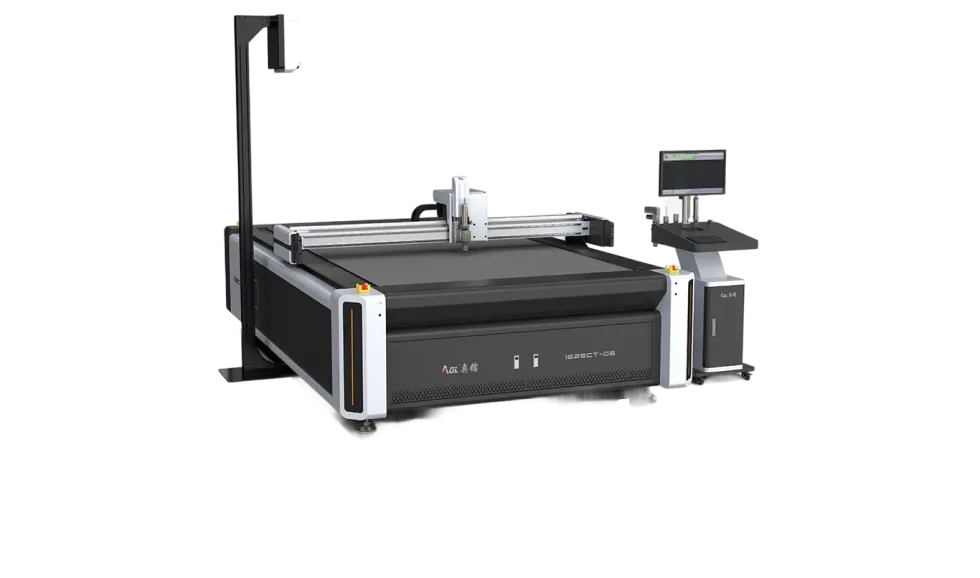
Why Digital Prepreg Cutting Machines Are Essential for Aerospace and EV Manufacturing
The digital prepreg cutters now on the market can achieve that ultra-fine level of accuracy needed when working with aerospace composite materials and parts for electric vehicle batteries. Even small variations beyond 0.1 mm in thickness can really mess up both the structural strength and heat handling properties of these components. Traditional cutting methods just don't cut it anymore. Adaptive knife technology has changed the game by preventing those pesky delamination issues in B-stage carbon fiber and aramid prepregs. These systems adjust pressure dynamically during cutting, which cuts down on waste materials by around 12.4% according to some industry reports from last year. Electric car makers benefit greatly from this kind of precision because they need consistently shaped gaskets for battery housing and cooling systems. Meanwhile, in the aerospace sector, it means getting those plies aligned perfectly on wings and fuselages without any flaws. Some top manufacturers have seen their production speeds jump by nearly 19% compared to old school die cutting techniques. They no longer need to switch out tools constantly, so design changes happen much quicker. Looking at numbers from a recent 2024 study, companies saved about $740,000 every year just from better material usage across each production line. That makes these advanced cutting machines absolutely essential for anyone dealing with high tolerance requirements and expensive manufacturing processes.
How Digital Prepreg Cutting Machines Achieve Precision Through Adaptive Knife Technology
Rotary vs. Drag Knives (Z10, Z11, Z50-Z53) for Carbon, Aramid, and Glass Fiber Prepregs
Today's digital prepreg cutters come equipped with adaptive knife systems that work best with specific fiber types and shapes. Take rotary blades for instance, models Z50 through Z53 keep spinning as they cut, which makes them great for those long, flowing lines typical in carbon fiber applications. These blades help reduce fraying issues and control heat generation during operation. Then there are drag knives like Z10 and Z11 that actually lift off the material between each pass. This lifting action gives much better results when dealing with sharp corners and detailed edges, especially important when working with aramid or glass fiber materials where precision matters most. Manufacturers find these different blade options invaluable for handling the diverse requirements across various composite manufacturing projects.
| Knife Type | Best For | Key Features |
|---|---|---|
| Rotary | Carbon fiber, continuous contours | Reduced friction, consistent downforce |
| Drag | Aramid/glass, sharp angles | Precision cornering, minimal material drag |
Selecting the appropriate Z-series blade prevents resin displacement and reduces waste by up to 9% in aerospace layups—particularly critical when handling costly, low-tolerance materials.
Matching Knife Selection to Resin Viscosity and Fiber Architecture
The way blades perform really depends on what kind of resin chemistry we're dealing with and how the fibers are woven together. When working with those high viscosity epoxy prepregs that typically range between 350 to 500 centipoise, manufacturers need to use rotary knives with low friction surfaces. Otherwise, the heat generated at the cutting point can cause premature curing issues. On the flip side, when handling loose weave glass fibers, drag knives become necessary. These specialized tools have very sharp tips designed specifically to reduce fiber pull out during cutting operations. Many top end systems now come equipped with real time material sensing technology. These sensors continuously adjust the pressure applied by the knives throughout different stages of processing. This means better cut quality overall even as materials change state from B stage to final form, all without needing constant manual adjustments from operators.
Optimizing Cut Quality: Downforce Control, Calibration, and Delamination Prevention in B-Stage Prepregs
Getting precision right in composite manufacturing really depends on three main things working together: controlling how much downward force is applied, keeping the machine properly calibrated, and preventing those annoying layers from separating during cutting. When too much pressure gets applied, it messes up the carbon and aramid fibers. Not enough pressure leaves behind partial cuts that waste expensive materials. That's why modern prepreg cutters now come equipped with these fancy closed loop sensors that keep pressure within about 0.2 Newtons, adjusting automatically as the material thickness changes across different parts of the roll. Machines that aren't properly maintained can drift off course by as much as 0.15 millimeters after just 100 hours of operation, which might not sound like much until those misaligned layers start causing problems later in production. For those tricky temperature sensitive B-stage prepregs, manufacturers have started using pulse cutting techniques to avoid overheating. Adding vibration dampeners and controlling workshop humidity has made a big difference too, cutting down on layer separation issues by around 40% when compared to older methods. All these combined efforts help maintain the important bond between resin and fiber, so finished products meet both size requirements and structural standards.
Real-World Impact: Material Savings, Throughput Gains, and ROI of Digital Prepreg Cutting Machines
The financial and operational gains from digital prepreg cutting machines are pretty substantial. These systems cut down on those pesky manual nesting mistakes and handle kerf compensation with much better precision than traditional methods. As a result, composite waste drops around 15%, which matters a lot when working with expensive materials like carbon fiber that costs anywhere from $45 to over $150 per kilogram, plus aramid prepregs too. What really makes these machines stand out is their ability to automate both loading and unloading processes while maintaining continuous cutting operations. This boosts overall production capacity somewhere between 30% and 40%. For manufacturers dealing with big aerospace components or electric vehicle battery trays, this kind of throughput improvement means getting products shipped faster without compromising quality standards.
Case Study: Jinan AOL CNC Flat-Bed Systems Reducing Waste by 12.4% in Carbon Fiber Production
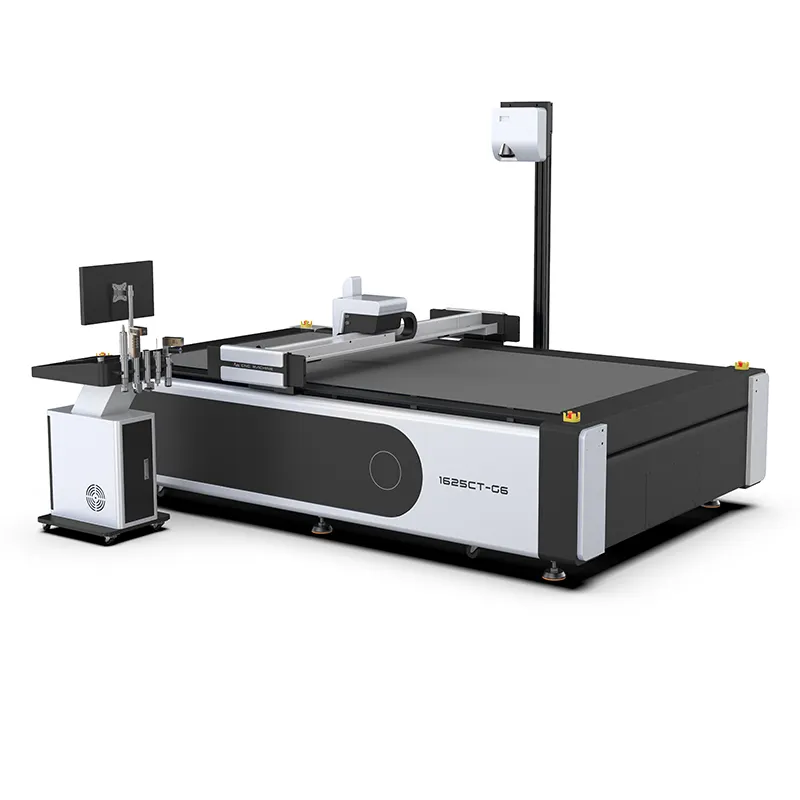
One major player in the aerospace supply chain recently installed Jinan AOL's CNC flat bed cutter for their carbon fiber manufacturing needs. The system uses smart knife pressure settings, adjustable vacuum systems, and on-the-fly calibration changes based on resin thickness between 350 and 500 centipoise. These features help keep fibers from warping and reduce layer separation when cutting intricate shapes. Looking at actual performance data, they saw around 12% less wasted material over roughly 18,000 parts made each year, plus about 27% quicker processing times per part. The company got back their investment within just under a year and a half, which shows why investing in precise cutting technology pays off across multiple fronts including environmental impact, better yields, and faster response times to changing production demands.
FAQs
How do they prevent delamination?
These machines use adaptive knife technology to dynamically adjust pressure during cutting, reducing the chances of delamination in B-stage prepregs.
What are rotary and drag knives?
Rotary knives are spinning blades suitable for carbon fibers with continuous contours, while drag knives lift off the material between cuts for better results with sharp angles, especially in aramid and glass fibers.
Why is knife selection important?
Choosing the right knife type and material sensing technology helps tailor the cutting process to specific resin chemistries and fiber architectures, optimizing cut quality.
What benefits do manufacturers get from these machines?
Manufacturers can save on materials, increase throughput, and improve production accuracy, ultimately resulting in faster production times and cost savings.
What are digital prepreg cutting machines?
Digital prepreg cutting machines are advanced tools used in aerospace and electric vehicle manufacturing to cut composite materials like carbon fiber, aramid, and glass fiber with precise accuracy.
Table of Contents
- Why Digital Prepreg Cutting Machines Are Essential for Aerospace and EV Manufacturing
- How Digital Prepreg Cutting Machines Achieve Precision Through Adaptive Knife Technology
- Optimizing Cut Quality: Downforce Control, Calibration, and Delamination Prevention in B-Stage Prepregs
- Real-World Impact: Material Savings, Throughput Gains, and ROI of Digital Prepreg Cutting Machines
- FAQs