
 EN
EN
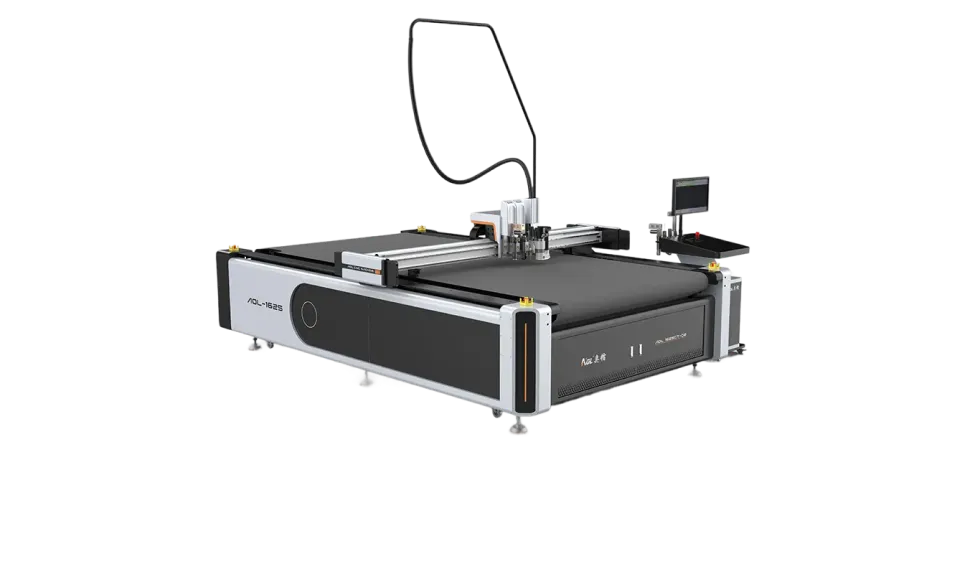
What Are CNC Prepreg Cutting Machines?
Core Functionality and Working Principle
CNC machines for prepreg cutting handle the exact shaping of those pre-impregnated composite materials like carbon fiber, glass fiber stuff, and all sorts of hybrid prepregs too. They work off CAD/CAM programs instead of relying on manual techniques. What happens here is pretty cool actually - the system takes those digital blueprints and turns them into actual movement through servo motors and super accurate controllers. The cutting tool itself can either be sharp or oscillating, moving along specific coordinates at just the right depth to hit those tight tolerances below plus or minus 0.25mm while wasting less material overall. For aerospace applications especially, this kind of consistency matters a lot because when laying up parts, every single ply needs to line up perfectly across potentially hundreds of components. Factories using these systems typically see their production cycles speed up anywhere from 20 to 40 percent over traditional hand cutting methods.
Key Components: Tooling, Vacuum Systems, and Motion Control
Three integrated subsystems ensure consistent, high-fidelity cutting:
- Tooling: Interchangeable cutters—including drag knives, ultrasonic blades, and diamond-coated tools—adapt to material types and thicknesses (0.1–10 mm), reducing delamination in brittle fabrics and fraying in glass fiber.
- Vacuum Systems: High-pressure suction beds securely immobilize tacky, uncured prepreg sheets during cutting, preventing slippage and edge distortion.
- Motion Control: Precision linear guides and ball screws deliver tool positioning accuracy within 5 microns, synchronized with nesting software to maximize material yield.
Integrated force-feedback sensors dynamically adjust cutting speed and downforce based on resin viscosity and fiber architecture—a critical capability when processing hybrid or temperature-sensitive prepregs.
Why CNC Prepreg Cutting Machines Outperform Manual and Traditional Methods
Accuracy, Repeatability, and Material Waste Reduction
When it comes to prepreg cutting, CNC technology takes out all the guesswork from human operators and delivers parts with incredible dimensional accuracy down to the micron level. This matters a lot in aerospace manufacturing because even something as small as a 0.1 mm difference can actually weaken the whole structure. Traditional manual methods waste around 30% of these costly prepreg materials. But with CNC systems, manufacturers see scrap rates drop below 5%. How? These machines use smart nesting software and stable vacuum tables that keep everything in place during cutting. A recent study by the Ponemon Institute found that companies switching to CNC prepreg cutting saved approximately $740,000 per year on average for their mid-sized operations.
Speed, Scalability, and Integration with CAD/CAM Workflows
CNC machines can boost production speeds by around 70% compared to traditional manual methods. They do this through constant cutting cycles, automatic tool switching, and basically no need for fixing mistakes caused by off-center templates. Take one major aerospace company for instance they managed to crank out 500 composite parts weekly instead of just 50 without hiring any extra workers once they installed their new CNC prepreg system. The direct connection between CAD/CAM software makes it super easy to turn those DXF and DWG files into actual machine commands, which cuts down on all those frustrating errors that come with hand coding programs. And let's not forget about automotive prototyping where these machines have slashed the time needed from concept to finished part from two whole weeks down to barely two days now.
Critical Selection Criteria for Industrial Buyers
Material Compatibility and Thickness Handling (e.g., Carbon Fiber, Glass, Hybrid Prepregs)
Getting material compatibility right matters a lot when working with composites. Carbon fiber can be really tough on equipment because it's so abrasive, so most shops end up needing diamond coated bits or carbide tipped cutters for this stuff. Glass fiber presents different challenges altogether, often requiring special anti fray systems to keep things intact during processing. Hybrid prepreg materials throw another curveball into the mix, needing careful control of applied force to stop problems like resin smearing or fibers getting pulled out. The machines have to handle everything from super thin layers at just 0.1mm thick all the way up to those thicker laminates around 10mm. Adjusting pressure and tension correctly becomes critical to prevent issues like delamination or unwanted stretching of the material. Shops that don't invest in real time adaptive tooling typically see their scrap rates jump by about 25%, which adds up fast. Temperature control also plays a big role here since resin viscosity changes from batch to batch, and the cutting needs to stay consistent even as temperatures swing between 15 degrees Celsius and 40 degrees Celsius throughout normal operations.
Software Capabilities, Nesting Algorithms, and Automation Readiness
The quality of software really determines how mature an operation is these days. When looking at options, companies should focus on systems that include AI powered nesting features which can actually increase material yields anywhere from 15 to 30 percent. Also important is whether the platform supports direct CAD file imports in formats like DXF, DWG or STEP files so workers don't have to manually enter all that data again. Thinking ahead matters too. Check if the software works well with existing MES and ERP systems, plus see if it plays nicely with robots that handle materials automatically. This kind of integration makes those unmanned overnight operations possible thanks to tools that switch themselves out and cameras that calibrate everything properly. According to what Composites Manufacturing Magazine found, shops running completely integrated software systems saw their job changeover times drop by around 40%. And let's not forget about cloud based analytics that track key performance indicators in real time. These help cut down on reliance on operators while making it easier to predict when maintenance will be needed before problems happen.
Real-World Applications Across Aerospace, Automotive, and Wind Energy
CNC prepreg cutting machines provide the kind of precision that matters most when performance, weight savings, and budget constraints all come together. For the aerospace industry, these machines handle carbon and glass prepregs needed for making turbine blades, satellite parts, and various airframe components. The level of detail achieved at the micron scale is absolutely necessary for ensuring flight safety standards and meeting regulatory requirements. Car manufacturers have started using them extensively too, especially for producing lightweight body panels, battery housing units, and structural reinforcement pieces. This helps car companies meet those tough fuel efficiency targets set by regulations like CAFE and Euro 7 standards while also cutting down on material waste. Wind turbine makers benefit as well since automated nesting software gets maximum value out of big prepreg sheets used for blade covers and spar cap construction. Given that carbon fiber materials can run upwards of $740,000 per ton according to Astute Analytica data from 2025, it's no surprise we're seeing an industry wide move towards CNC prepreg cutting technology. After all, nobody wants to waste expensive materials when trying to scale up production of complex composite parts.
FAQ
What is a CNC prepreg cutting machine?
A CNC prepreg cutting machine is a tool used to accurately cut pre-impregnated composite materials, like carbon or glass fibers, using computer-controlled precision instead of manual methods.
How do CNC machines reduce material waste?
CNC machines use smart nesting software and secure vacuum tables, which minimize waste by keeping materials stable during cutting and optimizing the layout of cuts.
What industries benefit from CNC prepreg cutting machines?
Industries like aerospace, automotive, and wind energy benefit from these machines due to their need for precise and efficient handling of composite materials.
What are the critical selection criteria for buying a CNC prepreg cutting machine?
Important factors include material compatibility, software capabilities, thickness handling, and automation readiness, ensuring the machine meets the specific needs of the buyer’s operation.