
 EN
EN
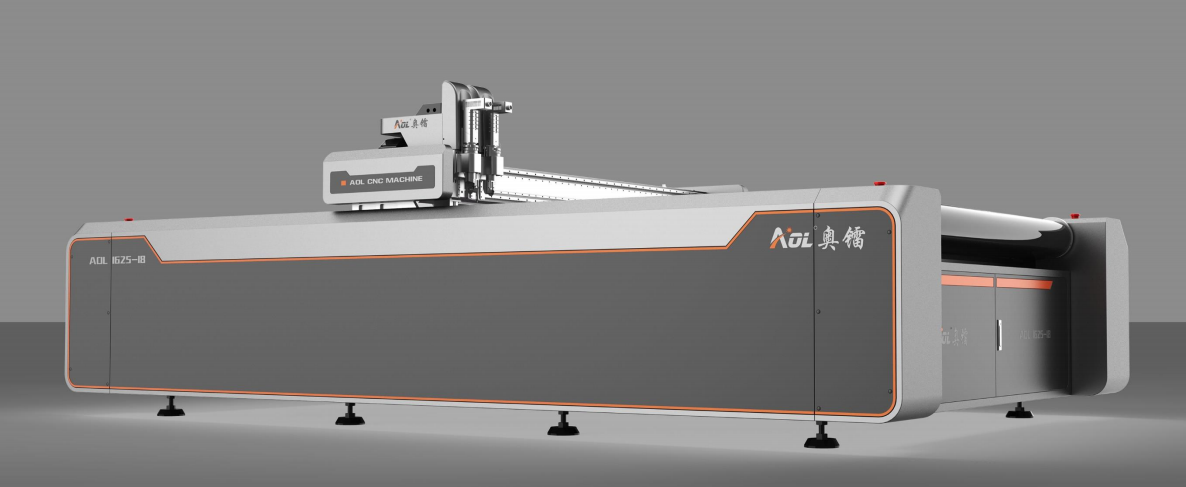
How Oscillating Cutting Machines Achieve Precision on Corrugated and Paperboard
Kinematic Advantage: High-Frequency Vertical Oscillation vs. Rotary Shear
Oscillating cutters work differently from regular rotary shears because they move the blade up and down really fast about 500 to 2500 times each minute rather than dragging sideways across materials. This kind of vertical movement creates much less friction against corrugated cardboard and keeps the blade from bending or warping during operation. When cutting through those fluted layers inside cardboard boxes that look like waves between the outer layers, the blade goes straight through instead of pushing sideways. This means it doesn't crush the internal structure as much and actually cuts away about 40% less material overall compared to other methods. Without all that sideways pressure, there's no slipping of materials either which results in very accurate cuts within around plus or minus 0.15 millimeters. Such precision matters a lot when making parts that need to fit together perfectly in packaging applications.
Substrate-Specific Blade Control: Penetration Depth Modulation for Single- to Triple-Wall Board
The system gets even more precise when using real time servo control to adjust how deep it cuts into materials. Operators pick from pre set depth settings depending on what kind of flute they're working with. Microflute single wall boards need something really shallow around 0.5mm, whereas dense triple wall C flutes can handle cuts going down to about 8mm. Special load sensors watch for changes in resistance as the blade moves through different materials. When the cut is done, these sensors tell the machine to pull the blade back automatically. This helps avoid problems like damaging surfaces by cutting too deep or tearing fibers because the blade didn't go far enough. With complex materials such as foam laminated paperboard, the equipment keeps those clean right angle edges throughout every layer without anyone having to step in manually during production.
Oscillating Cutting Machine vs. Traditional Die-Cutting: Speed, Flexibility, and ROI
Faster Short-Run Turnaround: 68% Reduction in Changeover Time (FESPA 2023 Data)
Traditional die cutting needs actual metal dies for each new design, but oscillating machines can run digital paths almost instantly. According to numbers from FESPA 2023, these machines cut down on setup time by around two thirds compared to older rotary systems. That means no waiting around for prototypes anymore, which is great for making smaller batches quickly. When designers tweak their CAD files on the fly, material waste drops between 15 and 30 percent too. This matters a lot in custom packaging jobs where people keep changing designs back and forth during development.
Hybrid Workflow Integration: Combining Oscillating CNC with Creasing, Scoring, and Perforating
The latest oscillating CNC systems come equipped with swapable tool heads that can cut, crease, score, and even make perforations all in one go through the material. What makes these machines stand out is their ability to complete entire packaging fabrication processes without needing to move parts around or transfer them between different lines. By consolidating so many operations into a single setup, manufacturers typically see around a 40% reduction in production steps. The result? Faster throughput times and consistently accurate dimensions staying within about half a millimeter tolerance zone. This level of precision holds true even when dealing with intricate designs featuring multiple features and complex shapes that would challenge older equipment.
Digital Automation and Smart Adaptation in Modern Oscillating Cutting Machines
Closed-Loop Thickness Sensing and Real-Time Blade Depth Adjustment
Thickness sensors using laser technology can check corrugated board at around 2,000 spots every minute. These onboard computers then take all that information and make immediate adjustments to the cutting blades, keeping things accurate within about 0.1mm either way. What makes this system really stand out is how it handles different materials so well. It works just fine on thin single wall boards that might get crushed if not careful, but also manages thick triple wall structures where the lasers need to go all the way through. Because everything happens automatically in real time, there's no need for constant manual adjustments which tend to drift over time. As a result, manufacturers see somewhere between 25-30% reduction in waste material compared to older methods.
Software Ecosystem: CAD-to-Cut Integration, Nesting Optimization, and Material Yield Analytics
Specialized software takes those CAD designs and turns them into efficient cutting paths in just seconds flat. Our own nesting system works out how best to fit everything together on metal sheets using some pretty smart math tricks, which means we get about 18% more usable material from each sheet compared to standard methods. The dashboard shows where waste tends to happen most often between different projects, points out when cutters aren't being used to their full potential, and even connects equipment downtime with recent maintenance history. When these systems hook up with enterprise resource planning tools, all those efficiency gains translate right into real dollar savings numbers for management to see and act upon.
FAQ
What are oscillating cutting machines?
Oscillating cutting machines use high-frequency vertical blade movements to make precise cuts on materials such as corrugated cardboard, minimizing friction and material deformation.
How do these machines achieve accuracy?
They achieve accuracy by employing real-time servo control, penetration depth modulation, and laser-based thickness sensors, which allow for precise control over the cutting process.
Why are oscillating machines preferable to traditional die-cutting?
These machines offer faster setup times, greater flexibility, and reduced material waste compared to traditional die-cutting methods, which require unique metal dies for each design.
How do oscillating machines integrate with modern technology?
They use CAD-to-cut integration, nesting optimization, and material yield analytics to streamline operations, increasing efficiency and decreasing waste.
Table of Contents
-
How Oscillating Cutting Machines Achieve Precision on Corrugated and Paperboard
- Kinematic Advantage: High-Frequency Vertical Oscillation vs. Rotary Shear
- Substrate-Specific Blade Control: Penetration Depth Modulation for Single- to Triple-Wall Board
- Oscillating Cutting Machine vs. Traditional Die-Cutting: Speed, Flexibility, and ROI
- Digital Automation and Smart Adaptation in Modern Oscillating Cutting Machines
- Closed-Loop Thickness Sensing and Real-Time Blade Depth Adjustment
- Software Ecosystem: CAD-to-Cut Integration, Nesting Optimization, and Material Yield Analytics
- FAQ