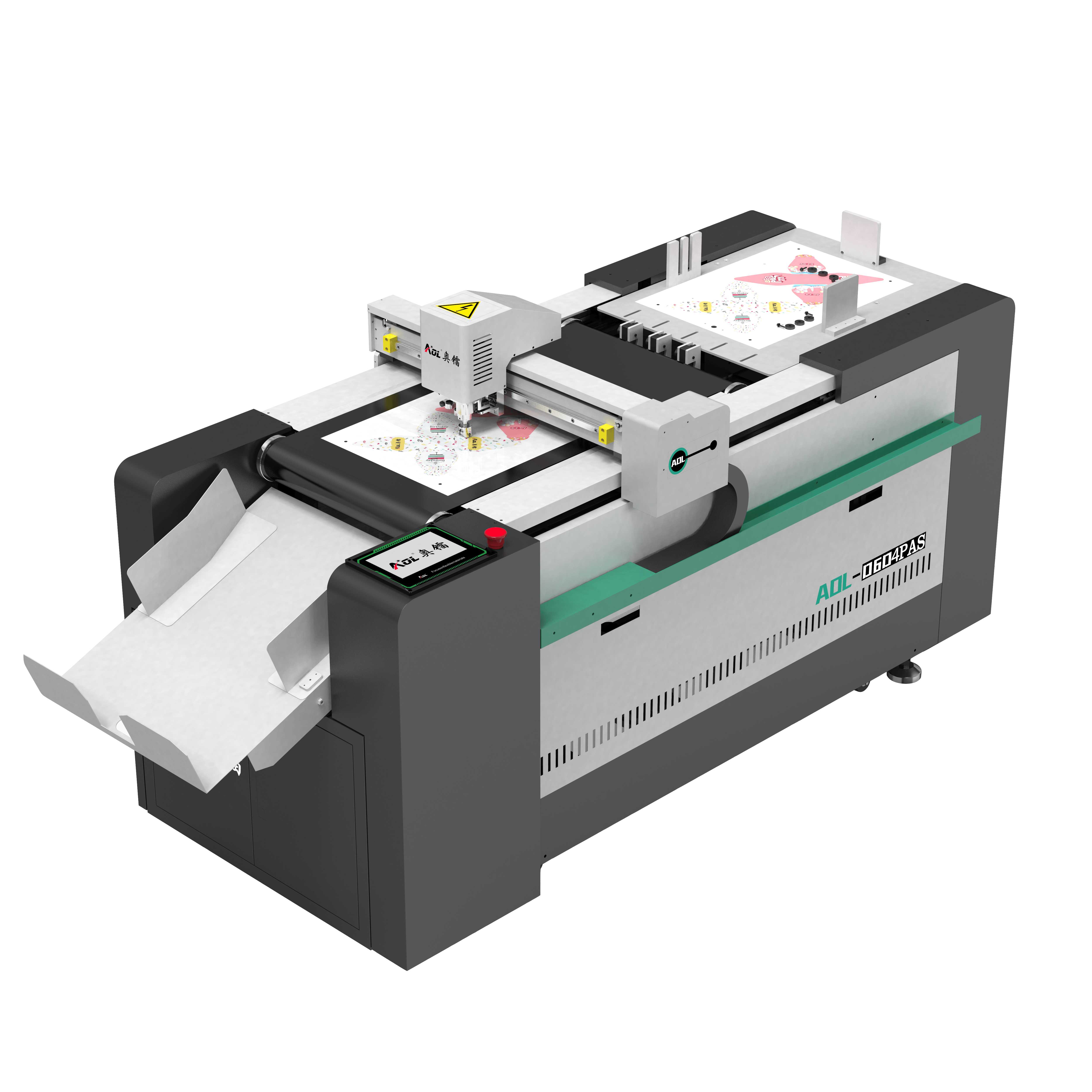
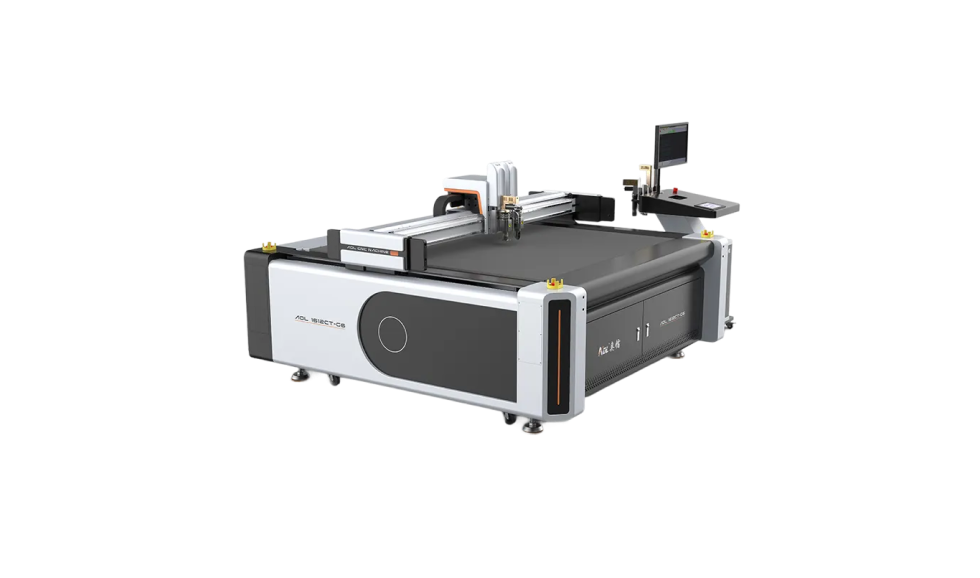
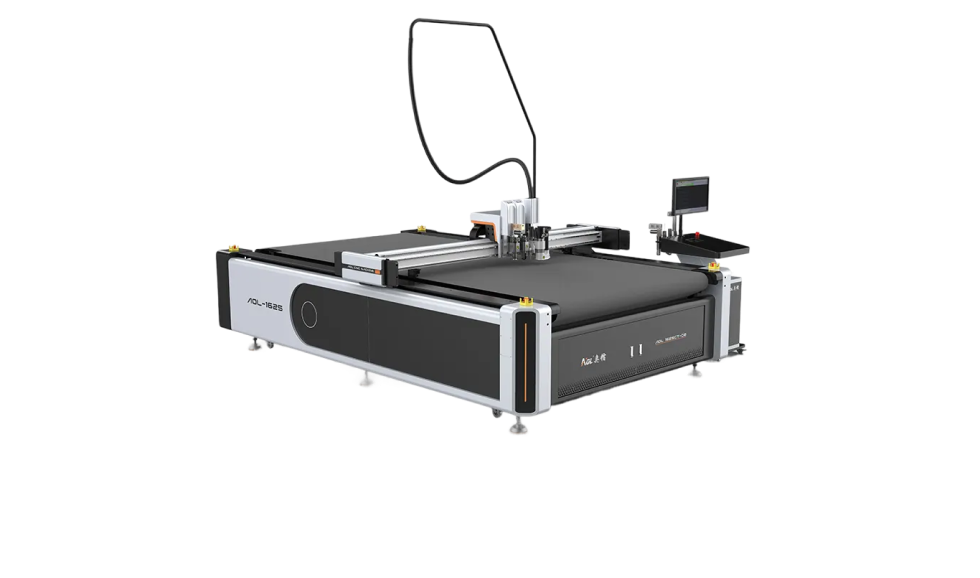
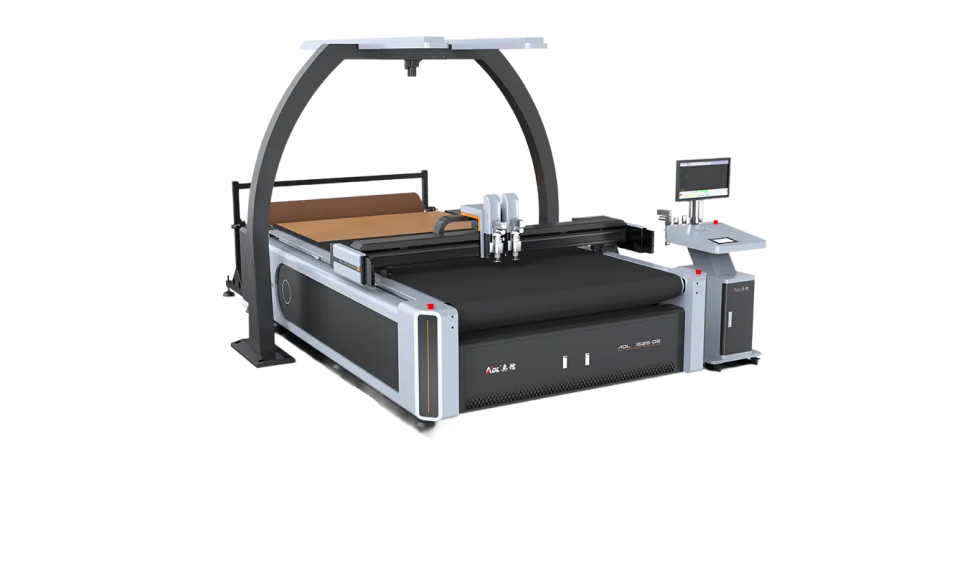
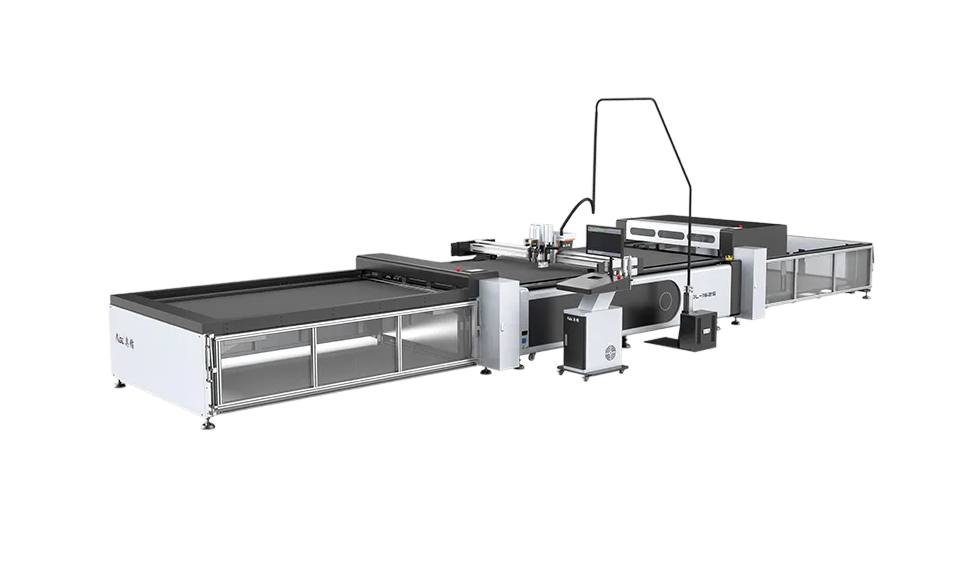
In aerospace manufacturing, precision is not merely a goal but an essential prerequisite. When crafting structures that must withstand extreme altitudes, pressure differentials, and high-speed flight, every gram of weight and every millimeter of material matters. This is precisely why aerospace laminate cutting machines have evolved from simple mechanical tools into mission-critical assets. First and foremost, they bear the responsibility of achieving zero defects. Unlike metal fabrication, defects in composite materials cannot be remedied through post-processing. If a cutter causes frayed edges, misalignment, or micro-cracks, these minute flaws can gradually evolve into delamination risks under the repeated stresses of flight cycles. A high-precision cutter ensures each fabric sheet possesses a perfectly sealed or clean edge, thereby preserving the structural integrity of the component.
Second, this equipment is specifically engineered to handle “prepregs”—resin-impregnated materials commonly used in modern aerospace. These viscous materials are notoriously difficult to cut with conventional blades, which can drag resin, distort fabric, and cause costly material waste. Aerospace-specific cutters employ ultrasonic vibrating blades or reciprocating tools that cleanly sever viscous carbon fiber without dragging resin. This ensures premium materials deliver 100% of their designed strength. Furthermore, under the aerospace industry's perpetual pursuit of weight reduction, advanced cutting machines integrated with precision nesting software optimize the arrangement of layup shapes on material rolls (known as “nesting”). This minimizes scrap, saving thousands of dollars in material costs per aircraft while eliminating excess weight through precisely overlapping laminate structures.
More critically, facing stringent industry standards like AS9100 and NADCAP, modern digital cutters log speed and pressure data for every cut, establishing a complete “digital traceability chain.” This proves each ply fully complies with engineering specifications—an essential requirement for becoming a supplier to giants like Boeing and Airbus. Finally, with the explosive growth of emerging fields like electric vertical takeoff and landing (eVTOL) aircraft and drones, demand for lightweight composite structures with complex geometries has surged. Manual cutting can no longer support mass production. Thus, aerospace layup cutters are the core driver propelling next-generation aircraft from prototypes to mass production. In essence, investing in a high-performance aerospace laminate cutting machine is an investment in risk management—ensuring tomorrow's wings won't fail due to today's edge burrs. It also serves as the most reliable bridge connecting expensive raw materials to lightweight, airworthy components.

 EN
EN