
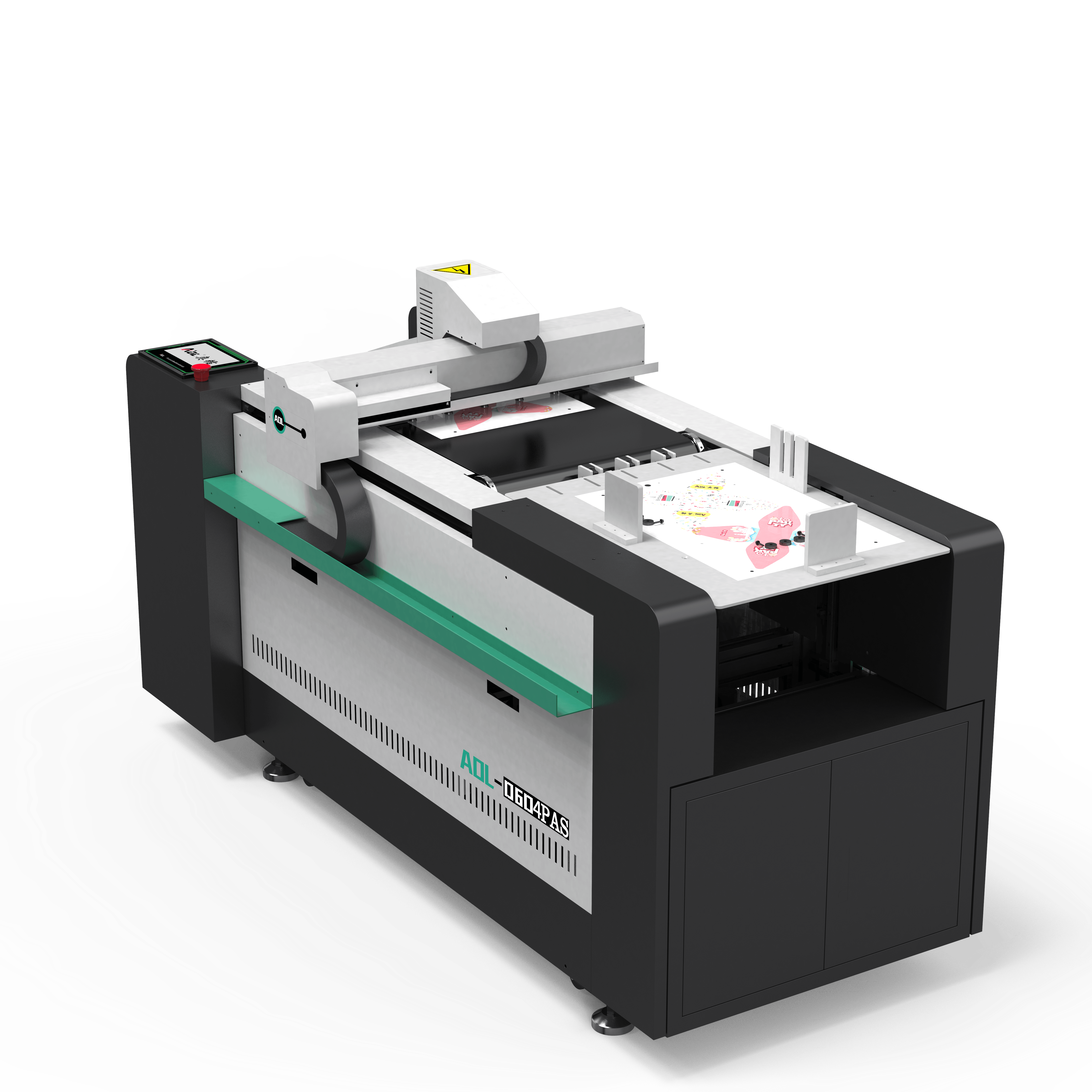
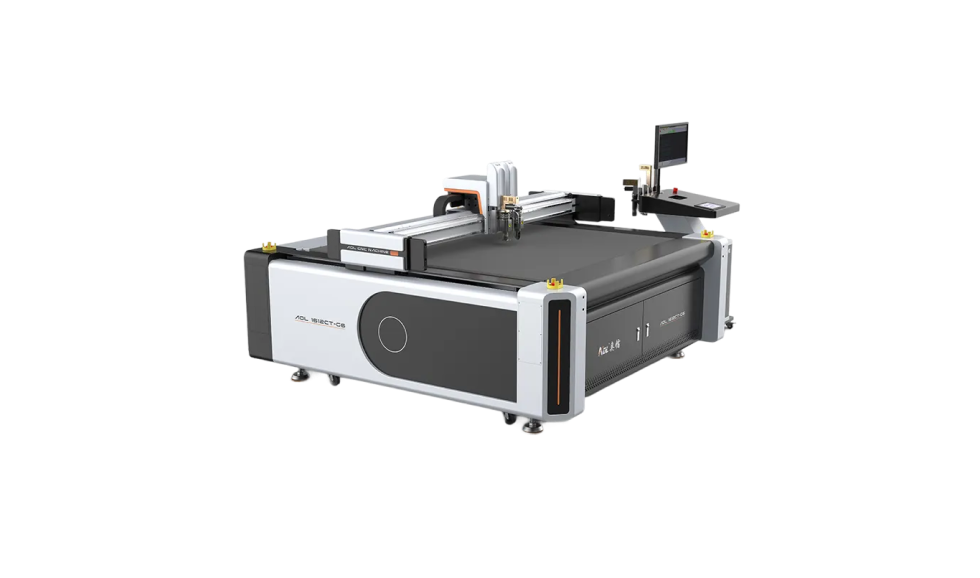
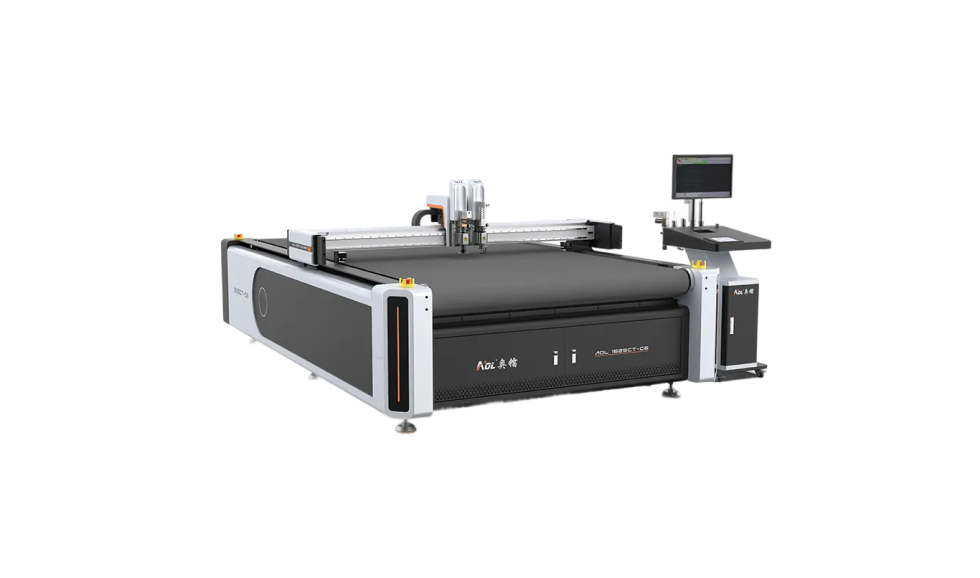
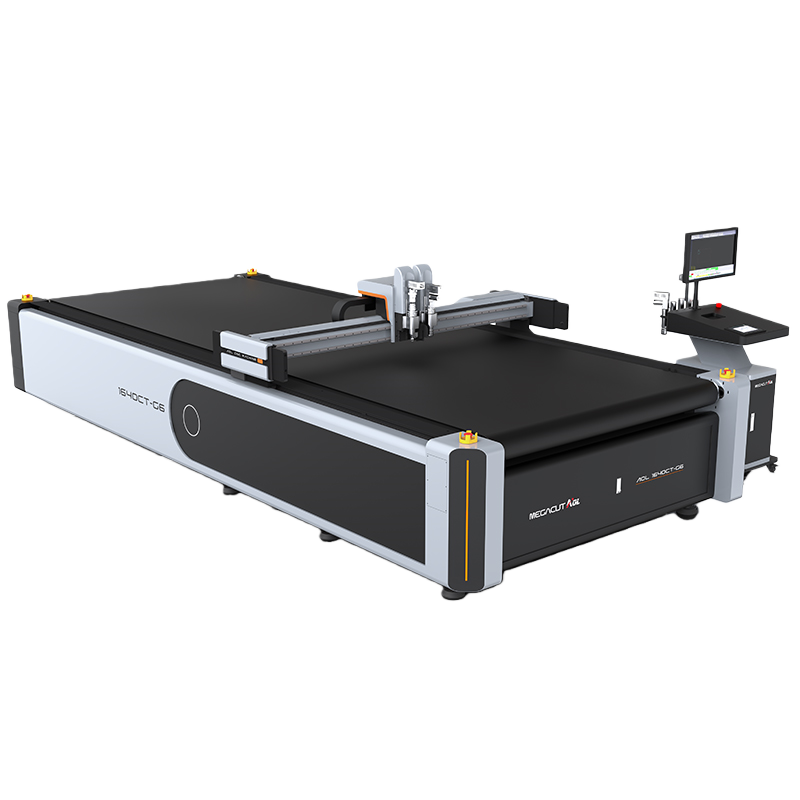
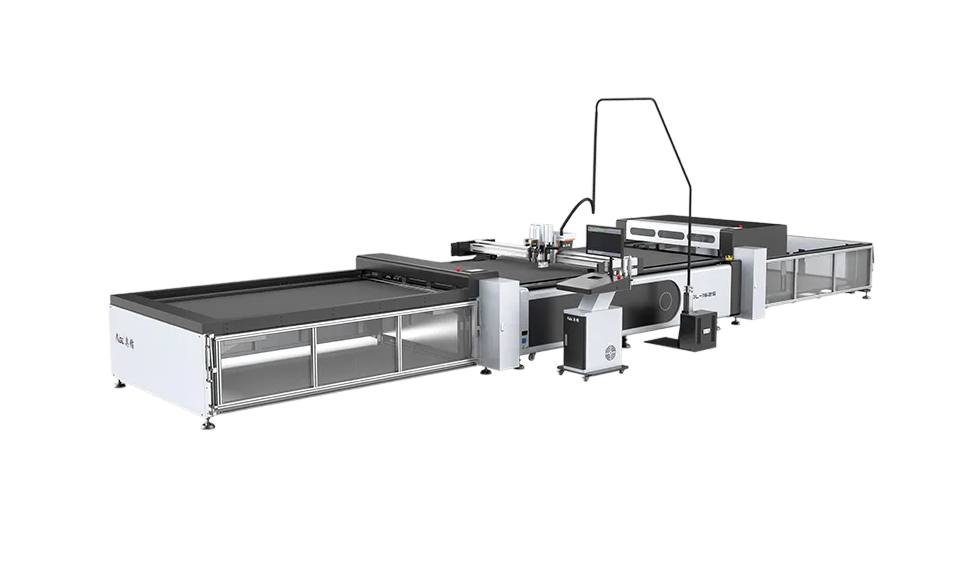

As a high-strength, lightweight composite material that is difficult to process, fiberglass has long faced challenges during cutting due to its abrasive properties and fiber structure, resulting in ragged edges, material fraying, and significant dust generation. Traditional manual cutting methods are not only inefficient and difficult to control for precision but also pose potential health risks to operators. The advent of automated fiberglass cutting machines has revolutionized this landscape. Equipped with high-frequency vibrating blades or ultrasonic cutting heads, and integrated with advanced CNC software, these devices achieve cutting tasks with exceptional precision. They ensure clean, flush cuts while completely eliminating delamination and burrs, thereby eliminating the need for secondary grinding and finishing processes. The primary benefit is unmatched precision and edge quality.
Beyond precision, automation delivers significant gains in production efficiency and cost control. As production scales up, manual cutting often becomes a bottleneck limiting output capacity, whereas a single automated cutter can replace the workload of several or even dozens of workers. More importantly, such equipment is typically equipped with advanced automatic layout software. This software arranges cutting patterns on the material in the most compact manner possible, maximizing the utilization of expensive fiberglass raw materials and generating substantial cost savings for businesses. Simultaneously, modern automated cutting machines commonly integrate enclosed dust collection systems. These systems capture and process harmful dust generated during cutting at the source, not only safeguarding workers' occupational health but also ensuring factory environments comply with increasingly stringent environmental and safety regulations.