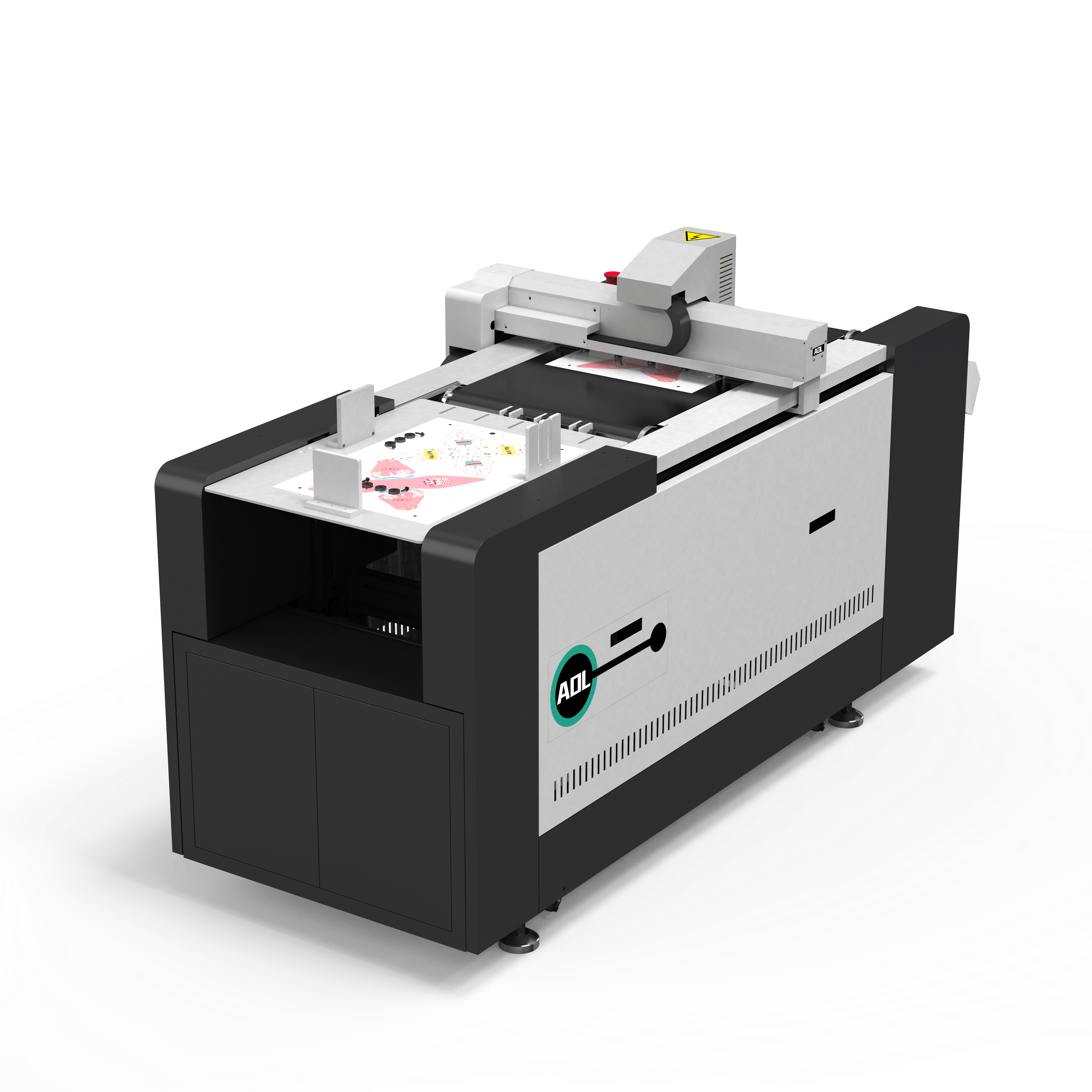
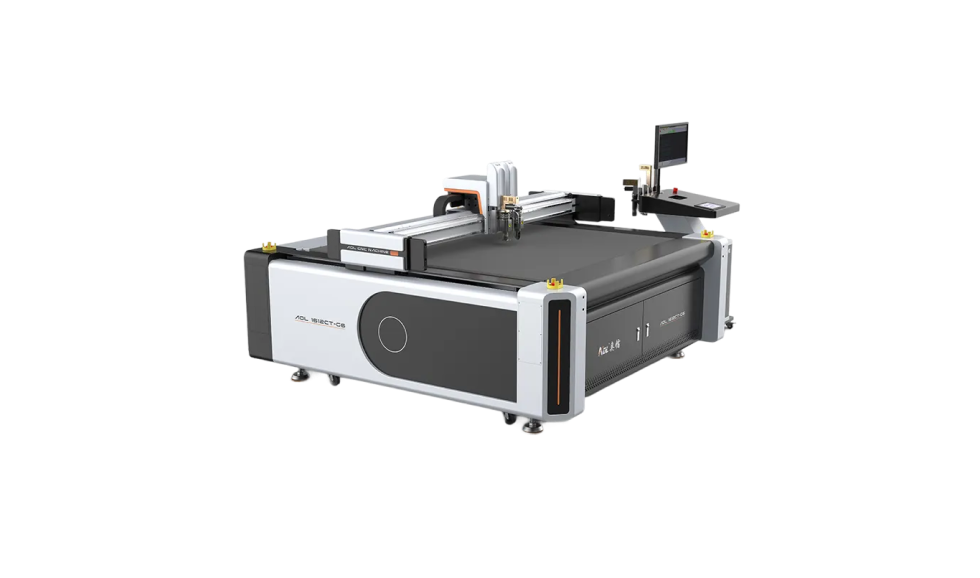
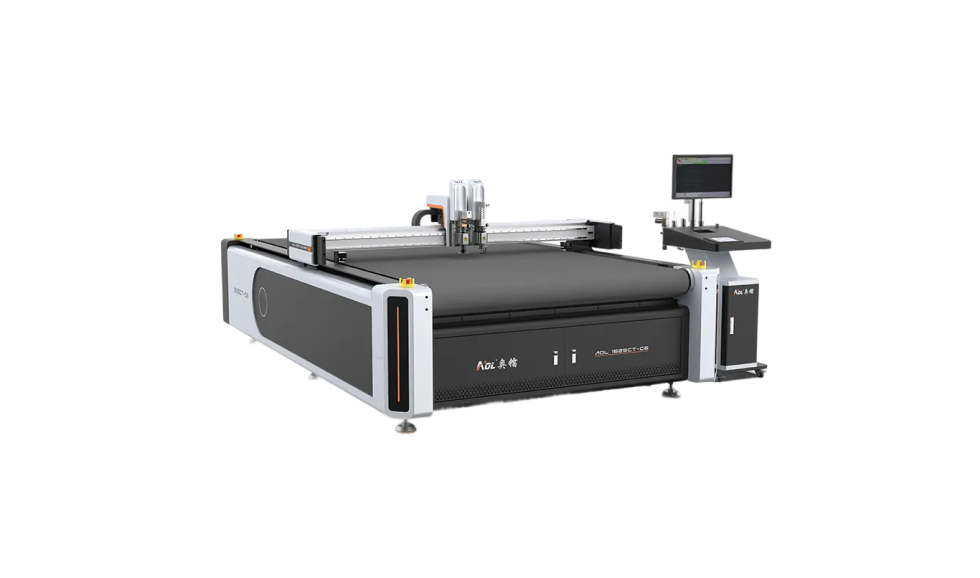
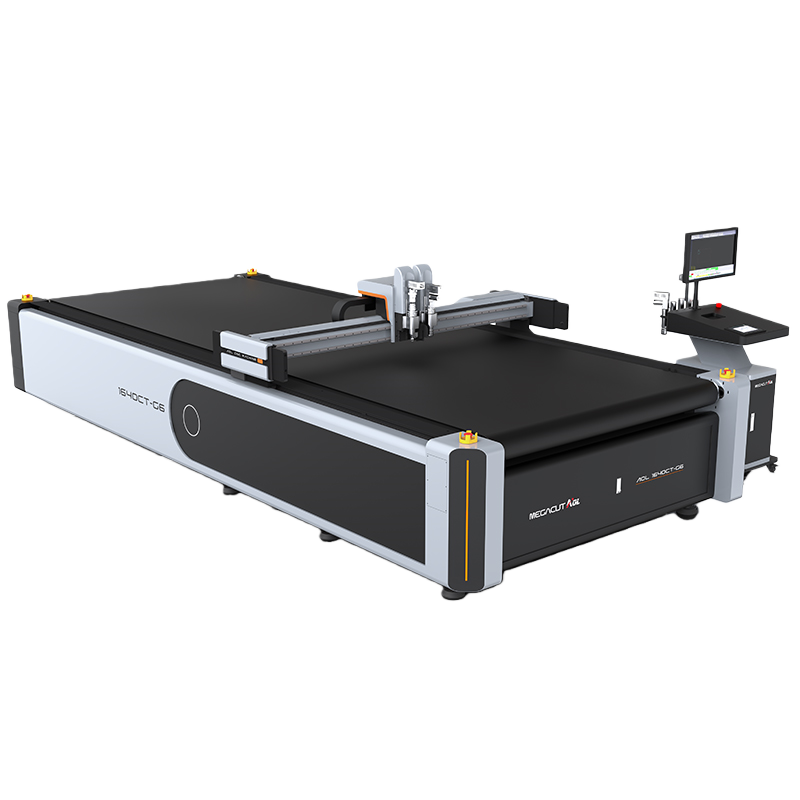
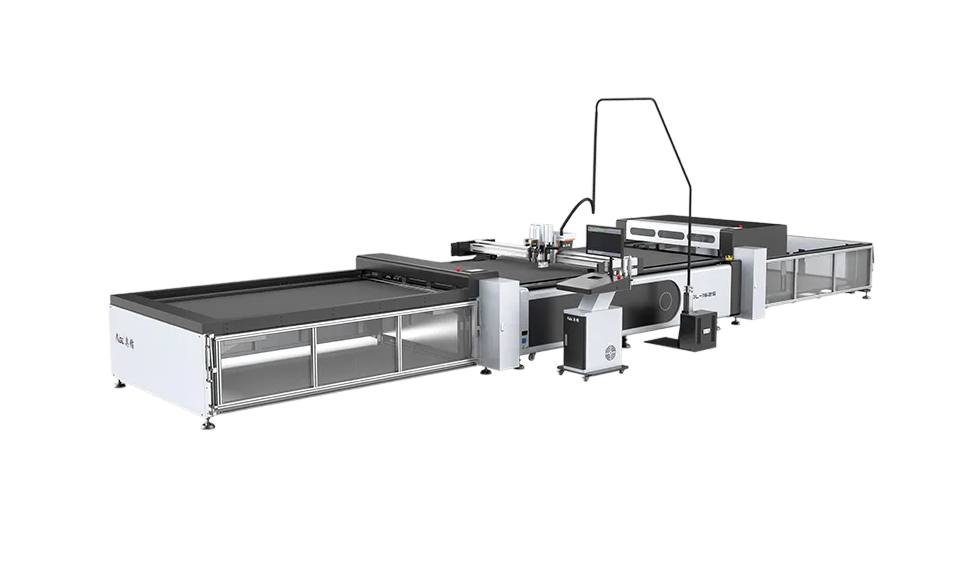
Carbon fiber fabric cutting machines, as core automated equipment in composite material processing, are revolutionizing production across multiple industries including aerospace, automotive manufacturing, sporting goods, medical devices, and renewable energy. Their high precision, efficiency, and robust capability to handle complex materials not only overcome challenges inherent in traditional manual cutting but also provide solid technical support for enterprises to achieve scalable, customized production. Below, we will analyze the broad prospects of this equipment in its primary application areas.
In aerospace and defense manufacturing, carbon fiber composites are widely used in critical components like aircraft interiors, seat frames, wing ribs, and radomes due to their lightweight yet high-strength properties. This industry demands near-perfect material utilization and processing precision, particularly when cutting prepregs—where avoiding material deformation and eliminating even the slightest burrs are paramount. Equipped with ultrasonic or oscillating blade modules, carbon fiber fabric cutters achieve precise, non-contact cutting of single- or multi-layer prepregs. High-frequency blade vibrations ensure smooth, clean cuts while sealed edges prevent fiber fraying. This automated processing significantly boosts yield rates and minimizes waste of costly aerospace-grade materials, powering the trend of “plastic replacing steel” in aircraft manufacturing.
In motorsports and the high-performance aftermarket, carbon fiber applications have expanded from Formula 1 racing to premium sports cars and modified vehicles. Whether producing monocoque cockpits or exterior components like hoods and spoilers, rapid and stable cutting of complex curved profiles is essential. Carbon fiber fabric cutters can be paired with projection positioning or high-precision cameras to accurately identify pre-printed registration marks, ensuring consistent cutting shapes even in multi-layer laminates. For the automotive aftermarket, this translates to significantly shortened delivery cycles and rapid response to personalized customization demands, granting a competitive edge in the highly contested modification sector. Simultaneously, the equipment's high-speed operation supports batch production, facilitating the transition of carbon fiber components from luxury items to broader consumer-grade automotive applications.

 EN
EN