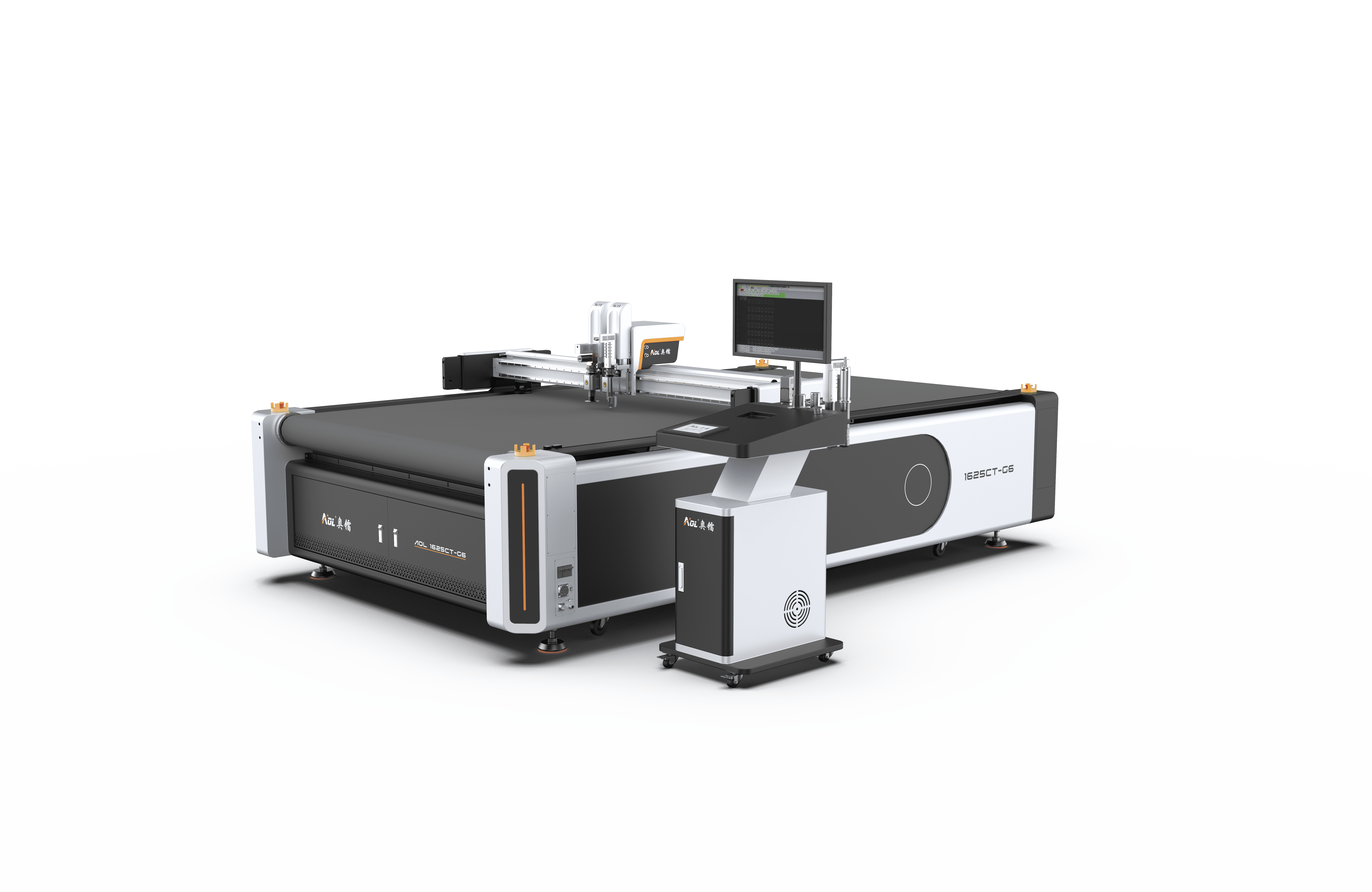
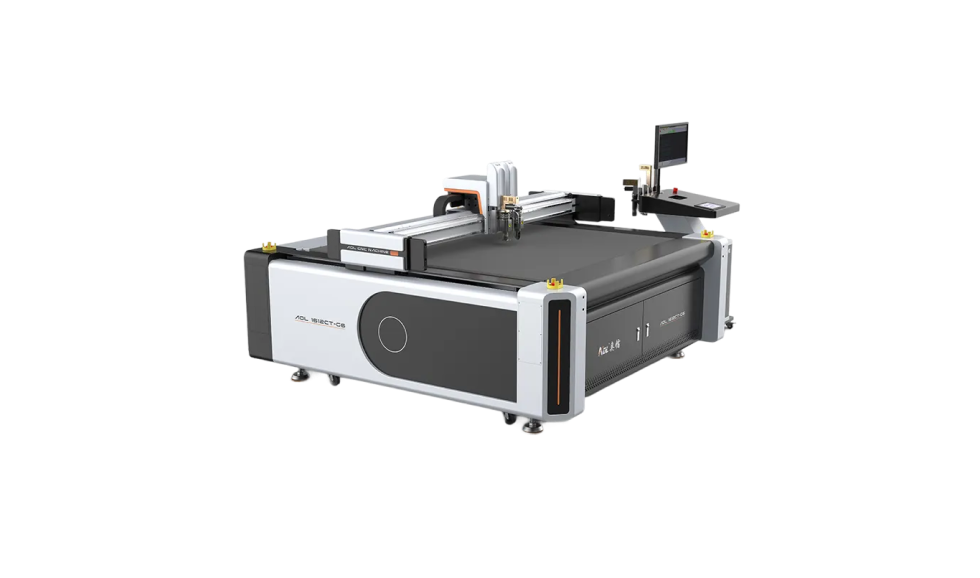
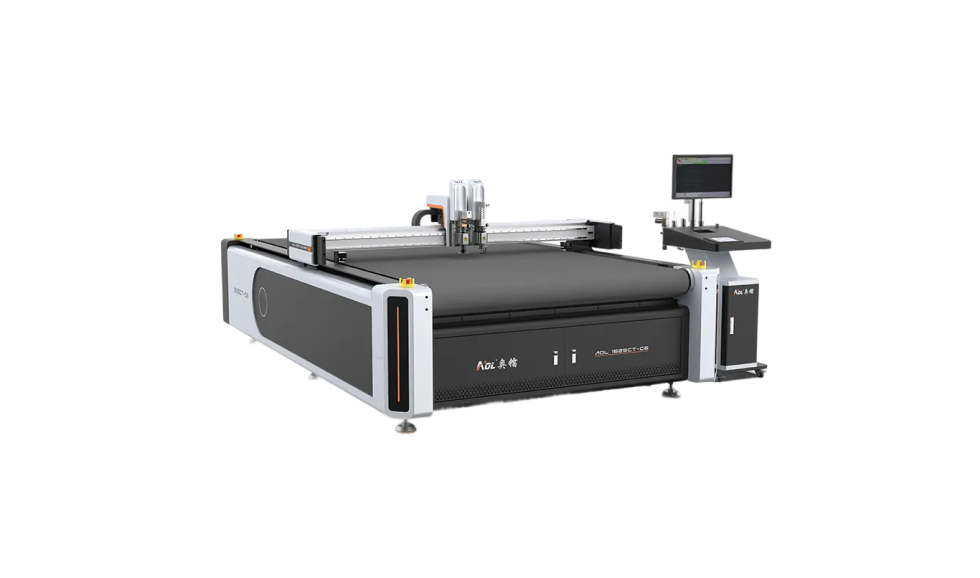
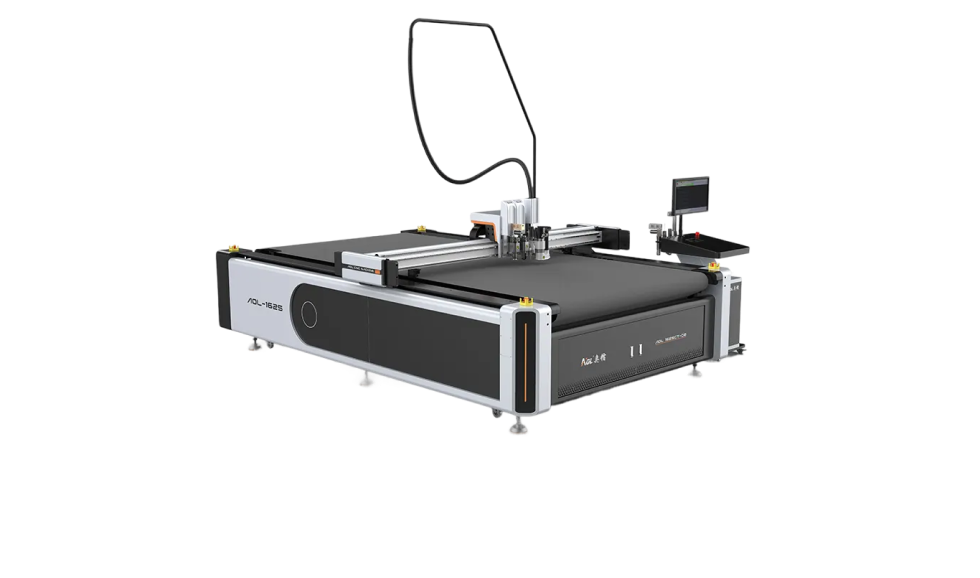
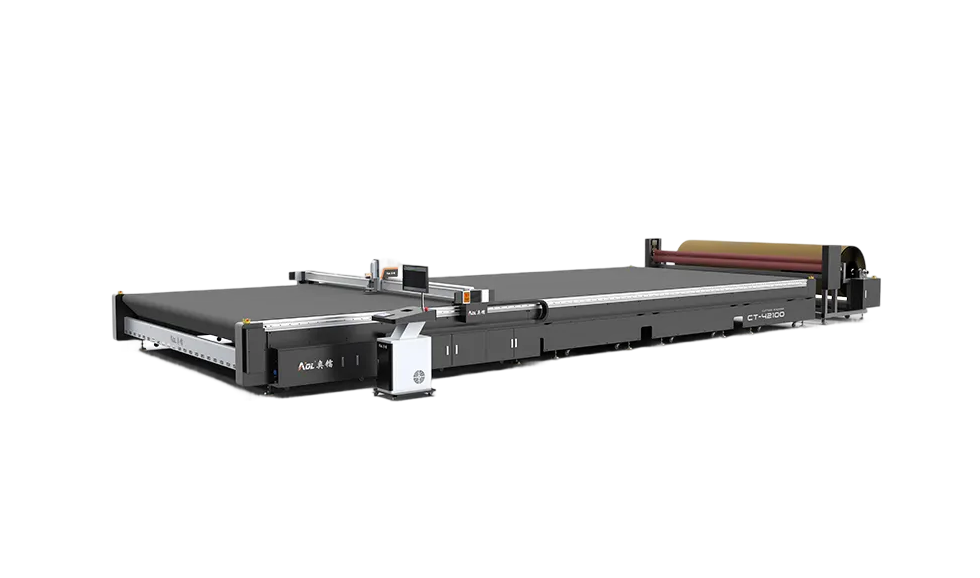
As the global textile and fashion industry undergoes profound transformation, the application scope of apparel cutting machines continues to expand, with their market potential now extending far beyond traditional garment production. In the high-end fashion and bespoke sectors, laser and ultrasonic cutting systems are emerging as the preferred tools for handling delicate fabrics like silk and lace, thanks to their exceptional precision and edge-sealing capabilities. These technologies empower designers to translate intricate artisanal effects into industrial mass production realities. Simultaneously, in fast-paced mass apparel manufacturing, automated multi-layer cutting tables and CNC blade cutters process dozens of layers of woven or denim fabrics in a single pass. This dramatically shortens the cycle from design draft to finished product, meeting modern retail's demanding requirements for rapid response capabilities.
Amid the booming functional sportswear market, these systems demonstrate exceptional adaptability for elastic synthetic fabrics like spandex and microfiber. They precisely cut and join panels without stretching or deformation, providing technical support for compression garments, outdoor gear, and other functional apparel. Beyond apparel, heavy-duty cutting systems are increasingly adopted in automotive interiors, furniture upholstery, and aerospace seat manufacturing, effortlessly handling leather, foam composites, and thick vinyl materials. Notably, with the rise of small-batch, multi-variety on-demand production models, compact digital cutting equipment is becoming a core asset for independent designers and startup brands. This enables them to offer personalized customization services without inventory pressure. Furthermore, in medical and industrial protection sectors, demand for specialized high-speed cutting equipment for non-woven materials has surged, ensuring hygienic production and efficient supply of essential items like masks and protective suits.
In summary, apparel cutting equipment has evolved from a simple “fabric-cutting tool” into a critical productivity node spanning fashion, industry, healthcare, and even automotive manufacturing. As global manufacturing demands continuously increase automation levels and material utilization rates, this market is experiencing steady growth. Investing in intelligent cutting solutions is not only a means for enterprises to enhance production efficiency but also a strategic positioning toward future flexible manufacturing and sustainable production models.

 EN
EN