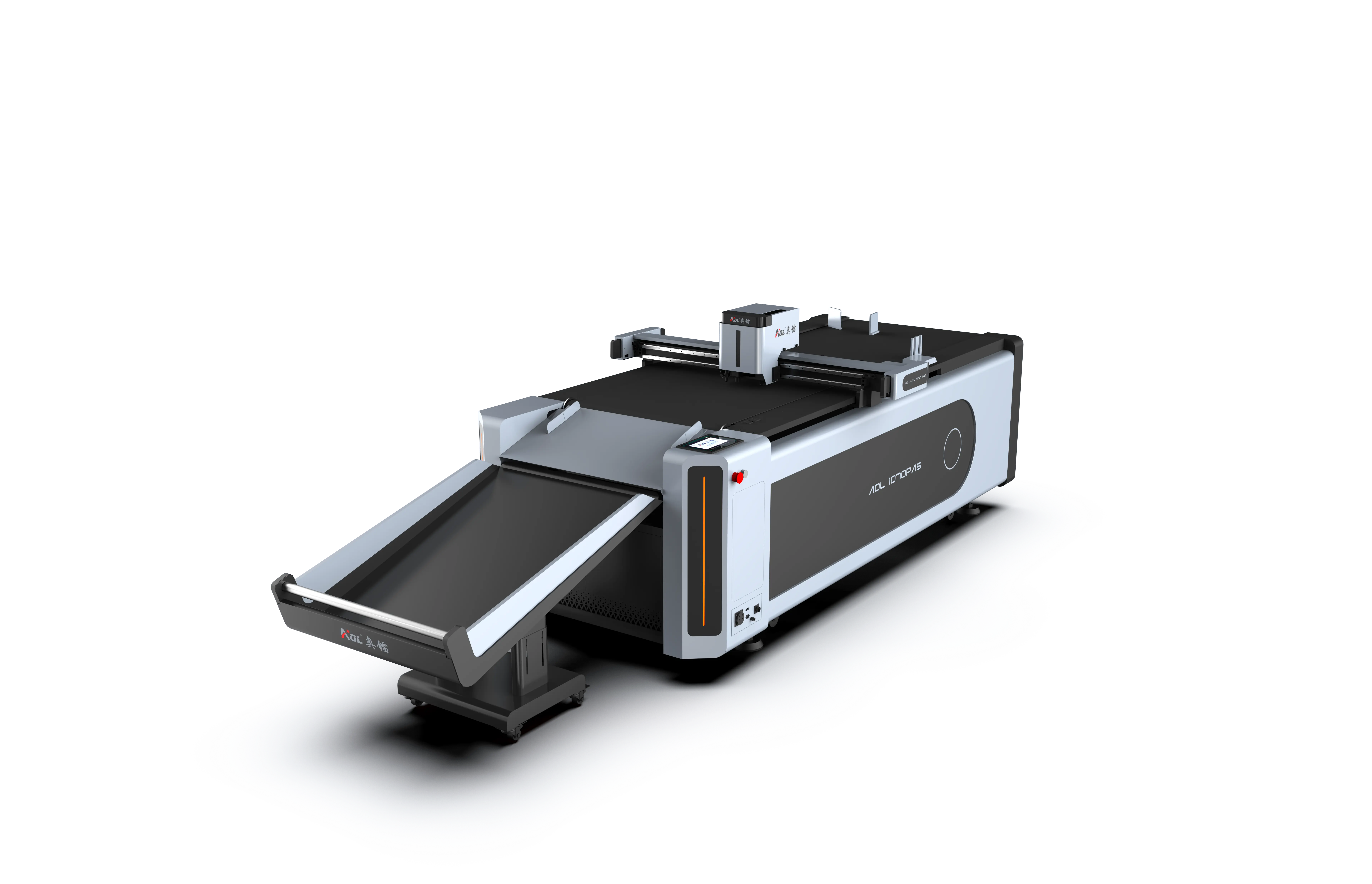
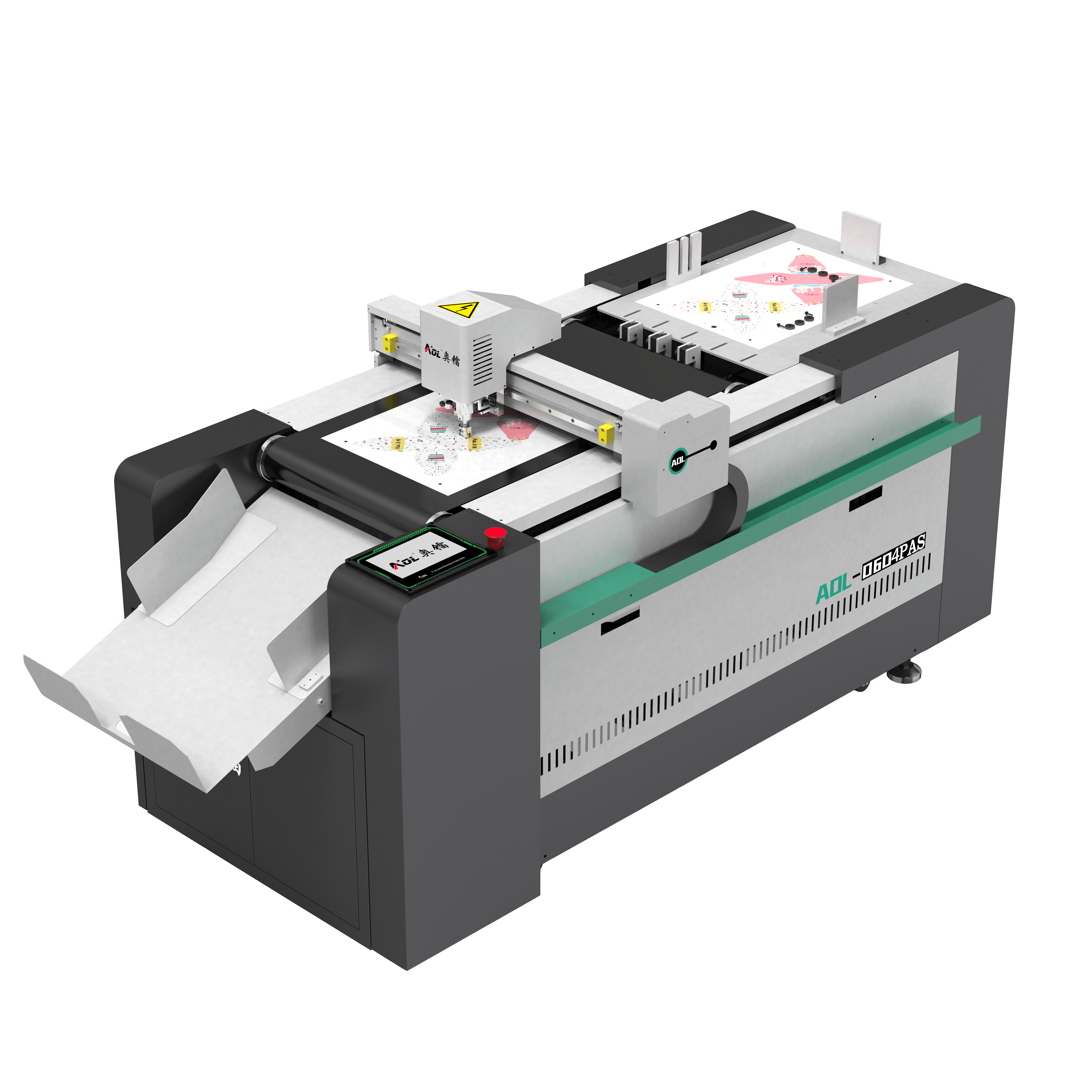
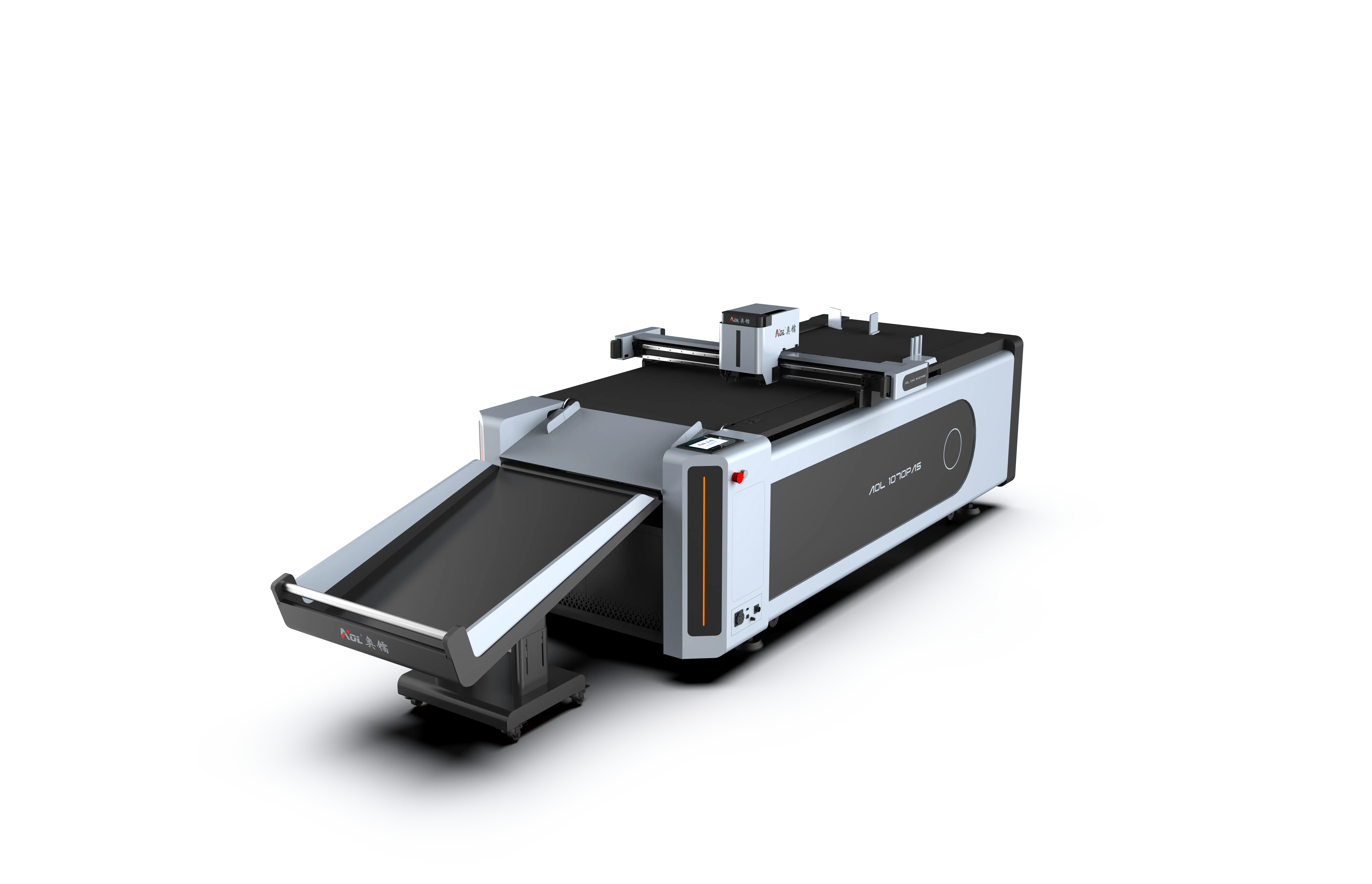
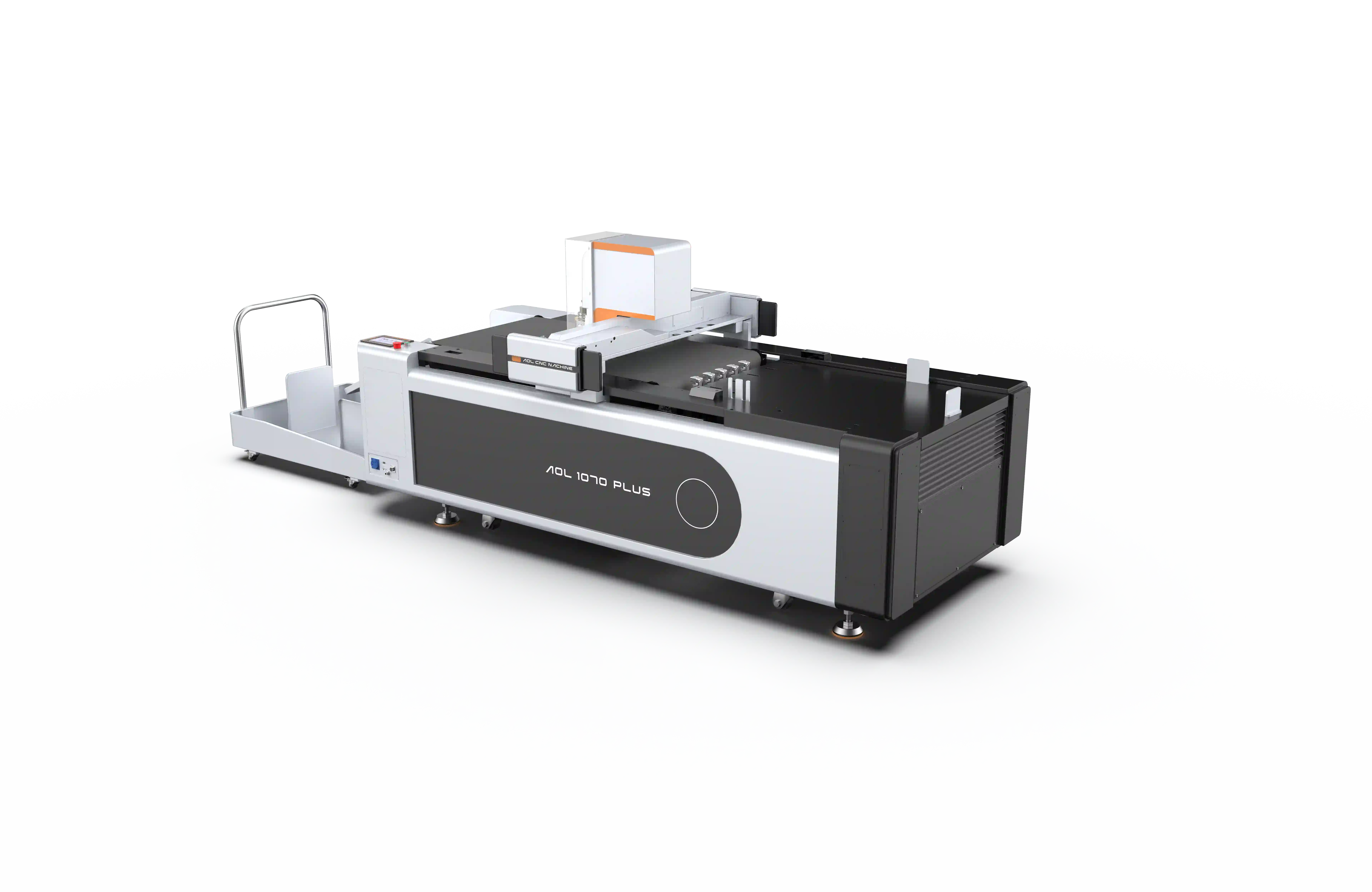
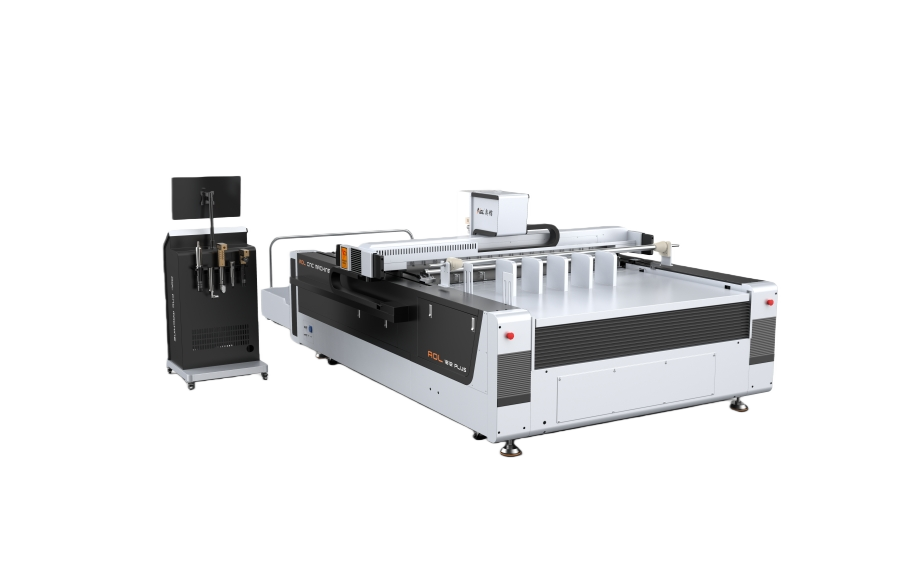
With the rapid growth of digital manufacturing and creative industries, plotter cutting tables have become indispensable professional equipment across multiple sectors. This integrated workstation, combining high-precision cutting, large-format processing, and versatile compatibility, is revolutionizing production workflows from conceptual design to physical output in unprecedented ways.
In the advertising signage and visual presentation sector, plotter cutting tables serve as core production tools for sign fabrication, vehicle wrapping, window displays, and exhibition decor. Capable of precisely processing materials like vinyl, PET film, and cardstock, they enable bulk cutting of intricate patterns, significantly enhancing the customization capabilities and production efficiency of retail stores and advertising agencies.
The architecture and industrial design sectors also rely heavily on the specialized capabilities of plotter cutting tables. Architects and engineers utilize them to precisely cut architectural model components, industrial samples, and prototype parts, rapidly transforming digital designs into physical references. Their ability to handle thicker media—such as lightweight foam boards and model cardstock—makes them indispensable for design validation and client presentations.
Within the fashion and textile industries, plotter cutting tables are spearheading a revolution in personalized customization. Designers use them to precisely cut fabrics, leather pieces, and decorative templates, enabling rapid prototyping of garment patterns, accessory elements, and embroidery designs. This not only shortens sample production time but also makes small-batch custom manufacturing technically feasible, empowering brands to respond to rapidly changing fashion demands.
For the burgeoning DIY crafting and micro-entrepreneurship market, plotter cutting tables lower the barrier to professional production. Crafters, small cultural and creative studios, and e-commerce entrepreneurs use them to produce stickers, greeting cards, home decor, and personalized gifts—transforming ideas directly into marketable products and opening new avenues for creativity and profit.
Educational institutions and R&D centers are also actively adopting plotter cutting tables as essential tools for STEAM education, product development, and artistic creation. They help students and researchers intuitively grasp design principles, cultivate practical skills, and bridge the gap between concept and physical form.
Looking ahead, advancements in materials science and software intelligence will continue expanding the application boundaries of plotter cutting tables. Their deep integration with the digital design ecosystem will further solidify their core role in personalized manufacturing, rapid prototyping, and small-batch production, positioning them as pivotal nodes connecting the digital world with physical manufacturing.

 EN
EN