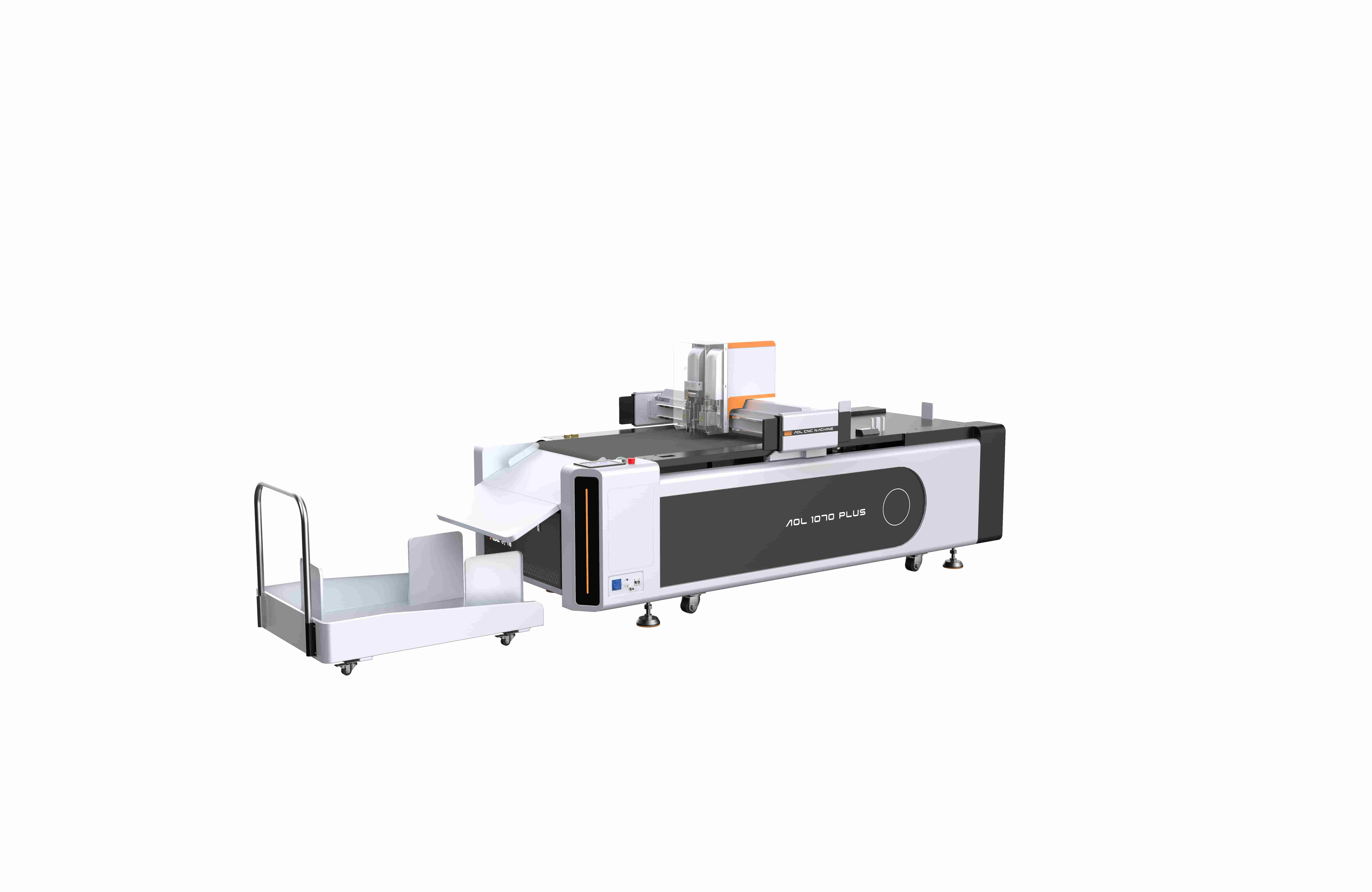
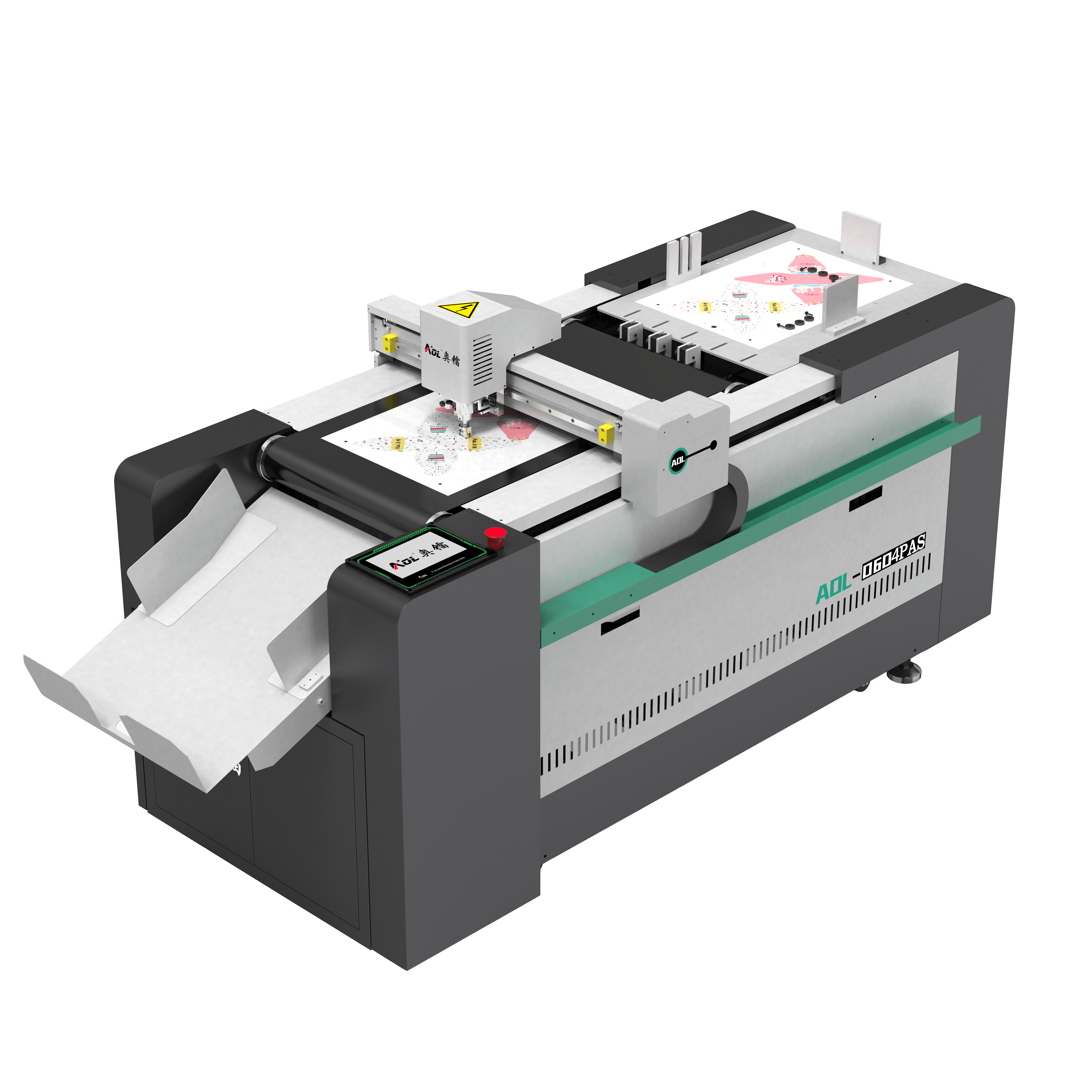
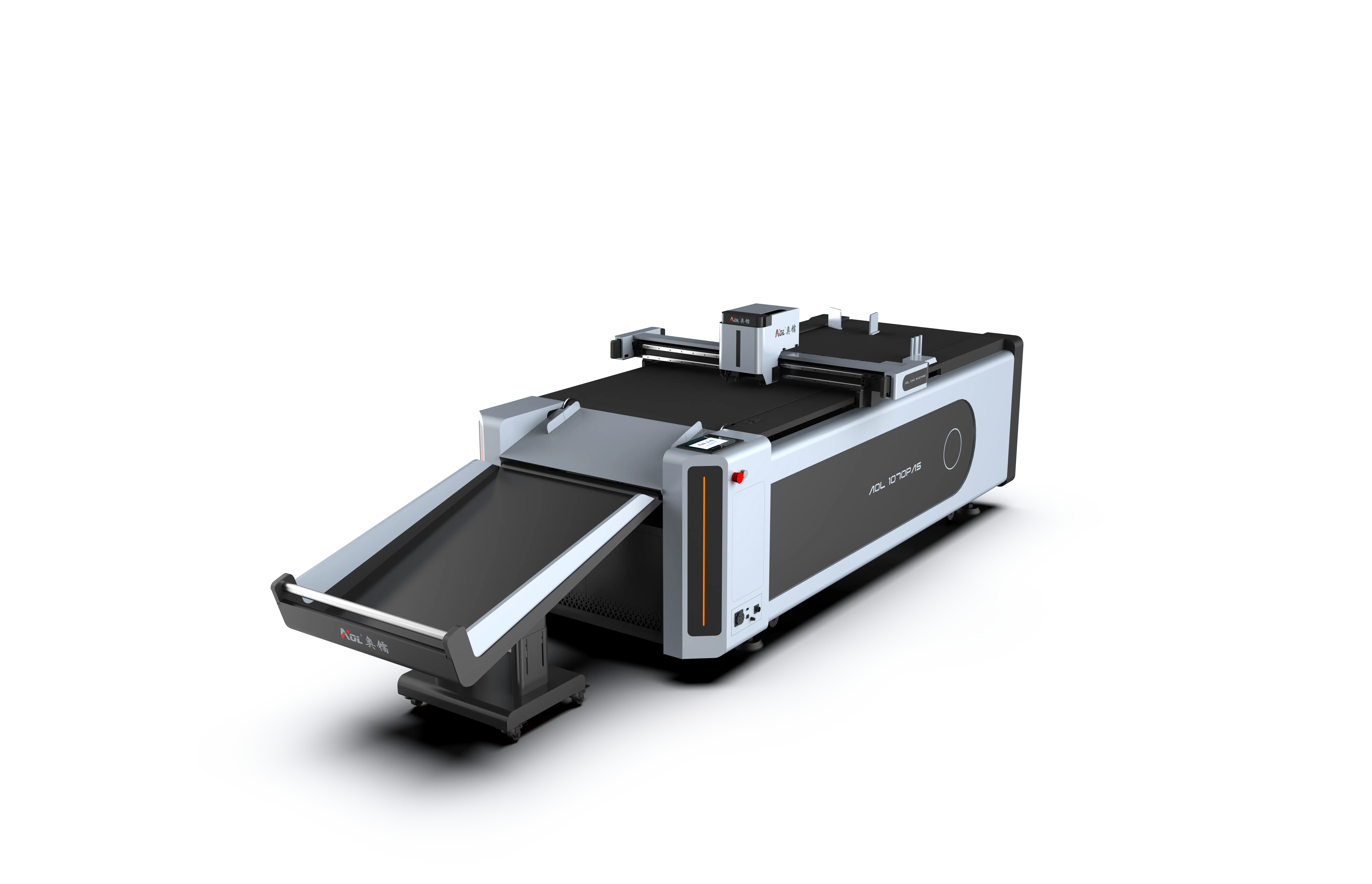
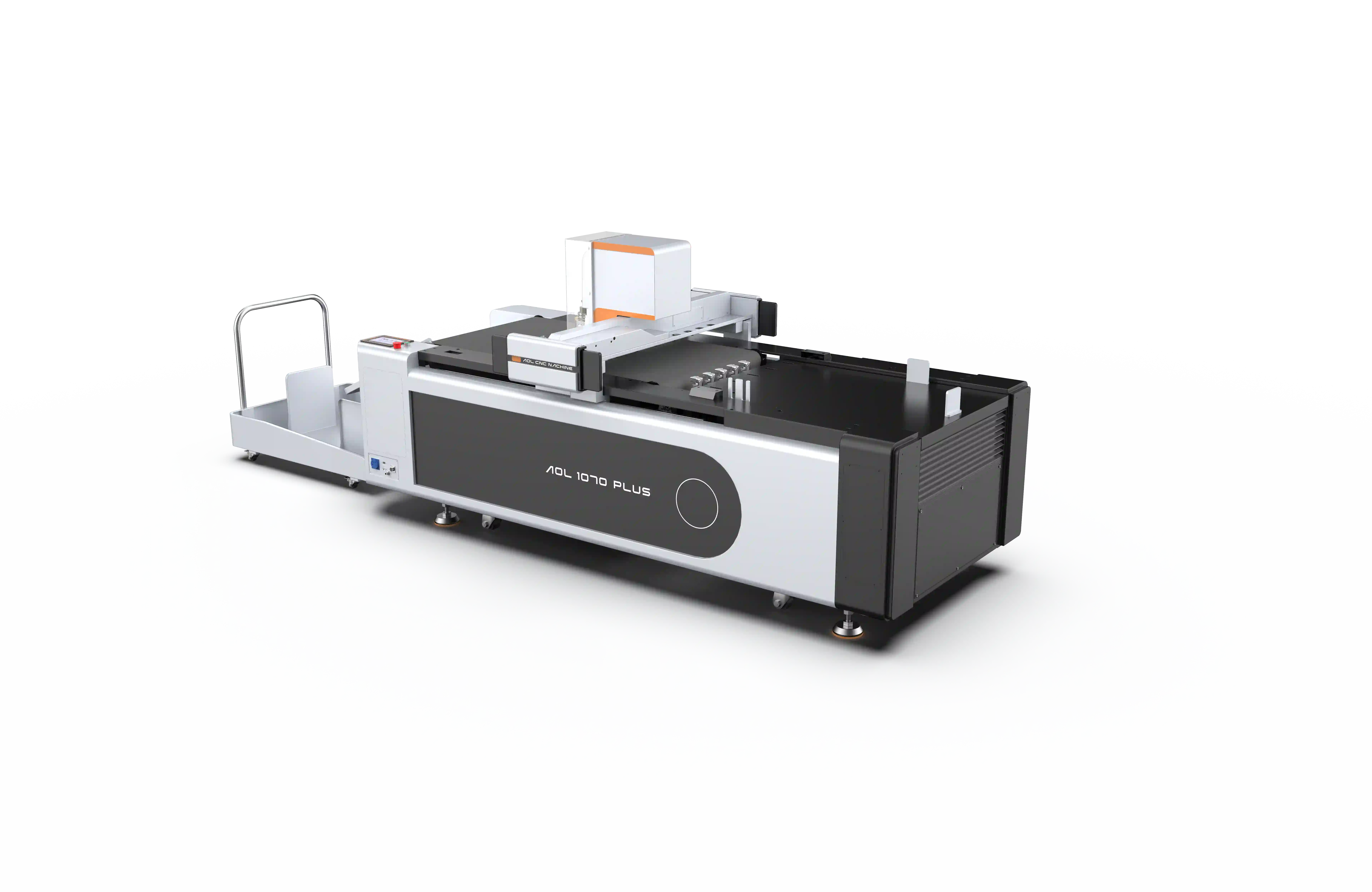
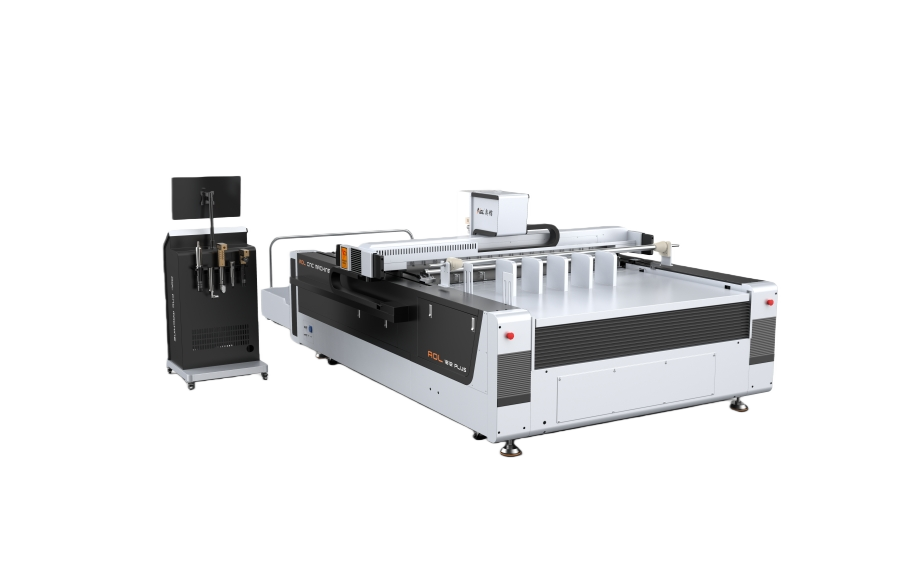
As a precision industrial cutting device, the plotter cutter table has long transcended its original single function of lettering engraving, rapidly evolving into a core productivity tool for modern manufacturing and creative industries. With the market's continuously rising demand for large-format, rigid materials, and personalized customization, the application prospects opened up by this equipment extend far beyond the traditional perception of “making stickers.” For businesses that already own or are planning to purchase this equipment, the following seven application areas will become highly profitable growth sectors around 2025.
In the marine and RV modification sectors, customized seat cushions and awning fabric replacements are forming stable, high-frequency demand. Traditional manual pattern-making is time-consuming and prone to errors, whereas flatbed cutting plotters can precisely cut Sunbrella marine fabrics, marine-grade vinyl, and carpet backing materials using oscillating or drag knives. These machines not only ensure consistent seam allowances but also drastically shorten delivery cycles, making them essential cost-saving tools for automotive upholstery shops, yacht repair centers, and custom furniture workshops.
In industrial production, on-demand manufacturing of gaskets and seals also holds promising prospects. Factories often urgently require small batches of rubber, silicone, or closed-cell foam gaskets for equipment maintenance. Relying on traditional mold-based punching proves costly and time-consuming. Leveraging the advantage of eliminating mold costs, flatbed cutting plotters can directly cut high-temperature or oil-resistant gaskets from CAD files within minutes. This aligns perfectly with the “just-in-time production” philosophy, making it particularly favored by HVAC contractors, production line maintenance teams, and automation integrators.
The wave of sustainable development in e-commerce has created new opportunities for corrugated packaging prototyping and small-batch customization. Numerous emerging brands seek to transition from traditional plastic shipping bags to recyclable custom boxes, yet minimum order quantities of tens of thousands at box manufacturers deter startups. Utilizing flatbed cutting plotters equipped with creasing and cutting tools, brands can validate box designs before product launches and directly fulfill short runs of up to several hundred units, serving as a low-cost bridge between design concepts and industrial production.

 EN
EN