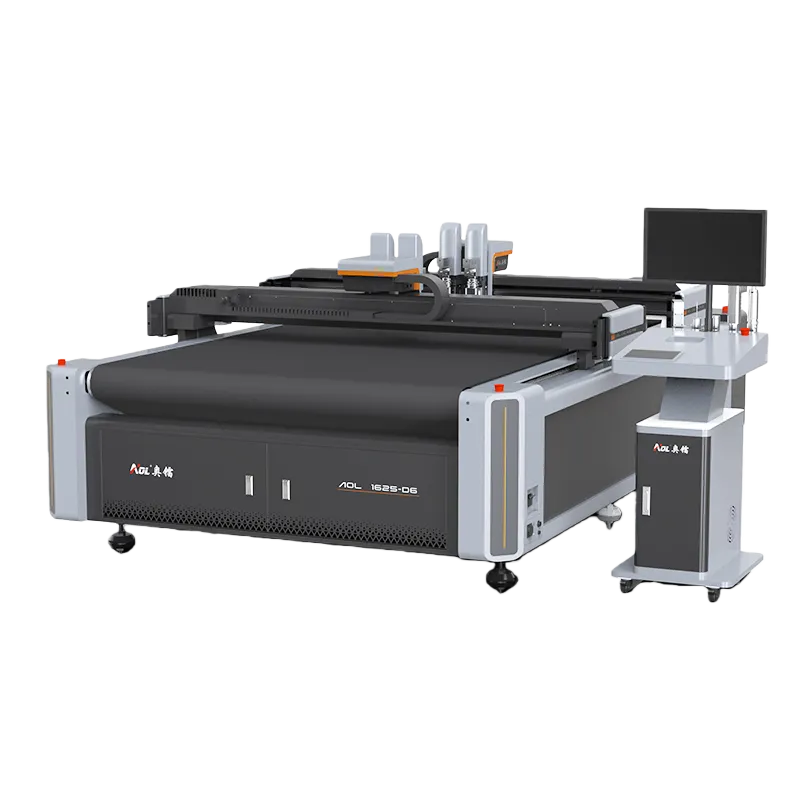
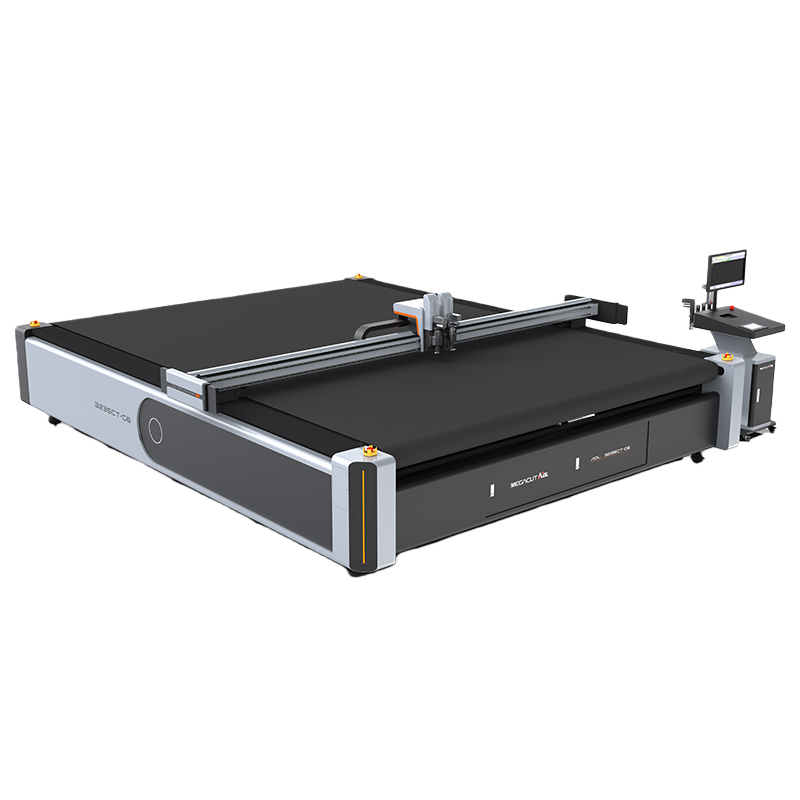
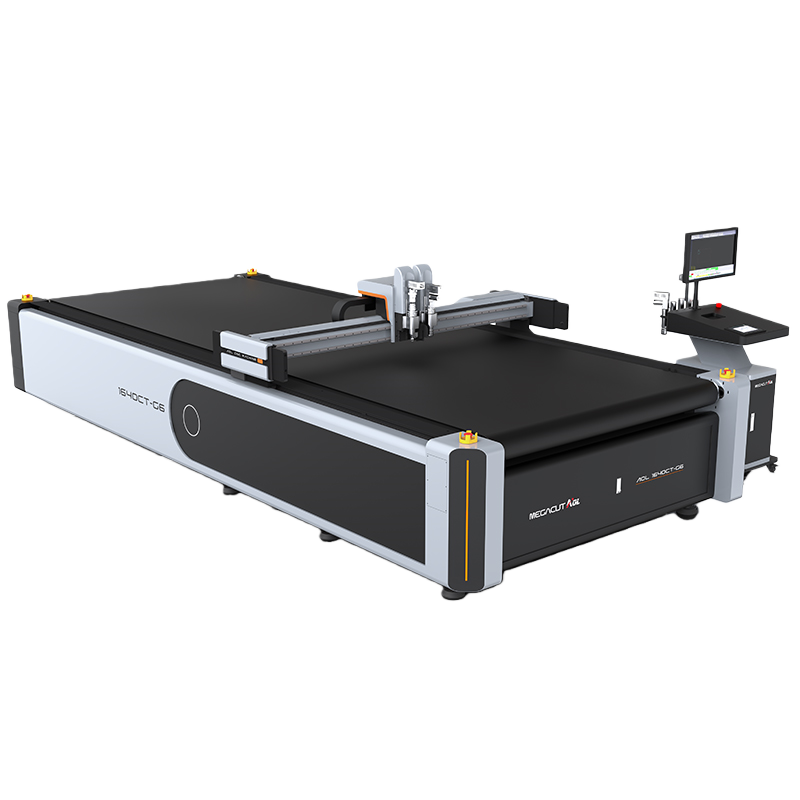
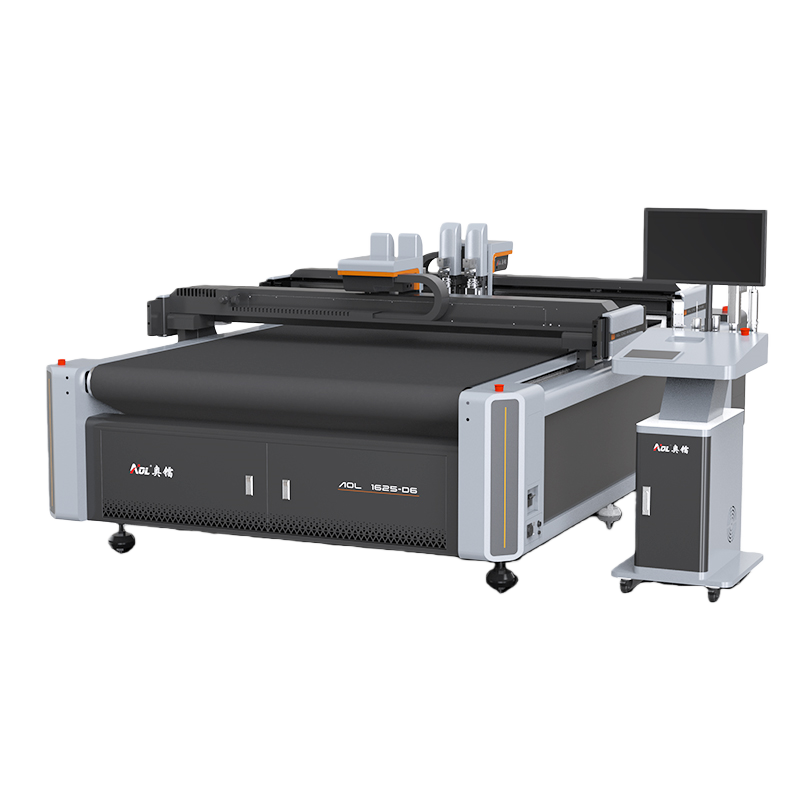
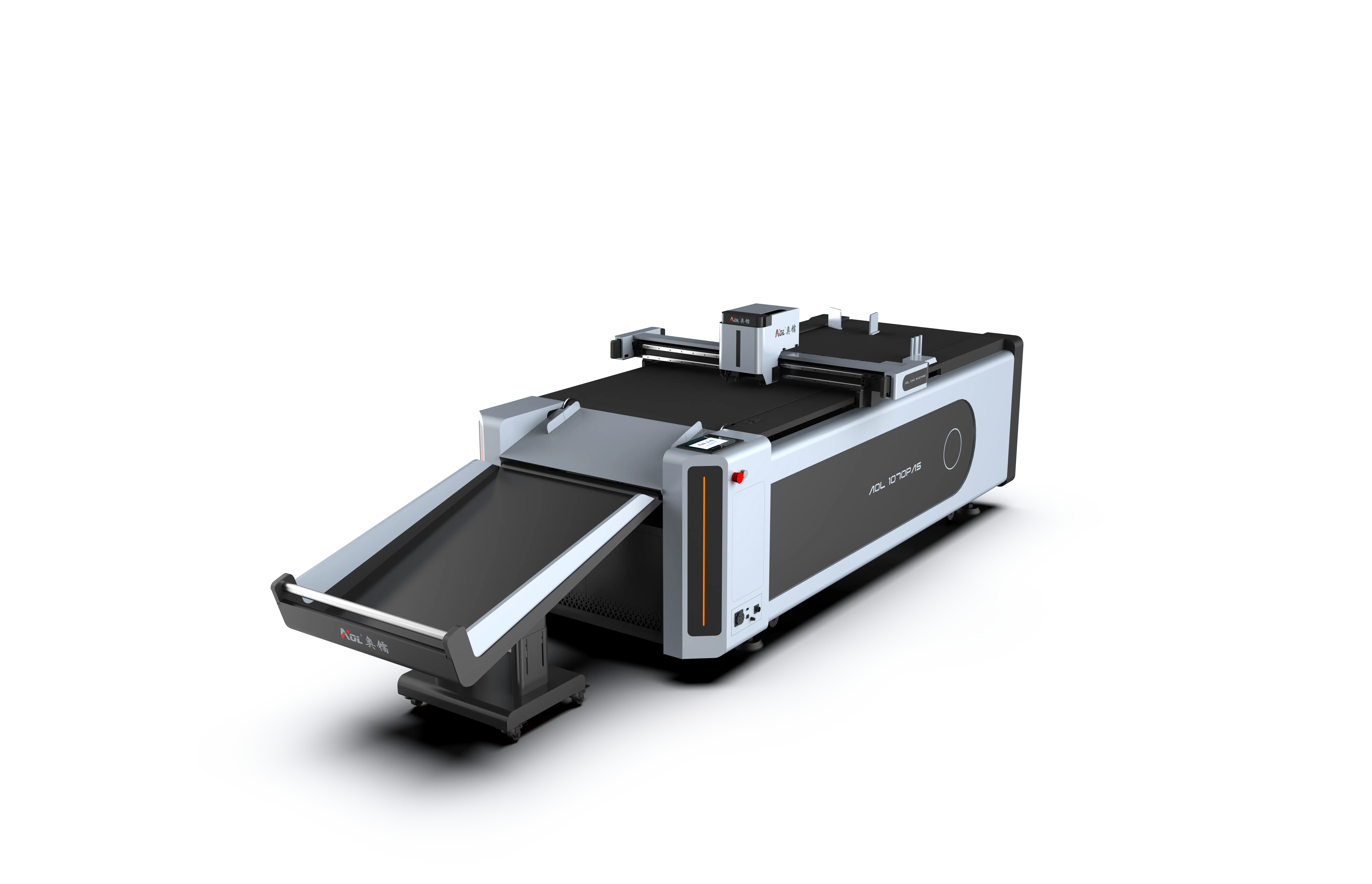
In the realm of modern manufacturing and design, the cardboard CNC machine has quietly evolved from a niche tool into a core engine driving innovation, sustainability, and business agility. Its significance extends far beyond precise cardboard cutting; it fundamentally reshapes the journey from concept to physical product while addressing three major challenges facing contemporary business: supply chain fragility, escalating material waste, and consumers' relentless pursuit of personalized experiences.
First, this equipment dramatically lowers the barrier to prototyping, serving as a bridge between digital models and the physical world. Historically, transforming a 3D design into a physical prototype often entailed high tooling costs or lengthy manual carving. A cardboard CNC machine enables designers to iterate rapidly at near-zero marginal cost. Given the extremely low cost of cardboard materials, creators feel empowered to experiment boldly. They can validate structural integrity within minutes, adopting an agile “fail fast, learn fast” development model that has now extended from software to physical product design, unleashing creativity entirely.
Second, in an era where sustainability is a global imperative, this machine serves as a pivotal tool for realizing a circular economy. It eliminates the drawbacks of traditional die-cutting, which requires expensive, inflexible molds, enabling true on-demand production. Businesses no longer need to manufacture large quantities of packaging based on sales forecasts, thereby avoiding the risks of inventory backlogs and obsolescence. A cardboard CNC machine can instantly cut the exact quantity of packaging required from digital files, reducing waste from overproduction at its source. Crucially, the resulting scraps aren't industrial waste but readily recyclable or compostable materials, creating a green closed-loop from production to use to regeneration.
Moreover, this equipment empowers businesses to maintain resilience amid volatile global supply chains. Facing shipping delays and cost fluctuations, companies with cardboard CNC machines effectively operate a “micro-factory.” Whether fulfilling urgent packaging orders or designing new internal cushioning structures for products, these tasks can be completed locally and instantly. This decentralized, on-demand production model not only shortens delivery cycles but also allows businesses to flexibly adjust strategies, freeing them from constraints imposed by external supply shortages.

 EN
EN