
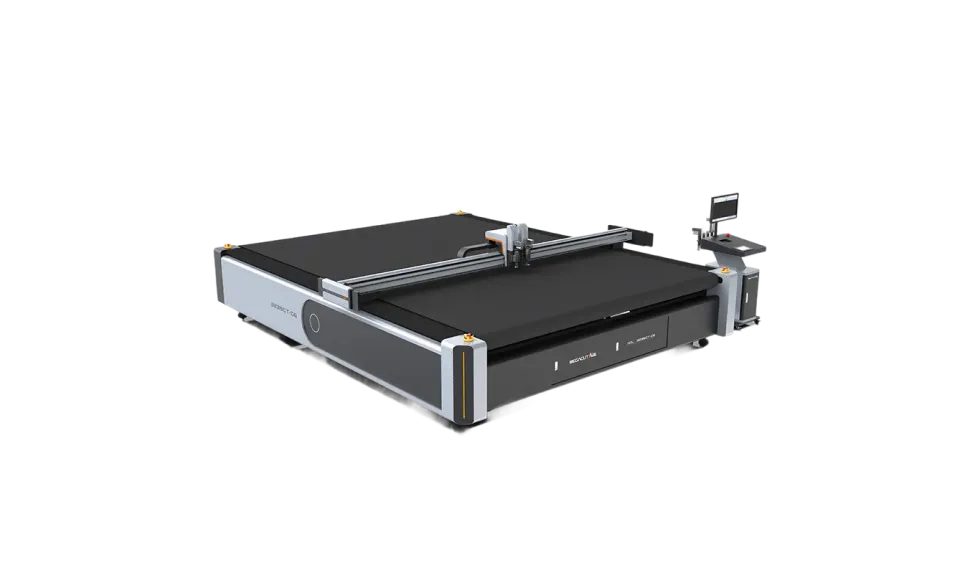
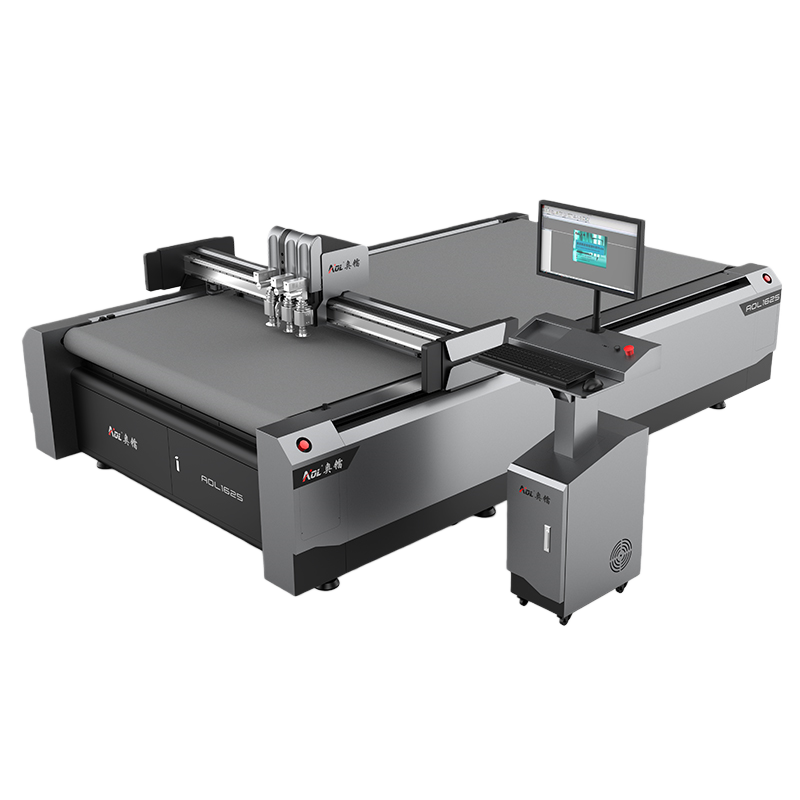
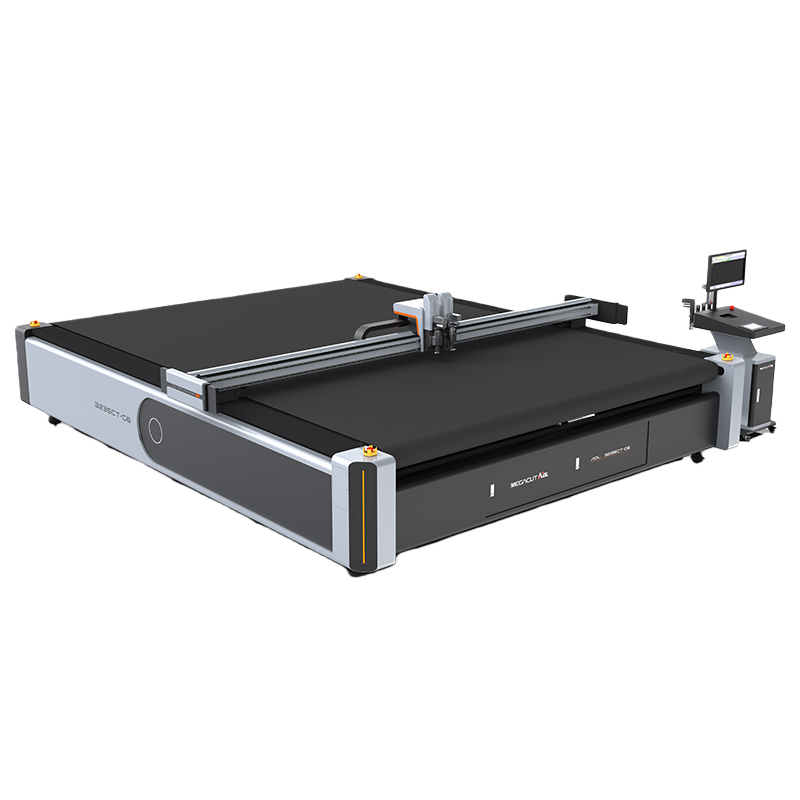
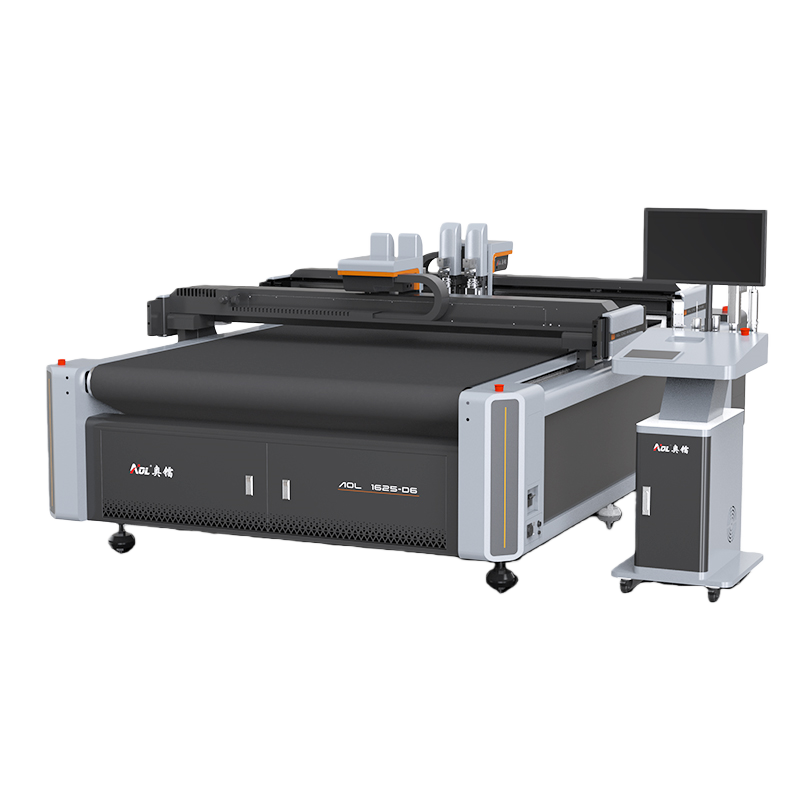

At the intersection of modern manufacturing and global logistics, corrugated cardboard packaging undoubtedly serves as the cornerstone supporting commercial operations. However, over the past few decades, the production methods for cardboard boxes—particularly the cutting and creasing processes—have remained constrained by expensive, slow, and inflexible traditional die-cutting techniques. The advent of automated corrugated box cutting machines represents not merely an equipment upgrade, but a revolution in production paradigms. It has completely ended the “plate-making era” reliant on physical steel die molds, ushering enterprises into a new phase of digital production characterized by zero mold changeovers and instant responsiveness. Whereas creating a new die for a different box specification once demanded days of labor and high costs, today's CNC and vision-based positioning technologies enable operators to import files and complete the entire process—from prototyping to bulk cutting—within minutes. This “die-free” agility empowers businesses to transition from mass production to mass customization, dramatically shortening delivery cycles.
Beyond boosting production efficiency, automated cutting equipment also plays a significant role in cost control. As a commodity, corrugated cardboard experiences frequent raw material price fluctuations, with material costs often constituting the largest portion of a company's expenditures. Traditional manual or semi-automated cutting is prone to increased scrap rates due to operational errors. In contrast, automated cutters, driven by servo motors and equipped with high-precision optical alignment systems, can control cutting errors to the micrometer level. This not only drastically reduces waste from errors but also maximizes material utilization through intelligent nesting, which optimally arranges multiple parts on a single sheet. Typically, companies can achieve a 15% to 25% reduction in material loss. In the packaging industry, where profit margins are increasingly tight, this improvement directly translates into substantial net profit gains.