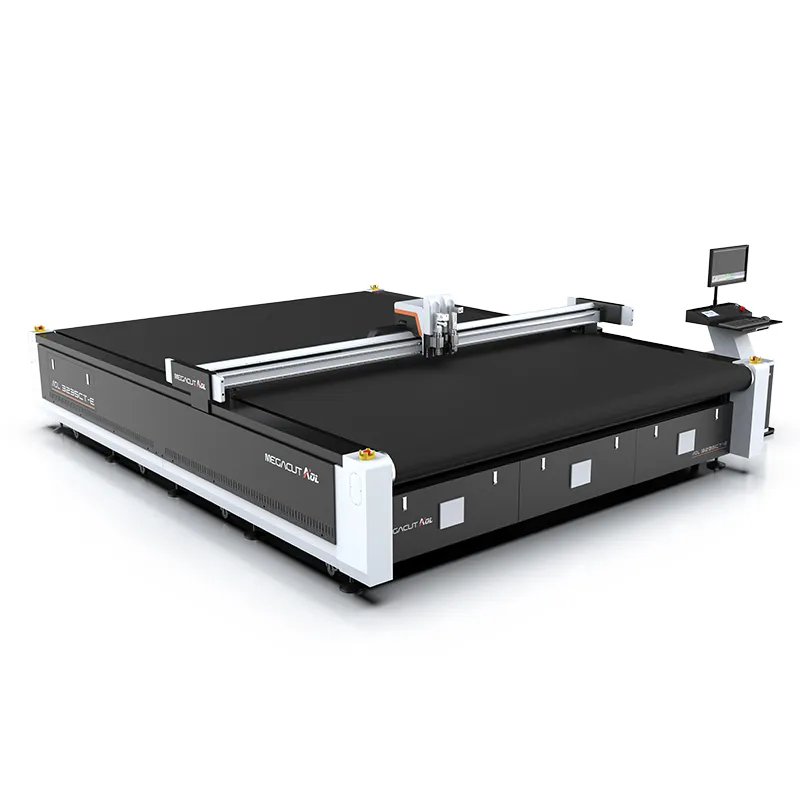
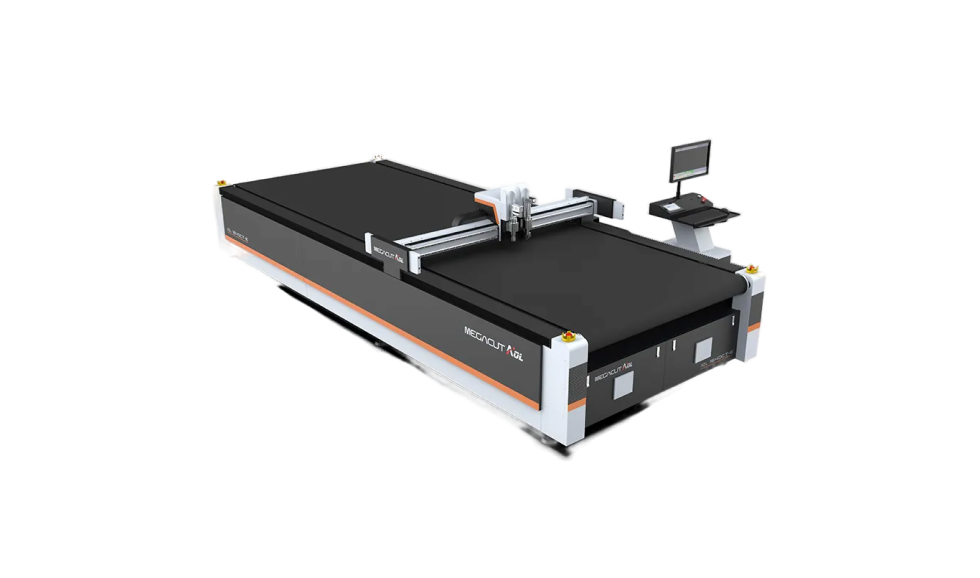
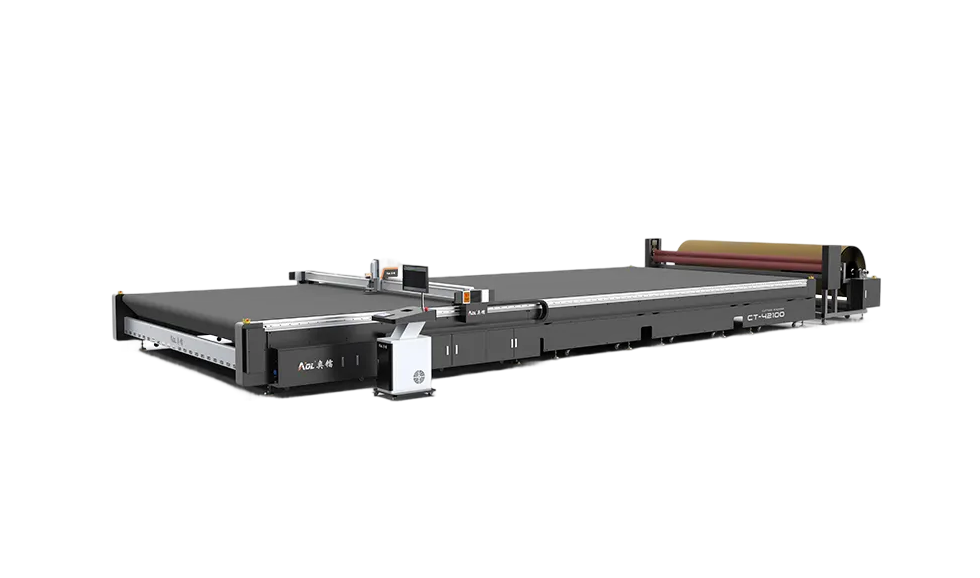
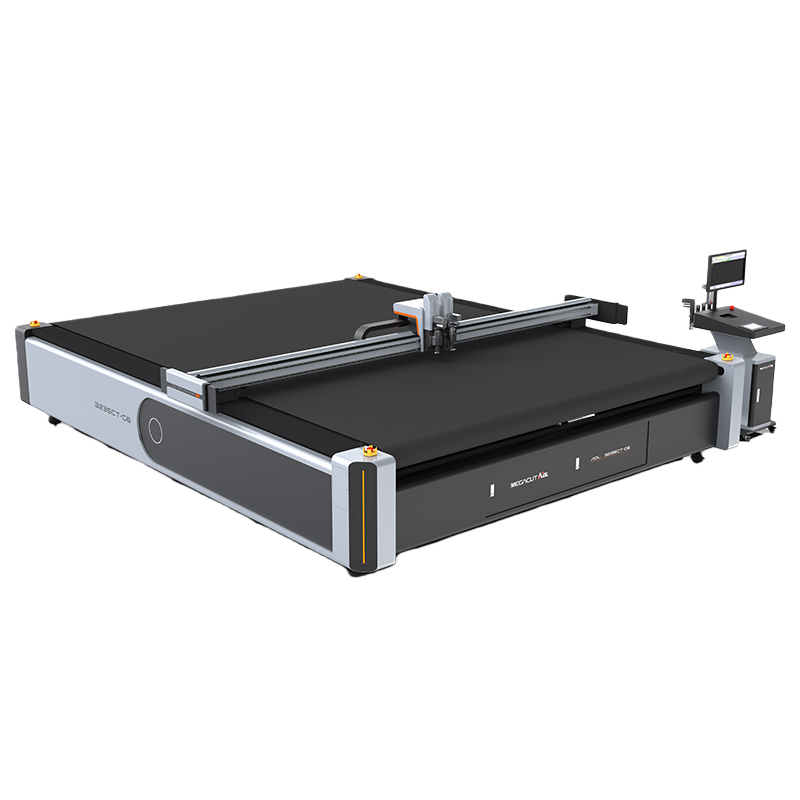
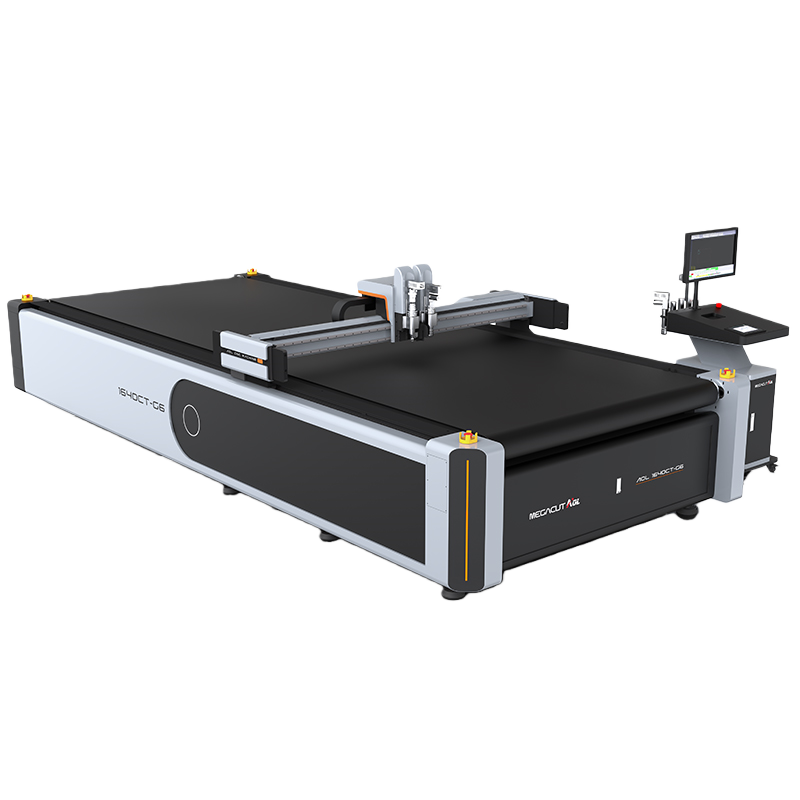
In the fields of architecture and interior design, honeycomb panels have become the material of choice for modern curtain wall dry-hanging systems, interior partitions, and ceiling systems due to their exceptional flatness, lightweight properties, and strong weather resistance. As architects increasingly demand irregular shapes and custom specifications, honeycomb panel cutting machinery enables precise execution of door/window openings, lighting slots, and complex curved cuts. This ensures seamless on-site panel integration, significantly enhancing building facade aesthetics and installation efficiency.
In transportation and mobility, lightweighting remains an enduring priority. Whether for RV body panels, yacht cabin partitions, or refrigerated truck bodies, honeycomb composites are progressively replacing traditional heavyweight materials. Specialized cutting equipment processes large panels in a single pass, precisely milling hinge holes and pipe channels while preventing burrs or delamination in fiberglass or aluminum skins. This not only improves vehicle fuel efficiency but also drastically shortens production cycles at conversion facilities.
In furniture manufacturing and commercial display industries, designers are leveraging honeycomb panels to create modular furniture and exhibition structures that are both robust and transportable. Traditional woodworking equipment often struggles with honeycomb panels featuring metal veneers, whereas specialized cutting machinery effortlessly handles diverse composite surfaces. It achieves precise 45-degree miter joints and hidden connector slots, enabling retail fixtures and high-end custom furniture to blend aesthetic appeal with industrial-scale production efficiency.
Furthermore, in new energy, clean engineering, and high-end aerospace applications, honeycomb panel cutting machinery is tackling critical technical challenges. For instance, cleanroom enclosures and operating room wall installations demand exceptional cutting precision and dust-proofing. Meanwhile, manufacturing solar PV backsheets and aviation training simulators requires equipment with ultra-high repeat positioning accuracy to ensure batch production consistency. As global demand for green buildings and low-carbon transportation grows, the application scope of honeycomb panels will continue to expand. Companies mastering this core cutting technology will undoubtedly occupy the commanding heights of the composite materials deep processing market.

 EN
EN