
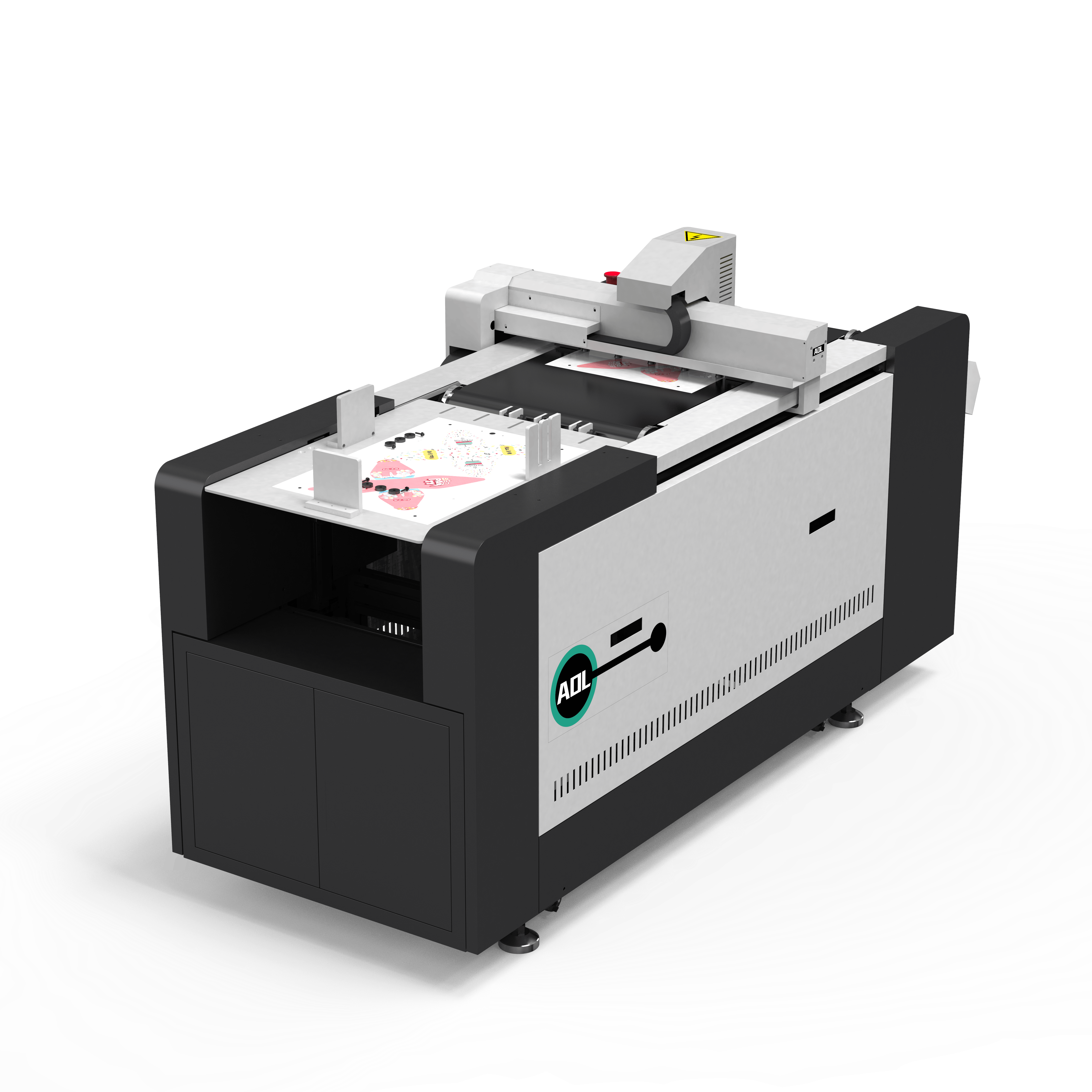
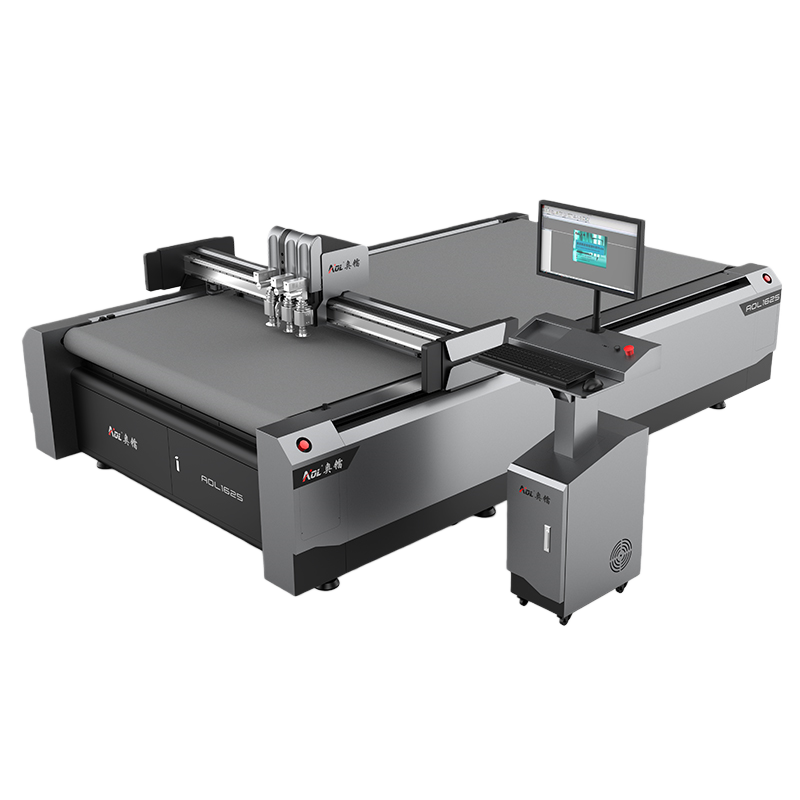
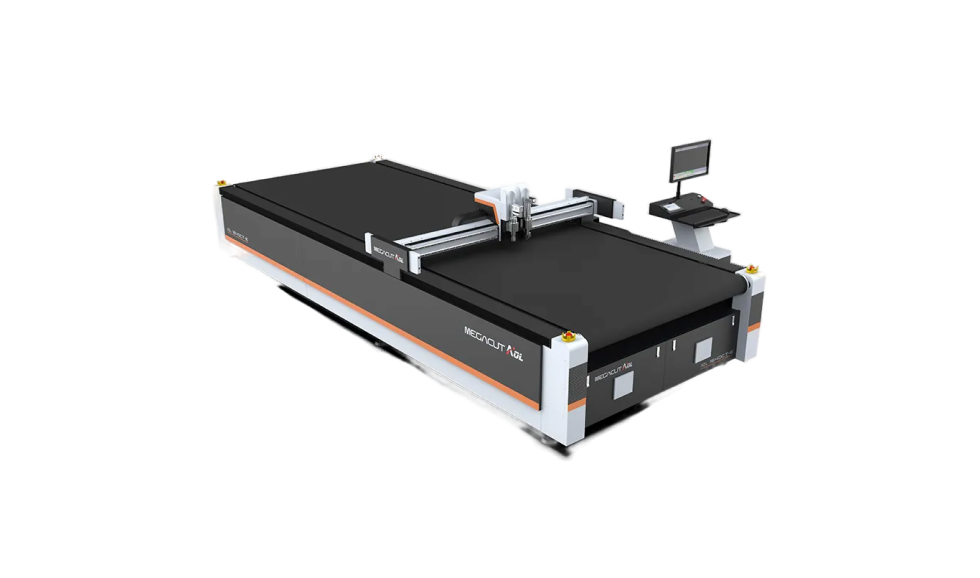
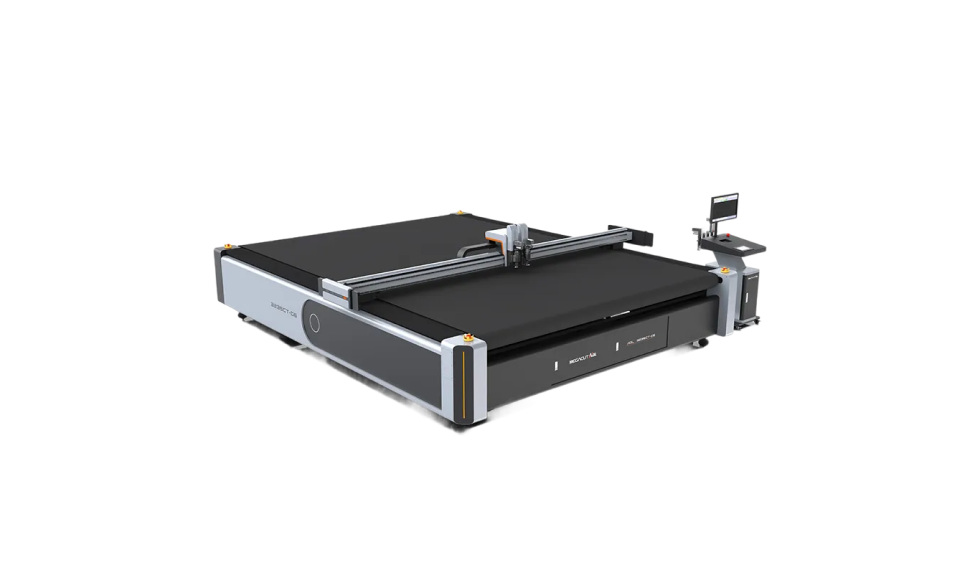

Against the backdrop of today's relentless global e-commerce expansion, the packaging industry's demands for durability, aesthetics, and customization have reached unprecedented heights. Within this manufacturing evolution, one core piece of equipment plays a pivotal role—the cardboard V-cut cutting machine. Though seemingly a niche industrial tool, it is the key solution to packaging production's most common challenge: cracking and bulging during the folding of rigid materials. When standard cardboard is folded directly, the outer layer stretches while the inner layer compresses. This typically results in unsightly white cracks on printed surfaces, fiber breaks that weaken box structural integrity, and bulging that compromises stacking stability. The cardboard V-cut cutting machine resolves this by milling precise V-shaped grooves along fold lines. This physically removes material wedges, enabling the cardboard to fold inward seamlessly like a hinge. This ensures printed graphics remain intact while maintaining edge strength, producing premium retail-grade products.
Beyond elevating product quality, this equipment profoundly advances sustainability and cost optimization within the packaging industry. For years, many businesses were constrained by standard box sizes, forcing them to ship small items in oversized containers filled with excessive foam or bubble wrap. This not only inflated volume-based shipping costs but also resulted in material waste and poor consumer experiences. The introduction of the cardboard V-cut cutting machine enables just-in-time production. It allows businesses to cut and crease flat cardboard into custom boxes perfectly sized for products within seconds, achieving packaging that fits precisely. This on-demand production method significantly reduces cardboard usage and completely eliminates the need for fillers, directly addressing the global market's demand for green packaging. Simultaneously, modern V-cut equipment boasts exceptional material adaptability. From heavy-duty industrial corrugated paper to premium solid whiteboard for cosmetics, and even micro-flute retail display racks, it precisely adjusts crease depth to handle diverse materials. A single machine covers the entire production spectrum—from bulky shipping containers to delicate display boxes.