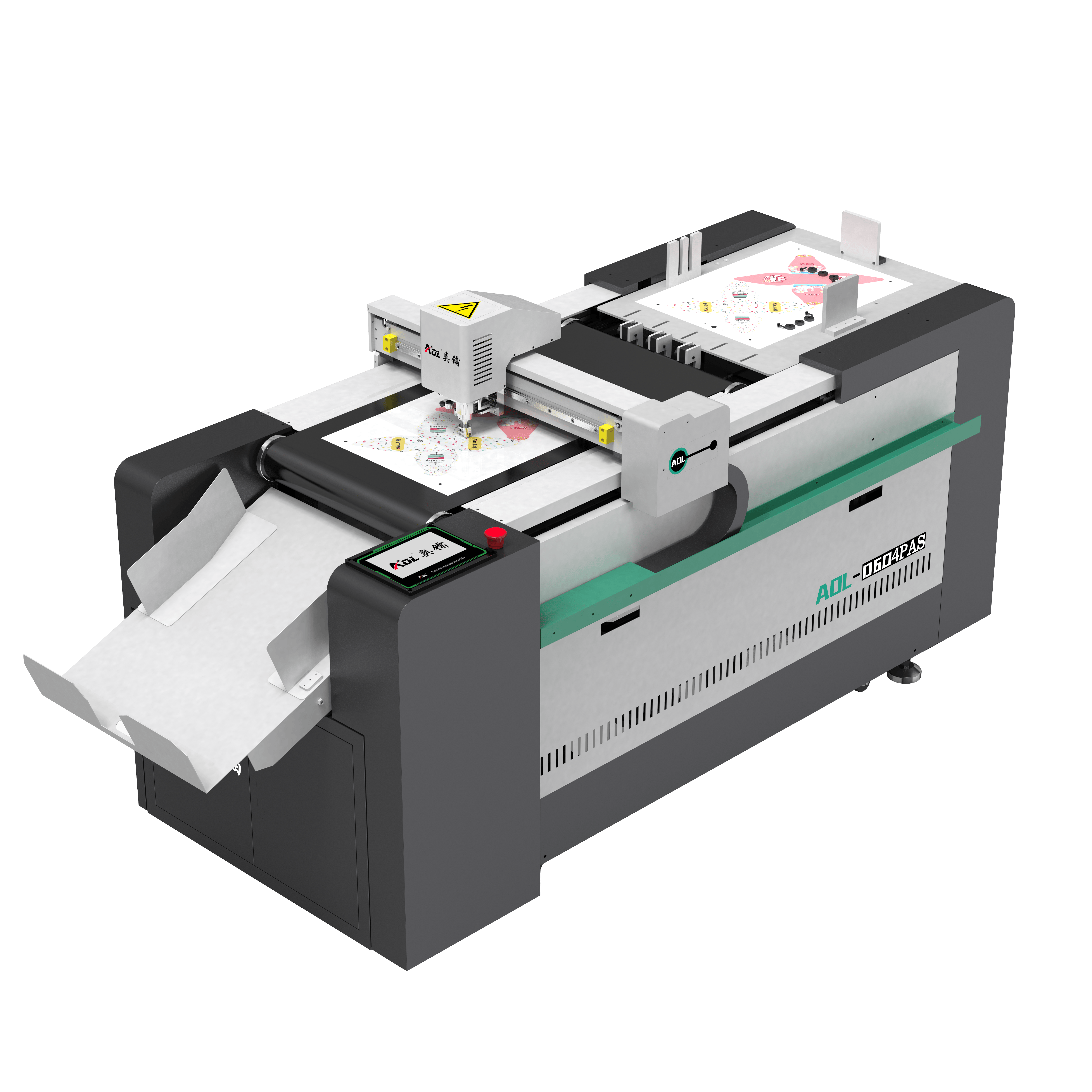
In the fast-paced world of sports competition and athletic gear, victory or defeat often hinges on milliseconds and millimeters. For manufacturers, the line between profit and loss, innovation and obsolescence, is drawn on the production line—particularly during the cutting process. Digital cutting equipment represents far more than a mere upgrade for the sporting goods industry. It signifies a fundamental shift from design philosophy to production model, directly impacting athlete performance, corporate sustainability goals, and market responsiveness. First, this technology ushers in a new era of “mass customization.” Both professional athletes and amateur enthusiasts increasingly expect gear tailored to their unique body shapes and athletic habits. Traditional die-cutting relies on costly molds, making design modifications time-consuming and labor-intensive—a relic of the mass production era. Digital cutting equipment enables “mold-free” production, where design changes require only software file adjustments. This makes custom-fit protective gear, personalized name and number printing on team uniforms, and even small-batch innovation testing for niche sports brands economically viable business ventures.
Second, it unlocks the potential of advanced materials. Modern sports gear is a complex engineering system incorporating four-way stretch fabrics for compression wear, carbon fiber composites for lightweight frames, EVA foam for cushioning protection, and waterproof-breathable laminates for outdoor equipment. These materials are highly susceptible to wear, crushing, or delamination under traditional cutting methods. Digital cutting machines specifically engineered for sportswear, equipped with intelligent tool libraries, handle these sensitive materials with precise force and technique. This ensures the structural integrity and performance of athletic gear remain intact. Furthermore, digital cutting accelerates time-to-market. In the consumer-driven sports market, trends shift rapidly. What once took weeks from design to sample is now compressed into hours. Designers can connect directly from computers to equipment for rapid prototyping. This iterative capability allows brands to outpace competitors and swiftly capture market trends.
Moreover, as sustainability becomes an industry survival imperative, digital cutting is pivotal for achieving zero-waste production. The sporting goods industry heavily relies on petroleum-based materials and faces immense pressure to reduce waste. The intelligent nesting algorithms in digital equipment maximize material utilization, cutting waste by 15% to 20% compared to manual or die-cutting methods. Simultaneously, its support for on-demand production effectively prevents inventory buildup and waste caused by overproduction. Finally, this technology builds supply chain resilience. Global disruptions have made manufacturers acutely aware of the risks inherent in over-reliance on manual labor or offshore outsourcing. Integrating digital cutting equipment into in-house production lines enables sports brands to withstand labor shortages and shipping delays, achieving production autonomy and flexibility. In essence, the core value of digital cutting equipment lies in granting manufacturers unprecedented precision control. It transforms each cut from a mere processing step into an organic extension of product design strategy. Investing in such a machine is not merely acquiring a tool—it is investing in the capacity for continuous innovation, waste reduction, and the delivery of future athletic excellence.

 EN
EN