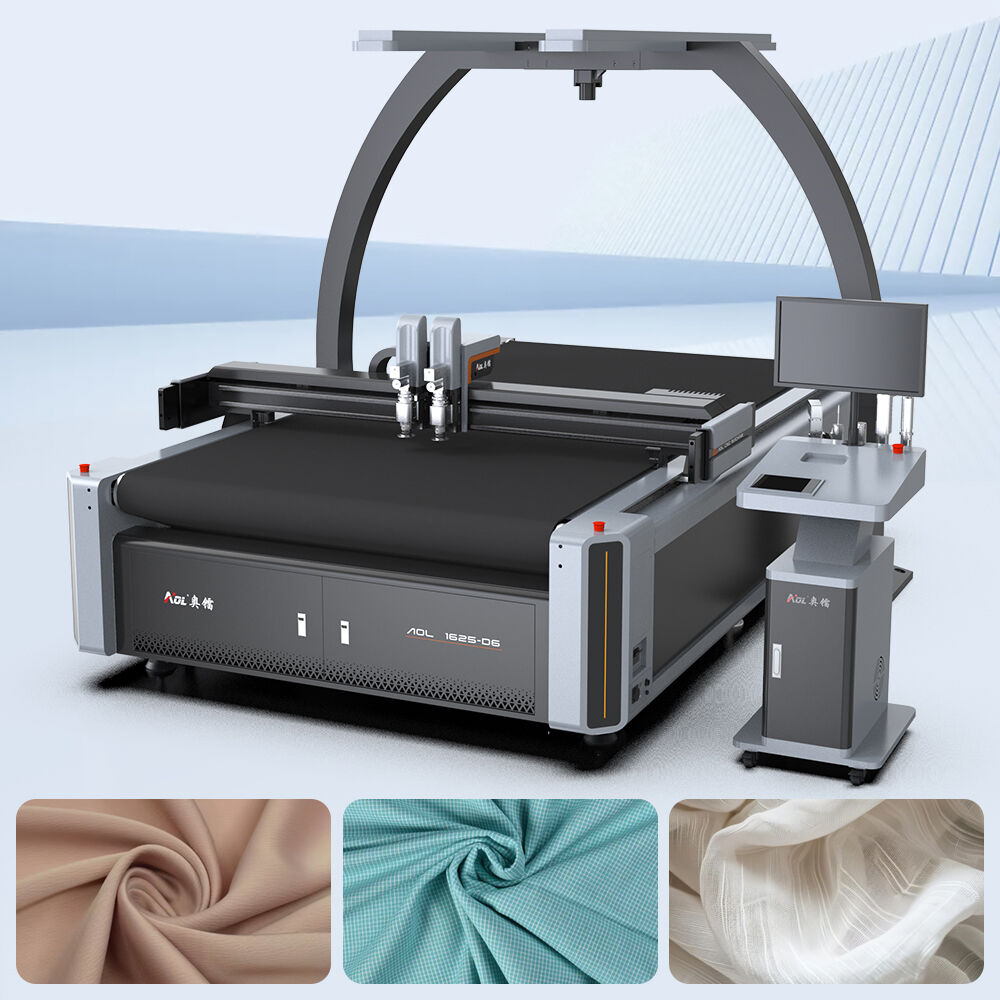
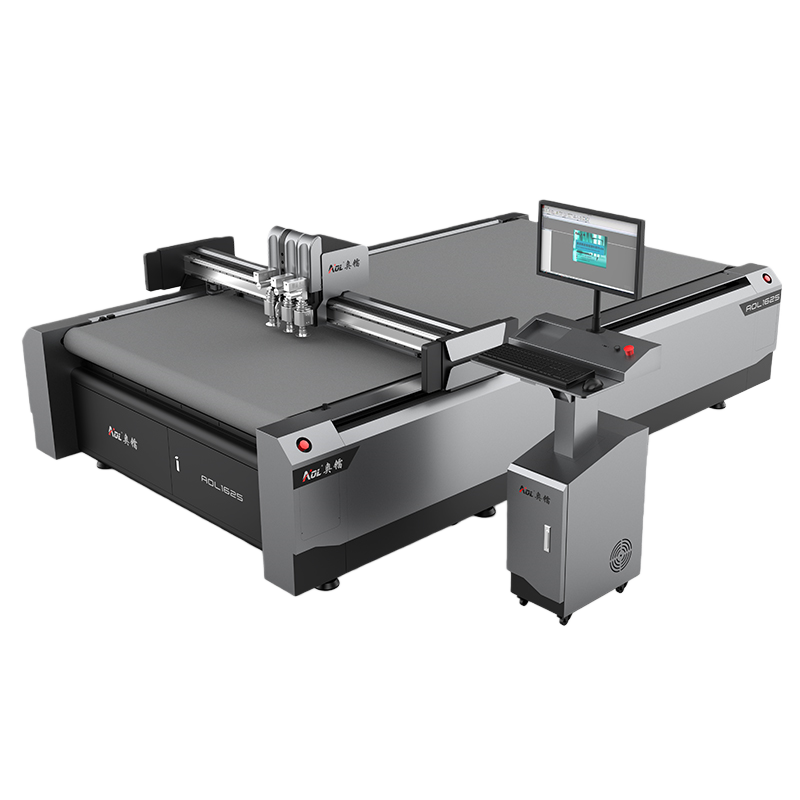
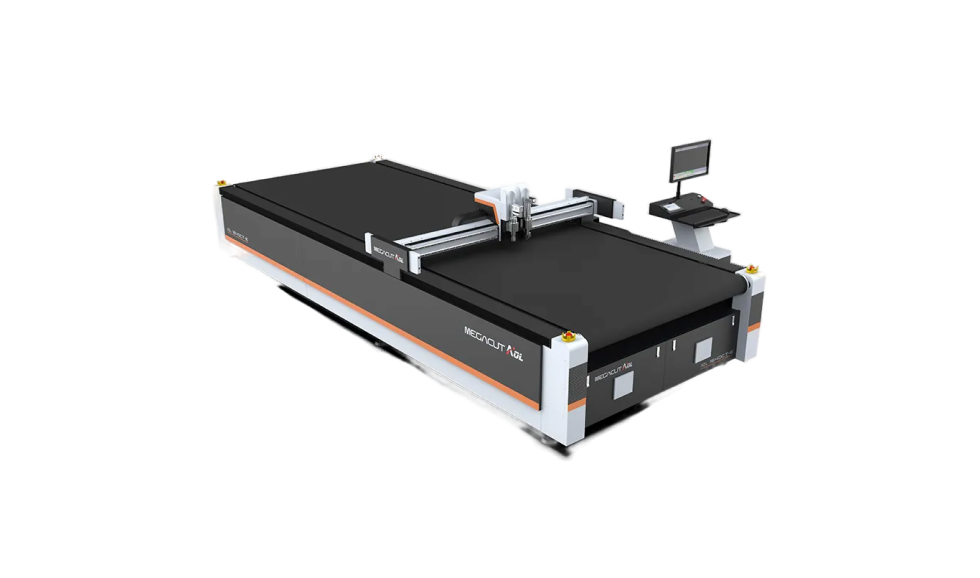
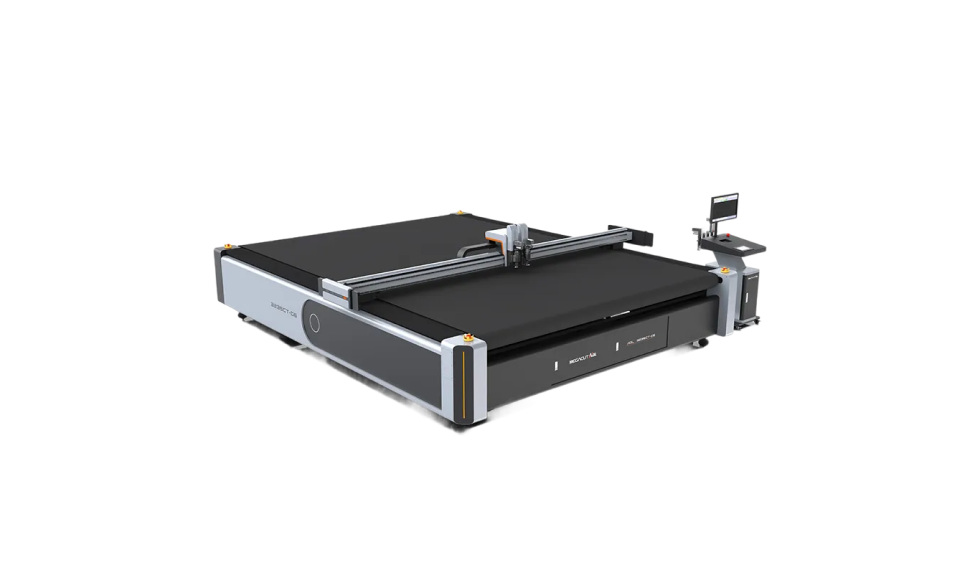
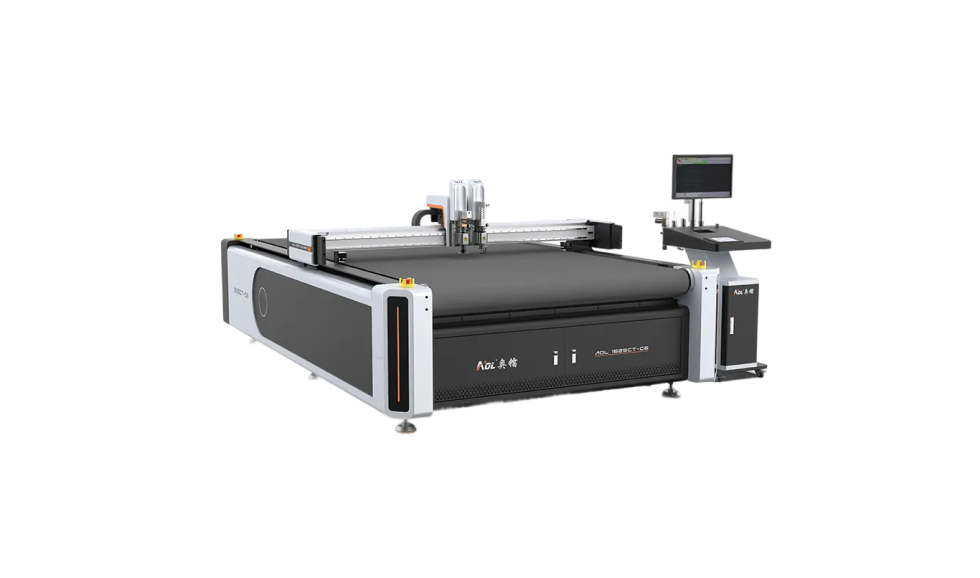
As global manufacturing accelerates its shift toward intelligent and automated transformation, the application prospects for CCD vision cutting technology are expanding to unprecedented levels. As a crucial component of the Industry 4.0 wave, CCD fabric cutting machines have transcended traditional garment processing, profoundly transforming numerous industries reliant on technical textiles. Its core value lies in capturing material deformation, edge positions, or printed markings in real-time through high-resolution industrial cameras, guiding tools to make dynamic corrections. This achieves precision and efficiency unattainable by manual or traditional die-cutting methods. Such technological advantages unlock immense market potential and application value across several key sectors.
In transportation, particularly automotive manufacturing, CCD fabric cutting machines impact both safety and aesthetics. Take airbag production: the coated nylon fabric used must ensure seamless, uniformly strong cutting edges, as even minor errors could cause deployment failure. CCD vision systems monitor fabric texture and tension in real time, guaranteeing each cut piece meets stringent tensile standards. Simultaneously, in automotive interiors—whether cutting irregularly shaped carpets or leather for seats—CCD cameras precisely identify positioning marks or natural grain patterns. They automatically optimize cutting paths, guaranteeing product quality while minimizing waste of expensive materials.
In the high-end aerospace and composite materials sector, CCD cutting technology holds equally pivotal importance. Materials like carbon fiber prepregs and glass fiber are extremely costly and remain soft and highly deformable before curing. CCD fabric cutting machines visually identify fiber orientation and angles, ensuring cutting paths precisely meet mechanical load requirements. This high-precision cutting capability not only guarantees the structural integrity of aircraft components and high-end sports equipment but also saves enterprises substantial material costs through zero-error nesting and cutting.
Furthermore, the “personalized customization” trend in athletic apparel has opened new horizons for CCD vision cutting systems. Modern sportswear extensively utilizes highly elastic spandex and functional fabrics, which are prone to stretching and deformation during layering. CCD fabric cutting machines can measure the actual stretching state of materials in real-time during cutting and dynamically adjust the cutting shape, ensuring cut pieces maintain design dimensions even after relaxation. This adaptive capability enables rapid response production models featuring small batches and diverse styles, perfectly aligning with today's fast-paced consumer market.
In medical textiles and home textiles, CCD cutting technology is equally indispensable. For nonwoven products like disposable surgical gowns and bed linens, CCD systems deliver high-speed, high-purity cutting that prevents dust generation. In high-end furniture manufacturing, CCD cameras identify imperfections in natural leather and automatically avoid them, serving as a key technology for enhancing leather utilization rates and product value. As industrial upgrades continue to deepen, the application scope of CCD fabric cutting machines keeps expanding—from industrial filter fabrics and advertising printing fabrics to emerging flexible composite materials. It has become a crucial indicator of whether an enterprise possesses high-end intelligent manufacturing capabilities.

 EN
EN