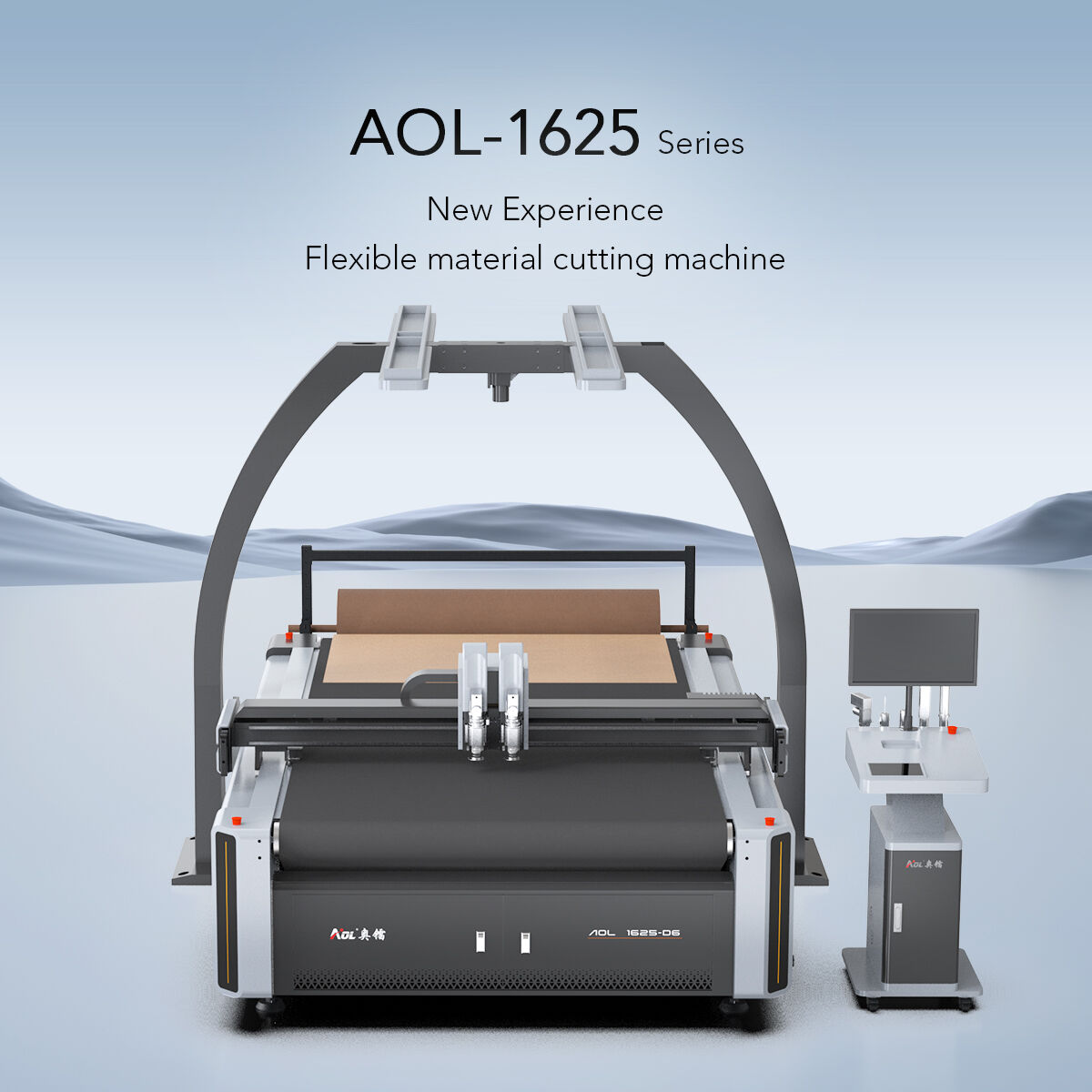
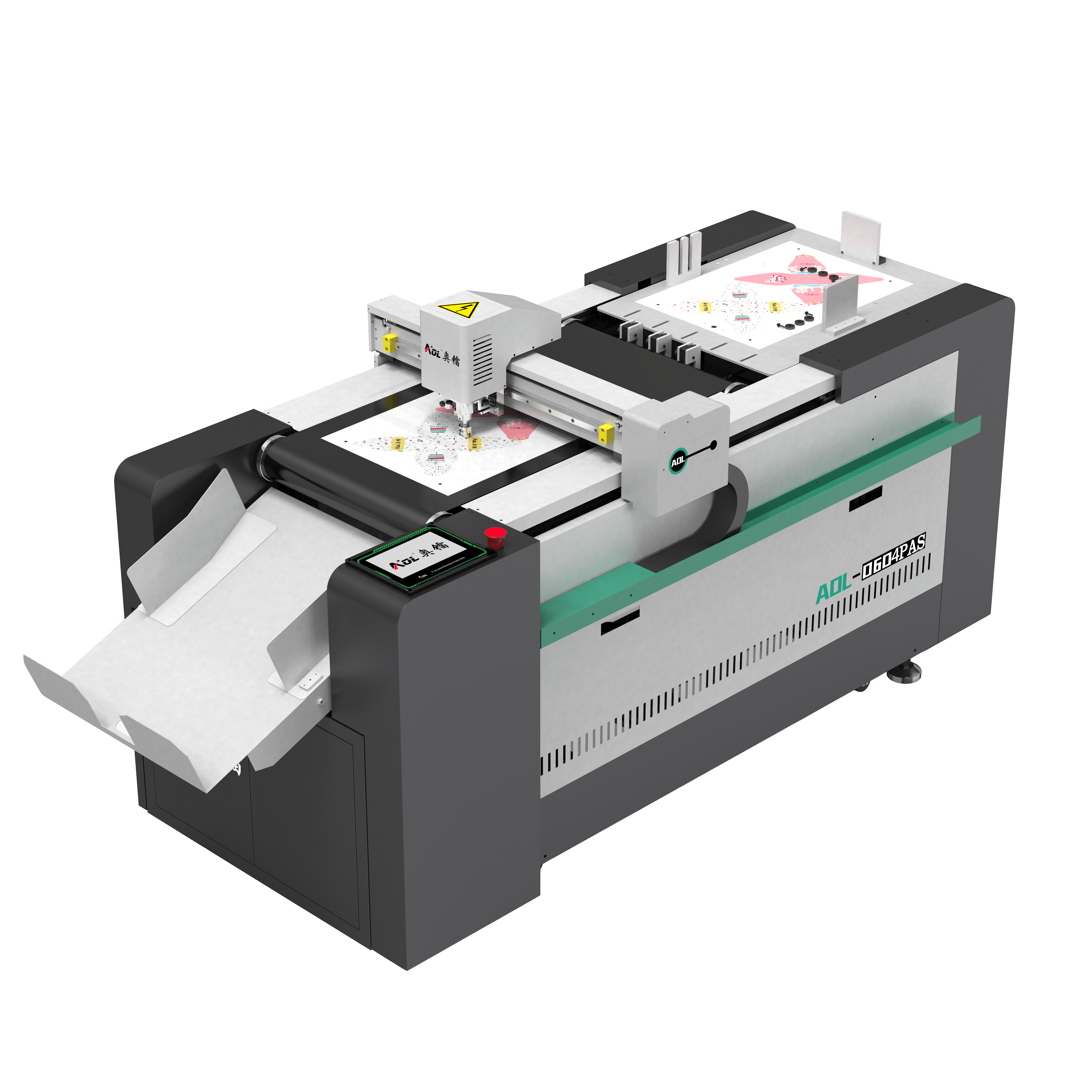
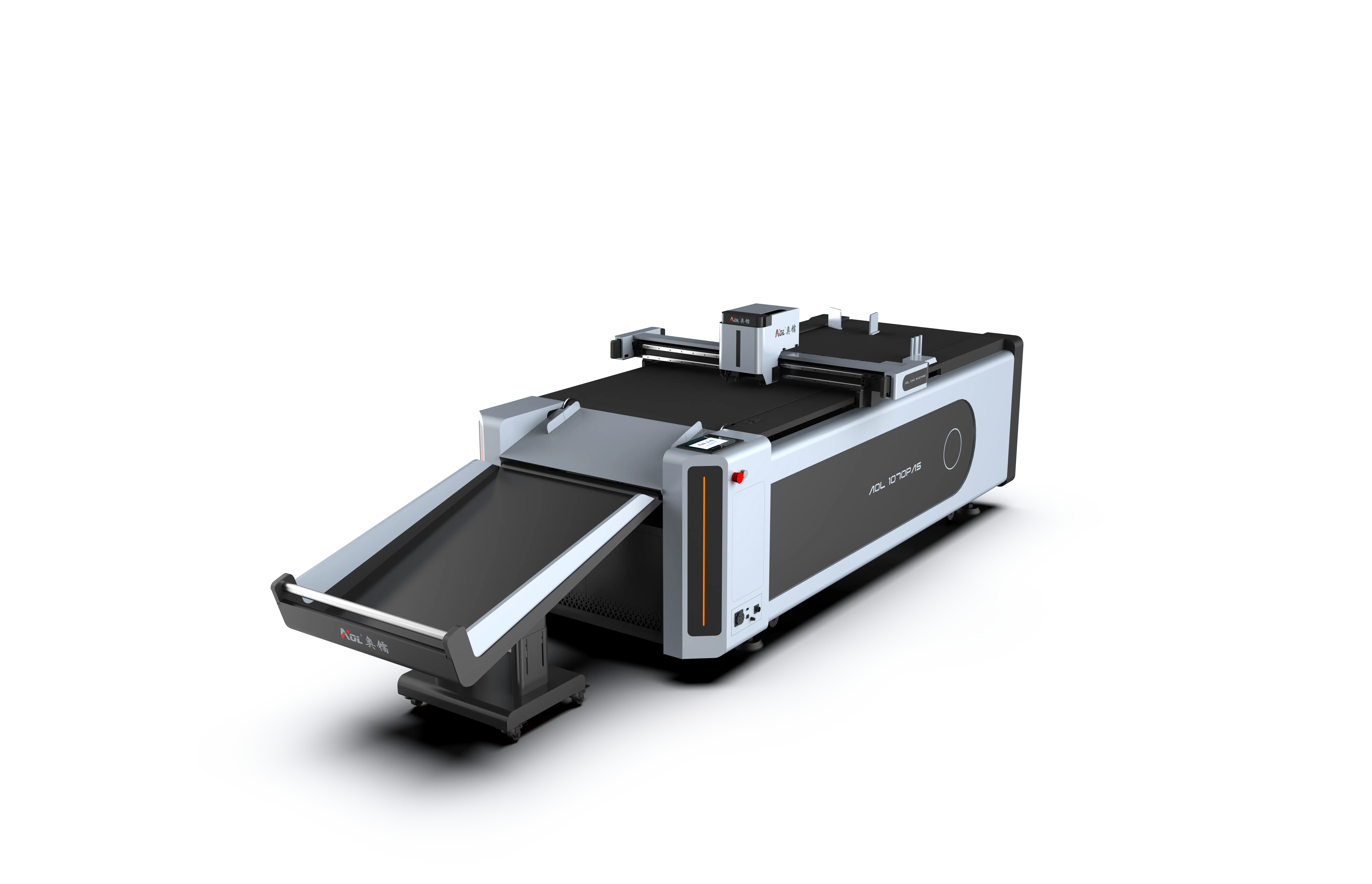
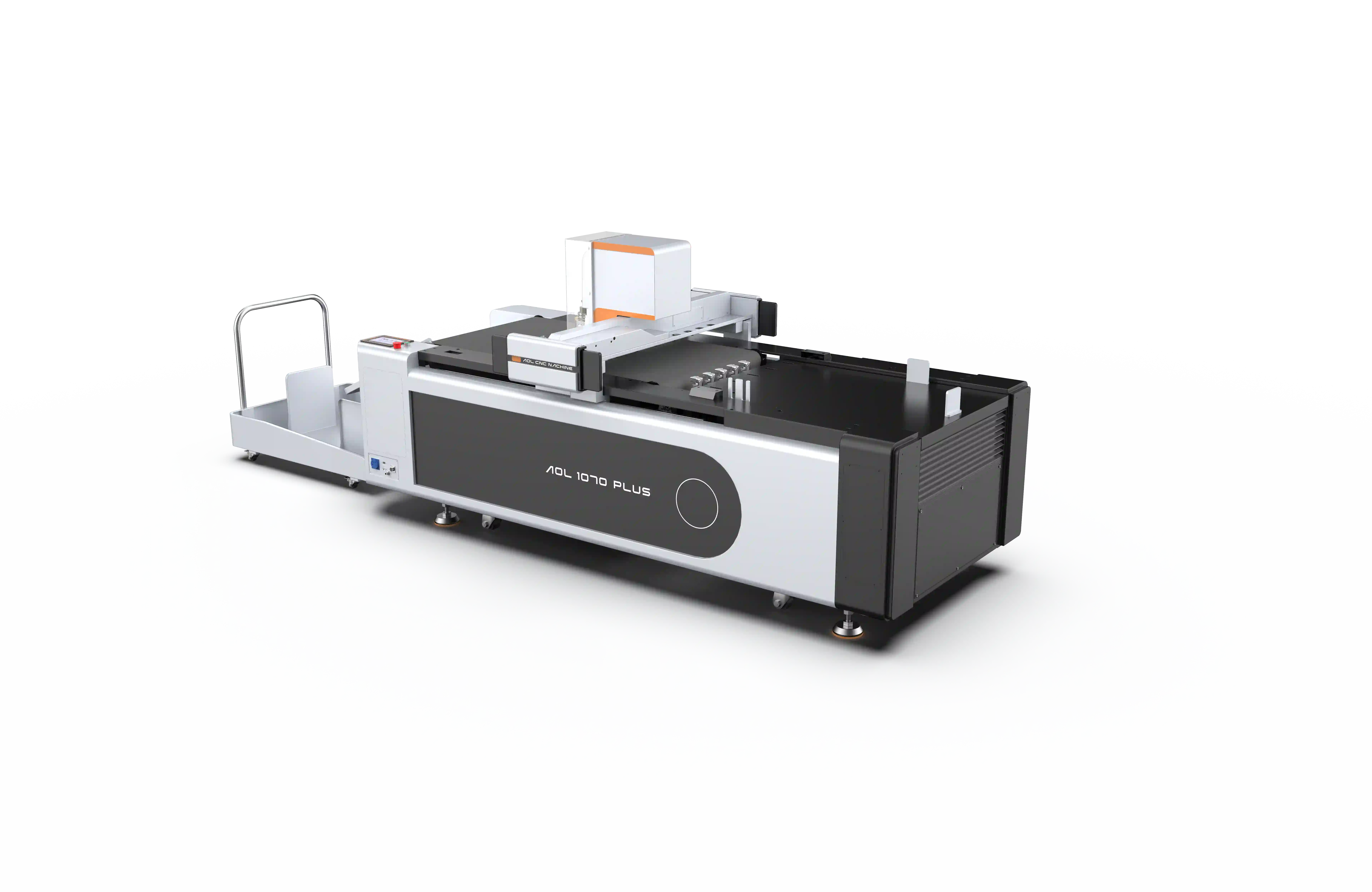
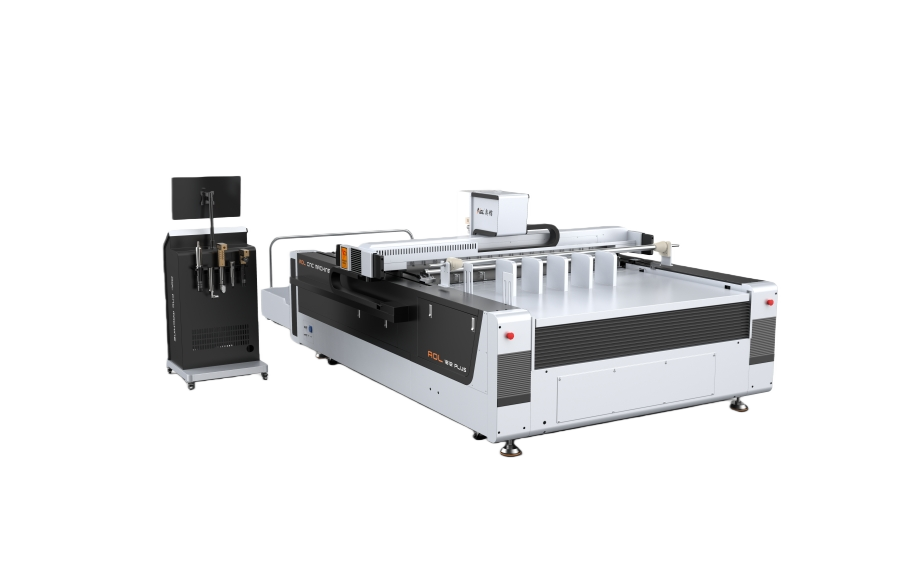
In the fast-paced world of apparel manufacturing, every step from fabric to finished garment impacts both cost and quality. The CAD/CAM garment cutting system serves as the pivotal link between design and production. Its significance is first evident in its unparalleled control over material costs—fabric typically accounts for 50% to 70% of a garment's total cost. In an era where sustainable fashion dominates and raw material prices fluctuate, any waste is an unbearable burden. CAD software's “automatic nesting” function operates like a precision digital puzzle, arranging patterns with efficiency unmatched by human eyes. The CAM cutting head then faithfully executes these instructions, completely eliminating waste caused by safety allowances in manual cutting. This not only directly translates into higher profit margins but also significantly reduces production's environmental impact.
Beyond cost savings, precision and consistency serve as the yardstick for measuring brand value. Even the most skilled cutter may introduce errors due to fatigue, but CAD/CAM systems guarantee that the thousandth piece matches the first with absolute precision. Millimeter-level deviations can cause crooked seams and inaccurate sizing. For multinational brands, this means a size M in New York must be identical to a size M in Tokyo. Such consistency directly determines brand reputation and return rates. Simultaneously, in today's era where “fast fashion” and small-batch rapid response dominate, speed equals competitiveness. In traditional production, grading, layout, and manual cutting consume hours or even days. Digital systems streamline this process into an instant transition from “screen design” to “machine start-up,” enabling factories to handle sudden orders or design changes with ease. This transforms the cutting room from a production bottleneck into the starting point of agile manufacturing.
Furthermore, with the rise of athletic performance wear and haute couture gowns, fabric diversity and cutting complexity have surged exponentially. CAD/CAM systems, equipped with diverse tools like vibrating knives, drag knives, or lasers, effortlessly handle delicate fabrics like silk while also tackling thick denim or multifunctional composites, granting designers boundless creative freedom. Finally, this system reshapes factory staffing structures, freeing workers from high-risk repetitive tasks and redirecting them toward higher-value roles like equipment operation and maintenance. This enhances safety while driving industry talent advancement. In essence, the CAD/CAM garment cutting system is far more than a simple machine—it is the strategic cornerstone enabling manufacturers to deliver high-quality garments with precision, efficiency, and sustainability in an era of slim profit margins.

 EN
EN