
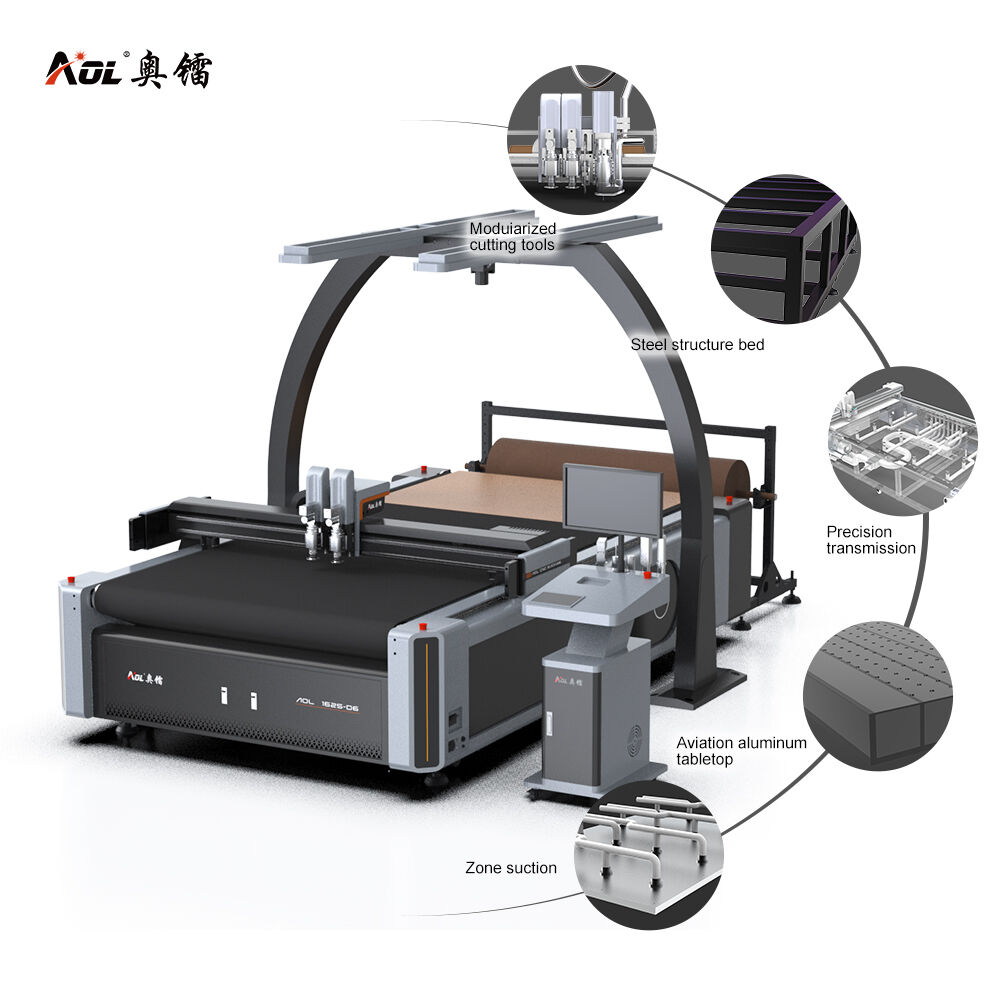
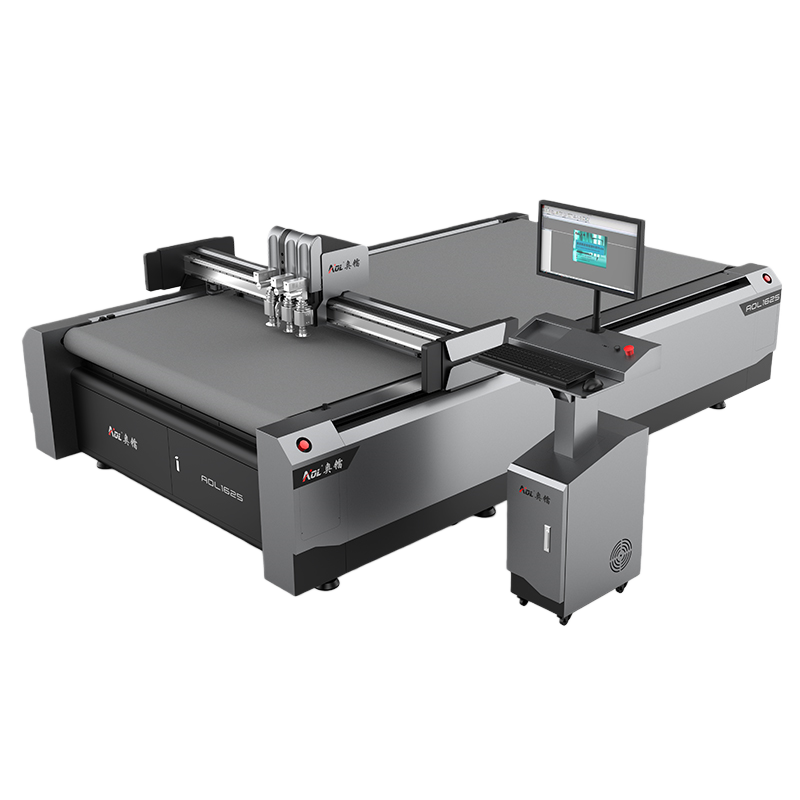
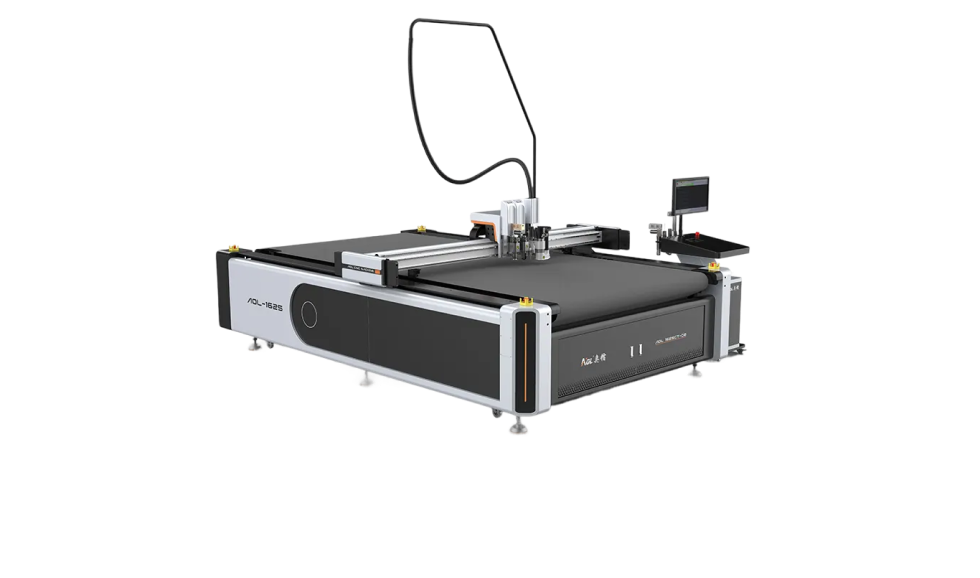
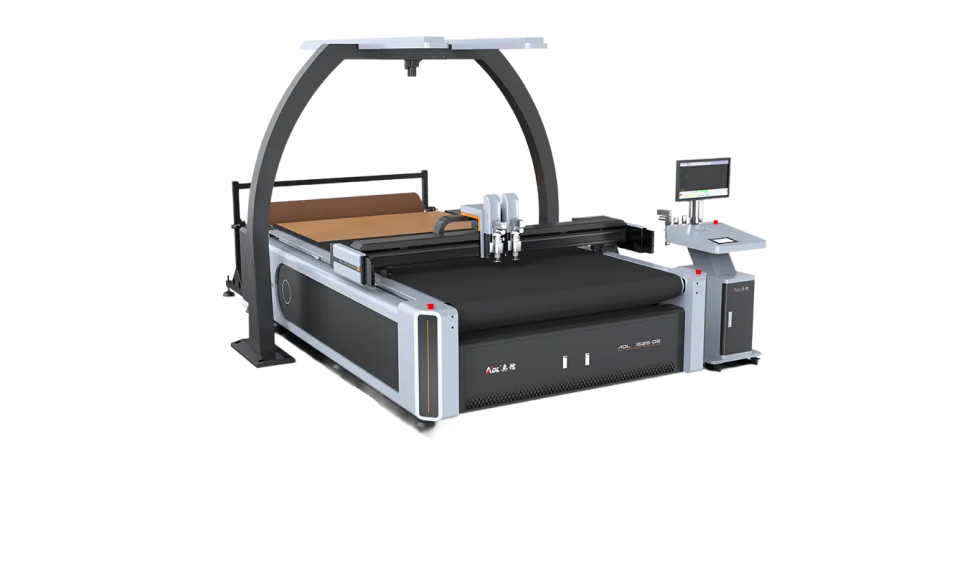
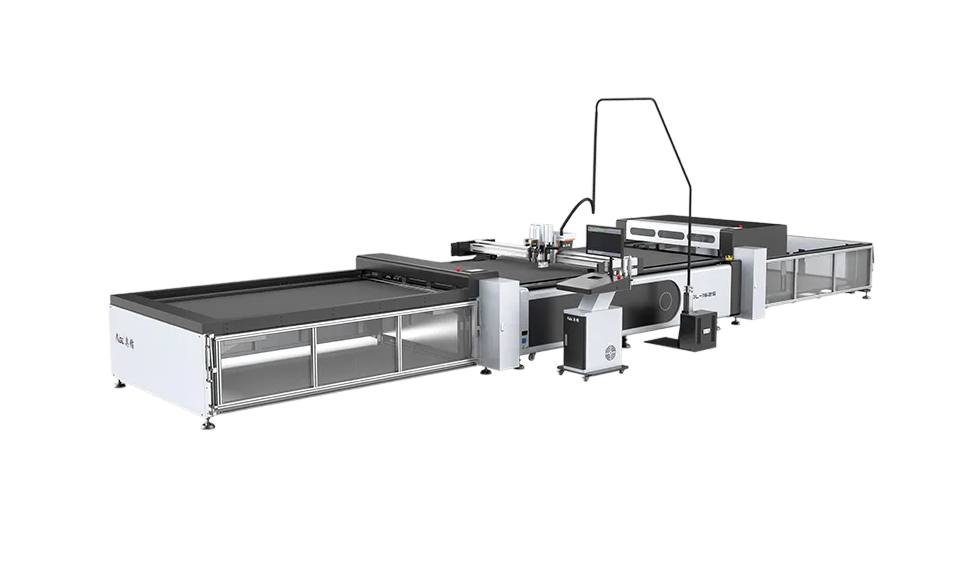
In today's fast-paced manufacturing landscape, single-layer cutting tables have evolved from optional configurations into core productivity tools. Their significance is first evident in revolutionizing production models. As markets shift from mass batch production to “on-demand manufacturing” and “just-in-time production,” businesses no longer need to stockpile large inventories for a single style. Single-layer cutting tables enable manufacturers to “cut only what is needed.” After completing 10 pieces of Style A, they can immediately switch to Style B without cumbersome material changeovers. This flexibility significantly reduces inventory pressure and capital tied up in stock, allowing factories to respond swiftly to market shifts and achieve true lean production.
While prioritizing speed, single-layer cutting machines elevate cutting precision to levels unattainable by manual or traditional equipment. Unlike multi-layer cutting, the absence of pressure or displacement from underlying fabrics ensures zero distortion in every cut piece. For premium materials like carbon fiber, genuine leather, and high-density waterproof fabrics, this “zero-defect” cutting translates directly to cost savings. Through precise algorithms and stable cutting arms, the equipment maximizes material nesting efficiency, transforming scraps that would otherwise be discarded into usable pieces—significantly reducing raw material costs for businesses.
Moreover, this machine is the only solution for handling complex fabrics. Many specialty materials cannot withstand the physical stress of multi-layer cutting: plush fabrics get flattened, elastic knits stretch and deform under stacking, while industrial fabrics like fiberglass are too rigid to stack effectively. Single-layer cutting makes processing these “problem fabrics” effortless. It enables automotive interior manufacturers to achieve flawless leather cutting and allows outdoor gear producers to precisely handle highly breathable membranes. This universal material compatibility significantly expands a company's order acceptance capabilities.
Finally, the single-layer cutting bed serves as a critical link in digitizing production workflows. In an era dominated by fast fashion and customization, design drafts must be transformed into physical samples instantly. Seamlessly integrating with CAD software, it turns designers' concepts into precise prototypes within minutes. Whether producing a single custom wedding gown or a mixed-size batch of athletic wear, it handles both with ease. This second-level response from “design to cut piece” not only accelerates time-to-market but also transforms the “one pattern, one custom piece” business model from concept into reality.