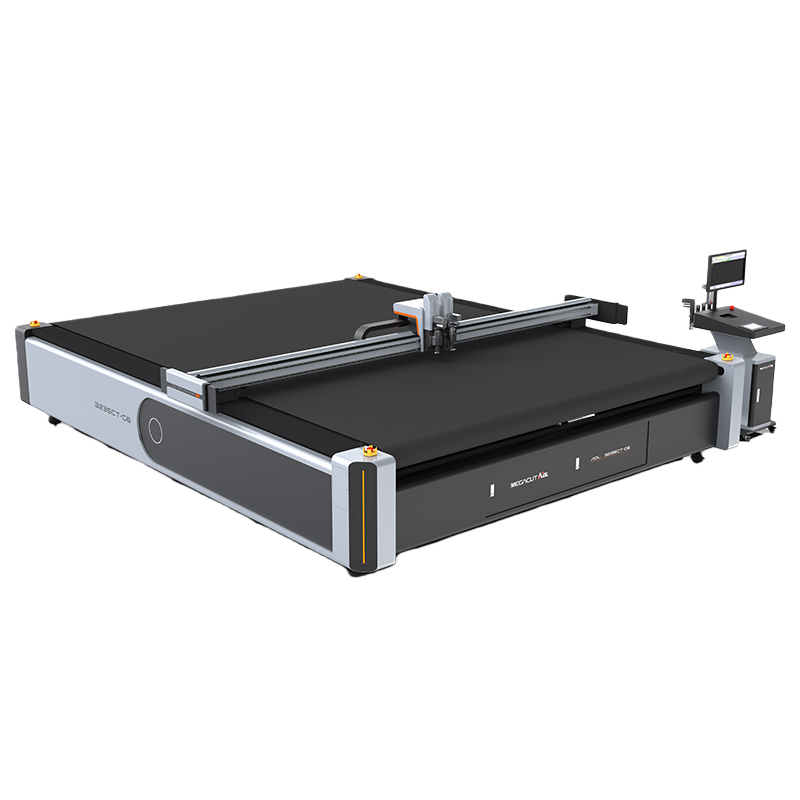
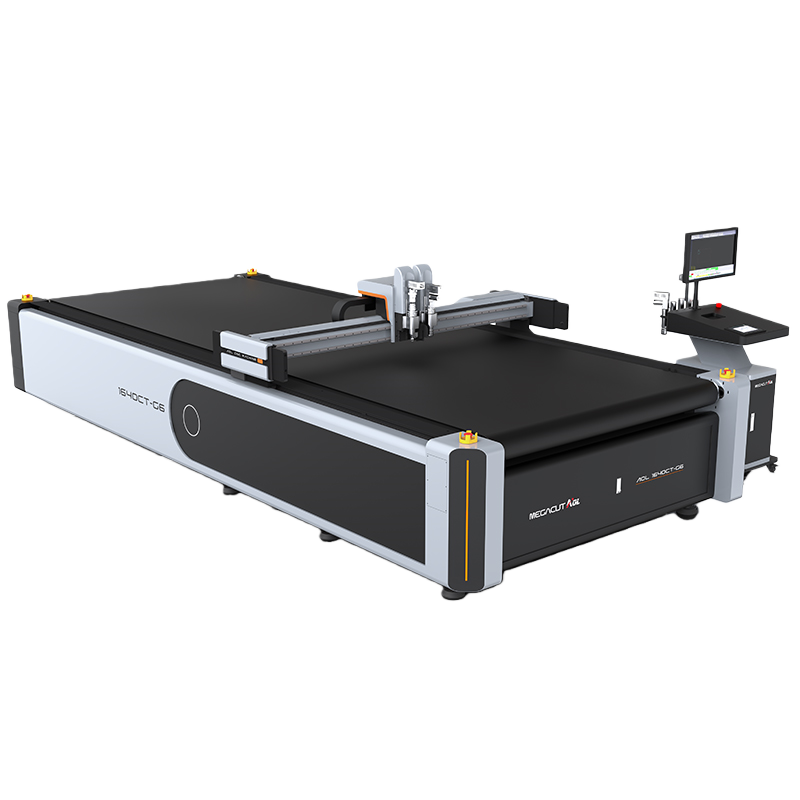
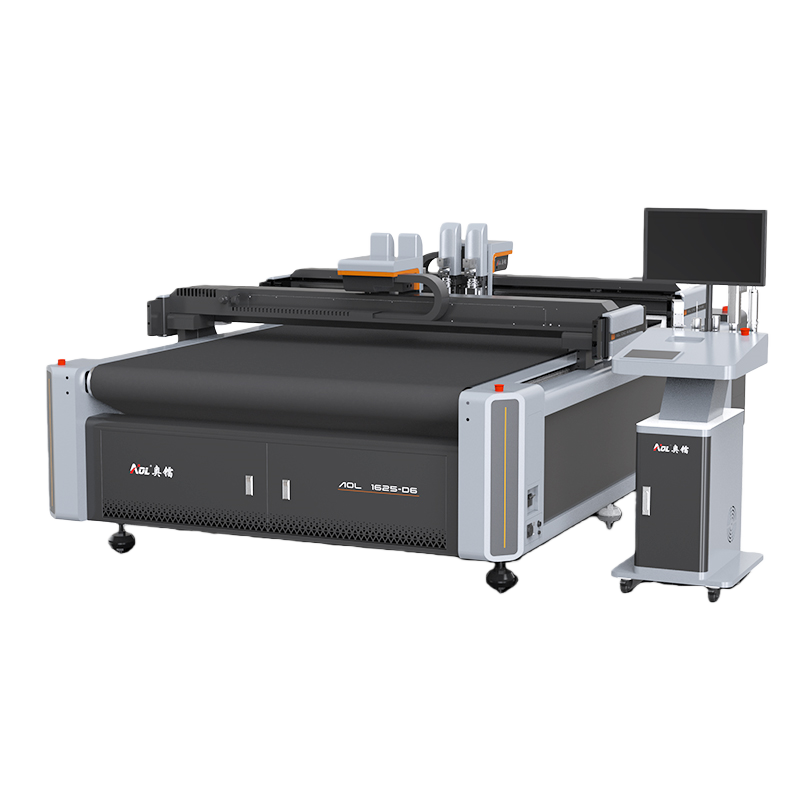
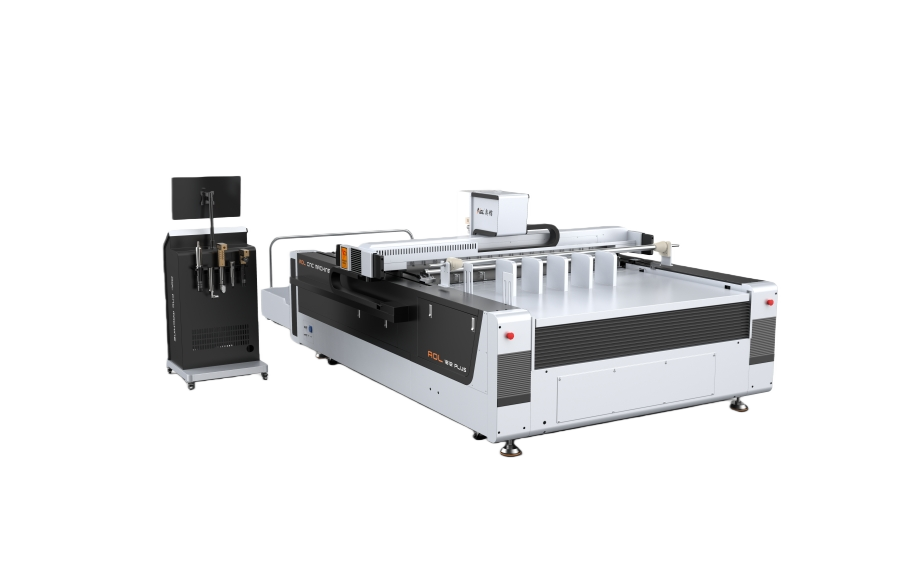
In the fast-paced textile manufacturing industry, the transition from manual cutting to CNC oscillating blade cutting machines represents more than just an equipment upgrade—it signifies a fundamental shift in production logic. Traditional production methods have long grappled with two major pain points: First, the lengthy training cycle and high labor costs associated with skilled cutters, coupled with the inherent risk of accuracy fluctuations due to fatigue in manual cutting; Second, fabric costs often exceed 60% of total product expenses, while inevitable scrap waste from manual nesting silently erodes corporate profits.
The core value of introducing CNC oscillating blade cutting machines lies in their ability to completely eliminate the “labor bottleneck.” Through intelligent control systems, a single operator can now complete cutting tasks that previously required a team, eliminating reliance on individual expertise. This fundamentally resolves recruitment challenges and production capacity constraints. More significantly, its “smart nesting” function uses optimization algorithms to arrange pieces tightly, typically reducing fabric waste by up to 15%—meaning the equipment often recoups its investment within a year through material savings alone.
In terms of quality, the automated cutting system ensures repeatable positioning accuracy of ±0.1mm. This guarantees that every cut piece is precisely identical, whether processing the first layer or the hundredth layer of material. Such consistency is indispensable for industries demanding strict quality control, such as automotive interiors and high-end luggage manufacturing. Additionally, modern CNC cutting equipment offers exceptional material versatility. By simply swapping blades or adjusting parameters, a single machine effortlessly handles everything from lightweight silk and heavy denim to carbon fiber composites and industrial felt, enabling businesses to swiftly adapt to diverse industry order demands.
Finally, amid the fast fashion and customization trends, CNC oscillating blade cutters empower enterprises to achieve “just-in-time production.” By eliminating the lengthy wait for traditional die-cutting, these machines drive cutting directly from CAD design files, compressing prototyping and revision cycles from weeks to minutes. This flexible production capability enables manufacturers to keep pace with market trends, flexibly schedule production in small-batch, high-frequency modes, and gain a competitive edge in the fiercely competitive market.

 EN
EN