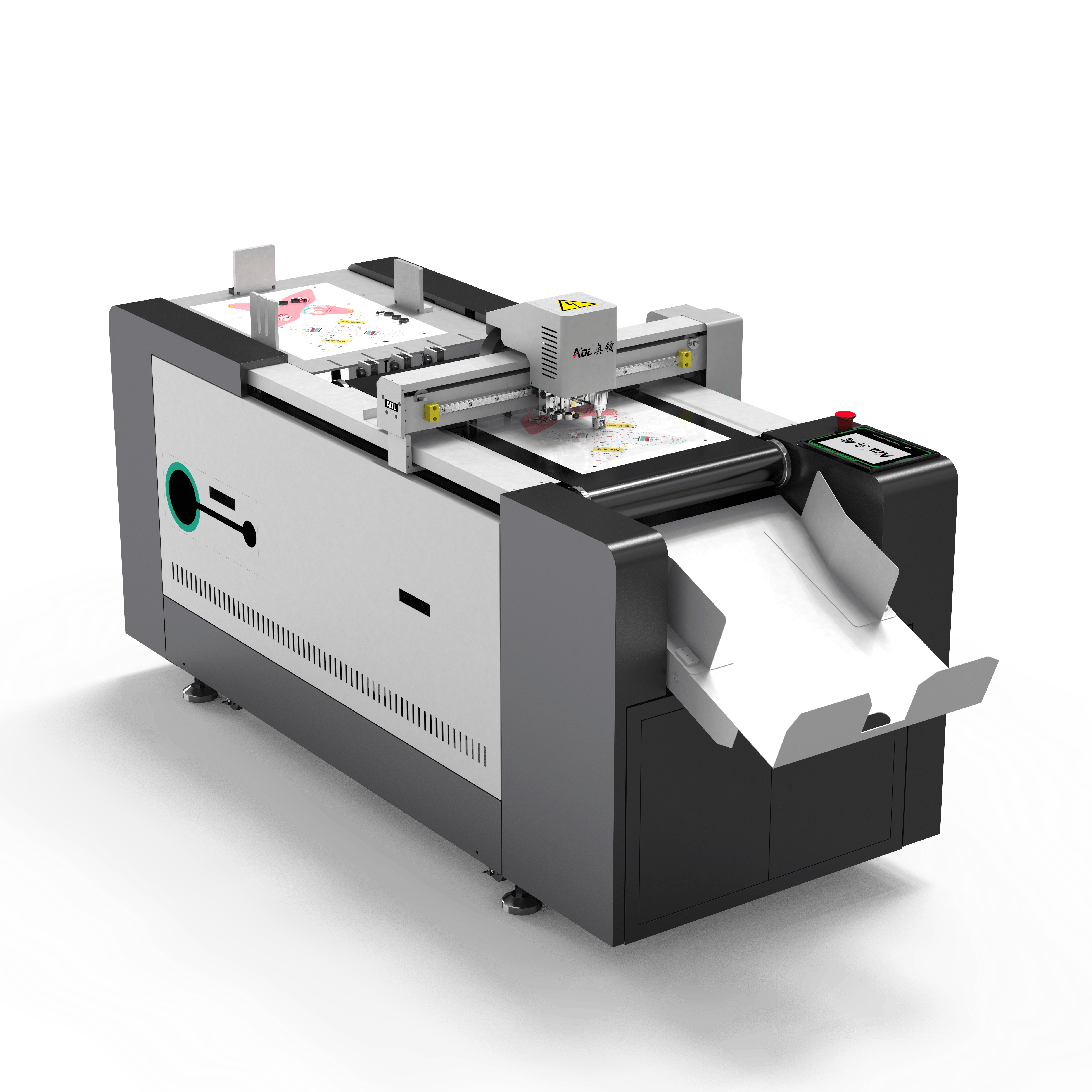
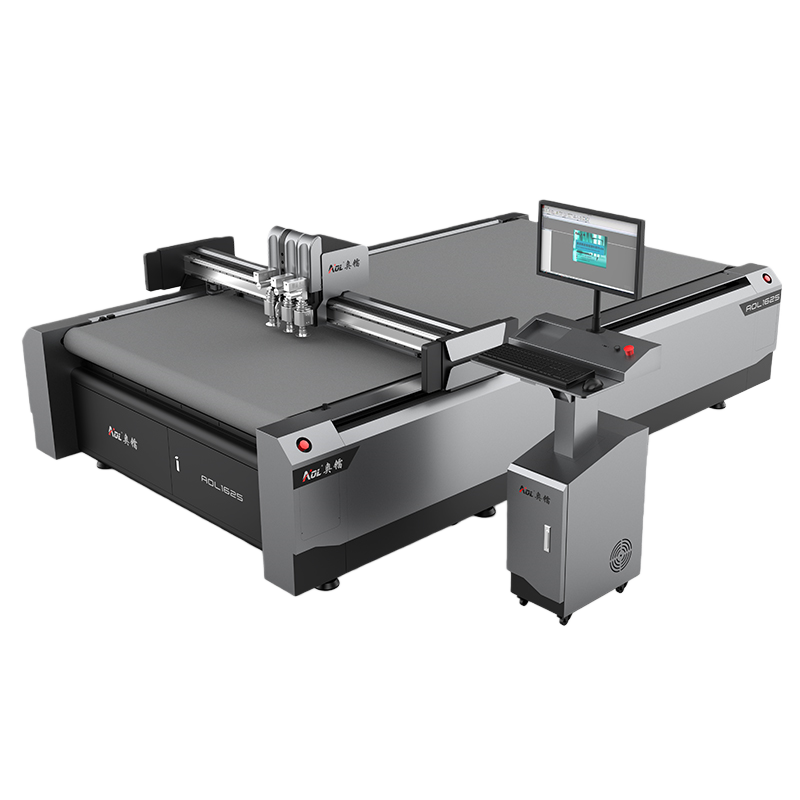
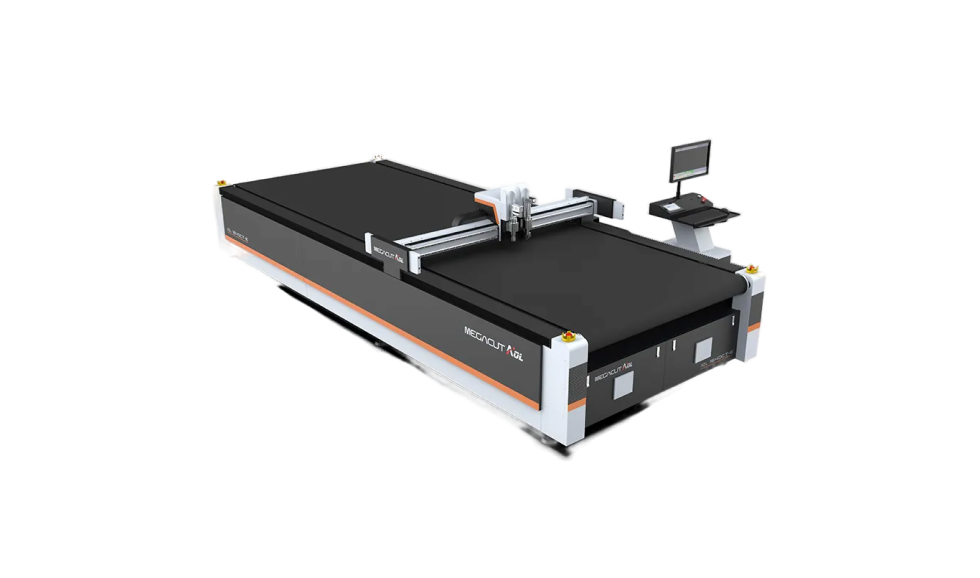
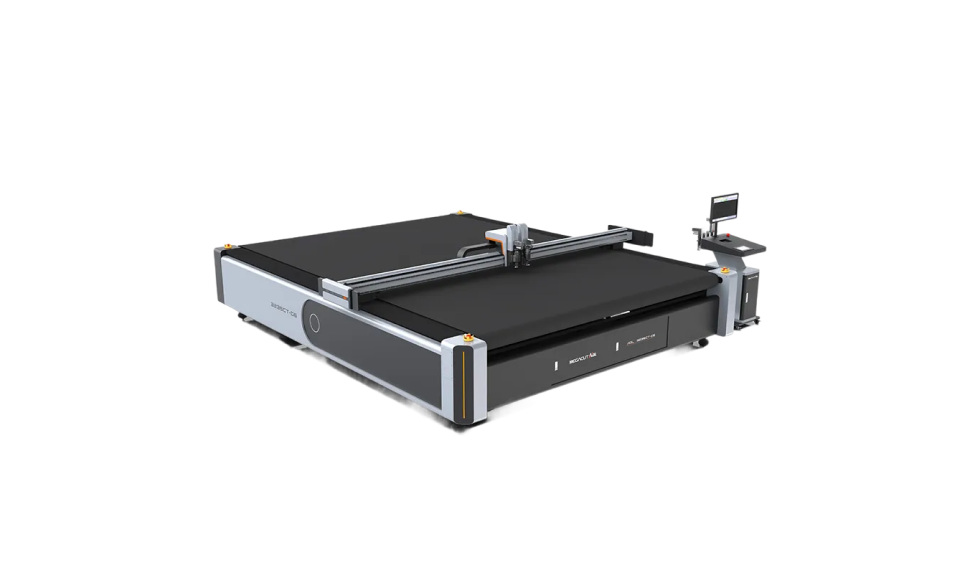
In the flooring and textile industries, the shift from manual cutting to CNC technology represents not merely an upgrade in equipment but a fundamental transformation in manufacturing capabilities. CNC carpet cutters are specialized industrial automation devices that utilize computer-controlled vibrating blades or rotating tools to cut various carpet materials with exceptional precision, including broadloom carpets, carpet tiles, artificial turf, and custom rugs. The advent of this equipment has revolutionized traditional carpet processing methods.
First, its core advantage lies in preserving material integrity. Unlike ordinary fabrics, carpet is a composite material comprising backing, secondary backing, and pile. Traditional manual cutting or punching equipment often crushes the pile or fails to cleanly sever the backing, leading to frayed edges and loose threads. CNC equipment, however, utilizes high-frequency vibrating blades that move thousands of times per minute. These blades cut the backing cleanly and precisely, like a fine engraving tool, without dragging or tearing fibers. For businesses selling high-end carpets or commercial flooring, this “zero-abrasion” clean cut directly reflects product quality, ensuring edges remain intact during installation and use.
Second, CNC technology enables intricate geometric cuts. Modern interior design increasingly favors curves, inlays, and complex logo patterns. Traditional manual cutting is largely limited to straight lines and simple shapes, whereas CNC equipment can directly read vector files like CAD or AI, executing complex contour cuts with micron-level precision. This empowers carpet manufacturers and installers to offer high-value custom services—such as crafting logo-embossed carpets for corporate lobbies, creating intricate parquet patterns for hotels, or cutting custom-shaped floor mats for the automotive industry. Essentially, it transforms bulk carpet rolls into high-margin, bespoke products.

 EN
EN